


A practical guide to selling in Springfield, VA — sub-neighborhood pricing, the Metro and Fort Belvoir buyer pool, and the prep that actually moves Springfield homes — written by an agent who’s closed nine Springfield sales from $332K townhouses up to a $915K single-family home.
Why selling a home in Springfield is its own thing
Where I’ve sold: I’ve personally closed sales in Newington Forest, Springfield Village, Japonica, Charlestown, North Springfield Park, South Run Forest, Rolling Forest, Cardinal Forest, and Lakewood Hills within Springfield.
Springfield is one of the most strategically located ZIP codes in Northern Virginia — sitting at the convergence of I-95, I-395, and I-495, with two Metro stations (Franconia-Springfield Blue Line, plus VRE), and direct access to Fort Belvoir, the Pentagon, the Mark Center, and the Springfield Town Center redevelopment. That combination of transit, military, and redevelopment activity means Springfield draws an unusually wide buyer pool. It also means “Springfield” covers a much bigger and more varied set of micro-markets than most sellers realize.
In practical terms: Springfield is at least four distinct sub-markets stitched together by ZIP codes 22150, 22151, 22152, and 22153. West Springfield prices and sells differently from North Springfield. Daventry and Saratoga are different stories from Cardinal Forest. The townhouse communities along Backlick Road price on different fundamentals than the older single-family neighborhoods on the West Springfield side. If your agent treats Springfield as one homogeneous market, your home will either sit too long or sell for less than it should.
David’s Springfield track record
Nine Springfield sales closed over the past decade, ranging from a $332,000 two-bedroom townhouse on Crestmont Circle up to a $915,000 four-bedroom single-family home on Beachway Court in 2026. That spans every Springfield product type and price point a typical seller will encounter. Call David at (571) 946-8418 or email david.mount@thereduxgroup.com.
What this guide covers
- Springfield sub-neighborhoods, ranked by how they price
- The Metro and Fort Belvoir buyer pools — what each one wants
- Pricing a Springfield home in 2026
- Townhouse vs. single-family in Springfield
- Timing the Springfield market — when to list
- Springfield-specific prep that moves the needle
- Common Springfield seller mistakes
- Frequently asked questions
Springfield sub-neighborhoods, ranked by how they price
West Springfield
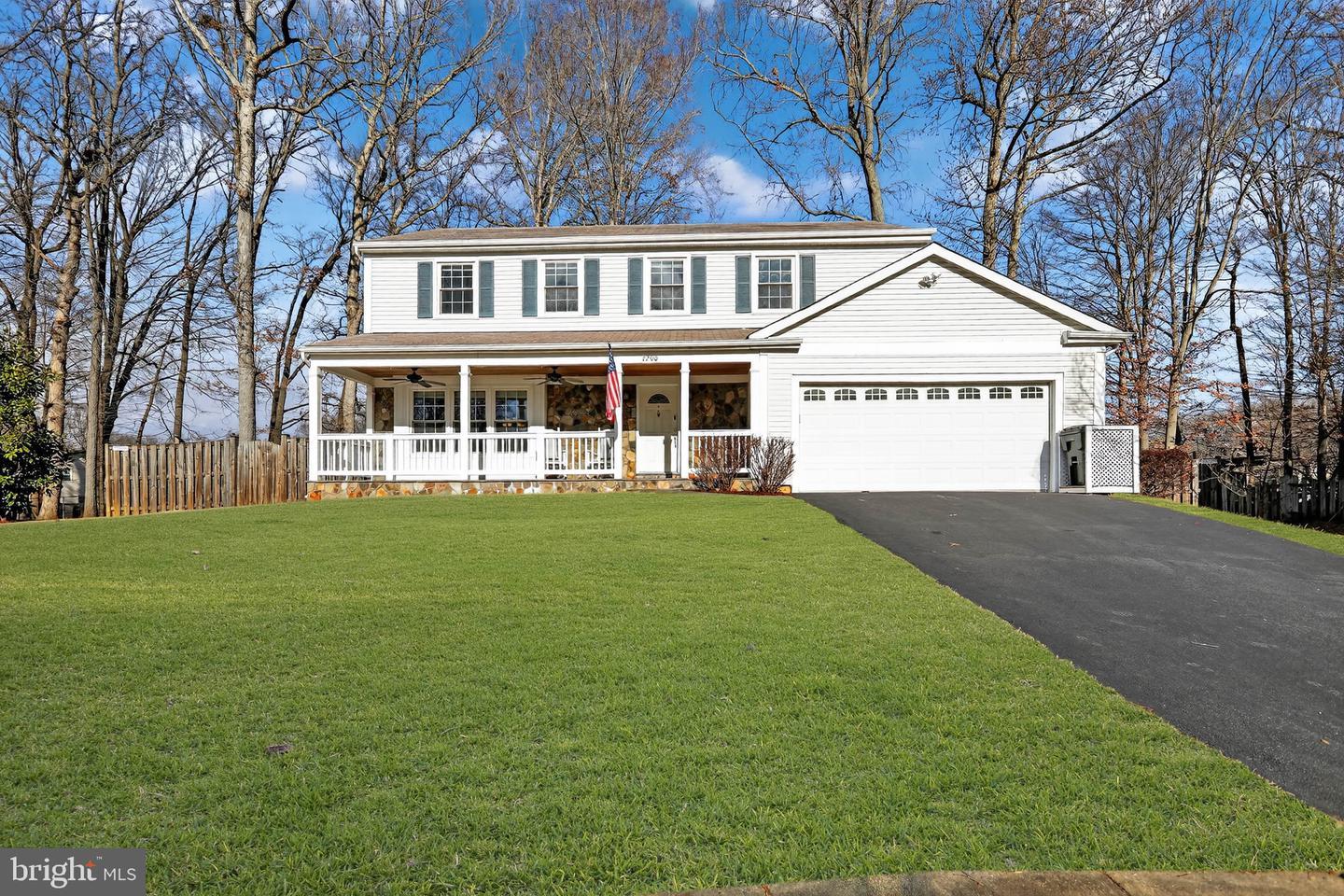
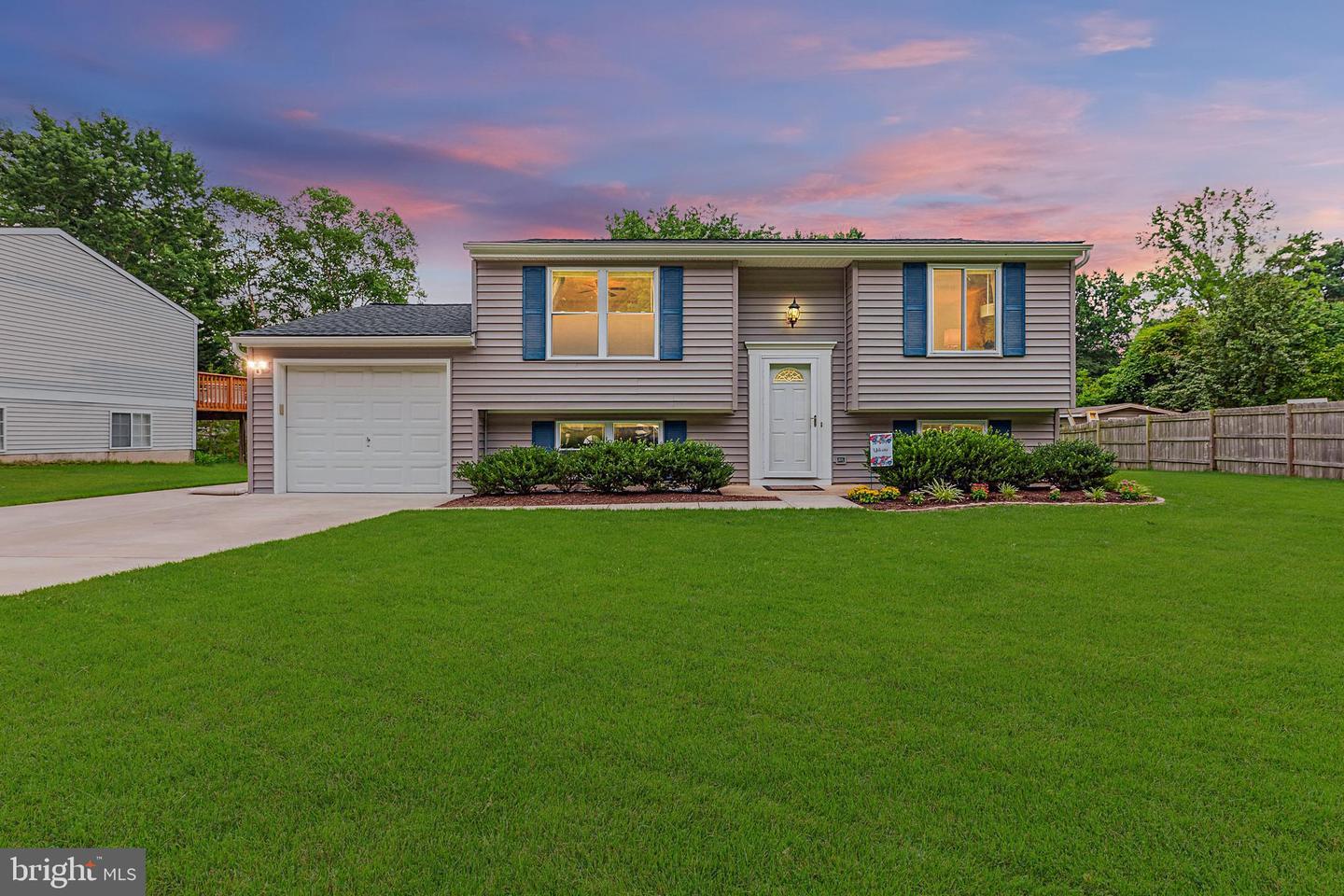
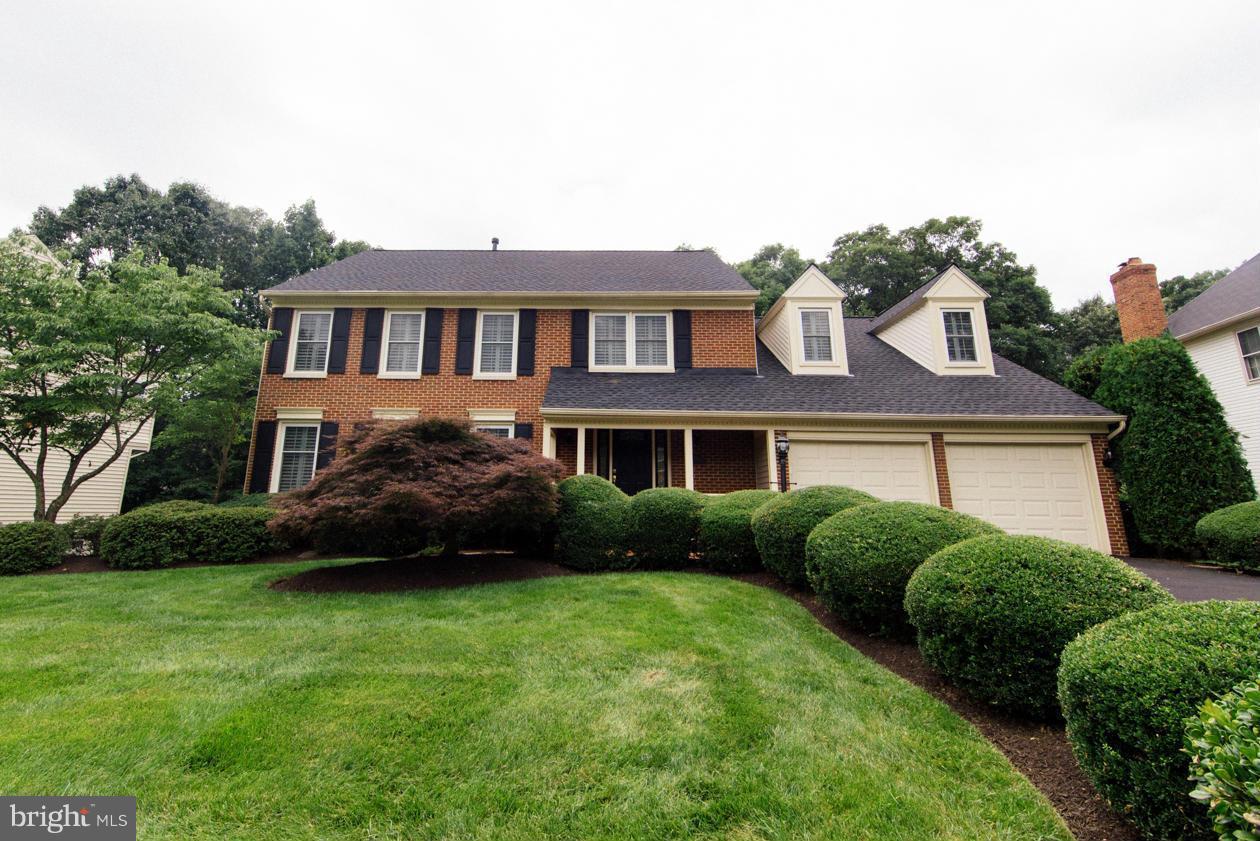
The premium half of Springfield. Larger lots, mature trees, the West Springfield High School pyramid (consistently among the higher-rated in Fairfax County), and proximity to the Burke Lake Park / South Run Stream Valley corridor. Single-family homes here typically sit at the top of the Springfield range. David sold 7200 Beachway Court in 2026 for $915,000 — a four-bedroom SFH that demonstrates the upper end of what well-prepared West Springfield single-family inventory commands. Buyers in this sub-market are often move-up families coming from Springfield, Burke, or Lorton townhouses, military households on long-tour orders to Fort Belvoir, and Pentagon / Mark Center commuters who specifically want the I-95 access.
North Springfield
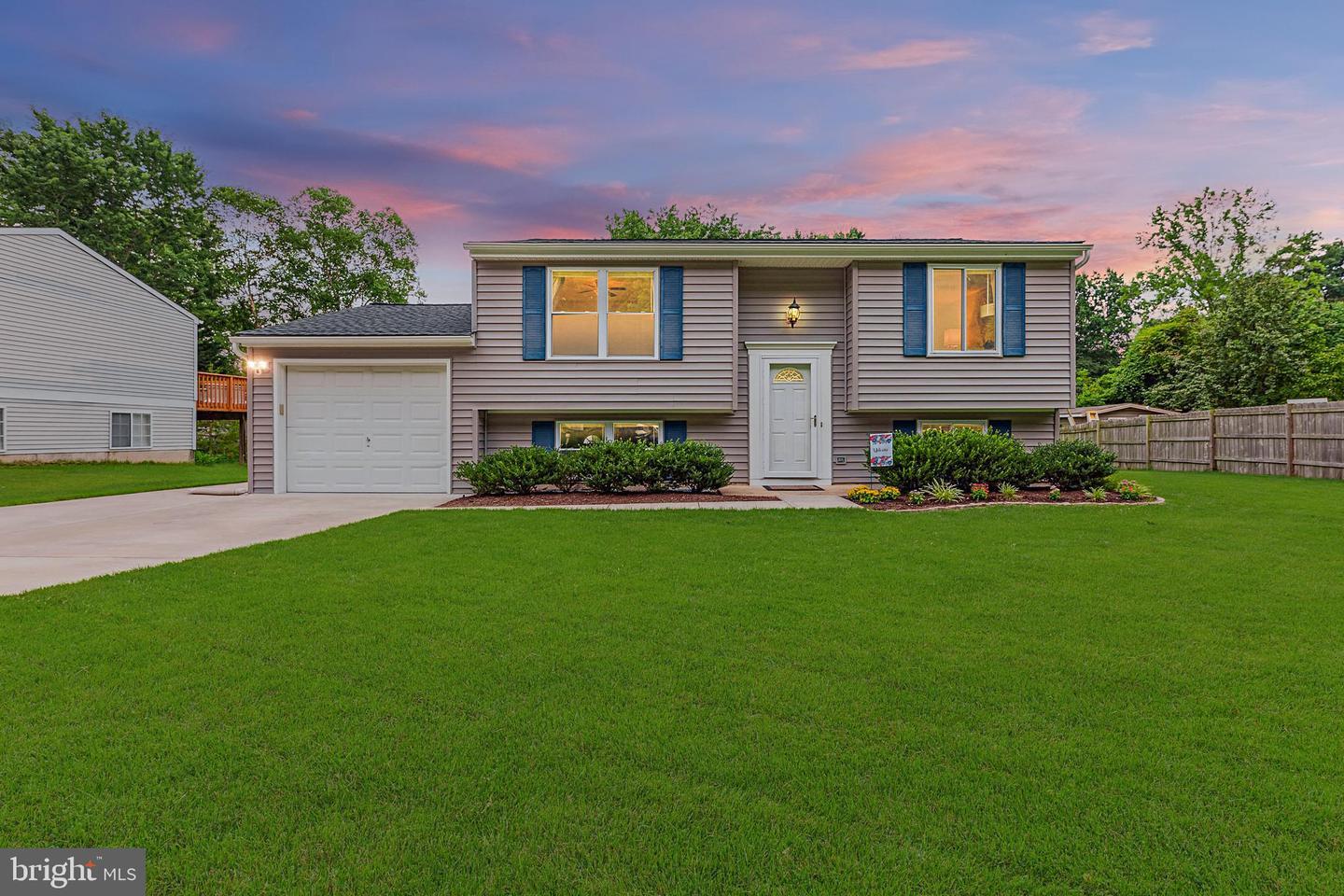
Older stock (much built in the 1950s through 1970s), generally on smaller lots, with a buyer pool that skews toward first-time single-family buyers, downsizers from larger Fairfax County homes, and investors looking for rental cash flow. Pricing here has appreciated meaningfully through the 2020s but remains the more accessible single-family entry point in Springfield. North Springfield’s proximity to the Beltway (I-495) and Annandale Road makes it particularly strong for Pentagon and Tysons commuters who want SFH inventory under $700,000.
Daventry / Saratoga / Cardinal Forest
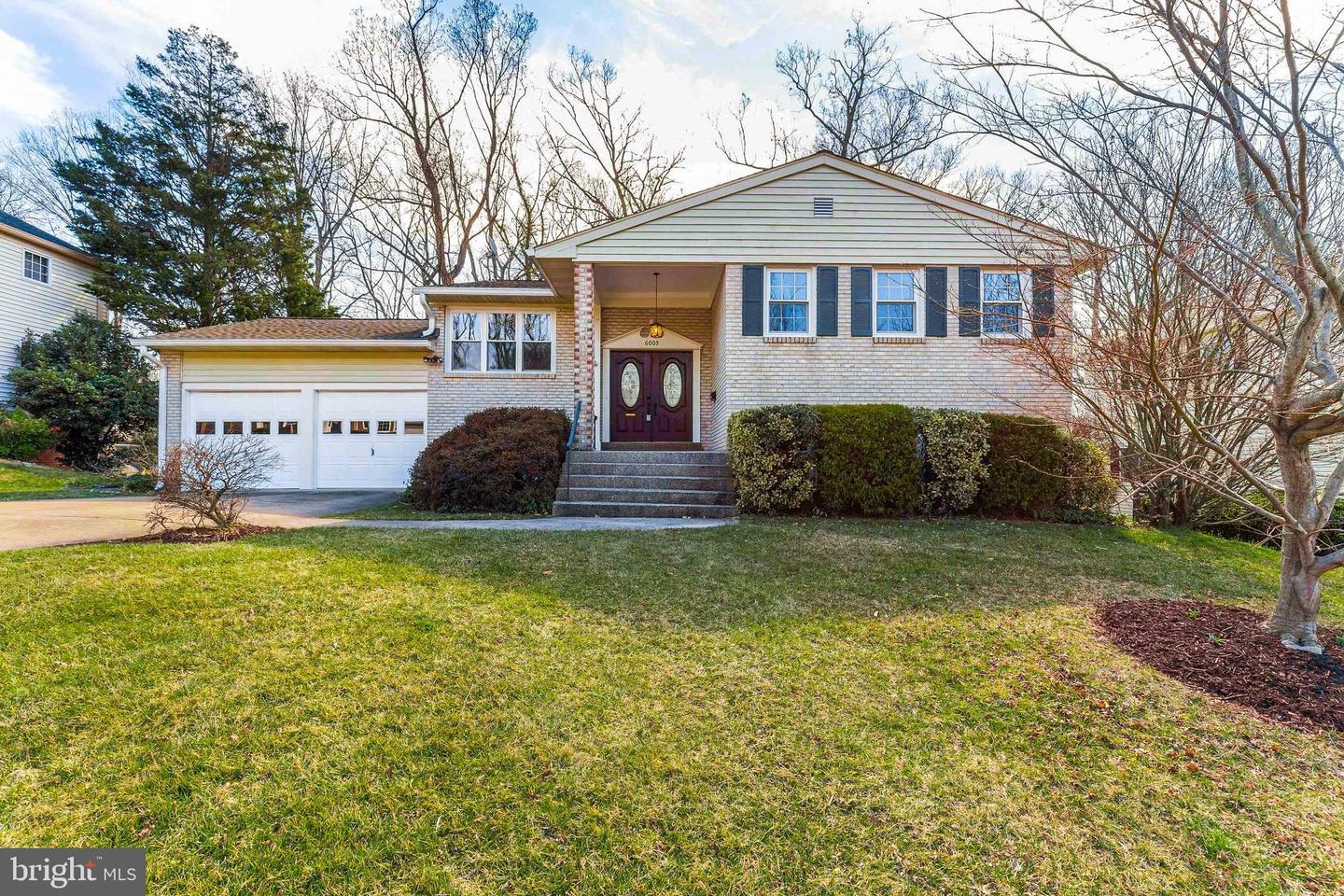
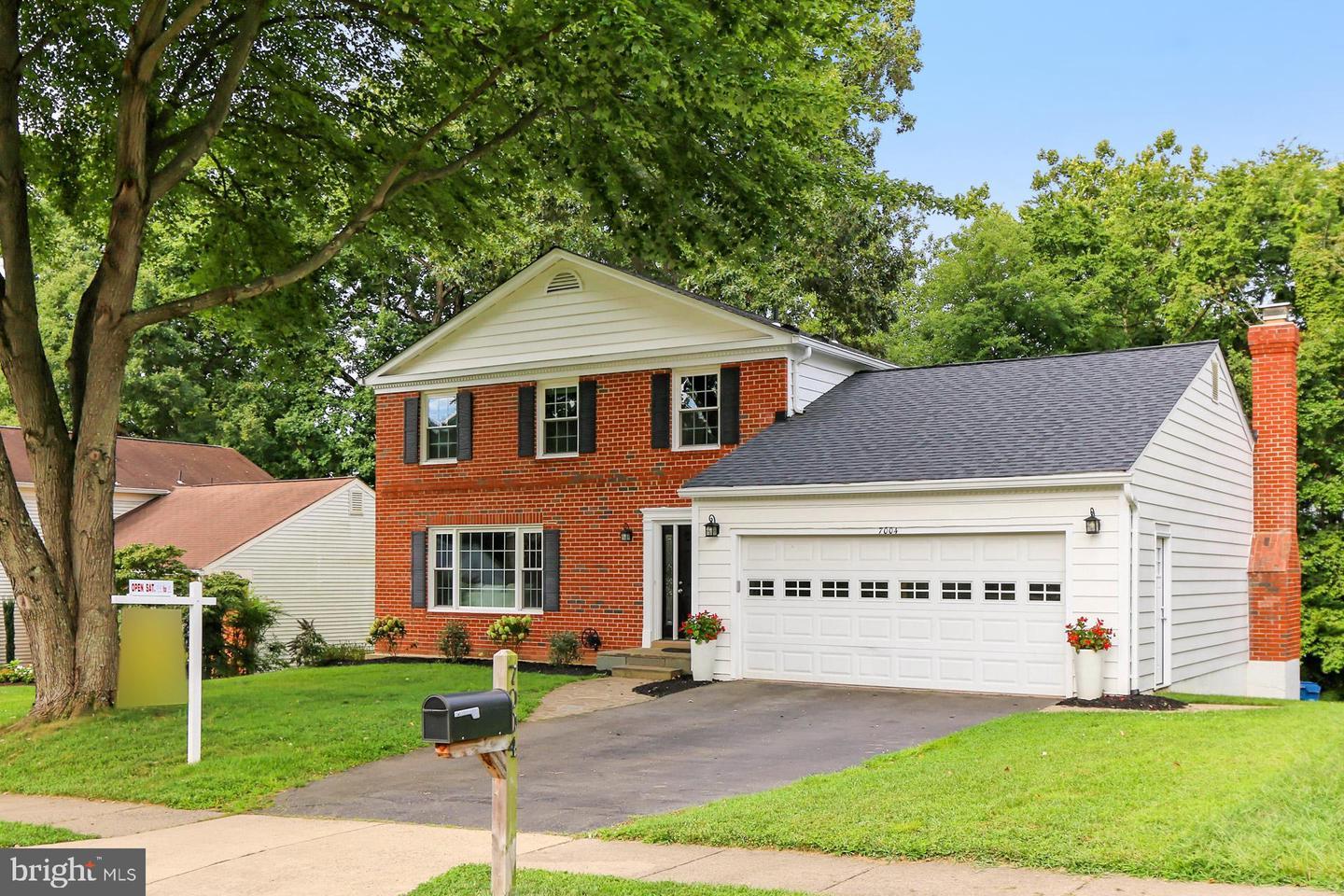
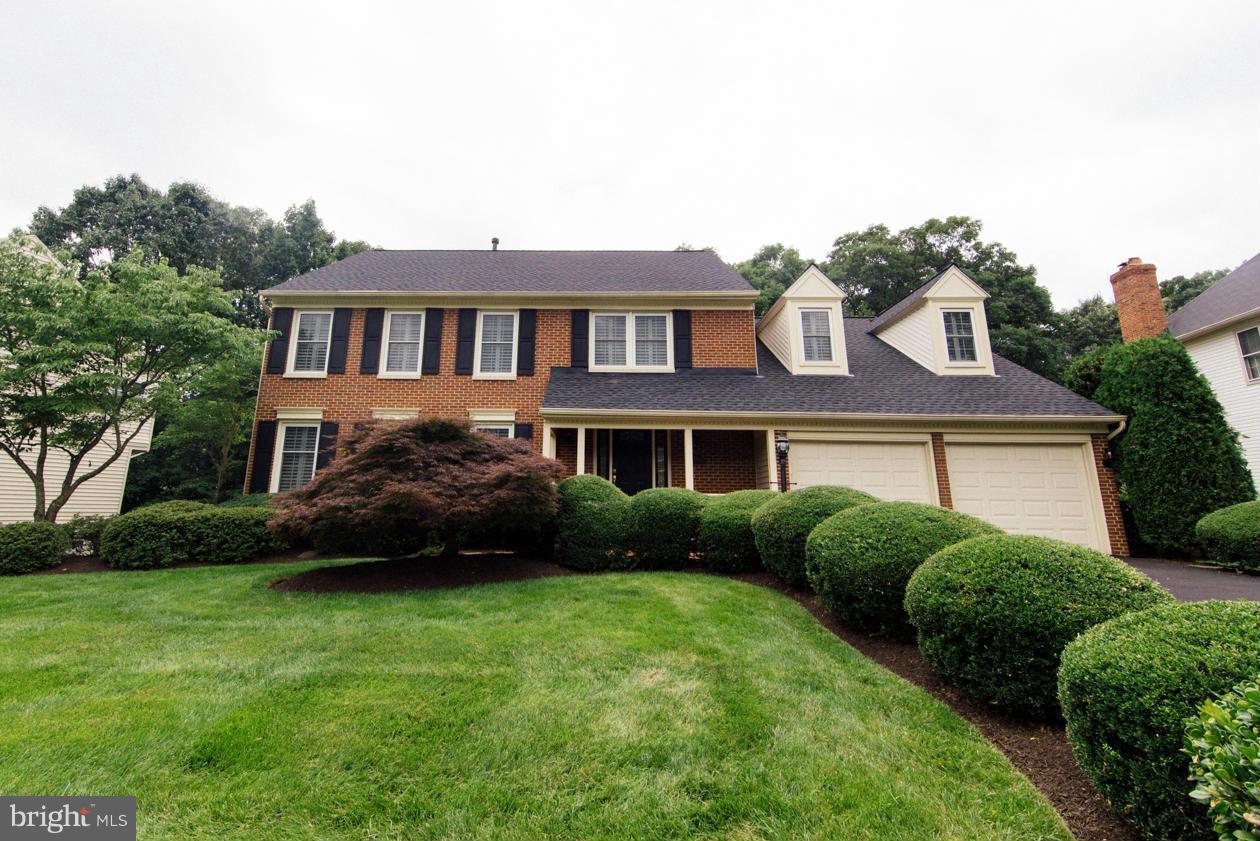
Established mid-tier neighborhoods, generally 1970s through 1990s construction, with a mix of single-family homes and townhouses. David sold 7313 Husky Lane in 2022 for $615,000 (a four-bedroom SFH in the Saratoga area) and 6005 Merryvale Court in 2022 for $850,000 and 7004 Maple Tree Lane in 2022 for $835,000 (both larger five-bedroom SFHs in the broader Daventry/Saratoga area). These streets sit within 10 minutes of the Franconia-Springfield Metro and within 15 minutes of Fort Belvoir, which keeps the buyer pool deep across both civilian commuter and military-household profiles.
Springfield Estates / Lake Braddock-adjacent Springfield
Where Springfield bleeds into the Burke / Lake Braddock area. Pricing here picks up the Lake Braddock Secondary School pyramid premium — a school that draws regional buyer demand. David sold 7808 Valleyfield Drive in 2015 for $732,000, an SFH in this corridor. The 2015 number is older, but the underlying pattern (Lake Braddock pyramid + larger lot + Burke-adjacency) is the same one that supports current pricing in this sub-market.
Newington Forest
Newington Forest is technically Newington but tagged Springfield in most MLS data. It sits on the southern edge of the Springfield market, closest to Fort Belvoir. The buyer pool here skews heavily military, and the inventory is mostly attached townhouses and smaller single-family homes built in the 1970s and 1980s.
The Springfield townhouse belt
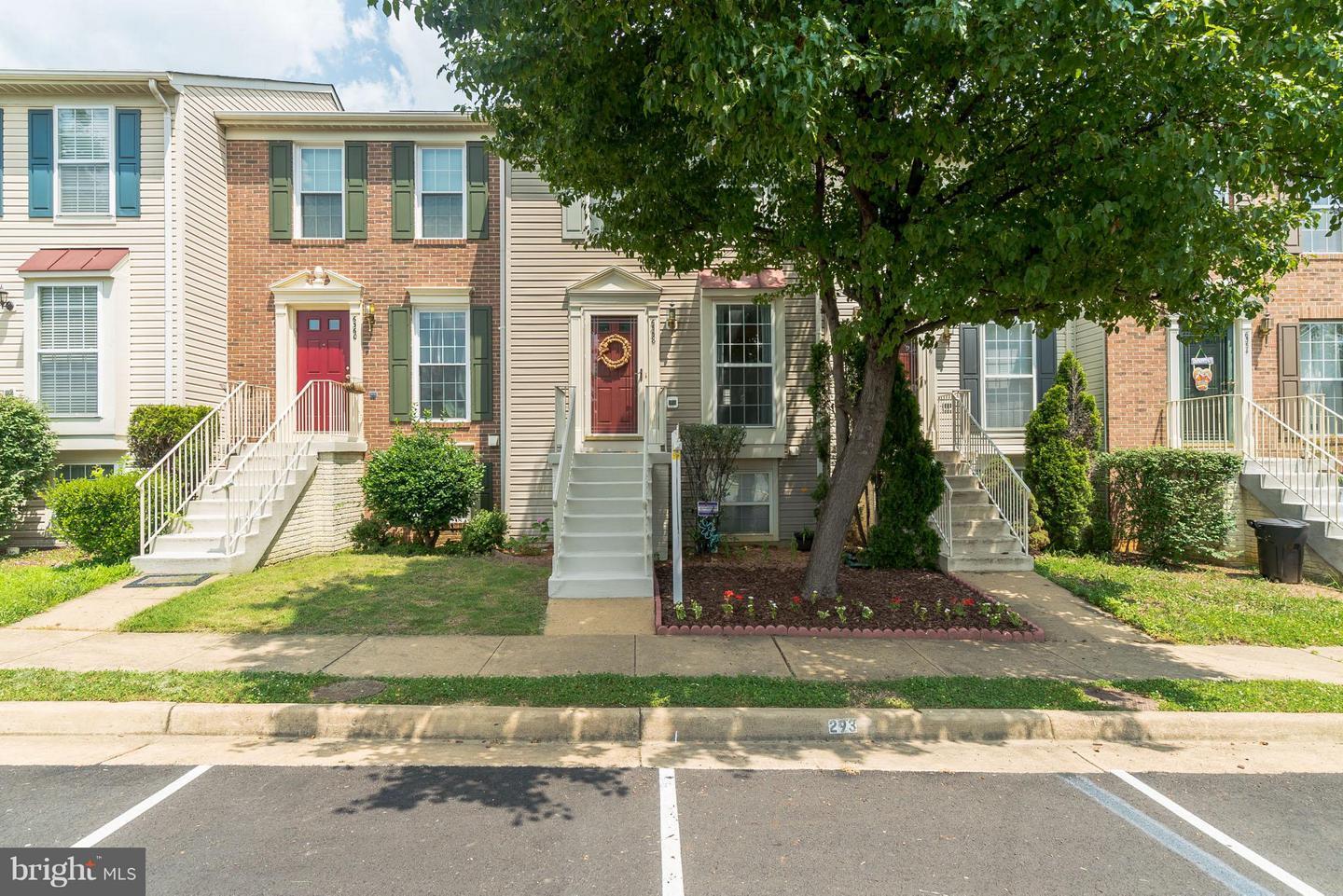
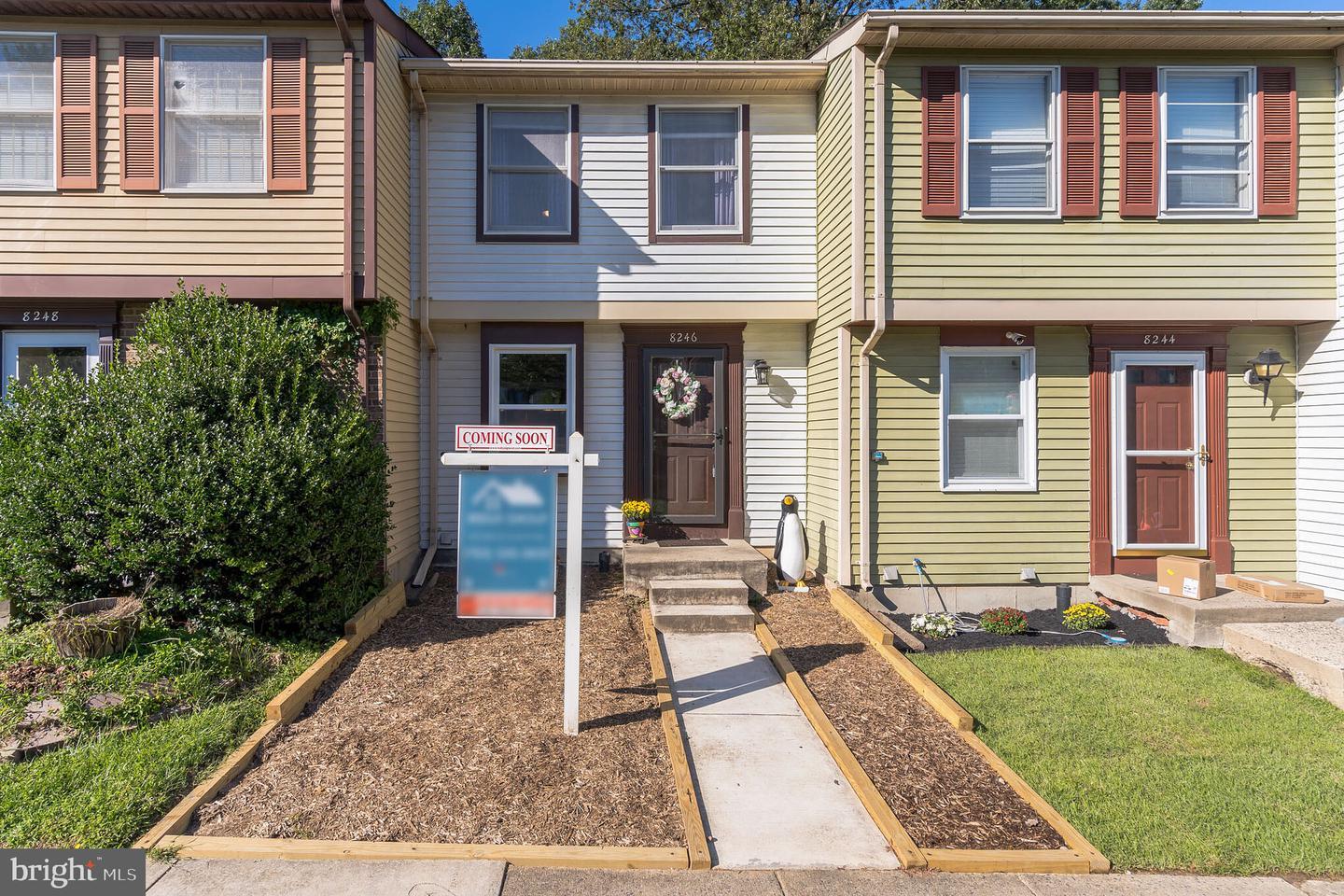
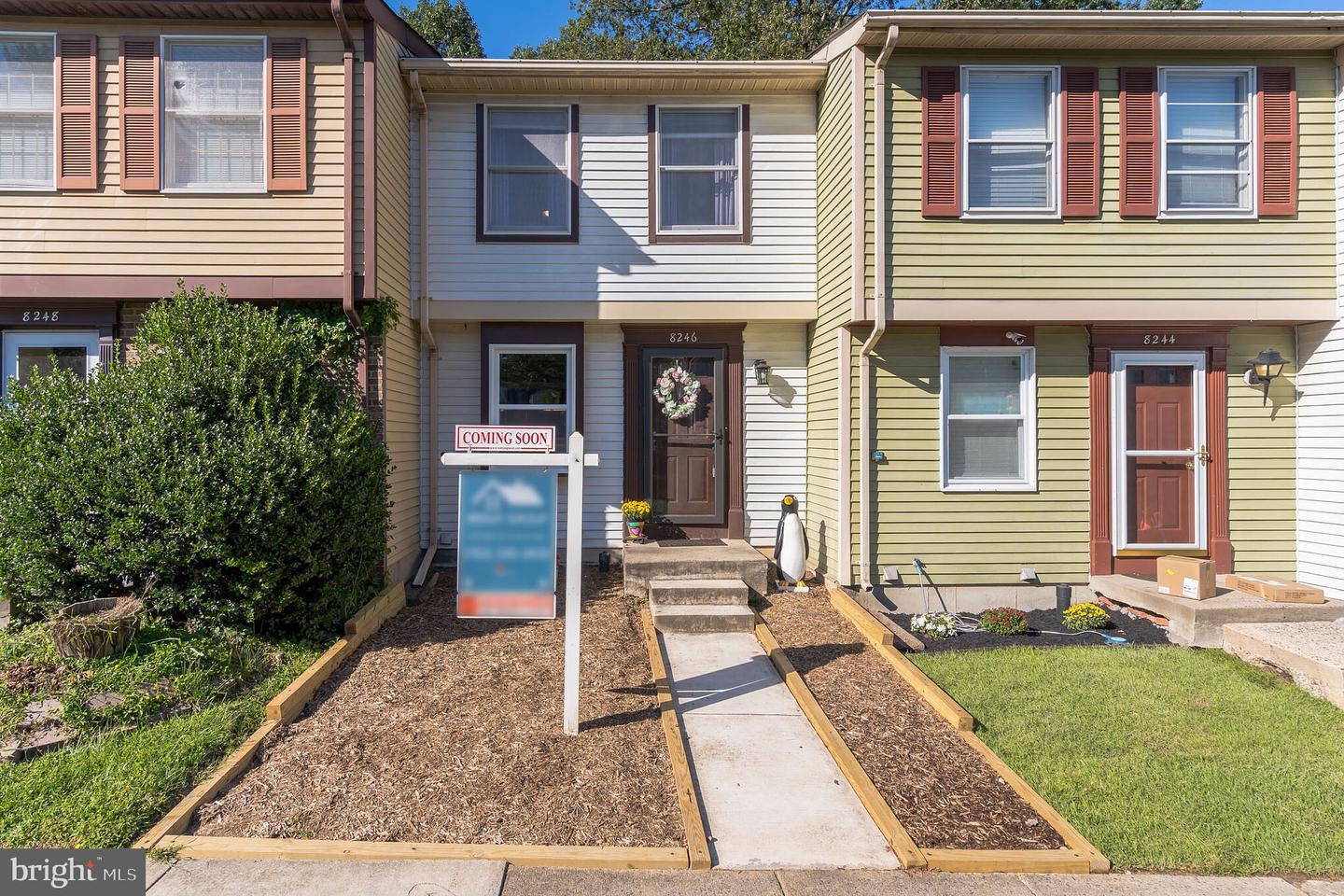
Springfield has a substantial inventory of attached townhouses, generally clustered along Backlick Road, near Springfield Town Center, and in pockets bordering the Franconia-Springfield Metro. David has closed several of these:
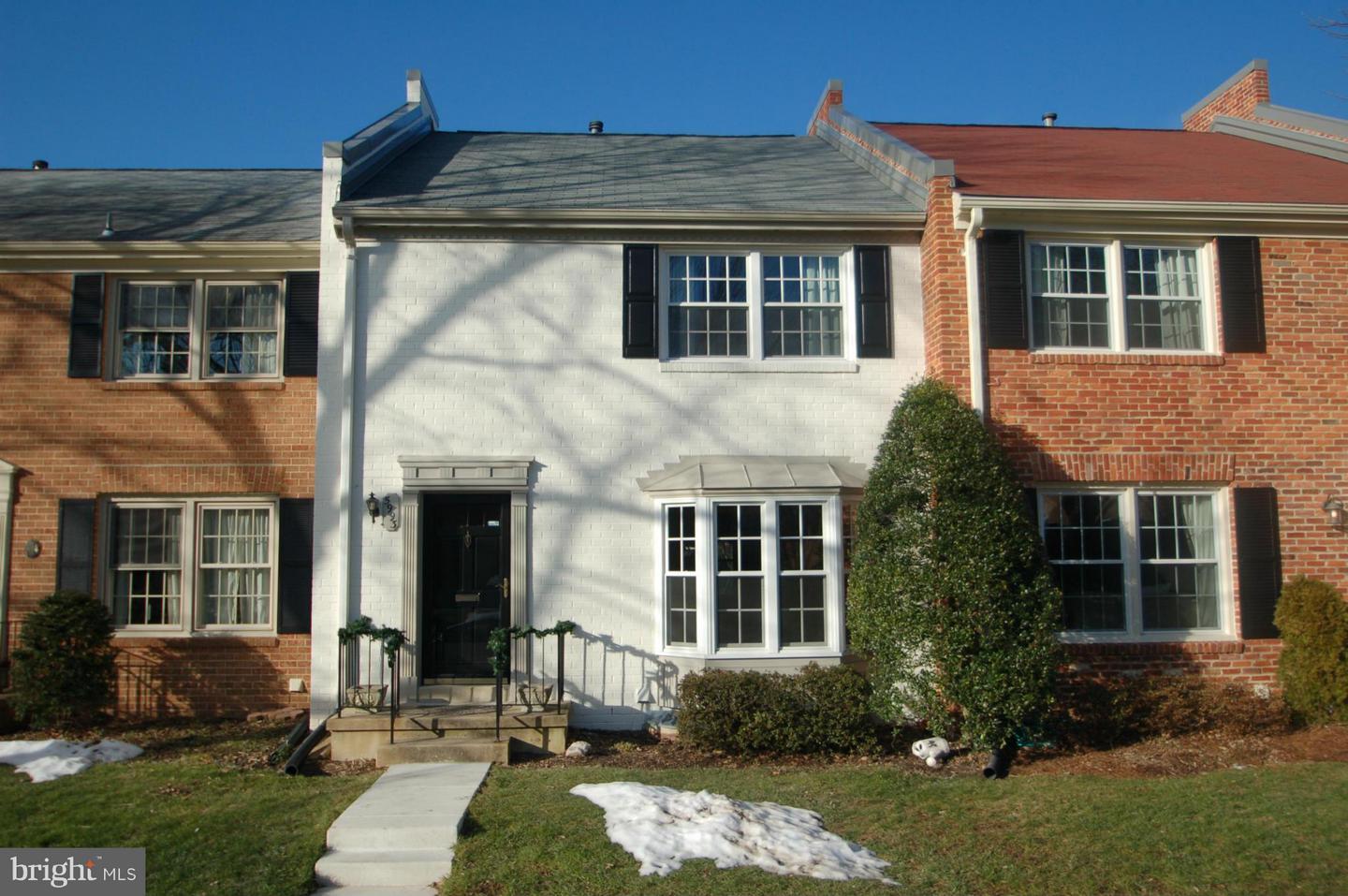
- 5993 Queenston Street — 2016, $407,000, three-bedroom townhouse
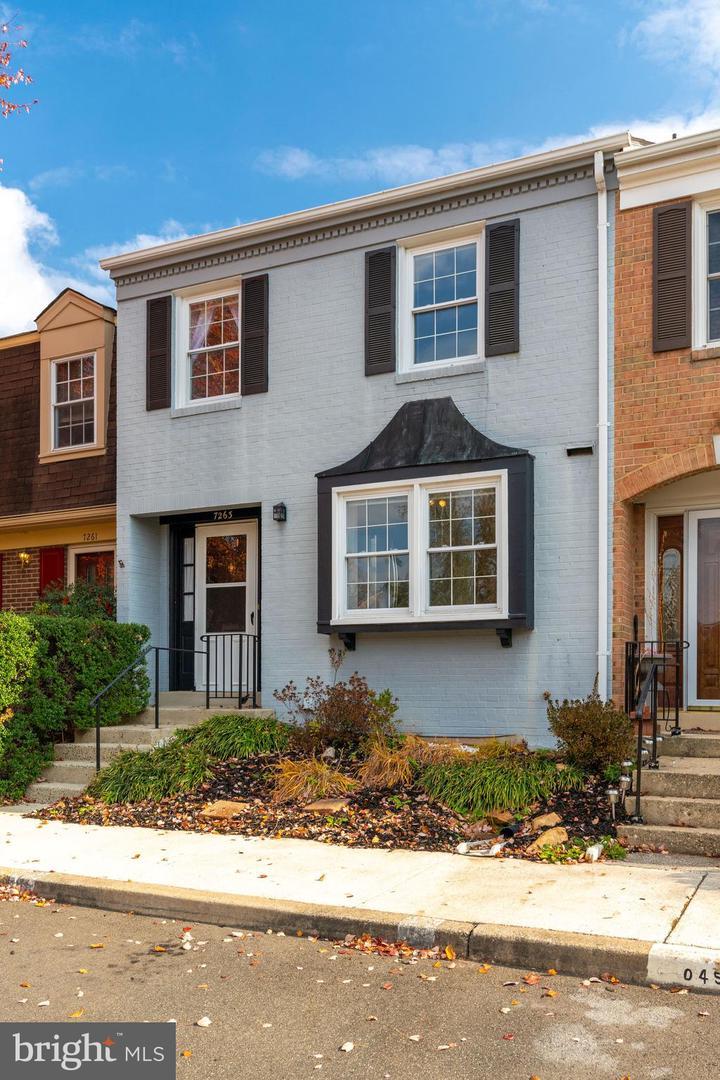
- 7263 Evanston Road — 2019, $399,999, three-bedroom townhouse
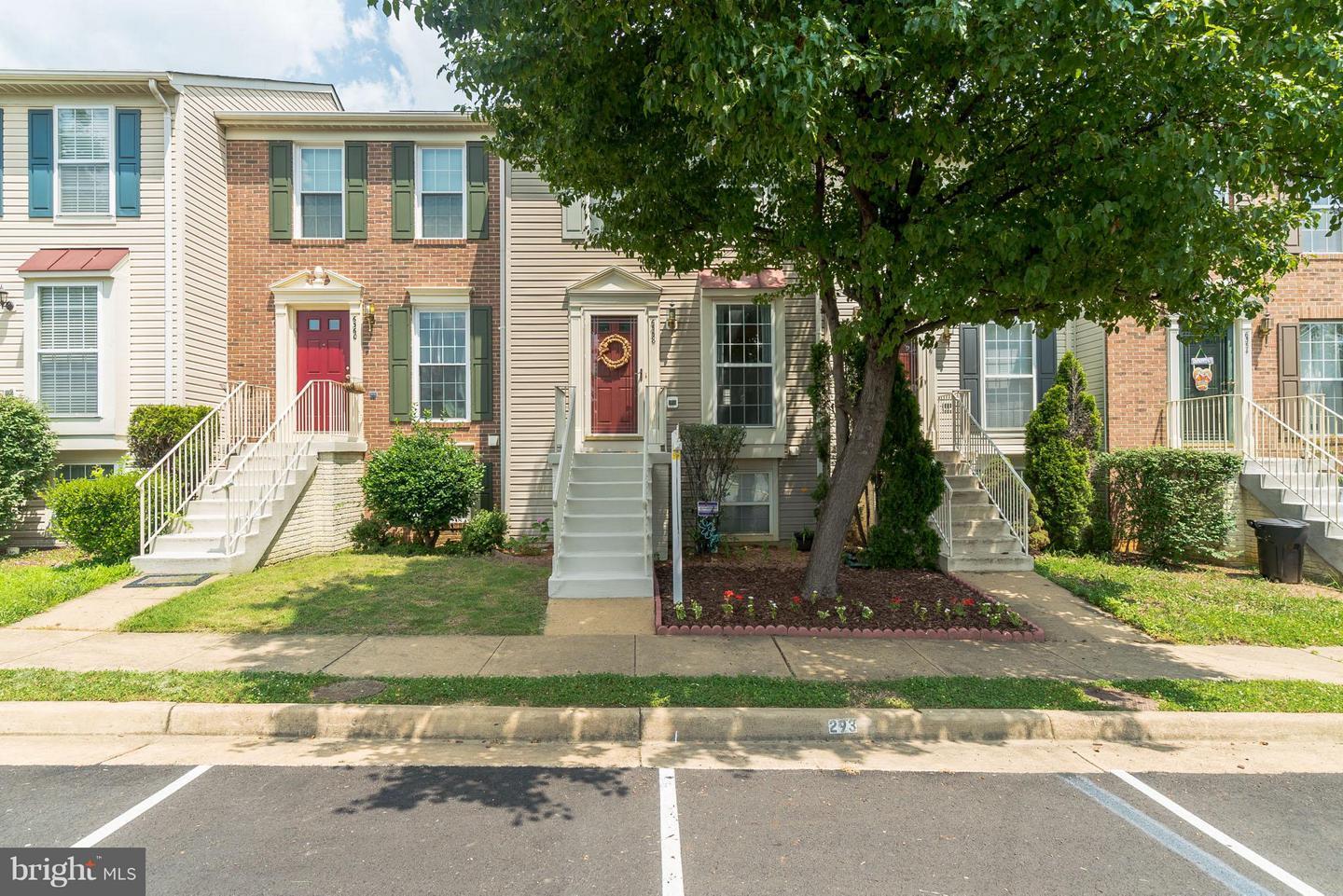
- 6358 Andrew Matthew Terrace — sold twice, in 2015 for $357,500 and again in 2018 for $397,500 (a clean illustration of how quickly Springfield townhouse pricing moved in the late 2010s)
- 8246 Crestmont Circle — 2020, $332,000, two-bedroom townhouse
Springfield townhouse buyers in 2026 are usually first-time buyers, downsizers, military households on a 2–3 year orders cycle, or investors. Each profile has a different timeline and a different willingness to pay for upgrades.
The Metro and Fort Belvoir buyer pools — what each one wants
Two of the largest buyer pools for Springfield real estate are Metro commuters (especially Pentagon, L’Enfant Plaza, Crystal City, and Mark Center workers using the Blue Line and VRE from Franconia-Springfield) and Fort Belvoir-adjacent military households. Understanding what each pool actually wants in a listing meaningfully changes how you should present your home.
Metro commuter buyers
This buyer’s top question is “how long is the door-to-desk commute, end to end?” Listing copy that names Franconia-Springfield Metro Station, the specific Blue Line travel time to relevant stops, and the option of VRE (Manassas Line) outperforms generic “close to Metro” copy by a wide margin. If your home is within walking distance to the Metro, lead with that explicitly — with the actual walking time. If it’s a 5–10 minute drive plus parking-lot or kiss-and-ride drop-off, say that, too. Specificity wins.
Fort Belvoir military households
Military buyers in Springfield are typically working off a relatively tight calendar — orders dates, BAH cap, household-goods shipment timing. They’re looking for homes that can close fast, that fit within BAH for their pay grade and dependent status, and that are in school pyramids that work for school-age children. My military PCS guide for Northern Virginia walks through that timeline in detail. As a Springfield seller, the practical implications are: be ready to accept VA financing without flinching, understand that VA appraisals run on their own schedule, and be open to flexible occupancy timing that aligns with the buyer’s orders date.
Pricing a Springfield home in 2026
Springfield’s pricing fundamentals in 2026 are a function of three factors: Metro distance, school pyramid, and product type. Two homes the same size and condition, one block apart, can price $40,000–$80,000 differently because of where the school boundary line falls or because one is technically “walking distance” to the Metro and the other is technically a 6-minute drive.
The right pricing approach is:
- Filter to the right ZIP code. 22150, 22151, 22152, and 22153 sell on different curves. Don’t average across them.
- Filter to your school pyramid. West Springfield HS, Lake Braddock SS, John Lewis HS (formerly Lee HS), Edison HS, and Robert E. Lee HS each pull different buyer subsets. Make sure your comp set is from your pyramid.
- Filter to product type. Detached single-family, attached townhouse, end-unit townhouse, and condo all price differently.
- Adjust for Metro proximity. Sub-15-minute walk to Franconia-Springfield Metro is a meaningful premium. So is 5-minute drive with reliable parking.
- Adjust for HOA dues and amenity package. Townhouse and condo communities have widely varying fee structures.
The Zestimate is again not a substitute for this work. My post on why Zestimates run cold in Northern Virginia walks through specific examples.
Townhouse vs. single-family in Springfield
Springfield’s housing stock splits roughly into three product types: single-family detached homes (typically 2,000–4,000 square feet), attached townhouses (typically 1,200–2,400 square feet), and condos (mostly clustered near Backlick Road and Springfield Town Center). Each sells differently.
Single-family selling strategy emphasizes lot, schools, commute, and mature-tree curb appeal. Photographing the yard well matters — Springfield SFH buyers are often coming out of townhouses where they couldn’t fit a swing set. Listing copy should name the specific elementary school assignment, the high school pyramid, and the actual end-to-end commute time to a named employer (Pentagon, Mark Center, Fort Belvoir, Tysons).
Townhouse selling strategy emphasizes Metro proximity, end-unit-vs-interior status, garage configuration, and HOA fee transparency. The HOA fee is the second-most-asked question after price for Springfield townhouse buyers; listing copy that buries it loses showings. End units sell faster and at a 4–7% premium — lead with that if applicable.
Condo selling strategy emphasizes price-per-square-foot relative to nearby townhouses (since the buyer is often choosing between a Springfield condo and a Springfield townhouse), VA-eligibility status of the condo association (which dramatically expands the military buyer pool), and any pending special assessments or major capital projects.
Timing the Springfield market — when to list
Springfield’s selling calendar follows the broader Fairfax County calendar with two specifically Springfield-shaped quirks:
Late February through May is the strongest window for both single-family and townhouse inventory. School-driven buyers are shopping aggressively, move-up families are coming off townhouse contracts, and the relocation calendar is at its most active.
May through August is unusually strong in Springfield specifically because of the Fort Belvoir orders cycle. Military households are on a tight timeline driven by orders dates, and they buy in volume across exactly the price points Springfield offers in depth ($350K–$750K). If your home is well-prepped and priced into BAH for common pay grades (E-7 through O-4 with dependents), this window is meaningfully better than it is in other parts of Fairfax County.
September through early November is a secondary spring — relocations tied to fiscal-year transitions in Federal employment, plus serious buyers who didn’t close in the spring. Lower volume, but typically more decisive buyers.
Mid-November through January is the slowest window. Listings sit longer, but inventory is also thin, so a well-priced home with strong digital marketing can still sell.
Springfield-specific prep that moves the needle
The pre-list checklist for a Springfield home depends heavily on which sub-market you’re in — the playbook for a 1970s North Springfield rambler is different from the playbook for a 2000s West Springfield colonial. The improvements that consistently pay off across Springfield:
- Address aging mechanicals proactively. Many Springfield homes are 30–60 years old. HVAC, water heaters, and electrical panels are often near or past their useful life. A buyer’s inspector will find it. Address it before listing or be prepared to credit it at closing — either way, it costs you. Proactive replacement is usually cheaper than negotiated credit because the buyer’s number always runs higher than the actual cost.
- Roof age documentation. Springfield roofs from the late 1990s and early 2000s are now 25+ years old. A roof age document (from a roofing company or home inspector) can preempt a major negotiation point. If the roof is past its life, a pre-list replacement often pays back at closing.
- Front-yard landscaping. Springfield’s mature-tree streetscapes are an asset. Trim back overgrown shrubs, mulch the beds, and pressure-wash the front walkway. Modest spend, real return on photos and first impressions.
- Townhouse end-unit photography. If you’re selling an end-unit Springfield townhouse, your listing photos need to show that explicitly. A wide-angle exterior shot from the street that captures the side wall and any side-yard outdoor space converts more than a tight front-only shot.
- HOA disclosure packet ordered early. Va. Code §55.1-1809 requires the seller to provide a Property Owners’ Association Disclosure Packet (or a Resale Certificate for condos under Va. Code §55.1-1990 et seq.). The packet triggers a three-day cancellation window for the buyer. Order it the day you list. Springfield HOA management companies have variable turnaround times — a delayed packet can extend your closing or hand a wavering buyer a reason to walk.
Common Springfield seller mistakes
Pricing against the wrong school pyramid. Springfield’s school boundaries don’t map cleanly to street names. Pulling Lake Braddock-pyramid comps for a John Lewis-pyramid home (or vice versa) produces a pricing number that’s materially off.
Underselling the Metro proximity. If your home is within walking distance to Franconia-Springfield Metro, that’s a six-figure feature in some sub-markets. Don’t bury it three lines into the listing description.
Listing without addressing the inspection items. Springfield inventory skews older. The buyer’s inspector will find HVAC, roof, and electrical issues you can largely predict in advance. A pre-list inspection (or at minimum a thorough walkthrough by your agent) lets you fix the small stuff before it becomes a negotiation lever.
Trusting the Zestimate. Zestimates run cold on Springfield homes more often than not, sometimes by $30,000 or more. I documented why here.
Ignoring the military buyer pool. If your home is between $350,000 and $750,000 in Springfield, military households on PCS orders are a meaningful share of your buyer pool. VA financing has specific appraisal and inspection considerations that, handled well, expand your buyer pool — and handled poorly, kill deals.
Frequently asked questions about selling a home in Springfield
How much is my Springfield home worth in 2026?
Springfield home values in 2026 vary widely by sub-market and product type. Townhouses typically range from the low $300s to the high $500s. Single-family homes range from the high $500s in North Springfield to over $900,000 in West Springfield, with the Lake Braddock pyramid corridor and the West Springfield HS pyramid commanding premium pricing. The most accurate way to get a current value is a sub-neighborhood-specific comp analysis. Call David at (571) 946-8418 for a free, no-obligation Comparative Market Analysis.
How long does it take to sell a home in Springfield?
In a typical 2026 spring market, a well-prepared and well-priced Springfield home usually goes under contract in 7–21 days, with closing 30–45 days after that. Townhouses near Franconia-Springfield Metro tend to move faster than equivalent inventory further from Metro. Homes that need significant cosmetic or systems work can sit 60+ days, which itself becomes a negative signal that compresses your eventual sale price.
Should I sell my Springfield home now or wait?
It depends on your sub-market and your situation. The West Springfield single-family market has been tight through 2024 and 2025, supporting strong pricing. Townhouse inventory near Metro has held up well. If you’re selling because of a life event — inheritance, divorce, downsizing, or relocation — the calendar is usually driven by your situation, and waiting often costs more than it saves. If you’re selling discretionarily, the late February through May window plus the May through August military-cycle window are the strongest in Springfield.
What’s the difference between Springfield and Burke for sellers?
Springfield and Burke share parts of their school pyramids (Lake Braddock SS in particular), and their boundaries blur where the Burke / Springfield Estates / West Springfield neighborhoods meet. The practical difference is that Burke’s pricing curve has been historically a touch stronger because of the lake amenity (Burke Lake) and the established Burke Centre / Lake Braddock community brand, while Springfield offers more depth of inventory at lower price points and stronger Metro / Fort Belvoir buyer demand. My Burke Centre seller’s guide is here.
How does VA financing affect my Springfield home sale?
A meaningful share of Springfield buyers, especially in the $350K–$750K range, use VA financing because of the Fort Belvoir / Pentagon / Mark Center concentration. VA loans have specific appraisal protocols and Minimum Property Requirements (MPRs) that civilian sellers sometimes don’t anticipate. Common sticking points: peeling paint on pre-1978 homes (lead paint disclosure), missing handrails on stairs, exposed wiring, and roof life expectancy. Address these before listing and you expand your buyer pool meaningfully.
Do I need to make repairs before listing my Springfield home?
Cosmetic improvements (paint, hardware, landscaping) almost always pay off in Springfield. Major systems repairs (roof, HVAC, electrical) sometimes pay off and sometimes don’t — the right answer depends on your home’s age, the comp set, and how aggressively buyers in your sub-market are negotiating right now. Springfield’s older inventory means systems issues come up more often than in newer markets. A pre-list walkthrough with an experienced Springfield agent will give you the specific answer for your home.
What HOA disclosures does a Springfield seller need to provide?
Most Springfield townhouse and some single-family communities are governed by a Property Owners’ Association, which means the seller must provide a POA Disclosure Packet under Va. Code §55.1-1809. Springfield condo sellers must provide a Resale Certificate under Va. Code §55.1-1990 et seq. Both packets trigger a three-day cancellation window for the buyer. Order the packet the day you list — turnaround can take 1–2 weeks and a delayed packet can push your closing date.
Can I sell my Springfield home if it’s held in a trust or part of an estate?
Yes. Trust-held and probate sales are routine in Springfield. The mechanics differ depending on whether the home is held in a revocable living trust (where the successor trustee has authority to sell under Va. Code §64.2-778) or whether it’s subject to probate administration. I have separate guides on selling a trust-held home in Virginia and the difference between a trust sale and a probate sale.
Talk to David about your Springfield home
If you’re thinking about selling a home in Springfield — whether it’s a West Springfield single-family, a Saratoga move-up, a townhouse near the Franconia-Springfield Metro, or an investor-owned rental — David can give you a clear, sub-market-specific read on what your home is worth in today’s market and what the right listing strategy looks like for your situation. No pressure, no obligation, just an honest conversation.
Call David Mount: (571) 946-8418
Email: david.mount@thereduxgroup.com

About David Mount, REALTOR®
The Redux Group of eXp Realty | Fairfax, VA | Serving Fairfax, Loudoun, Arlington, Prince William, Alexandria & Falls Church
David grew up in Burke, Virginia and graduated from Lake Braddock Secondary School. He has 12+ years of full-time experience and 200+ transactions in Northern Virginia residential seller representation, with a particular focus on life-transition sales — inherited property, divorce, downsizing, military relocation, and out-of-state moves — and is well-versed in the procedures that govern Virginia probate and trust-held home sales under Title 64.2 of the Code of Virginia (Wills, Trusts & Fiduciaries).
Credentials & recognition: NVAR Top Producers Club Platinum Member (2024 and 2025) · 100+ five-star verified client reviews · FastExpert 5-Star Agent · Zillow Premier Agent · The Redux Group, eXp Realty’s largest team in Northern Virginia.
Contact David: (571) 946-8418 · david.mount@thereduxgroup.com
Related seller resources
- Best neighborhoods to sell in Fairfax, VA
- Selling a home in Burke Centre, VA
- Selling a home in Lake Braddock, Burke VA
- Selling a home in Mantua, Fairfax, VA
- Military PCS relocation guide for Northern Virginia
- Why the Zillow Zestimate is wrong on Northern Virginia homes
- Selling an inherited property in Northern Virginia