


Latest News
Keep on top with latest and exclusive updates from our blog on the Northern Virginia real estate world. David Mount posts about tips and trends for buyers, sellers, and investors every week. Whether it be about staging your property or a snapshot of the market, this is your one stop shop.
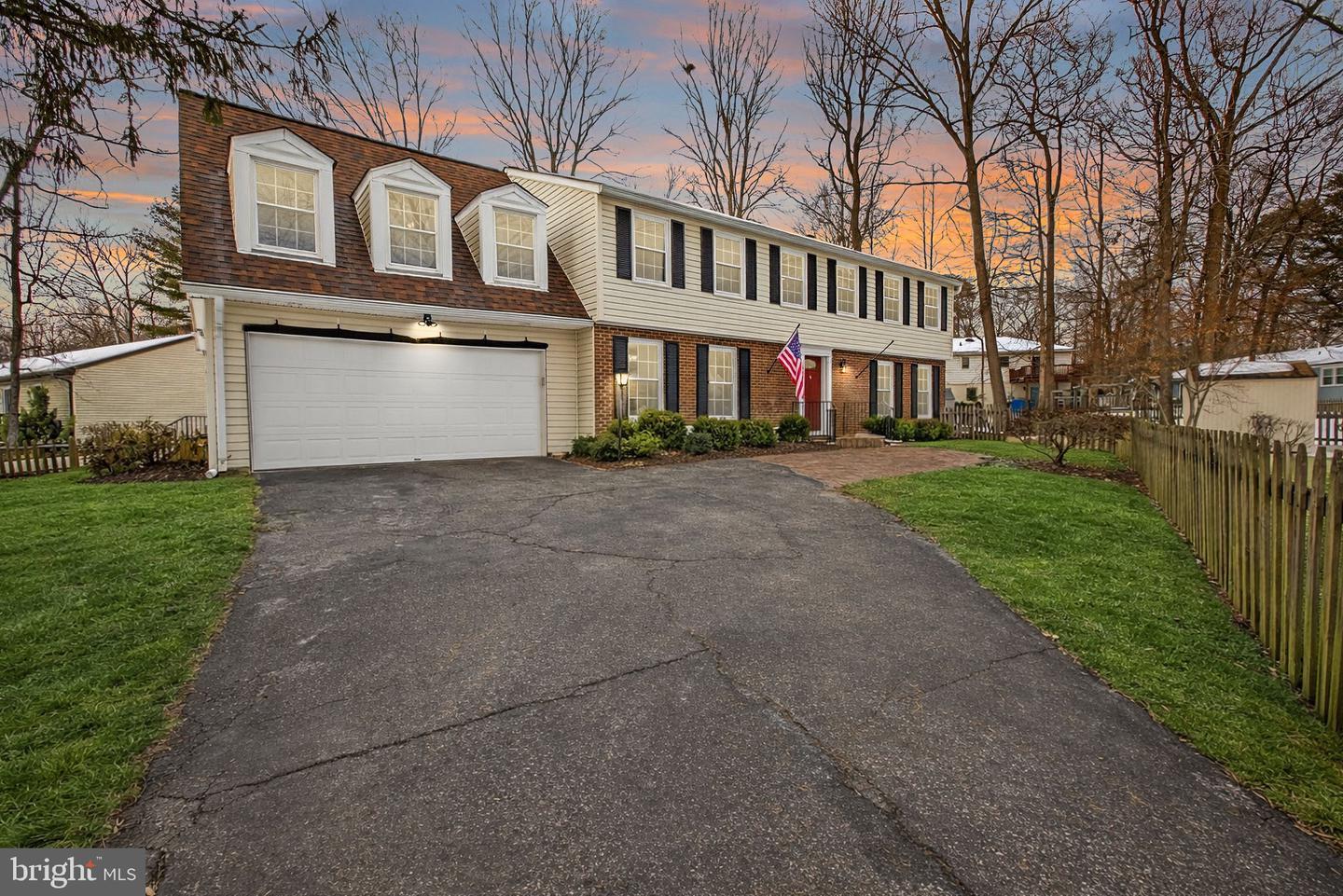
Country Club Lake is one of the named sections inside Montclair, the roughly 3,800-home lake community in Dumfries, Prince William County. This guide covers what makes a Country Club Lake or Montclair sale different from a generic Prince William listing, what the numbers look like in 2026, and how my most recent listing here went from a Coming Soon sign to a $720,000 closing. Why I Know This Community: A 2026 Listing With 16 Million Views Most agents who write about Montclair learned it from a comparable sales report. I learned Country Club Lake by listing and selling a home here in 2026, and by building a marketing campaign around it that reached more people than any listing I have ever represented. That sale is the centerpiece of this guide, because it shows exactly what a Montclair home can do when the preparation, pricing, and marketing are handled with intent. The Country Club Lake sale: $720,000, under contract in 30 days, no inspection repairs In 2026 Greg Lotz and his family asked me to list their home in the Country Club Lake section of Montclair as they prepared to move back home to Utah after a military career. The house was a 5-bedroom, 4-bath, 3,000-plus square foot single-family home with one feature no comparable sale could offer: a real secret passageway. My team made that passageway the centerpiece of a short-form video campaign on TikTok and Instagram. The videos drew more than 16 million views, which turned a Dumfries listing into a home that buyers across the region had already heard about before they ever searched for it. That attention translated into showings, and the showings translated into a contract after 30 days on market. The home closed at $720,000 with a $25,000 seller subsidy toward the buyer's costs, and the sellers were not asked to make a single repair after the buyer's home inspection: a clean result for a family that needed a clean break to start their next chapter. Greg's review says what mattered most to his family: I was "completely honest, forthright, and straightforward with us." Military families have usually bought and sold several times, and what they want from a listing agent is the truth about price and timing, followed by execution. The Lotz family's Country Club Lake home, sold in 2026 for $720,000. Five bedrooms, four baths, and a secret passageway that 16 million people watched. About Country Club Lake and Montclair Montclair is a planned community of roughly 3,800 homes built around Lake Montclair, a lake created by damming Powell's Creek that reaches about 25 feet deep off Dolphin Beach. Residents have access to three beaches (Beaver Landing, Dolphin Beach, and West Beach), fishing piers, a boat ramp at West Beach, and a set of residents-only parks and recreation areas including Southlake Recreation Center, Anne Moncure Wall Park, Hockersmith Park, and the Kids' Dominion playground. The Montclair Country Club, a private golf course, winds through the community, and its fairways and creeks are what give Country Club Lake its name and its lot character. Country Club Lake sits on the golf course side of the community. Homes here are predominantly larger single-family colonials from the 1980s and 1990s, many on lots that back to fairways, tree buffers, or water. That combination of lot privacy and community amenities is the reason Country Club Lake homes tend to trade at the upper end of Montclair pricing rather than the middle. The Montclair Property Owners Association and What It Means for Your Sale Every home in Montclair is governed by the Montclair Property Owners Association (MPOA), which maintains the lake, beaches, parks, and common areas and issues the recreation passes residents use to access them. Some sections, including parts of the Country Club Lake area, also fall under a sub-association with its own rules and dues on top of the MPOA assessment. For a seller, two things follow from that. First, buyers will price in the annual assessment, so it helps to have the current MPOA figure and any sub-association dues ready before the first showing. Second, Virginia's Property Owners' Association Act (Va. Code § 55.1-1808 and following) requires you to deliver an association disclosure packet to the buyer, and the buyer has a three-day right to cancel after receiving it. MPOA disclosure packets are ordered through the association's management company and can take up to 14 days, so I order them the day we agree to list, not the day we go under contract. 2026 Country Club Lake and Montclair Market Snapshot Redfin's July 2026 data puts the Montclair median sale price at about $633,683, up 1.8 percent year over year, with roughly 37 homes listed for sale across the community at any given time. That median blends townhouses, smaller detached homes, and the 55-plus Four Seasons section. Larger single-family homes on the Country Club Lake side sell above that median, and the $720,000 result on the Lotz sale is a realistic marker for a well-presented 5-bedroom home here in 2026. What moves the needle in Montclair is the buyer pool: Quantico Marine Corps Base, Fort Belvoir, and the I-95 and Route 234 commuter corridors keep a steady flow of military and federal buyers who know the community by reputation and often shop on a PCS timeline. Those buyers reward homes that are ready on day one and punish homes that need work, because they do not have time to manage a renovation between orders and a report date. Pricing Strategy: Do Not Comp Against All of Montclair The most common mistake I see in Montclair listings is pricing a Country Club Lake home against the whole community's median. A golf-course-side colonial with a private lot and a finished lower level is not the same product as an interior-lot home near the entrance, and the buyers who want the first will pay for it. I price from Country Club Lake and comparable golf-course-adjacent sales first, then check that number against the broader Montclair market for sanity. On the Lotz sale, that discipline is what let us hold the price through inspection with no repair requests. Country Club Lake Pre-Listing Checklist Order the MPOA disclosure packet (and any sub-association packet) the day you decide to list. Confirm the current annual assessment and what it covers so the number is accurate in the listing. Address roof, HVAC, and water-intrusion items before photos. PCS buyers will not take on deferred maintenance. Stage or declutter the main living areas and the primary suite; larger homes here sell on how spacious they feel in video. Photograph the lot. Fairway, water, and tree-buffer views are the Country Club Lake premium, and they need to be visible in the first five photos. Plan the launch: Coming Soon exposure to the agent community and my buyer network before the public date, then a first-weekend showing block. If the home has a story, tell it. A secret passageway earned 16 million views. Your home's story does not need to be that unusual to be worth telling. Frequently Asked Questions Is Country Club Lake the same as Montclair? Country Club Lake is a section within Montclair, the larger planned lake community in Dumfries. Homes in Country Club Lake belong to the Montclair Property Owners Association and use the same lake, beaches, and parks, while sitting on the golf course side of the community. How long does it take to sell a home in Country Club Lake? It depends on preparation and pricing. My 2026 Country Club Lake listing went under contract after 30 days on market and closed at $720,000, with a $25,000 seller subsidy and no inspection repairs, after a marketing campaign that drew more than 16 million views. Do I need an HOA disclosure packet to sell in Montclair? Yes. Virginia's Property Owners' Association Act requires the seller to provide an association disclosure packet, and the buyer may cancel within three days of receiving it. Order it from the MPOA's management company as soon as you decide to list, because it can take up to 14 days. Who buys homes in Montclair? A large share of Montclair buyers are military and federal families tied to Quantico, Fort Belvoir, and the I-95 corridor, along with move-up buyers from closer-in Prince William and Fairfax County looking for a larger home with lake and golf amenities. Have you actually sold a home in Country Club Lake? Yes. I was the listing agent on the 2026 sale of Greg Lotz's 5-bedroom, 4-bath home in Country Club Lake, which closed at $720,000. His five-star review is on Google. Get a Country Club Lake Specific CMA If you are considering selling in Country Club Lake or anywhere in Montclair, the first step is a community-specific comparative market analysis informed by my 2026 Country Club Lake closing, not a generic Dumfries valuation. I provide written CMAs at no cost or obligation. Call (571) 946-8418 or email david.mount@thereduxgroup.com. Related Resources Selling Your Home in Prince William County: 2026 Guide Selling a Prince William County Home to Retire or Relocate Military and PCS Sellers in Northern Virginia Selling Your Northern Virginia Home to Retire {"@context":"https://schema.org","@type":"FAQPage","mainEntity":[{"@type":"Question","name":"Is Country Club Lake the same as Montclair?","acceptedAnswer":{"@type":"Answer","text":"Country Club Lake is a section within Montclair, the larger planned lake community in Dumfries, VA. Homes in Country Club Lake belong to the Montclair Property Owners Association and use the same lake, beaches, and parks, while sitting on the golf course side of the community."}},{"@type":"Question","name":"How long does it take to sell a home in Country Club Lake?","acceptedAnswer":{"@type":"Answer","text":"It depends on preparation and pricing. David Mount's 2026 Country Club Lake listing went under contract after 30 days on market and closed at $720,000, with a $25,000 seller subsidy and no inspection repairs, after a marketing campaign that drew more than 16 million views."}},{"@type":"Question","name":"Do I need an HOA disclosure packet to sell in Montclair?","acceptedAnswer":{"@type":"Answer","text":"Yes. Virginia's Property Owners' Association Act requires the seller to provide an association disclosure packet, and the buyer may cancel within three days of receiving it. Order it from the MPOA's management company as soon as you decide to list, because it can take up to 14 days."}},{"@type":"Question","name":"Who buys homes in Montclair?","acceptedAnswer":{"@type":"Answer","text":"A large share of Montclair buyers are military and federal families tied to Quantico, Fort Belvoir, and the I-95 corridor, along with move-up buyers from closer-in Prince William and Fairfax County looking for a larger home with lake and golf amenities."}},{"@type":"Question","name":"Have you actually sold a home in Country Club Lake?","acceptedAnswer":{"@type":"Answer","text":"Yes. David Mount was the listing agent on the 2026 sale of a 5-bedroom, 4-bath home in Country Club Lake, Montclair, which closed at $720,000. The seller's five-star review is on Google."}}]}
Read more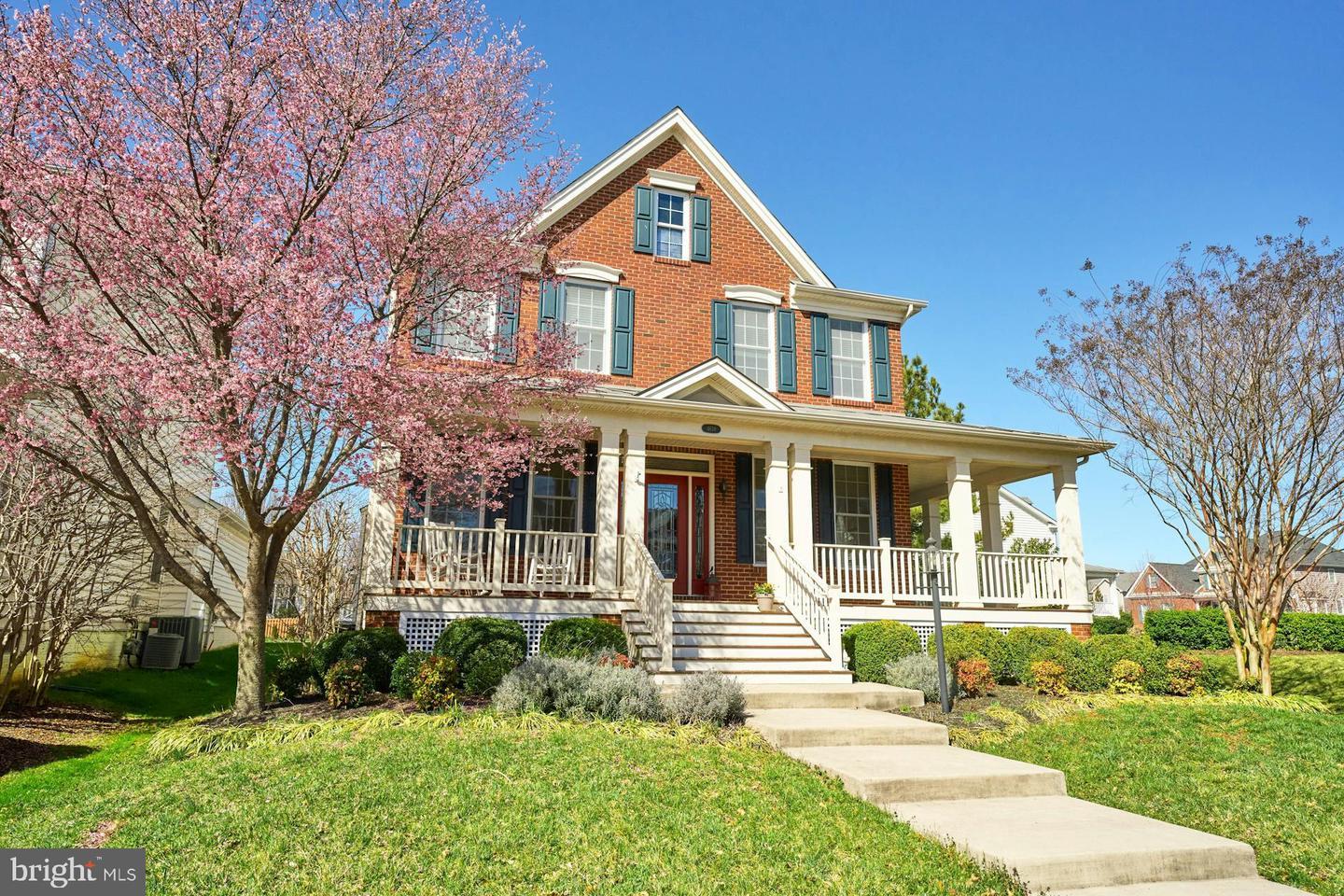
POST 3: Buying a Home in Prince William County, VA in 2026: What Your Budget Gets You Why Prince William County Is Northern Virginia's Value Play in 2026 Prince William County is where Northern Virginia buyers get a single-family home with a yard for the price of a Fairfax County townhome. It stretches from Woodbridge and Dale City along I-95 in the east to Manassas, Bristow, Gainesville, and Haymarket along I-66 in the west, with Quantico and Fort Belvoir driving steady military demand and the VRE serving both corridors. As of July 2026, the county median sale price was about $597,000, up slightly from a year earlier, with homes taking about 36 days to sell and more than a third closing above list price. That last number is the one buyers underestimate: Prince William is affordable, but it is not slow. Updated homes in the right neighborhoods still draw multiple offers. I have closed in Markhams Grant, Port Potomac, Dale City, Potomac Shores, Manassas City, and Dominion Valley Country Club in Haymarket, and I have helped first-time and military buyers across the county. What $400K to $550K Gets You in Prince William County This is the county's entry point and one of the last places in Northern Virginia where a first-time buyer can get a townhome, or an older detached home, under $550,000. Expect townhomes in Dale City, Woodbridge, Lake Ridge, and Manassas, plus older split-levels and ramblers in Dale City and Manassas Park that reward a buyer willing to update. A real sale at this tier. In 2022 I listed a Dale City home at $515,000; it drew four offers in four days and closed at $530,000. That tells you demand is real at these price points, and it tells you how to compete if you are buying. What $550K to $750K Gets You in Prince William County The county's median sits at the bottom of this range, and this is where most Prince William purchases happen. Expect newer townhomes and smaller single-family homes in Bristow, Gainesville, and Woodbridge's Port Potomac and Potomac Shores communities, colonials in Lake Ridge and Montclair, and newer construction in Manassas City. Real purchases at this tier. In 2024 I helped a first-time buyer win a home in Markhams Grant against multiple offers. In 2026 I helped first-time veteran buyers purchase new construction in Manassas City with a VA loan at zero percent down, negotiating a $20,000 seller credit in the process. And in 2026 I helped a first-time buyer couple relocating from California purchase in Potomac Shores. Three different buyers, three different tools, one county. What $750K to $1M+ Gets You in Prince William County This is Prince William's move-up and luxury tier: larger single-family homes in Bristow's Braemar and Victory Lakes, golf-course communities like Dominion Valley Country Club and Piedmont in Haymarket, Heritage Hunt for 55-plus buyers, and newer estate-style homes around Gainesville. Above $900,000 you are buying square footage and lot size that would cost $1.5 million in Fairfax County. A move-up purchase at this tier. In 2024 I sold my clients' Brambleton townhouse in Loudoun and helped them win a single-family home in Dominion Valley Country Club against multiple offers, closing at $857,000 on an $820,000 list. Read the full story on my move-up buyer guide. Key Factors for Prince William County Buyers in 2026 East vs West Eastern Prince William (Woodbridge, Dale City, Lake Ridge, Dumfries) is closer to Fort Belvoir, Quantico, and I-95, with older housing stock and lower prices. Western Prince William (Manassas, Bristow, Gainesville, Haymarket) is newer, more expensive, and oriented to I-66 and the Route 28 corridor. Decide by commute first. Military Demand Quantico and Fort Belvoir keep a steady stream of VA-loan buyers in the county, which means VA offers are normal here and sellers know how they work. As a Military Relocation Professional and Veterans United preferred agent, I have closed VA purchases across the county, including the 2026 Manassas City new-construction purchase with a $20,000 seller credit. New Construction Prince William still has active new-home communities in Manassas City, Bristow, Gainesville, and Potomac Shores. Builder incentives can be significant in 2026, but the builder's contract is written for the builder. Bring your own agent. Commute Reality The VRE Manassas and Fredericksburg lines and the I-95 and I-66 express lanes make Prince William workable for Pentagon, Crystal City, and DC commuters, but drive times vary enormously by neighborhood. Test your commute before you write an offer. Frequently Asked Questions About Buying in Prince William County, VA Is Prince William County, VA a good place to buy a home in 2026? Yes, particularly for buyers who want a single-family home with a yard at a Fairfax County townhome price, and for military families near Quantico and Fort Belvoir. As of July 2026 the county median was about $597,000 and still edging up, with more than a third of homes selling above list, so it is affordable but not slow. How much do homes cost in Prince William County, VA? As of July 2026 the county median sale price was about $597,000. Townhomes and older detached homes in Dale City, Woodbridge, and Manassas run roughly $400,000 to $550,000; newer townhomes and mid-size single-family homes in Bristow, Gainesville, Lake Ridge, and Potomac Shores run roughly $550,000 to $750,000; larger homes in Braemar, Dominion Valley, and Heritage Hunt run $750,000 to $1 million and higher. Where do first-time buyers get the most home in Prince William County? Dale City, Woodbridge, Lake Ridge, and Manassas for the lowest entry prices; Markhams Grant, Potomac Shores, and Manassas City for newer homes with first-time budgets. David has helped first-time buyers win in Markhams Grant (2024), Manassas City (2026, VA loan with a $20,000 seller credit), and Potomac Shores (2026). How competitive is the Prince William County housing market? More competitive than its price suggests. In July 2026 more than a third of homes sold above list price, and David's 2022 Dale City listing drew four offers in four days and sold $15,000 over list. Updated homes in Bristow, Gainesville, and the Woodbridge waterfront communities still see multiple offers in the first week. About David Mount, Prince William County, VA Real Estate Agent David Mount is a REALTOR® with The Redux Group at eXp Realty, a Certified Probate Real Estate Specialist, and a Military Relocation Professional with more than 12 years and $130 million in Northern Virginia sales, including closings in Markhams Grant, Port Potomac, Dale City, Potomac Shores, Manassas City, and Dominion Valley Country Club. Read his Prince William County home buyer guide and First-Time Home Buyer Guide to Prince William County. {"@context": "https://schema.org", "@type": "FAQPage", "mainEntity": [{"@type": "Question", "name": "Is Prince William County, VA a good place to buy a home in 2026?", "acceptedAnswer": {"@type": "Answer", "text": "Yes, particularly for buyers who want a single-family home with a yard at a Fairfax County townhome price, and for military families near Quantico and Fort Belvoir. As of July 2026 the county median was about $597,000 and still edging up, with more than a third of homes selling above list, so it is affordable but not slow."}}, {"@type": "Question", "name": "How much do homes cost in Prince William County, VA?", "acceptedAnswer": {"@type": "Answer", "text": "As of July 2026 the county median sale price was about $597,000. Townhomes and older detached homes in Dale City, Woodbridge, and Manassas run roughly $400,000 to $550,000; newer townhomes and mid-size single-family homes in Bristow, Gainesville, Lake Ridge, and Potomac Shores run roughly $550,000 to $750,000; larger homes in Braemar, Dominion Valley, and Heritage Hunt run $750,000 to $1 million and higher."}}, {"@type": "Question", "name": "Where do first-time buyers get the most home in Prince William County?", "acceptedAnswer": {"@type": "Answer", "text": "Dale City, Woodbridge, Lake Ridge, and Manassas for the lowest entry prices; Markhams Grant, Potomac Shores, and Manassas City for newer homes with first-time budgets. David has helped first-time buyers win in Markhams Grant (2024), Manassas City (2026, VA loan with a $20,000 seller credit), and Potomac Shores (2026)."}}, {"@type": "Question", "name": "How competitive is the Prince William County housing market?", "acceptedAnswer": {"@type": "Answer", "text": "More competitive than its price suggests. In July 2026 more than a third of homes sold above list price, and David's 2022 Dale City listing drew four offers in four days and sold $15,000 over list. Updated homes in Bristow, Gainesville, and the Woodbridge waterfront communities still see multiple offers in the first week."}}]}
Read more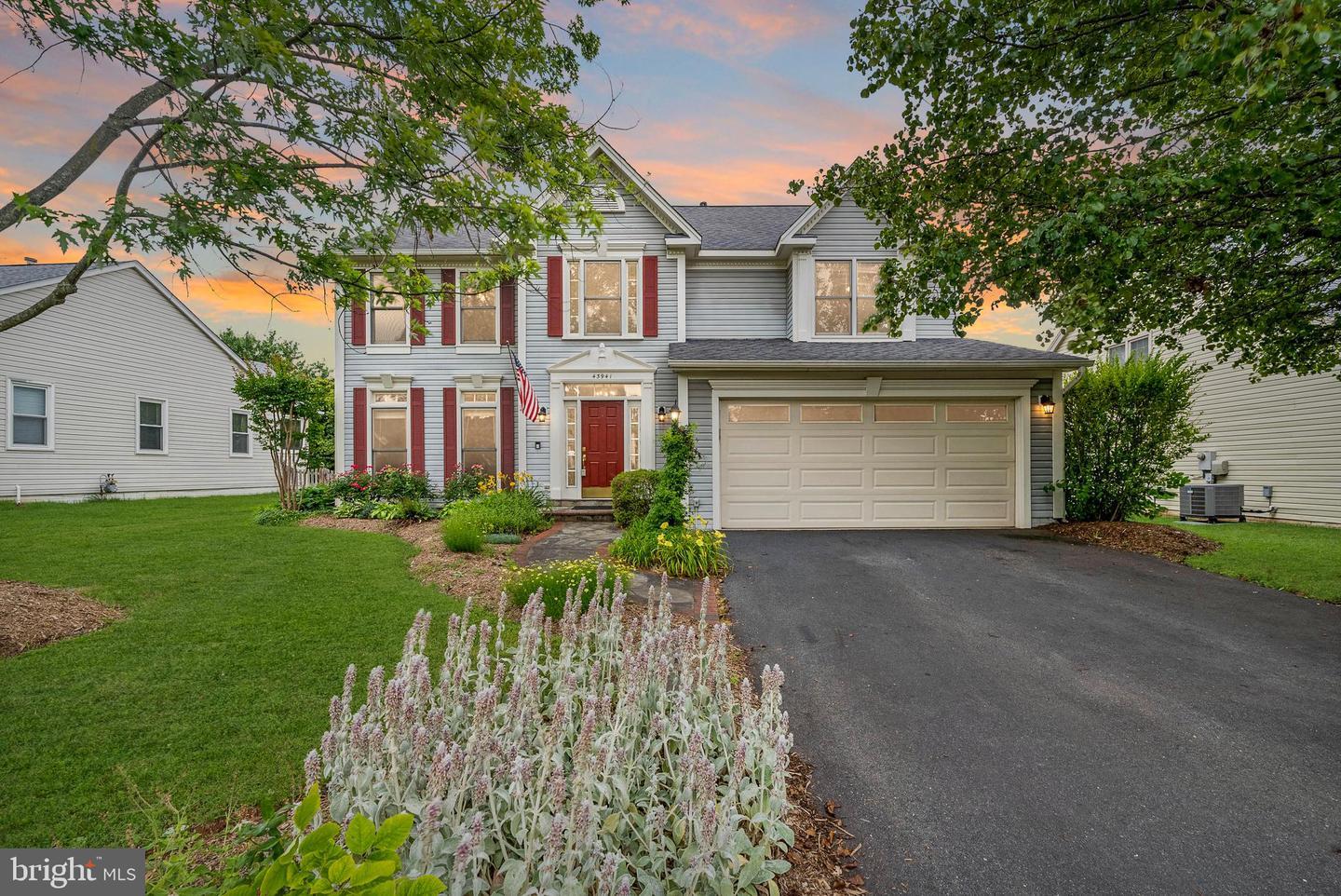
POST 2: Buying a Home in Loudoun County, VA in 2026: What Your Budget Gets You Why Loudoun County Keeps Winning Buyers in 2026 Loudoun County is where Northern Virginia buyers go when they want newer construction, top-rated schools, and more square footage than Fairfax County offers at the same price. The Silver Line's extension to Ashburn and Dulles Airport, the data center economy, and steady job growth along the Route 28 and Route 7 corridors have kept demand strong even as other Northern Virginia markets cooled. As of July 2026, the Loudoun County median sale price was about $807,000, up more than 6 percent from a year earlier, with homes taking about 38 days to sell and more than a third of them closing above list price. That is a different market from the county side of Fairfax: prices still rising, and the best homes still competitive. I have sold in Ashburn Village, Broadlands, Metro Walk at Moorefield Station, Providence Village in Sterling, and Main Street Village in Purcellville, and I have helped first-time buyers purchase in Sterling and Purcellville. What $450K to $650K Gets You in Loudoun County This is Loudoun's entry point: townhomes and condos in Sterling, older townhome sections of Ashburn Village and Ashburn Farm, and condos in the Metro-adjacent communities near Moorefield Station and Loudoun Station. Sterling townhomes are the classic first purchase here, and they move quickly. A first purchase at this tier. Daniel bought his first home, a Sterling townhouse, with me in 2016, and what he called out afterward was availability: questions answered the same day, concerns handled before they became problems. What $650K to $900K Gets You in Loudoun County The heart of the Loudoun market and the county's current median. This buys a newer townhome in Brambleton or Broadlands, a well-kept single-family home in Ashburn Village, Cascades, or Sterling Park, or a colonial in Leesburg's established neighborhoods. Farther west, Purcellville and Lovettsville offer detached homes on larger lots at the lower end of this range. Real Loudoun closings at this tier. In 2022 I sold a single-family home in Ashburn Village for $721,000, $21,000 over asking in five days. In 2024 I sold a townhome-style home at Metro Walk at Moorefield Station for $740,000. And in 2024 I sold my clients' Brambleton townhouse so they could move up to a single-family home in Haymarket. Each of those tells you what the market actually pays, not what a listing hopes for. What $900K to $1.3M+ Gets You in Loudoun County Now you are in Loudoun's single-family sweet spot: newer detached homes in Brambleton, Broadlands, and Willowsford, estate-style homes in Lansdowne and River Creek, and larger homes on acreage around Purcellville, Aldie, and Middleburg. At the top of the range, Loudoun offers something Fairfax County rarely does: a new or nearly new 4,000-square-foot home with a real lot. Above $1.3 million the market becomes very property-specific, and pricing unique homes correctly matters more than anything. Key Factors for Loudoun County Buyers in 2026 Silver Line and the Commute Ashburn's Silver Line stations (Ashburn, Loudoun Gateway) changed the math for east-county buyers. Homes near Moorefield Station and Loudoun Station trade at a premium. West of Route 15, plan on driving. New Construction vs Resale Loudoun still has active new-construction communities, especially in Aldie, Brambleton, and along the Route 50 corridor. New homes carry builder incentives; resales carry established landscaping, finished basements, and lower HOA surprises. I represent buyers in both, including on builder contracts, where an agent on your side matters. Prices Still Rising Unlike the Fairfax County side of Northern Virginia in 2026, Loudoun's median rose more than 6 percent year over year, and 36 percent of homes sold above list. Waiting has not been rewarded here. First-Time Buyer Assistance Loudoun County's Down Payment and Closing Cost program can lend up to 10 percent of the price or $70,000, forgiven over 15 years, for qualified buyers, on top of Virginia Housing's statewide programs. See my First-Time Home Buyer Guide to Loudoun County. Frequently Asked Questions About Buying in Loudoun County, VA Is Loudoun County, VA a good place to buy a home in 2026? Yes. Loudoun combines newer housing stock, top-rated schools, the Silver Line, and a growing job base, and as of July 2026 its median sale price was still rising, up more than 6 percent year over year to about $807,000. Buyers get more square footage per dollar than in Fairfax County, at the cost of a longer commute for anyone working inside the Beltway. How much do homes cost in Loudoun County, VA? As of July 2026 the county median was about $807,000. Townhomes and condos in Sterling and older Ashburn run roughly $450,000 to $650,000; newer townhomes and established single-family homes in Ashburn, Leesburg, and Sterling run roughly $650,000 to $900,000; newer detached homes in Brambleton, Broadlands, and Willowsford and homes on acreage in western Loudoun run $900,000 to $1.3 million and higher. Where do first-time buyers get the most home in Loudoun County? Sterling townhomes, the older sections of Ashburn Village and Ashburn Farm, and Purcellville. David helped first-time buyers purchase in Sterling (2016) and Purcellville, and both left five-star reviews. How competitive is the Loudoun County housing market? More competitive than most of Northern Virginia in 2026: more than a third of homes sold above list price in July 2026, and updated homes in Ashburn, Brambleton, and Broadlands still draw multiple offers in the first week. David's 2022 Ashburn Village listing sold $21,000 over asking in five days. About David Mount, Loudoun County, VA Real Estate Agent David Mount is a REALTOR® with The Redux Group at eXp Realty, a Certified Probate Real Estate Specialist, and a Military Relocation Professional with more than 12 years and $130 million in Northern Virginia sales, including closings in Ashburn Village, Broadlands, Metro Walk at Moorefield Station, Providence Village, and Main Street Village. Read his Loudoun County home buyer guide, his First-Time Home Buyer Guide to Loudoun County, or his Loudoun County seller guide. {"@context": "https://schema.org", "@type": "FAQPage", "mainEntity": [{"@type": "Question", "name": "Is Loudoun County, VA a good place to buy a home in 2026?", "acceptedAnswer": {"@type": "Answer", "text": "Yes. Loudoun combines newer housing stock, top-rated schools, the Silver Line, and a growing job base, and as of July 2026 its median sale price was still rising, up more than 6 percent year over year to about $807,000. Buyers get more square footage per dollar than in Fairfax County, at the cost of a longer commute for anyone working inside the Beltway."}}, {"@type": "Question", "name": "How much do homes cost in Loudoun County, VA?", "acceptedAnswer": {"@type": "Answer", "text": "As of July 2026 the county median was about $807,000. Townhomes and condos in Sterling and older Ashburn run roughly $450,000 to $650,000; newer townhomes and established single-family homes in Ashburn, Leesburg, and Sterling run roughly $650,000 to $900,000; newer detached homes in Brambleton, Broadlands, and Willowsford and homes on acreage in western Loudoun run $900,000 to $1.3 million and higher."}}, {"@type": "Question", "name": "Where do first-time buyers get the most home in Loudoun County?", "acceptedAnswer": {"@type": "Answer", "text": "Sterling townhomes, the older sections of Ashburn Village and Ashburn Farm, and Purcellville. David helped first-time buyers purchase in Sterling (2016) and Purcellville, and both left five-star reviews."}}, {"@type": "Question", "name": "How competitive is the Loudoun County housing market?", "acceptedAnswer": {"@type": "Answer", "text": "More competitive than most of Northern Virginia in 2026: more than a third of homes sold above list price in July 2026, and updated homes in Ashburn, Brambleton, and Broadlands still draw multiple offers in the first week. David's 2022 Ashburn Village listing sold $21,000 over asking in five days."}}]}
Read more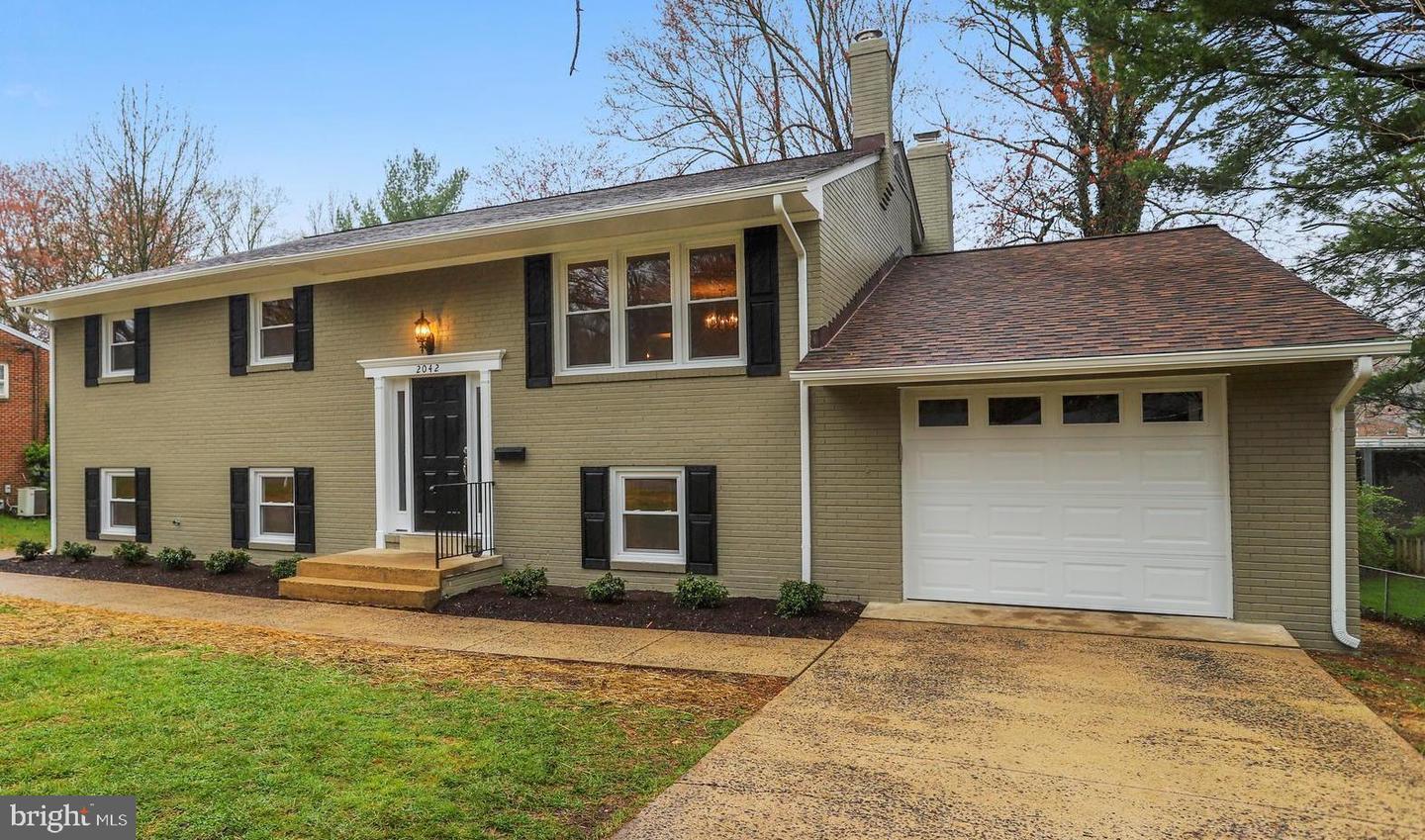
POST 1: Buying a Home in Falls Church, VA in 2026: What Your Budget Gets You Why Falls Church Is Worth the Premium in 2026 Falls Church is two markets with one name. The City of Falls Church is a two-square-mile independent city with its own schools (Meridian High School, consistently among the top-ranked in Virginia) and a walkable downtown along Broad Street and Washington Street. Falls Church on the Fairfax County side (the 22041, 22042, 22043, and 22044 ZIP codes) wraps around the City, attends Fairfax County Public Schools, and costs meaningfully less for the same square footage. Both sides sit inside the Beltway with the East Falls Church and West Falls Church Metro stations on the Orange Line. As of mid-2026, the City of Falls Church median sale price was about $1.05 million, with homes taking roughly a month to sell and closing right at list price after a softer year. The Fairfax County side runs well below that. That gap is the whole story for buyers: the same Falls Church address can mean a $650,000 townhome or a $1.5 million new build depending on which side of the line you land on. I have closed on both sides of that line, on the buy side and the sell side, in Woodley, Southampton, Ravenwood Park, and Falls Hill. What $550K to $750K Gets You in Falls Church This is Fairfax County side territory, and it is where first-time buyers and single-income households get into Falls Church. Expect townhomes in communities off Route 7 and Route 50, older garden condos near Seven Corners and Baileys Crossroads, and, occasionally, a small mid-century detached home in Falls Hill or the neighborhoods off Sleepy Hollow Road that needs work. Inside the City limits, this budget buys a condo, not a house. What wins here: speed on the rare detached home, and patience on townhomes, which sit longer than they did two years ago. What $750K to $1.1M Gets You in Falls Church Now you are choosing between a well-kept single-family home on the county side and an entry-level detached home inside the City. In the County, this buys a three or four bedroom colonial or split-level in Ravenwood Park, Lake Barcroft's edges, or the Woodley and Southampton neighborhoods, often with a real yard. In the City, it buys a smaller original home on a good lot, the kind that either gets renovated or eventually replaced. A real Falls Church purchase at this tier. In 2025 I helped first-time buyers win a single-family home in Woodley against multiple offers, closing at $673,393 on a $660,000 list price. A pre-offer inspection and an escalation addendum let them win by exactly enough and not more. Read the full story in my First-Time Home Buyer Guide to Falls Church. What $1.1M to $1.6M+ Gets You in Falls Church This is the City of Falls Church detached-home market and the top of the county side. Expect renovated colonials and craftsman-style homes within walking distance of Broad Street, newer construction on infill lots, and larger homes in Southampton and the neighborhoods around Meridian High School. Above $1.4 million, most of what you see is new or nearly new. Homes here drew multiple offers in 2024 and 2025; in 2026 the best-prepared ones still do, but buyers have more room to negotiate on the rest. A move-up purchase in Southampton. In 2020 I helped buyers step up into a Southampton home, one of the neighborhoods where I know the streets from the move-up side, not just the listing side. Key Factors for Falls Church Buyers in 2026 City or County? Decide before you tour. The jurisdiction sets your schools (Falls Church City Public Schools vs Fairfax County Public Schools), your real estate tax rate, and your price ceiling. Two homes a block apart can be in different jurisdictions. Ask me which side a listing is on before you get attached. Metro Access East Falls Church and West Falls Church stations serve both sides. Homes within a comfortable walk of either station carry a premium and resell faster, which matters if this is not your forever home. The 2026 Reset in the City The City's median fell noticeably from its 2025 peak, and homes are taking longer to sell. That is not a reason to wait; it is a reason to be prepared, because the correctly priced, updated homes still move in days while the rest sit. Veterans and VA Loans Falls Church draws Pentagon, Fort Myer, and State Department buyers. In 2024 I helped a veteran buy here with a VA loan; the location advantages that drew him apply broadly. As a Military Relocation Professional and a Veterans United preferred agent, I structure VA offers so they compete on equal footing. Frequently Asked Questions About Buying in Falls Church, VA Is Falls Church, VA a good place to buy a home in 2026? Yes, especially for buyers who value schools, Metro access, and an inside-the-Beltway location. The City of Falls Church offers top-ranked schools and walkability at a premium; the Fairfax County side offers the same address and commute at a lower price. In 2026 the City market has cooled from its 2025 peak, which gives prepared buyers more negotiating room than they had two years ago. How much do homes cost in Falls Church, VA? As of mid-2026 the City of Falls Church median sale price was about $1.05 million, with homes taking about a month to sell. On the Fairfax County side of Falls Church, townhomes run roughly $550,000 to $750,000 and single-family homes roughly $750,000 to $1.1 million, with renovated and new homes inside the City running $1.1 million to $1.6 million and higher. Is it better to buy in the City of Falls Church or the Fairfax County side? It depends on what you are paying for. The City gives you Falls Church City Public Schools and a walkable downtown at a higher price and tax rate. The county side gives you Fairfax County Public Schools, more house for the money, and the same Metro stations. David has closed on both sides and will tell you which side a specific listing is on before you tour. Can a first-time buyer compete in Falls Church? Yes. In 2025 David's first-time buyer clients won a single-family home in Woodley against multiple offers at $673,393 on a $660,000 list, using a pre-offer inspection and an escalation addendum. Preparation, not the biggest number, decided it. About David Mount, Falls Church, VA Real Estate Agent David Mount is a REALTOR® with The Redux Group at eXp Realty, a Certified Probate Real Estate Specialist, and a Military Relocation Professional with more than 12 years and $130 million in Northern Virginia sales. He has closed on both sides of the Falls Church City and County line, in Woodley, Southampton, Ravenwood Park, and Falls Hill. Read his Falls Church home buyer guide and First-Time Home Buyer Guide to Falls Church, or visit the Falls Church community page. {"@context": "https://schema.org", "@type": "FAQPage", "mainEntity": [{"@type": "Question", "name": "Is Falls Church, VA a good place to buy a home in 2026?", "acceptedAnswer": {"@type": "Answer", "text": "Yes, especially for buyers who value schools, Metro access, and an inside-the-Beltway location. The City of Falls Church offers top-ranked schools and walkability at a premium; the Fairfax County side offers the same address and commute at a lower price. In 2026 the City market has cooled from its 2025 peak, which gives prepared buyers more negotiating room than they had two years ago."}}, {"@type": "Question", "name": "How much do homes cost in Falls Church, VA?", "acceptedAnswer": {"@type": "Answer", "text": "As of mid-2026 the City of Falls Church median sale price was about $1.05 million, with homes taking about a month to sell. On the Fairfax County side of Falls Church, townhomes run roughly $550,000 to $750,000 and single-family homes roughly $750,000 to $1.1 million, with renovated and new homes inside the City running $1.1 million to $1.6 million and higher."}}, {"@type": "Question", "name": "Is it better to buy in the City of Falls Church or the Fairfax County side?", "acceptedAnswer": {"@type": "Answer", "text": "It depends on what you are paying for. The City gives you Falls Church City Public Schools and a walkable downtown at a higher price and tax rate. The county side gives you Fairfax County Public Schools, more house for the money, and the same Metro stations. David has closed on both sides and will tell you which side a specific listing is on before you tour."}}, {"@type": "Question", "name": "Can a first-time buyer compete in Falls Church?", "acceptedAnswer": {"@type": "Answer", "text": "Yes. In 2025 David's first-time buyer clients won a single-family home in Woodley against multiple offers at $673,393 on a $660,000 list, using a pre-offer inspection and an escalation addendum. Preparation, not the biggest number, decided it."}}]}
Read more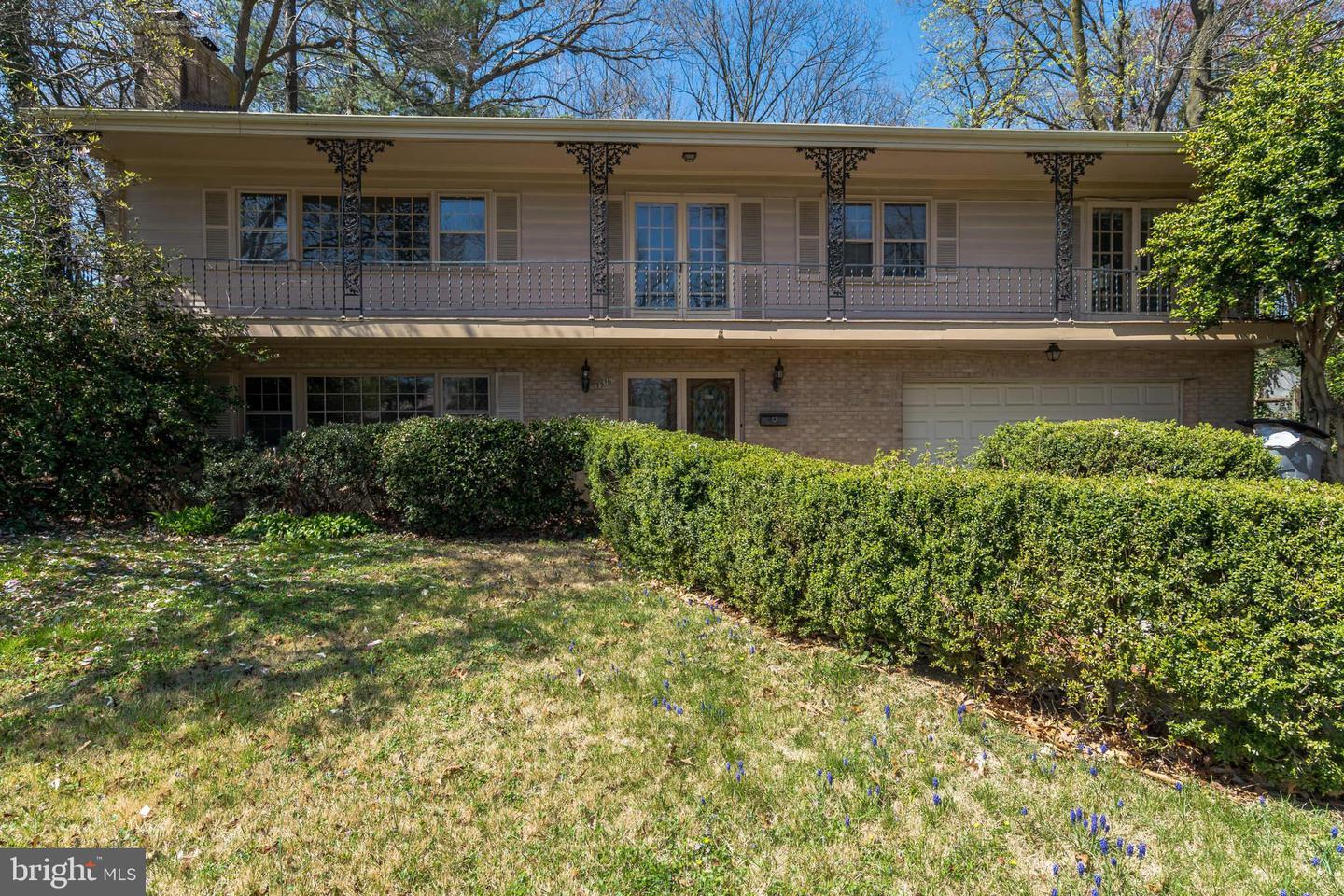
Quick Answer The City of Falls Church is an independent Virginia city: about two square miles with its own government, its own tax rate, and its own top-ranked school division. Tens of thousands of homes in Fairfax County also carry a "Falls Church, VA" mailing address but are not in the City. City homes typically sell for a premium because of that separate school division, severe scarcity of inventory, and a walkable downtown. Wait: There Are Two Falls Churches? Effectively, yes. And this single point of confusion costs Northern Virginia sellers real money every year. Virginia is unusual: it has independent cities that are not part of any county. The City of Falls Church is one of them. It sits inside the geography of Northern Virginia but is legally and administratively separate from Fairfax County. It has: Its own City Council and city manager Its own real estate tax rate, set independently Its own school division. Falls Church City Public Schools Its own assessor, police department, and city services Meanwhile, the U.S. Postal Service assigns "Falls Church, VA" as the mailing address for a large swath of surrounding Fairfax County, including neighborhoods like Pimmit Hills, Lake Barcroft, Sleepy Hollow, Seven Corners, and Idylwood. So a homeowner in Pimmit Hills has "Falls Church, VA 22043" on their driver's license, pays Fairfax County taxes, and sends their kids to Fairfax County Public Schools. They live in Falls Church the postal place, not Falls Church the city. How Do I Tell Which One I'm In? Three reliable checks, in order of certainty: 1. Look at your real estate tax bill. This is definitive. If the bill comes from the City of Falls Church, you're in the City. If it comes from Fairfax County, you're not. 2. Check your ZIP code. As a first pass only. ZIPJurisdiction 22046Primarily City of Falls Church 22041, 22042, 22043, 22044Fairfax County (Falls Church mailing address) ZIP boundaries and city limits don't line up perfectly, so treat 22046 as a strong signal rather than proof. 3. Check your assigned schools. If your children are zoned to Falls Church City Public Schools, Meridian High School, Mary Ellen Henderson Middle School, Oak Street Elementary, you are in the City. If they're zoned to a Fairfax County school, you are not. Why Do City of Falls Church Homes Typically Sell for More? Five reasons, and they compound. 1. A separate, small, highly ranked school division Falls Church City Public Schools serves the City alone: roughly 2,670 students across a handful of schools, compared with roughly 180,000 in Fairfax County Public Schools. According to Niche's 2026 district rankings, Falls Church City Public Schools placed #2 of 129 school divisions in Virginia with an overall grade of A+, and Fairfax County Public Schools placed #7 of 129 with an overall grade of A. Those are Niche's ratings, not mine: I don't evaluate, rank, or recommend schools, and every buyer should research schools independently for themselves. What I can report is the market behavior: both divisions rate strongly by any national measure, and yet buyers still pay a premium for City addresses. Part of the reason appears to be program specificity rather than general reputation. FCCPS operates as a PreK, 12 International Baccalaureate Continuum division, and a household that specifically wants that continuum can only get it by buying inside city limits. Narrow, verifiable access tends to produce a price premium in a way that broad reputation does not. (School attendance zones, programs, and ratings all change. Verify current assignments and offerings directly with the relevant school division for any specific address before making a decision.) 2. Extreme scarcity: there just aren't many houses The City of Falls Church covers roughly two square miles. A 2026 analysis of the City's assessment data examined about 2,200 detached single-family homes in the entire city. That's the whole supply. Two thousand-odd detached houses, for a jurisdiction that draws buyers from across the DC metro. In the 2026 assessment cycle, more than half of the City's residential neighborhoods recorded one sale or zero sales in the prior year. When demand from a metro area of six million people meets a supply of roughly two thousand houses, price does what you'd expect. Fairfax County, by contrast, has hundreds of thousands of housing units. Nothing in Fairfax is scarce in the way a detached house in the City of Falls Church is scarce. 3. Walkability and a real downtown The City has a compact, genuinely walkable core along West Broad Street and Washington Street: restaurants, a farmers market, retail, civic space. The West Falls redevelopment near the West Falls Church Metro station has added substantial new mixed-use density. Both the East Falls Church and West Falls Church Metro stations sit just outside city limits (in Arlington and Fairfax County respectively), which means City residents get Metro access without the station's immediate traffic and parking impacts. That's a quietly valuable combination. Much of the surrounding Fairfax County "Falls Church" area is car-oriented postwar suburban development. Excellent housing, larger lots in many neighborhoods, but a different product. 4. City-level services Small jurisdiction, high service level. The City runs its own recreation department, its own library, its own public works and street maintenance, its own police department, and its own permitting office. A homeowner deals with a city hall that handles roughly 14,000 residents rather than a county agency serving well over a million. That shows up in practical ways buyers notice: shorter permit timelines, snow removal on a two-square-mile footprint, and a level of direct access to local government that a large county simply cannot match at the same scale. Those are service-delivery differences, and buyers price them. 5. The comp set reinforces itself Because City inventory is so thin, each sale carries outsized weight in the next appraisal. A strong sale on a City street sets the bar for the whole neighborhood. In a market with hundreds of comparable sales, one outlier gets averaged away. In a market with three sales a year, one strong sale is the market. The Trade-Off: You Pay More in Taxes This is the honest other side, and sellers should be ready for buyers to raise it. The City of Falls Church funds its own schools and services from a much smaller tax base, so its rate runs higher than Fairfax County's: City of Falls ChurchFairfax County 2026 real estate tax rate$1.18 per $100 assessed$1.12 per $100 assessed Direction of changeReduced from $1.185Reduced from $1.1225 2026 assessment change, detached SFH+8.1%Varies by area School divisionFalls Church City Public SchoolsFairfax County Public Schools Total taxable base~$6.86 billionHundreds of billions What that costs in practice: on a home assessed at $1.2 million, the City rate produces a bill of about $14,160 per year versus about $13,440 in Fairfax County: roughly $720 a year, or $60 a month, more. For most buyers looking at that price point, $60 a month is not the deciding factor. The scarcity and the school division are. But it is real, and it's a number every City seller should be able to state calmly when a buyer's agent brings it up. One more thing City sellers should know: the City's 2026 assessments rose 6.9% overall, with detached single-family homes up 8.1%. The largest increase of any property class, and well above condos at 3.2%. If you own a detached house in the City, your assessment likely moved more than your neighbors' in a condo building did. That matters both for your tax bill and for how you think about your home's market position. Why This Matters When You Sell Here is the expensive mistake, and I see versions of it every year. A Fairfax County seller gets priced off City comps. A homeowner in Pimmit Hills or Sleepy Hollow sees "Falls Church, VA" sales in the $1.3 millions, assumes that's their number, lists high, and sits. Sixty days later they're doing price reductions and the listing has gone stale, which costs more than pricing correctly would have. A City seller gets priced off County comps. The reverse is worse. An automated valuation model or an out-of-area agent averages a City home against nearby Fairfax County sales, prices it $80,000 low, and it sells in four days with three offers. Everyone congratulates themselves on a fast sale. The seller left real money on the table and never knew. The fix is not complicated, but it has to be deliberate: pull comps by jurisdiction, not by mailing address. If the sale isn't in the same taxing jurisdiction and the same school division as your home, it is not a clean comparable, no matter what the address says. Frequently Asked Questions Is the City of Falls Church part of Fairfax County? No. The City of Falls Church is an independent Virginia city. It is not part of Fairfax County or any other county. It has its own government, tax rate, assessor, and school division. Why does my address say Falls Church if I live in Fairfax County? The U.S. Postal Service assigns mailing addresses based on postal delivery routes, not on political boundaries. "Falls Church, VA" is the postal address for a large area of Fairfax County surrounding the City, including ZIP codes 22041, 22042, 22043, and 22044. Which ZIP code is the City of Falls Church? 22046 is primarily the City of Falls Church. ZIP codes 22041, 22042, 22043, and 22044 carry a Falls Church mailing address but are in Fairfax County. Because ZIP boundaries don't perfectly follow city limits, confirm with your real estate tax bill. Are City of Falls Church homes really worth more? On a comparable-property basis, City homes generally command a premium over similar homes in the surrounding Fairfax County areas. The most-cited drivers are the separate school division, very limited inventory (roughly 2,200 detached single-family homes citywide), city-level services, and a walkable downtown core. The size of the premium varies by property type, condition, and year. Does the City of Falls Church have higher property taxes? Yes. For 2026 the City's real estate tax rate is $1.18 per $100 of assessed value, versus $1.12 in Fairfax County. On a $1.2 million assessment, that's roughly $720 more per year. How do I know if my kids go to Falls Church City schools? Only homes within City limits are served by Falls Church City Public Schools. Homes with a Falls Church mailing address in Fairfax County attend Fairfax County Public Schools. Confirm the assigned schools for a specific address with the relevant school division before making any decision. How much did Falls Church City home assessments go up in 2026? The City's overall assessment base rose 6.9% as of January 1, 2026, to about $6.86 billion. Detached single-family homes rose 8.1%, townhomes 7.0%, and residential condominiums 3.2%. Selling a Home in Falls Church: City or County? I'm David Mount, a REALTOR® with The Redux Group of eXp Realty. In 12+ years across Northern Virginia I've sold more than 200 homes, and the Falls Church line is one of the places where getting the comps right matters most. If your address says Falls Church, I'll tell you which side of the line you're actually on, pull the right comparable sales for your jurisdiction, and give you a straight answer on what your home is worth today, no obligation. Request a free Falls Church home valuation → Related reading: Falls Church Home Selling Guide 2026 Selling Your Home in Fairfax County 2026 Selling an Inherited Property in Northern Virginia Selling to Retire and Relocate Equal Housing Opportunity. David Mount is a licensed REALTOR® in the Commonwealth of Virginia with The Redux Group of eXp Realty. This article discusses jurisdictional boundaries, tax rates, and publicly reported market data. It is not a recommendation of any neighborhood, community, or school, and it is not legal, tax, or financial advice. All third-party ratings are attributed to their publishers. Buyers and sellers should independently verify any information material to their decision. Last updated: August 2026. Tax rates, assessments, and school rankings cited from the City of Falls Church FY2027 adopted budget (May 2026), the City Assessor's January 2026 assessment release, Fairfax County Department of Tax Administration, and Niche's 2026 school district rankings. Verify current figures before relying on them for a financial decision. Sources: Falls Church FY2027 tax rate. ARLnow · F.C. 2026 assessments up 6.9%. Falls Church News-Press · Fairfax County Real Estate Tax Rates · Falls Church City Public Schools, Niche 2026 · City assessment analysis, Falls Church Pulse
Read more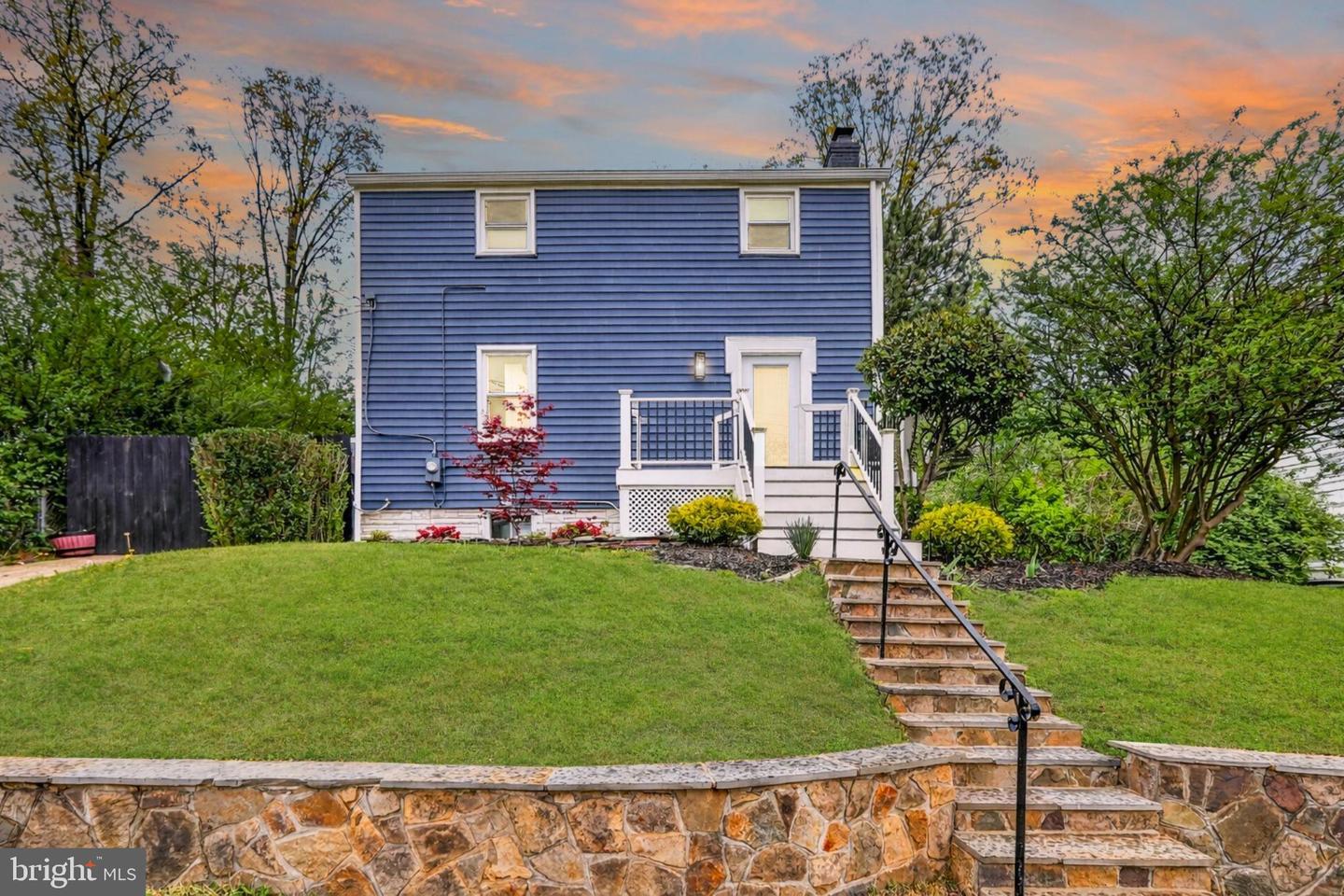
Quick Answer North Arlington homes generally sell for more than South Arlington homes because North Arlington has a higher concentration of detached single-family houses on larger lots, while South Arlington has a larger share of condos, garden apartments, and townhomes. The gap is driven mostly by land and property type, not by any single quality difference between the two halves of the county. Where Is the Dividing Line Between North and South Arlington? The line most people use is Arlington Boulevard (U.S. Route 50). Anything north of Route 50 is generally called North Arlington; anything south of it is South Arlington. It's worth being clear about what this line is and isn't: It is not an official government boundary. Arlington County is a single 26-square-mile jurisdiction with one county government, one police department, and one public school system. It is a real estate shorthand. Agents, appraisers, and buyers have used it for decades because the housing on either side of Route 50 genuinely developed differently. ZIP codes roughly follow it. North Arlington covers 22201, 22203, 22205, 22207, 22209, and 22213. South Arlington covers 22202, 22204, and 22206. If you're trying to figure out which side a specific address falls on, the ZIP code is a fast first check, but the Route 50 line is the one the market actually prices off of. Why Are North Arlington Homes Worth More? Four structural reasons, in order of how much they actually move the price. 1. Property type mix is the single biggest factor This is the reason most "median price" comparisons overstate the gap. When you compare a ZIP code where 70% of the sales are detached houses against a ZIP code where a large share of the sales are one-bedroom condos, you are not comparing neighborhoods. You are comparing property types. North Arlington's inventory skews heavily toward detached single-family homes. South Arlington includes large concentrations of mid- and high-rise condominiums (Crystal City, Pentagon City, National Landing), garden-style apartments, and post-war townhome communities such as Fairlington and Shirlington. Compare a detached house to a detached house and the gap narrows considerably. It does not disappear, but it stops looking like the two-to-one difference the raw ZIP medians suggest. 2. Lot size and zoning North Arlington contains a larger share of the county's bigger-lot residential zoning. Neighborhoods like Country Club Hills, Rock Spring, Donaldson Run, and Bellevue Forest were platted with substantially larger lots than the tighter street grids common south of Route 50. In a land-constrained market like Arlington, the dirt is the asset. A quarter-acre lot in a Metro-accessible county 10 minutes from the District carries value almost independent of the house sitting on it. 3. Teardown and new-construction economics Because North Arlington land values support it, a large volume of the county's new single-family construction happens there. Builders buy a 1940s or 1950s house, replace it with a 5,000-square-foot new build, and sell it well into seven figures. Every one of those sales becomes a comparable sale. Over a decade, that steadily lifts the entire neighborhood's comp set, including for the original homes that were never torn down. South Arlington sees this activity too, but at lower volume and lower price points, so the lift is slower. 4. Housing age and original build quality Much of North Arlington's detached housing stock was built between the 1920s and the 1950s as custom or semi-custom colonials and bungalows on individual lots. Large parts of South Arlington were developed slightly later and more efficiently, often as planned multi-family or attached communities built to house a rapidly growing federal workforce. Neither approach is "better." But larger original floor plans and individually built homes tend to command higher prices per unit, and that difference compounds over eighty years. North vs. South Arlington at a Glance North ArlingtonSouth Arlington General boundaryNorth of Arlington Blvd (Route 50)South of Arlington Blvd (Route 50) Main ZIP codes22201, 22203, 22205, 22207, 22209, 2221322202, 22204, 22206 Dominant property typeDetached single-familyMixed: condo, garden apartment, townhome, some detached Typical lot sizesLarger share of big-lot zoningGenerally tighter lots, more attached product Metro serviceOrange/Silver line (Rosslyn, Ballston corridor)Blue/Yellow line (Pentagon City, Crystal City / National Landing) New constructionHigh volume of teardown/rebuild single-familyMore multi-family and mixed-use redevelopment Entry price pointHigherLower. Arlington's most accessible price points County governmentSame. Arlington CountySame. Arlington County What About Schools? North and South Arlington are served by the same school division: Arlington Public Schools. There is no separate district, no separate tax rate, and no separate funding stream. What differs is attendance zones, and those change. Arlington has redistricted multiple times in recent years as enrollment has shifted. If schools matter to your decision, verify the current assigned schools for a specific address directly with Arlington Public Schools rather than relying on a listing description, a ZIP code, or what a neighbor told you five years ago. Boundaries are the county's to set, and they move. How Should Buyers Think About the Price Gap? Here's the part most articles skip, laid out so you can draw your own conclusion. Both halves of Arlington share the same county government, the same countywide real estate tax rate, the same county services, and comparable access to the District. What differs is the housing itself and what it costs. The number worth looking at is price per square foot. The per-square-foot gap between north and south is considerably narrower than the price-per-house gap. That single fact tells you most of what you need to know: North Arlington buyers are largely paying for more square footage and more land, not for a categorically different product. South Arlington also has its own demand drivers. National Landing, Pentagon City and Crystal City, has absorbed sustained corporate and infrastructure investment, including Amazon's second headquarters, all of it on the south side of Route 50. Whether that math favors north or south depends entirely on your budget, the square footage you actually need, and how you weigh land against location. That's your call to make, but make it on per-square-foot data and your own priorities, not on a reputational shorthand. What This Means If You're Selling Selling in North Arlington: Your competition is often new construction. If your home is an original 1940s or 1950s colonial, the pricing question isn't just "what did the house down the street sell for". It's "what is my lot worth to a builder, and does my house's condition put me above or below that number?" Sometimes the answer is that a modest pre-list investment moves you into a different buyer pool entirely. Sometimes the answer is to price to the land and sell as-is. Getting that call right is worth six figures on a North Arlington lot. Selling in South Arlington: Your risk is being priced against the wrong comps. If you own a detached house in Douglas Park or Arlington Heights and the automated valuation tools are averaging you against nearby condo sales, you will be under-priced. A detached home in South Arlington needs to be compared to other detached homes in South Arlington, and to detached homes just across Route 50, not to a ZIP-wide median. In both cases, the mistake is the same one: letting a ZIP code median stand in for an actual analysis of your specific home. Frequently Asked Questions Is North Arlington more expensive than South Arlington? Yes, on average. North Arlington's median sale prices run substantially higher than South Arlington's. However, a large portion of that gap comes from property mix. North Arlington sells more detached single-family homes, while South Arlington sells more condos and attached homes. Comparing detached house to detached house narrows the gap considerably. What is the boundary between North and South Arlington? Arlington Boulevard, also known as U.S. Route 50. It is an informal real estate convention, not an official government boundary. Arlington County is one unified jurisdiction with one county government. Which ZIP codes are North Arlington? 22201, 22203, 22205, 22207, 22209, and 22213 are generally considered North Arlington. 22202, 22204, and 22206 are generally considered South Arlington. Do North and South Arlington have different property tax rates? No. Arlington County sets one countywide real estate tax rate. For calendar year 2026, the County Board adopted a rate of $1.053 per $100 of assessed value. The average residential assessment countywide rose to $882,900 for 2026, up from $854,900 the prior year. Do North and South Arlington have different schools? They are served by the same school division, Arlington Public Schools. Individual attendance zones differ by address and have been redrawn several times in recent years. Always verify current school assignments for a specific address with Arlington Public Schools. Is South Arlington a good investment? South Arlington offers Arlington County's most accessible price points with the same countywide tax rate, county services, and commute access. Areas near National Landing have absorbed significant corporate and infrastructure investment. As with any market, results depend on the specific property, the price paid, and the holding period, no area guarantees a return. Thinking About Selling in Arlington? I'm David Mount, a REALTOR® with The Redux Group of eXp Realty. Over 12+ years in Northern Virginia I've sold more than 200 homes, and I work both sides of Arlington Boulevard. Because the right pricing strategy for a North Arlington teardown lot is nothing like the right strategy for a detached home in South Arlington. If you're weighing a sale in the next 12 months, I'll give you an honest read on what your home is actually worth, what (if anything) is worth doing before you list, and which buyer pool you should be targeting. Request a free Arlington home valuation → Related reading: Arlington Home Sellers Guide 2026 Selling an Inherited Property in Northern Virginia Downsizing: Selling to Buy a Smaller Home Locally Selling a Luxury Home in Northern Virginia Equal Housing Opportunity. David Mount is a licensed REALTOR® in the Commonwealth of Virginia with The Redux Group of eXp Realty. This article discusses housing stock, zoning, tax rates, and publicly reported market data. It is not a recommendation of any neighborhood or community, and it is not legal, tax, or financial advice. Buyers and sellers should independently verify any information material to their decision. Last updated: August 2026. Market figures cited from Arlington County Department of Real Estate Assessments (January 2026 assessment release), the Arlington County Board's adopted FY2027 budget (April 2026), and the Northern Virginia Association of REALTORS® monthly market statistics. Market conditions change. Contact me for current data on your specific neighborhood. Sources: Arlington County 2026 Property Values · Arlington County FY2027 Adopted Budget · NVAR Market Statistics
Read moreQuick answer: Virginia has no separate capital gains tax and no inheritance tax. Capital gains are taxed as regular Virginia income at rates up to 5.75 percent, and Virginia repealed its estate tax for deaths after July 1, 2007. Most Virginia home sellers owe far less tax than they fear, and many owe nothing at all. I am David Mount, a Northern Virginia listing agent and Certified Probate Real Estate Specialist. Sellers ask me about taxes on nearly every listing appointment, especially on inherited homes. Here are the real numbers for 2026. I am an agent, not a CPA, so treat this as orientation and confirm your specifics with a tax professional. Does Virginia Have a Capital Gains Tax? Not a separate one. Virginia taxes capital gains as ordinary income on your state return, at graduated rates topping out at 5.75 percent on income over 17,000 dollars. There is no special lower state rate for long term gains, but there is also no extra state surcharge. If you exclude a gain federally, it is generally excluded from Virginia income too, because Virginia starts from your federal adjusted gross income. Does Virginia Have an Inheritance Tax or Estate Tax? No. Virginia has no inheritance tax, and its estate tax was repealed for deaths on or after July 1, 2007. Heirs in Virginia do not pay state tax simply for inheriting a house. The federal estate tax exists but applies only to very large estates: the federal exemption is 15 million dollars per person for deaths in 2026. The overwhelming majority of Northern Virginia estates owe nothing. What Federal Tax Do You Pay When You Sell Your Home? If the home was your primary residence for at least two of the last five years, you can exclude up to 250,000 dollars of gain from federal tax, or 500,000 dollars for a married couple filing jointly, under Section 121. Long term gains above the exclusion are taxed at 0, 15, or 20 percent depending on income, plus a possible 3.8 percent net investment income tax at higher incomes. Worked example: a Fairfax couple bought in 2005 for 450,000 dollars and sells in 2026 for 950,000. Their 500,000 dollar gain is fully covered by the joint exclusion. Federal tax owed: zero. Virginia tax owed: zero. What About Taxes on an Inherited House? Inherited homes get a stepped up basis: your cost basis becomes the market value on the date of death, not what the deceased paid. If your mother bought her Springfield home for 90,000 dollars in 1985 and it was worth 700,000 when she passed, your basis is 700,000. Sell it for 720,000 a few months later and your taxable gain is roughly 20,000 dollars minus selling costs, often close to nothing. This is the single most misunderstood number in probate sales. Heirs regularly assume they owe tax on the full sale price and nearly accept a lowball cash offer to "avoid taxes" that were never owed. For the full picture, see my guide to capital gains on inherited property in Virginia. When Do Virginia Home Sellers Actually Owe Tax? The common cases: a primary residence gain above the 250,000 or 500,000 dollar exclusion, a rental or investment property (no exclusion, plus depreciation recapture at up to 25 percent federally), a second home, or an inherited home that appreciated significantly after the date of death. Even then, selling costs, capital improvements, and timing strategies can shrink the bill. A one hour conversation with a CPA before listing routinely saves sellers real money. Virginia Home Sale Tax FAQ Do I pay taxes when I sell my house in Virginia? Often no. If the gain on your primary residence is under the federal exclusion, you owe neither federal nor Virginia income tax on the sale. You will pay the state grantor tax at closing, currently about 1 dollar per 1,000 of sale price plus regional congestion fees in Northern Virginia. Does Virginia tax out of state heirs who sell an inherited Virginia house? The gain on Virginia real estate is Virginia source income, so out of state heirs generally file a Virginia nonresident return for the year of sale. With stepped up basis the taxable amount is usually small. Your home state typically credits the Virginia tax paid. How do I avoid capital gains tax on my Virginia home? Live in it two of the last five years to claim the Section 121 exclusion, keep records of capital improvements to raise your basis, and for investment property consider a 1031 exchange. There is no legitimate way to avoid tax on a large gain above the exclusion without one of these tools. Thinking about selling in Northern Virginia and want a net sheet that includes the real tax picture? Call or text me at 571-946-8418 or email david.mount@thereduxgroup.com. {"@context":"https://schema.org","@type":"FAQPage","mainEntity":[ {"@type":"Question","name":"Does Virginia have a capital gains tax?","acceptedAnswer":{"@type":"Answer","text":"Virginia has no separate capital gains tax. Capital gains are taxed as ordinary income on the Virginia return at rates up to 5.75 percent. Gains excluded federally, like the primary residence exclusion, are generally excluded from Virginia income too."}}, {"@type":"Question","name":"Does Virginia have an inheritance tax?","acceptedAnswer":{"@type":"Answer","text":"No. Virginia has no inheritance tax and repealed its estate tax for deaths on or after July 1, 2007. Only the federal estate tax applies, and its 15 million dollar per person exemption for 2026 means very few estates owe anything."}}, {"@type":"Question","name":"Do I pay taxes when I sell my house in Virginia?","acceptedAnswer":{"@type":"Answer","text":"Often no. Primary residence gains under the federal exclusion of 250,000 dollars single or 500,000 married filing jointly are free of federal and Virginia income tax. Sellers do pay Virginia's grantor tax at closing."}}, {"@type":"Question","name":"What taxes do heirs pay when selling an inherited house in Virginia?","acceptedAnswer":{"@type":"Answer","text":"Heirs receive a stepped up basis equal to the home's value at the date of death, so tax applies only to appreciation after that date. Virginia charges no inheritance tax. Out of state heirs generally file a Virginia nonresident return for the sale year."}}, {"@type":"Question","name":"How do I avoid capital gains tax on a Virginia home sale?","acceptedAnswer":{"@type":"Answer","text":"Use the Section 121 primary residence exclusion by living in the home two of the last five years, document capital improvements to increase basis, and consider a 1031 exchange for investment property."}} ]}
Read moreUpdated July 2026. Quick answer: The Fairfax County School Board approved its first comprehensive boundary overhaul in more than 40 years on January 22, 2026, affecting roughly 1,700 students at 46 schools starting with the 2026-27 school year. On July 17, 2026, the board also approved attendance boundaries for the new Skyview High School in Herndon, which will reassign about 2,544 students from the Westfield, Chantilly, and South Lakes pyramids beginning in 2027-28. If you own a home in an affected area, your school assignment may have changed, and that can influence buyer demand when you sell. What Did the Fairfax County School Board Approve in January 2026? An 8-3 vote on January 22, 2026 adopted revised boundaries recommended by Superintendent Michelle Reid after an 18-month review, the first county-wide redistricting since the 1980s. The review targeted overcrowding, split feeders, and attendance islands. After public hearings in January, the final plan reduced the number of initially affected students from about 2,210 to roughly 1,700. The new boundaries take effect for the 2026-27 school year, which begins August 24, 2026. Under a policy adopted in 2024, FCPS will now repeat a comprehensive review every five years, so boundary questions are a permanent part of owning a home in Fairfax County from here on. Full details are on the FCPS boundary adjustments page, and FFXnow covered the vote in depth. What About the New Skyview High School in Herndon? On July 17, 2026, the school board unanimously approved boundaries for Skyview High School, which opens this fall in the former King Abdullah Academy campus FCPS purchased for $150 million. Skyview draws from the Westfield, Chantilly, and South Lakes pyramids. The approved plan reassigns about 1,062 Westfield, 384 South Lakes, and 333 Chantilly high school students, plus roughly 420 middle schoolers, with boundaries fully phasing in starting in the 2027-28 school year. FCPS projects the shift will ease crowding significantly: Chantilly High from 110% of capacity to 87%, Centreville from 104% to 92%, and South Lakes from 99% to 88%. Skyview will offer pathways in aerospace science, technology, and artificial intelligence. Northern Virginia Magazine has the full breakdown. Do School Boundary Changes Affect Home Values in Fairfax County? They can, in both directions. School assignment is one of the most common search filters Fairfax County buyers use, and homes feeding into schools with strong reputations or new facilities have historically drawn deeper buyer pools. Three practical effects to understand as a seller: First, reduced overcrowding is broadly positive. A home that feeds a school dropping from 110% capacity to 87% has a cleaner story to tell buyers than it did last year. Second, uncertainty is temporary but real. While a change is being debated, some buyers hesitate. Once boundaries are final, as they now are county-wide, that uncertainty premium disappears and the market reprices on facts. Third, a brand-new school can cut both ways: some families prize modern facilities and new programs, while others prefer an established track record. Neither reaction is universal, which is why pricing an affected home requires current, neighborhood-level comparable sales rather than assumptions. Which Areas Are Flagged for the Next Round of Reviews? FCPS has already committed to follow-up reviews, with recommendations due to the school board by January 2027, for several areas. These include the Gunston, Halley, Laurel Hill, and Lorton Station elementary boundaries; the Bren Mar Park Elementary middle and high school feeders; the Greenway Downs, Jefferson Village, City Park Homes, and Kingsley Commons neighborhoods; the Rolling Valley Elementary feeders; Glasgow Middle School areas tied to Beech Tree and Belvedere elementaries; and the Keene Mill Elementary attendance island near Cardinal Forest and White Oaks. If you own in one of these areas and are weighing a sale, the window before the next recommendation lands is worth factoring into your timing conversation. Should You Sell Before or After a Boundary Change Takes Effect? It depends on which side of the change your home sits on, and there is no one-size answer. If your new assignment strengthens your home's appeal, marketing after the change is final lets you sell the certainty. If the change is unpopular with your likely buyer pool, listing sooner, while grandfathering and transfer options still apply to current students, can matter. What I do for sellers is simple: verify the exact current and future assignment for your address in the official FCPS boundary tools, pull the neighborhood-level sales data from before and after the announcement, and build the pricing and timing strategy on evidence. If you want that analysis for your home, call me at 571-946-8418 or email david.mount@thereduxgroup.com. Frequently Asked Questions When do the new FCPS boundaries take effect? The county-wide changes take effect for the 2026-27 school year, which starts August 24, 2026. Skyview High School's boundaries phase in starting with the 2027-28 school year, with opt-in enrollment for ninth and tenth graders this fall. How do I check my home's current school assignment? Use the official FCPS boundary lookup tools on fcps.edu rather than third-party real estate sites, which often lag after boundary changes. When I list a home, I verify the assignment directly with FCPS resources before it goes in any marketing. Do I have to disclose a school boundary change when selling my Fairfax County home? School assignment is not a standard required disclosure in Virginia, but your marketing must be accurate. Advertising an outdated school assignment is the kind of error that creates real liability and blows up deals. Verify before you list. Will there be more boundary changes after this? Yes. FCPS policy now requires a comprehensive boundary review every five years, and specific follow-up areas already have recommendations due by January 2027. Boundary awareness is now a permanent part of buying and selling in Fairfax County. Does a new school assignment change my property taxes? No. School boundaries and tax assessments are separate systems. Your Fairfax County assessment is based on your property's market value, not which school pyramid you feed into. Related Reading Best Schools in Fairfax County by City: A Real Estate Guide for Families Is Chantilly in Fairfax County or Loudoun County? (Includes the Skyview Story) How to Sell Your Home in Fairfax, VA in 2026 Fairfax, VA Market Update: Summer 2026 {"@context":"https://schema.org","@type":"FAQPage","mainEntity":[{"@type":"Question","name":"When do the new FCPS boundaries take effect?","acceptedAnswer":{"@type":"Answer","text":"The county-wide changes take effect for the 2026-27 school year, which starts August 24, 2026. Skyview High School's boundaries phase in starting with the 2027-28 school year, with opt-in enrollment for ninth and tenth graders in fall 2026."}},{"@type":"Question","name":"How do I check my home's current school assignment?","acceptedAnswer":{"@type":"Answer","text":"Use the official FCPS boundary lookup tools on fcps.edu rather than third-party real estate sites, which often lag after boundary changes."}},{"@type":"Question","name":"Do I have to disclose a school boundary change when selling my Fairfax County home?","acceptedAnswer":{"@type":"Answer","text":"School assignment is not a standard required disclosure in Virginia, but your marketing must be accurate. Verify the current assignment with FCPS before you list."}},{"@type":"Question","name":"Will there be more boundary changes after this?","acceptedAnswer":{"@type":"Answer","text":"Yes. FCPS policy now requires a comprehensive boundary review every five years, and specific follow-up areas already have recommendations due to the school board by January 2027."}},{"@type":"Question","name":"Does a new school assignment change my property taxes?","acceptedAnswer":{"@type":"Answer","text":"No. School boundaries and tax assessments are separate systems. A Fairfax County assessment is based on the property's market value, not its school pyramid."}}]}
Read moreUpdated July 20, 2026 by David Mount, REALTOR®, The Redux Group of eXp Realty | Burke, Virginia Quick Answer: Burke stayed one of the fastest moving markets in Fairfax County in Q2 2026. Homes went under contract in a median of 12 days (down from 20 a year ago), typically sold at or about 1% above list price, and roughly 1.1 months of local supply kept sellers firmly in control. Well prepared, correctly priced Burke homes are still commanding strong results. Overpriced ones are sitting, with 14 of 92 active listings already price reduced. In this report: Q2 2026 Burke Market Snapshot Burke Sub-Market Breakdown How Q2 Compares to Prior Periods What This Means for Burke Sellers Frequently Asked Questions Q2 2026 Burke Market Snapshot The short version: Burke sold faster than almost anywhere else in Northern Virginia this quarter, on very thin inventory. Here are the numbers for April through June 2026, with sources cited so you can verify each one. Metric Q2 2026 Reading Change Source Median sold price, Burke (all home types, June 2026) $650,000 Blends townhomes and single family homes Movoto Median sale price, ZIP 22015 (rolling three months ending April 2026) about $707,000 Weighted toward detached homes Redfin Median days on market (June 2026) 12 days Down from 20 days a year earlier Movoto, Redfin Sale to list price ratio about 101% (roughly 1% above asking) Burke rated "very competitive" (83 of 100); ZIP 22015 "most competitive" (93 of 100) Redfin Active listings (as of July 20, 2026) 92 homes (14 with price reductions) 15 new listings in the trailing week Movoto Homes sold (June 2026) 85 Down from 97 in June 2025 (about 12%), a supply story, not a demand story Movoto Estimated months of supply, Burke about 1.1 months (92 active listings divided by 85 monthly sales) Well below the 5 to 6 months of a balanced market Calculated from Movoto data NVAR region median sold price (June 2026) $810,000 Up 5.2% year over year NVAR NVAR region months of supply (June 2026) 1.98 months Up 7.8% year over year; active listings up 12.1% to 2,816 NVAR Two things stand out. First, Burke is moving noticeably faster than the region as a whole: a 12 day median in Burke against a 19 day average across the NVAR footprint in June. Second, Burke's supply picture is even tighter than the regional one. The broader Northern Virginia market added inventory this spring (up 12.1% year over year in June), yet Burke is still sitting near one month of supply. When demand is regional and supply is hyperlocal, that gap is what keeps Burke sellers in the stronger negotiating position. A note on the price figures: Burke's published medians vary by source because each one slices the market differently. Movoto's $650,000 June median blends townhomes with single family homes, while Redfin's ZIP 22015 figure of roughly $707,000 leans toward detached homes. Neither is wrong. Burke simply has a large townhome base (Burke Centre alone holds thousands of them), and the mix of what happened to close in a given month moves the blended number around. That is exactly why a neighborhood level comparison matters more than any citywide median when you price your own home. Burke Sub-Market Breakdown Burke is really four or five markets wearing one ZIP code, and they behaved differently this quarter. Published data does not break Q2 out by neighborhood, so the reads below combine the ZIP level numbers above with how each section of Burke is structured. For an exact number on your street, request a free comparative market analysis using the contact info at the end of this report. Burke Centre The townhome heavy heart of Burke, governed by the Burke Centre Conservancy. Townhomes here are the entry point to the 22015 ZIP code, and with entry level inventory the scarcest segment in Fairfax County, well kept Burke Centre townhomes were among the fastest movers this quarter, frequently drawing multiple offers when priced with discipline. Detached homes in the Ponds sections trade meaningfully higher and benefit from the same VRE and commuter demand. Lake Braddock Area The neighborhoods surrounding Lake Braddock, including the Lake Braddock Community Association sections, remain the classic Burke single family story: colonials and split levels on established lots. Demand here is anchored by the school pyramid, which continues to be a factor buyers weigh, and by walkability to the lake paths. Turnover is low, which is precisely why prepared homes that do list sell quickly. Longwood Knolls and Cherry Run Larger and newer single family stock in southern Burke. These homes sit at the upper end of Burke's price range, and this is where the county's broader trend showed up most: buyers at higher price points had slightly more selection this spring, so presentation and pricing precision mattered more here than in the townhome segment. Homes that showed well still moved inside the citywide 12 day pace; dated homes priced off 2025 comps were the ones taking price cuts. Burke Lake Estates and Old Burke The sections near Burke Lake Park, including larger lot properties toward Fairfax Station (ZIP 22039), draw buyers specifically seeking land and privacy inside the Beltway commute shed. Inventory here is thinnest of all, sales are infrequent, and individual sale prices swing widely with lot size and condition, so a custom valuation is essential rather than any ZIP level median. How Q2 Compares to Prior Periods The clearest quarter over quarter change: Burke got faster. Redfin's rolling data for ZIP 22015 covering the three months ending April 2026 (essentially the tail of Q1 and the start of Q2) showed a median around $707,000 with homes averaging about 23 days on market. By June, the median time on market had compressed to 12 days. That is the spring market doing what Burke's spring market usually does, but the compression from 20 days in June 2025 to 12 days in June 2026 says this year's demand ran hotter than last year's. Year over year, the regional backdrop strengthened as the quarter went on. Across the NVAR footprint (Fairfax and Arlington counties plus Alexandria, Fairfax City, Falls Church, Vienna, Herndon, and Clifton), the median sold price rose 2.9% year over year in May to $812,012 and 5.2% in June to $810,000, with June closed sales up 3.9% and total volume up 12.7% to $1.85 billion. Fairfax County specifically posted a median around $813,000 for the three months ending May, up 3.4% from the same period a year earlier, per Redfin. The inventory trend is the one to watch going into Q3. Regional active listings rose from 2,733 in May to 2,816 in June, and months of supply crossed from 1.93 to 1.98. That is buyers slowly gaining options at the regional level. Burke has not followed yet: local supply near 1.1 months means the buyer relief showing up in county wide statistics has largely skipped Burke so far. If Burke inventory starts building later this summer, the first symptom will be more price reductions, and at 14 out of 92 active listings, that count is already worth watching. What This Means for Burke Sellers Bottom line: Q2 conditions favored Burke sellers, but only the ones who priced and prepared correctly. Here is how I would translate this quarter's data into strategy if you are considering a sale in the second half of 2026. 1. Price to the last 90 days, not to your neighbor's 2025 sale. With homes selling at roughly 1% above list on average, the market is rewarding accurate pricing with speed and modest escalation, not rewarding aspirational pricing with patience. The 14 price reduced listings on the market right now are mostly homes that tested a number the comps did not support. 2. Plan around a two week marketing window, and use it. A 12 day median means your first weekend is most of your leverage. Photography, staging, and pre-list preparation need to be finished before day one, because there is rarely a second wave of showings to fix a weak debut. 3. If you own a townhome, you are in the strongest seat in Burke. Entry level supply is the scarcest segment in the county, and Burke Centre townhomes are the most affordable way into the 22015 ZIP code. Multiple offer outcomes were common this quarter for well presented townhomes. 4. If you own a larger home, expect a more discerning buyer. Regional inventory gains are concentrated at higher price points. Upper bracket Burke homes still sold well in Q2, but buyers had more to compare against, so condition issues and dated finishes got priced against you rather than overlooked. 5. Do not wait for a "better" fall market on the theory that inventory stays this tight. Regional supply has now risen year over year for most of 2026, and NVAR's own mid-year outlook anticipates continued inventory growth. Burke's scarcity has protected local sellers so far, but the direction of travel across Northern Virginia is toward more competition among sellers, not less. Frequently Asked Questions What was the median home price in Burke, VA in Q2 2026? Burke's June 2026 median sold price was $650,000 across all home types, while the ZIP 22015 median ran near $707,000 when weighted toward detached homes. The spread reflects Burke's mix: townhomes generally trade in the $500s to low $600s and detached homes commonly trade in the $700s and up, depending on section, size, and condition. How fast are homes selling in Burke right now? The median Burke listing went under contract in about 12 days in June 2026, down from 20 days a year earlier. That is faster than the Northern Virginia regional average of 19 days. Well priced townhomes often moved in less than a week. Is Burke a seller's market in 2026? Yes. With roughly 1.1 months of local supply against the 5 to 6 months that defines a balanced market, Burke remained clearly a seller's market through Q2 2026. The caveat is that the advantage applies to correctly priced homes; about 1 in 6 active Burke listings has already taken a price cut. Are Burke home prices going up or down? The regional trend is up: the NVAR area median rose 5.2% year over year in June 2026, and Fairfax County was up about 3.4% for the spring period. Burke's own blended median bounces month to month with the townhome versus detached sales mix, which is why a neighborhood level comparison beats the citywide median for pricing decisions. Should I sell my Burke home now or wait until 2027? The data argues against waiting on inventory grounds. Northern Virginia active listings rose 12.1% year over year in June and months of supply is climbing, so sellers who list while Burke supply is still near one month face less competition than those who wait for more neighbors to list. Your personal timeline, tax picture, and next purchase matter more than any quarter's statistics, and those are worth a specific conversation. How much above asking price are Burke homes selling for? On average, Burke homes sold for about 1% above list price during the quarter. Averages hide the spread: sharp listings in the townhome segment sometimes escalated several percent above asking, while overpriced listings sold below ask after a reduction. The list price you choose largely determines which side of that average you land on. Where can I verify these Burke market numbers? Every figure in this report is sourced from the Northern Virginia Association of Realtors monthly statistics (via Bright MLS), Redfin's ZIP 22015 and Burke market pages, and Movoto's Burke market trends page. Links appear in the snapshot table above. Sources differ slightly because they cut the data by different geographies and property mixes, which is normal. Get a Personalized Burke Home Valuation Citywide medians will not tell you what your home on your street is worth in this market. I grew up in Burke, graduated from Lake Braddock, and sell across these neighborhoods today. If you are thinking about selling in the second half of 2026, I will prepare a free, no obligation comparative market analysis using current Bright MLS data for your specific section of Burke. Call or text me at (571) 946-8418 or email david.mount@thereduxgroup.com. About David Mount, REALTOR® The Redux Group of eXp Realty | Fairfax, VA | Serving Fairfax, Loudoun, Arlington, Prince William, Alexandria & Falls Church David grew up in Burke, Virginia and graduated from Lake Braddock Secondary School. He has 12+ years of full-time experience and 200+ transactions in Northern Virginia residential seller representation, with a particular focus on life-transition sales (inherited property, divorce, downsizing, military relocation, and out-of-state moves), and is well-versed in the procedures that govern Virginia probate and trust-held home sales under Title 64.2 of the Code of Virginia (Wills, Trusts & Fiduciaries). Credentials & recognition: NVAR Platinum Top Producer (2024) · 90+ five-star verified client reviews · FastExpert 5-Star Agent · Zillow Premier Agent · The Redux Group, eXp Realty's largest team in Northern Virginia. Contact David: (571) 946-8418 · david.mount@thereduxgroup.com { "@context": "https://schema.org", "@type": "Person", "name": "David Mount", "givenName": "David", "familyName": "Mount", "jobTitle": "REALTOR", "image": "https://davidmounthomes.com/wp-content/uploads/2025/08/agent-photo.jpg", "url": "https://davidmounthomes.com/", "telephone": "+1-571-946-8418", "email": "david.mount@thereduxgroup.com", "description": "Northern Virginia real estate agent who grew up in Burke and graduated from Lake Braddock Secondary School. 12+ years of experience and 200+ transactions, focused on seller representation for life-transition sales including inherited property, probate, and trust-held home sales across Fairfax, Loudoun, Arlington, Prince William, Alexandria, and Falls Church.", "worksFor": { "@type": "RealEstateAgent", "name": "The Redux Group of eXp Realty", "url": "https://davidmounthomes.com/", "address": { "@type": "PostalAddress", "addressLocality": "Fairfax", "addressRegion": "VA", "addressCountry": "US" }, "areaServed": [ {"@type": "AdministrativeArea", "name": "Fairfax County, Virginia"}, {"@type": "AdministrativeArea", "name": "Loudoun County, Virginia"}, {"@type": "AdministrativeArea", "name": "Arlington County, Virginia"}, {"@type": "AdministrativeArea", "name": "Prince William County, Virginia"}, {"@type": "City", "name": "Alexandria, Virginia"}, {"@type": "City", "name": "Falls Church, Virginia"} ] }, "knowsAbout": [ "Inherited property sales in Northern Virginia", "Probate real estate sales in Virginia", "Trust-held home sales", "Successor trustee real estate transactions", "Personal representative home sales", "Multi-heir property sales", "Estate property valuation (date-of-death CMA)", "Stepped-up basis under IRC Section 1014", "Virginia Code Title 64.2 (Wills, Trusts and Fiduciaries)", "Certification of Trust under Va. Code Section 64.2-804", "Northern Virginia Commissioner of Accounts process", "Northern Virginia residential seller representation", "Burke, Virginia residential real estate (lifelong local)", "Lake Braddock Community Association (Burke, VA)", "Burke Centre Conservancy (Burke, VA)" ], "alumniOf": { "@type": "EducationalOrganization", "name": "Lake Braddock Secondary School", "address": {"@type": "PostalAddress", "addressLocality": "Burke", "addressRegion": "VA", "addressCountry": "US"} }, "homeLocation": {"@type": "Place", "name": "Burke, Virginia"}, "award": [ "NVAR Platinum Top Producer 2024", "FastExpert 5-Star Agent", "Zillow Premier Agent" ], "sameAs": [ "https://www.linkedin.com/in/david-mount-12155099/", "https://www.facebook.com/profile.php?id=61573255497680", "https://www.instagram.com/davidmountrealestate/", "https://www.youtube.com/@davidmountrealestate", "https://www.zillow.com/profile/davidmount" ] } { "@context": "https://schema.org", "@type": "Dataset", "name": "Burke, VA Residential Real Estate Market Data: Q2 2026", "description": "Quarterly residential real estate market metrics for Burke, Virginia (ZIP 22015) covering April through June 2026, including median sold price, days on market, sale to list ratio, active inventory, and months of supply, compiled from NVAR/Bright MLS, Redfin, and Movoto published statistics.", "url": "https://davidmounthomes.com/burke-market-report-q2-2026/", "license": "https://creativecommons.org/licenses/by/4.0/", "isAccessibleForFree": true, "keywords": ["Burke VA home prices", "Burke VA real estate market", "22015 housing market", "Fairfax County home prices Q2 2026", "Burke VA days on market", "Burke VA seller's market"], "creator": { "@type": "Person", "name": "David Mount", "url": "https://davidmounthomes.com/" }, "temporalCoverage": "2026-04-01/2026-06-30", "spatialCoverage": { "@type": "Place", "name": "Burke, Virginia, USA", "address": {"@type": "PostalAddress", "addressLocality": "Burke", "addressRegion": "VA", "postalCode": "22015", "addressCountry": "US"} }, "isBasedOn": [ "https://www.nvar.com/news/2026-07-13/market-statistics-june-2026/", "https://www.nvar.com/news/2026-06-11/market-statistics-may-2026/", "https://www.redfin.com/zipcode/22015/housing-market", "https://www.movoto.com/burke-va/market-trends/" ], "variableMeasured": [ {"@type": "PropertyValue", "name": "Median sold price, Burke all home types, June 2026", "value": 650000, "unitText": "USD"}, {"@type": "PropertyValue", "name": "Median sale price, ZIP 22015, three months ending April 2026", "value": 707000, "unitText": "USD"}, {"@type": "PropertyValue", "name": "Median days on market, Burke, June 2026", "value": 12, "unitText": "days"}, {"@type": "PropertyValue", "name": "Median days on market, Burke, June 2025", "value": 20, "unitText": "days"}, {"@type": "PropertyValue", "name": "Average sale to list price ratio, Burke, Q2 2026", "value": 101, "unitText": "percent"}, {"@type": "PropertyValue", "name": "Active listings, Burke, July 20 2026", "value": 92, "unitText": "listings"}, {"@type": "PropertyValue", "name": "Homes sold, Burke, June 2026", "value": 85, "unitText": "sales"}, {"@type": "PropertyValue", "name": "Homes sold, Burke, June 2025", "value": 97, "unitText": "sales"}, {"@type": "PropertyValue", "name": "Estimated months of supply, Burke, June 2026", "value": 1.1, "unitText": "months"}, {"@type": "PropertyValue", "name": "Median sold price, NVAR region, June 2026", "value": 810000, "unitText": "USD"}, {"@type": "PropertyValue", "name": "Median sold price year over year change, NVAR region, June 2026", "value": 5.2, "unitText": "percent"}, {"@type": "PropertyValue", "name": "Months of supply, NVAR region, June 2026", "value": 1.98, "unitText": "months"}, {"@type": "PropertyValue", "name": "Active listings, NVAR region, June 2026", "value": 2816, "unitText": "listings"} ] } { "@context": "https://schema.org", "@type": "FAQPage", "mainEntity": [ { "@type": "Question", "name": "What was the median home price in Burke, VA in Q2 2026?", "acceptedAnswer": {"@type": "Answer", "text": "Burke's June 2026 median sold price was $650,000 across all home types, while the ZIP 22015 median ran near $707,000 when weighted toward detached homes. Townhomes generally trade in the $500s to low $600s and detached homes commonly trade in the $700s and up, depending on section, size, and condition."} }, { "@type": "Question", "name": "How fast are homes selling in Burke right now?", "acceptedAnswer": {"@type": "Answer", "text": "The median Burke listing went under contract in about 12 days in June 2026, down from 20 days a year earlier. That is faster than the Northern Virginia regional average of 19 days. Well priced townhomes often moved in less than a week."} }, { "@type": "Question", "name": "Is Burke a seller's market in 2026?", "acceptedAnswer": {"@type": "Answer", "text": "Yes. With roughly 1.1 months of local supply against the 5 to 6 months that defines a balanced market, Burke remained clearly a seller's market through Q2 2026. The advantage applies to correctly priced homes; about 1 in 6 active Burke listings has already taken a price cut."} }, { "@type": "Question", "name": "Are Burke home prices going up or down?", "acceptedAnswer": {"@type": "Answer", "text": "The regional trend is up: the NVAR area median rose 5.2% year over year in June 2026, and Fairfax County was up about 3.4% for the spring period. Burke's own blended median bounces month to month with the townhome versus detached sales mix."} }, { "@type": "Question", "name": "Should I sell my Burke home now or wait until 2027?", "acceptedAnswer": {"@type": "Answer", "text": "The data argues against waiting on inventory grounds. Northern Virginia active listings rose 12.1% year over year in June and months of supply is climbing, so sellers who list while Burke supply is still near one month face less competition than those who wait."} }, { "@type": "Question", "name": "How much above asking price are Burke homes selling for?", "acceptedAnswer": {"@type": "Answer", "text": "On average, Burke homes sold for about 1% above list price during Q2 2026. Sharp listings in the townhome segment sometimes escalated several percent above asking, while overpriced listings sold below ask after a reduction."} } ] } Related Resources Selling an Inherited Home in Northern Virginia: Estate Sale Guide (2026) Selling Your Home in Fairfax County: 2026 Guide Selling Your Home in Burke Centre, VA
Read moreDavid Mount is a Certified Probate Real Estate Specialist (CPRES). He has completed formal CPRES training to help surviving spouses, trustees, executors, and heirs sell trust-held and inherited property across Northern Virginia, including Fairfax County, Loudoun County, Arlington, Alexandria, Prince William County, Falls Church, McLean, Vienna, Reston, and Herndon. Contact David: 571-946-8418 · david.mount@thereduxgroup.com Updated July 14, 2026 by David Mount, REALTOR®, The Redux Group of eXp Realty | Northern Virginia Quick Answer: A surviving spouse can sell a Virginia home held in a revocable living trust at any time. No probate, no court approval, no waiting period. Taxes are where timing matters. The deceased spouse's share of the home gets a step-up in basis to its value on the date of death (IRC §1014), and if the sale closes within 2 years of the death, an unmarried surviving spouse can exclude up to $500,000 of gain instead of $250,000 (IRC §121(b)(4)). If nobody ordered an appraisal at the time of death, a licensed appraiser can produce a retrospective appraisal later, even years later, and the IRS accepts it. Virginia has no estate tax and no inheritance tax. This article is educational content, not tax or legal advice. Every estate is different. Confirm your numbers with a CPA and a Virginia estate attorney before you act. David works with both and can introduce you. What's in this guide When can you sell a house held in a trust after your spouse dies? What is the step-up in basis for a surviving spouse in Virginia? How long do you have to sell and keep the $500,000 exclusion? A Fairfax County example with real numbers What if nobody got a date-of-death appraisal? Does the type of trust change the tax answer? Should you sell within the 2-year window or stay? Are the rules different in Fairfax, Loudoun, Arlington, Alexandria, or Prince William? Frequently asked questions When Can You Sell a House Held in a Trust After Your Spouse Dies? Right away, if you want to. If the home is titled in a revocable living trust and you're the surviving trustee, Virginia law gives you clear authority to sell. That authority comes from the trust document itself and from Va. Code §64.2-778, which grants trustees the power to sell real property. No probate. No court filing. No judge. The title company will ask for two things: a Certification of Trust (Va. Code §64.2-804) and a certified death certificate. The step-by-step process, including the documents, the deed check, and the one title trap that turns a trust sale into an unnecessary probate, is covered in our companion guide: Selling a Home Held in a Trust in Virginia: A Step-by-Step Guide for Successor Trustees. So the legal answer is simple: whenever you're ready. The harder question is when it's smart to sell. That comes down to two tax rules, and they're worth ten minutes of your attention because together they can be worth $47,000 or more. What Is the Step-Up in Basis for a Surviving Spouse in Virginia? The step-up in basis is a federal rule (IRC §1014) that resets the cost basis of inherited property to its fair market value on the date the owner died. Basis is what the tax code measures your profit against when you sell. Higher basis, smaller taxable gain. Think about what that means for a couple who bought in Burke or Vienna in the 1990s for $200,000. The house might be worth $1,000,000 today. Without a step-up, that's $800,000 of built-in gain waiting to be taxed. The step-up wipes out a large piece of it. Virginia is a common-law state, not a community-property state, and that detail matters. For a home you owned together, including a home in a typical joint revocable trust, the result at the first death is what CPAs call a half step-up: Your spouse's half resets to its value on the date of death. Your half keeps its original basis: half of what you paid, plus half of your improvements. (In community-property states like California, both halves step up. Virginia couples don't get that treatment.) One exception worth knowing: if the home sat entirely in your late spouse's separate trust, the whole property may step up, not just half. More on that in the trust-structure section below. Two other facts that surprise a lot of Northern Virginia families, in a good way: Virginia has no estate tax and no inheritance tax. Both were repealed for deaths after July 1, 2007. The federal estate tax exemption is $15 million per person in 2026 ($30 million per couple, made permanent by the 2025 tax law). Very few local estates owe any federal estate tax. For most surviving spouses in Fairfax, Loudoun, Arlington, Alexandria, and Prince William, the entire tax question is capital gains on the home sale. That's it. And the two rules in this article are the ones that decide it. How Long Do You Have to Sell and Keep the $500,000 Exclusion? Two years from the date of your spouse's death. That's the deadline under IRC §121(b)(4), and it works like this. Married couples filing jointly can exclude up to $500,000 of gain when they sell their primary residence. A single filer gets $250,000. A widow or widower files single, so you'd expect the exclusion to drop to $250,000 the moment a spouse dies. Congress built in a grace period instead. An unmarried surviving spouse keeps the full $500,000 exclusion if: The sale closes within 2 years of the date of death; The couple met the ownership and use tests (the home was your primary residence for at least 2 of the last 5 years) immediately before the death; You haven't remarried as of the closing date. The deadline is a cliff, not a slope. Close the sale at 23 months and you can exclude $500,000. Close at 25 months and you can exclude $250,000. On a longtime-owned Northern Virginia home, the difference is real money, often tens of thousands of dollars. The step-up and the exclusion stack. The step-up shrinks your gain first, then the exclusion shelters what's left. For many surviving spouses the combination takes the tax bill to zero. Here's what that looks like with actual numbers. A Fairfax County Example with Real Numbers Say you and your husband bought your Fairfax County home for $200,000, put $50,000 of improvements into it over the years, and deeded it into your joint revocable trust. He passes away when the home is worth $1,000,000, and you're weighing whether and when to sell. Step 1, basis before his death: $250,000 ($200,000 purchase plus $50,000 improvements). Your half is $125,000. His half is $125,000. Step 2, the step-up: His half resets to half the date-of-death value: $500,000. Your half stays at $125,000. New combined basis: $625,000. Step 3, sell within 2 years for $1,100,000: Gain is $1,100,000 minus $625,000, or $475,000. Your exclusion inside the window is $500,000. Taxable gain: zero. Step 4, the same sale after the 2-year window: The exclusion drops to $250,000, so $225,000 of that gain is now taxable (plus any further appreciation). At a 15% federal capital gains rate plus Virginia's 5.75% income tax, that's roughly $47,000 in tax that selling inside the window would have avoided. Your improvements, your trust's structure, and your income all move these numbers, which is why a CPA should run your specific math. The pattern holds across Northern Virginia, though: the step-up plus the two-year window makes a timely sale tax-free for most surviving spouses, and waiting past the window can create a large, avoidable bill. What If Nobody Got a Date-of-Death Appraisal? You haven't lost anything. This is fixable at any time with a retrospective appraisal. The worry usually surfaces a year or two after the loss, when the family finally turns its attention to the house: "Nobody appraised it when he died. Did we ruin the step-up?" No. The step-up is set by law at the date-of-death fair market value whether or not anyone documented that value at the time. What you need is evidence, and appraisers produce it routinely. A retrospective appraisal (also called a date-of-death or historical appraisal) works like this: the appraiser inspects the home today, researches comparable sales from the months around your spouse's death, and issues a formal opinion of value effective as of that past date. The IRS accepts retrospective appraisals as standard practice for estates, even years after a death. A few practical notes for Northern Virginia families: Cost and timing: typically a few hundred dollars and one to two weeks. It's the document that protects your stepped-up basis if the IRS ever asks, so it earns its fee many times over. Order it before you sell, not after. Your CPA needs the date-of-death value to report the sale correctly. Back it up: the county's real estate assessment for the year of death (Fairfax, Loudoun, Arlington, Alexandria, and Prince William all publish these online), photos of the home's condition at the time, and receipts for improvements all help. They supplement a licensed appraisal; they don't replace it. Local data runs deep. The MLS keeps years of comparable-sales history for every Northern Virginia neighborhood, so appraisers here can reconstruct a defensible date-of-death value even five or more years back. David can refer you to local appraisers who do retrospective work regularly. Does the Type of Trust Change the Tax Answer? Yes, quite a bit. "The house is in a trust" can mean three different things in Virginia, and the tax treatment follows the structure. 1. Joint revocable living trust (the most common setup) You and your spouse created one trust together and deeded the home into it. At the first death, the deceased spouse's share gets the step-up (the half step-up described above), the trust keeps going, and you can sell as surviving trustee with no probate. If you keep living in the home, it stays your primary residence for the §121 exclusion. 2. The home was in your spouse's separate trust If your late spouse's individual trust owned the whole house, the entire property may step up to date-of-death value, not just half. That can erase virtually all the built-in gain if you sell reasonably soon. The trust's terms control what happens next (the house may pass to you outright or stay in trust), so read the document with an attorney before listing. 3. Bypass or credit-shelter ("A-B") trust Plenty of older Virginia estate plans, drafted back when the federal exemption was small, split into two trusts at the first death and move some or all of the house into an irrevocable "bypass" trust. Be careful here. Assets in a bypass trust generally get no second step-up at the surviving spouse's death, and a home owned by an irrevocable trust may not qualify for the §121 exclusion at all, depending on how the trust is taxed. If your documents mention an "A trust and B trust," a "marital trust and family trust," or a "credit shelter trust," talk to a Virginia estate attorney before you decide anything about the house. With today's $15 million exemption, many of these older structures create tax cost without any offsetting benefit, and attorneys can often restructure them. Not sure which setup you have? Pull the most recent deed from your county's circuit court land records and read the first pages of the trust, or bring both to a consultation. David can point you to experienced Northern Virginia estate attorneys. See also our page for the probate and estate attorneys we work alongside. Should You Sell Within the 2-Year Window or Stay? The window is an incentive, not a command. Here's the honest framework: The case for selling within 2 years: The $500,000 exclusion instead of $250,000. On a large gain that's worth roughly $50,000 to $75,000 in combined federal and Virginia tax. Your stepped-up basis is freshest now. The longer you hold, the more post-death appreciation piles on top of it, and only $250,000 of that will be sheltered later. The case for waiting: Your gain may already be under $250,000. The step-up makes that true for many families, and if it's true for you, the window doesn't change your tax bill at all. No tax reason to rush. You may never sell. If you stay in the home for the rest of your life, your heirs get a fresh step-up at your death and the two-year window never mattered. Grief has its own timeline. No tax break is worth selling a home before you and your family are ready. The goal is simply to know the math early, ideally within the first year, so whatever you decide is a decision and not a surprise. A middle path that works well: get the retrospective appraisal and a one-hour CPA consultation done in the first year. It costs a few hundred dollars, commits you to nothing, and turns the two-year question into an informed choice. If you do sell and want to stay local in a smaller place, our downsizing guide covers that next chapter. Are the Rules Different in Fairfax, Loudoun, Arlington, Alexandria, or Prince William? The tax rules are identical everywhere in Virginia. The paperwork is local. No county or city charges its own capital gains, estate, or inheritance tax. What changes from one jurisdiction to the next is where you verify the deed and where you pull supporting evidence of value: Fairfax County: confirm the deed through the Fairfax Circuit Court land records (searchable online), and pull the Department of Tax Administration's assessment for the year of death as supporting evidence. Longtime-owned homes here often carry several hundred thousand dollars of appreciation, which is exactly when the two-year window matters most. Loudoun County: Loudoun Circuit Court land records confirm trust title, and the county's annual assessments are online. Loudoun's rapid appreciation over the past two decades makes date-of-death documentation especially valuable. Arlington County: Arlington Circuit Court land records, with assessments published annually online. Arlington's steady market gives appraisers plenty of clean retrospective comparables. City of Alexandria: Alexandria is an independent city with its own Circuit Court land records, separate from Fairfax County. City assessments are online. Prince William County: Prince William Circuit Court land records, county assessments online. Homes in Woodbridge, Manassas, and Gainesville bought in the 1990s and 2000s frequently show the kind of gains where the $500,000-versus-$250,000 difference decides the outcome. David sells trust-held and inherited homes in all five jurisdictions and can tell you, street by street, what your home would bring today versus what it was worth on any past date. That comparison is the starting point for every timing decision. One more wrinkle worth knowing: if some of your spouse’s assets were never titled to the trust, those items may need to go through the court process before the estate can fully close. If the property sits in Fairfax County, my guide How Long Does Probate Take in Fairfax County? lays out that timeline, the qualification steps, and the deadlines personal representatives face. Frequently Asked Questions Can I sell our house right after my spouse dies if it's in a trust? Yes. If the home is titled in the trust and you are the surviving or successor trustee, Virginia law (Va. Code §64.2-778) and the trust document give you authority to sell with no probate and no waiting period. The title company will require a Certification of Trust and a certified death certificate. How long do I have to sell to keep the $500,000 capital gains exclusion? Two years from the date of your spouse's death, under IRC §121(b)(4). The sale must close within that window, you must be unmarried on the closing date, and the two of you must have met the ownership and use tests before the death. After two years, the exclusion drops to $250,000. What is a step-up in basis and how does it work for a widow in Virginia? Under IRC §1014, the portion of the home included in your spouse's estate resets its cost basis to fair market value on the date of death. Because Virginia is a common-law state, a jointly owned home typically gets a half step-up: the deceased spouse's half steps up and the survivor's half keeps its original basis. If the home was entirely in the deceased spouse's estate or separate trust, the full home may step up. Nobody got an appraisal when my spouse died. Is the step-up lost? No. A licensed appraiser can perform a retrospective (date-of-death) appraisal at any time, even years later, using comparable sales from around the date of death. The IRS accepts retrospective appraisals as standard practice. Order it before you sell so your CPA can report the sale correctly. Does Virginia have an estate tax or inheritance tax? No. Virginia repealed both, effective for deaths after July 1, 2007. The federal estate tax exemption is $15 million per person in 2026, so most Northern Virginia estates owe no estate tax. The main tax question for a surviving spouse selling a home is capital gains, which the step-up and the §121 exclusion usually reduce to zero for a timely sale. Do I pay capital gains tax if I sell the house more than 2 years after my spouse's death? Possibly, but only on gain above $250,000 measured from your stepped-up basis. Many surviving spouses still owe little or nothing. Gains between $250,000 and $500,000 are only sheltered if you sell within the two-year window. A CPA can run your exact numbers in under an hour. What if the house went into a bypass or credit-shelter trust when my spouse died? Older "A-B" estate plans can move some or all of the home into an irrevocable bypass trust at the first death. That can cost you the §121 exclusion and eliminate the second step-up at your own death. If your trust splits in two, see a Virginia estate attorney before making any decision about the home. These older structures can often be restructured. Who signs the listing agreement and deed when a surviving spouse sells a trust-held home? You sign in your capacity as trustee, for example "Jane Doe, Trustee of the Doe Family Trust dated March 15, 2018," not as an individual. The title company needs a Certification of Trust (Va. Code §64.2-804), which an estate attorney or the title company can prepare. Talk It Through Before You Decide Anything If you've lost your spouse and the house is on your mind, whether you're ready to sell or just want to understand the clock, David Mount can walk you through the timing math, refer you to a retrospective appraiser and a CPA, and tell you exactly what your home is worth today, at no cost or obligation. David is a Certified Probate Real Estate Specialist (CPRES), is well-versed in the procedures under Title 64.2 of the Code of Virginia that govern trust-held home sales, and serves surviving spouses across Fairfax County, Loudoun County, Arlington, Alexandria, Prince William County, and Falls Church. Call 571-946-8418 or email david.mount@thereduxgroup.com for a confidential, no-pressure conversation. For the broader picture, read capital gains and inheritance tax in Virginia: what home sellers pay. Related Resources Selling a Home Held in a Trust in Virginia: A Step-by-Step Guide for Successor Trustees Trust Sale vs Probate Sale in Virginia: Which Path Is Right for Your Inherited Home? Selling an Inherited Home in Northern Virginia: Estate Sale Guide (2026) Downsizing in Northern Virginia: Selling to Buy a Smaller Home Locally For Probate & Estate Attorneys: Real Estate Partner for Your NoVA Cases { "@context": "https://schema.org", "@type": "FAQPage", "mainEntity": [ {"@type": "Question","name": "Can I sell our house right after my spouse dies if it's in a trust?","acceptedAnswer": {"@type": "Answer","text": "Yes. If the home is titled in the trust and you are the surviving or successor trustee, Virginia law (Va. Code §64.2-778) and the trust document give you authority to sell with no probate and no waiting period. The title company will require a Certification of Trust and a certified death certificate."}}, {"@type": "Question","name": "How long does a surviving spouse have to sell to keep the $500,000 capital gains exclusion?","acceptedAnswer": {"@type": "Answer","text": "Two years from the date of the spouse's death, under IRC §121(b)(4). The sale must close within that window, the surviving spouse must be unmarried on the closing date, and the couple must have met the ownership and use tests before the death. After two years, the exclusion drops to $250,000."}}, {"@type": "Question","name": "What is a step-up in basis for a surviving spouse in Virginia?","acceptedAnswer": {"@type": "Answer","text": "Under IRC §1014, the portion of the home included in the deceased spouse's estate resets its cost basis to fair market value on the date of death. Because Virginia is a common-law state, a jointly owned home typically gets a half step-up: the deceased spouse's half steps up and the survivor's half keeps its original basis. If the home was entirely in the deceased spouse's estate or separate trust, the full home may step up."}}, {"@type": "Question","name": "What if there was no date-of-death appraisal on the home?","acceptedAnswer": {"@type": "Answer","text": "The step-up in basis is not lost. A licensed appraiser can perform a retrospective (date-of-death) appraisal at any time, even years later, using comparable sales from around the date of death. The IRS accepts retrospective appraisals as standard practice for estates. Order it before selling so the sale is reported correctly."}}, {"@type": "Question","name": "Does Virginia have an estate tax or inheritance tax?","acceptedAnswer": {"@type": "Answer","text": "No. Virginia repealed both, effective for deaths after July 1, 2007. The federal estate tax exemption is $15 million per person in 2026, so most Northern Virginia estates owe no estate tax. The main tax question for a surviving spouse selling a home is capital gains, which the step-up in basis and the IRC §121 exclusion usually reduce to zero for a timely sale."}}, {"@type": "Question","name": "Do I pay capital gains tax if I sell more than 2 years after my spouse's death?","acceptedAnswer": {"@type": "Answer","text": "Possibly, but only on gain above $250,000 measured from the stepped-up basis. Many surviving spouses still owe little or nothing. Gains between $250,000 and $500,000 are only sheltered if the sale closes within two years of the death."}}, {"@type": "Question","name": "What if the house went into a bypass or credit-shelter trust when my spouse died?","acceptedAnswer": {"@type": "Answer","text": "Older A-B estate plans can move some or all of the home into an irrevocable bypass trust at the first death. That can cost the surviving spouse the IRC §121 exclusion and eliminate the second step-up at their own death. If the trust splits in two at the first death, consult a Virginia estate attorney before making any decision about the home."}}, {"@type": "Question","name": "Who signs the listing agreement when a surviving spouse sells a trust-held home in Virginia?","acceptedAnswer": {"@type": "Answer","text": "The surviving spouse signs in their capacity as trustee, for example 'Jane Doe, Trustee of the Doe Family Trust dated March 15, 2018,' not as an individual. The title company requires a Certification of Trust under Va. Code §64.2-804."}} ] }
Read more