


Updated July 2026.

Quick answer: Probate in Fairfax County, Virginia typically takes 12 to 18 months from qualification to final settlement, with the home itself often selling within the first 4 to 6 months once it is listed. The slowest steps are not the home sale. They are the 4-month inventory deadline at the Commissioner of Accounts and the 16-month accounting that closes the estate. This article walks a personal representative through every step on the Fairfax timeline, with the courthouse logistics, the documents the clerk will actually ask for, and how the home sale fits inside the broader process.
Why Fairfax County Probate Has Its Own Rhythm
Recent inherited-property sales I’ve personally closed: Falls Hill (Falls Church), 2017 and Chapel Square (Annandale), 2022.
Where I’ve sold: I’ve personally closed sales in Fairfax Villa, Penderbrook, and Greenbriar within Fairfax. I’ve personally closed sales in Old Courthouse Square within Fairfax City. I’ve personally closed sales in Pickwick Woods, Pohick Station, and Glenverdant Estates within Fairfax Station. I’ve personally closed sales in Stonehenge and Sully Station within Centreville. I’ve personally closed sales in Burke Station Square, Old Mill Community, Burke Centre, Caroline Oaks, Bent Tree, Dunleigh, and Longwood Knolls within Burke. I’ve personally closed sales in Newington Forest, Springfield Village, Japonica, Charlestown, North Springfield Park, South Run Forest, Rolling Forest, Cardinal Forest, and Lakewood Hills within Springfield. I’ve personally closed sales in Little Rocky Run within Clifton. I’ve personally closed sales in Vienna Woods, Country Creek, Tysons Green, Lakevale Estates, Westwood Manor, and Wolftrap Ridge within Vienna. I’ve personally closed sales in Van Vlecks within Herndon. I’ve personally closed sales in Reston (recent transactions in 2016). I’ve personally closed sales in Alexandria (Fairfax County) (recent transactions in 2026).
Fairfax County is the largest probate jurisdiction in the Commonwealth of Virginia. Roughly one in seven Virginia estates moves through the Fairfax Circuit Court Probate Division at 4110 Chain Bridge Road in Fairfax City. That volume matters for two reasons. First, qualification appointments fill up faster than in smaller Northern Virginia counties, so the very first phone call a personal representative should make is to reserve a slot. Second, the Commissioner of Accounts office for Fairfax has built its review process around high volume, which means filings that are clean and submitted on the published forms move through quickly, while filings that deviate get returned for correction and add 30 to 60 days to the timeline.
For the personal representative whose central question is “how long until I can sell the home and distribute the proceeds,” the practical answer for Fairfax in 2026 is: you can list the home within 4 to 6 weeks of qualification, you can close the sale within 60 to 90 days of listing in most price bands, and the estate itself takes another 8 to 12 months to formally close after closing. The home sale is rarely the bottleneck. The bottleneck is the paperwork at the courthouse.
The Fairfax County Probate Timeline at a Glance (2026)
- Weeks 1 to 3, Qualification. Personal representative is appointed at the Fairfax Probate Division.
- Weeks 3 to 6, Estate setup. EIN issued by the IRS, estate bank account opened, mail forwarded, locks changed, insurance updated.
- Weeks 4 to 8, Home preparation and listing. Personal property removed, cleaned, photographed. Home goes live on MLS.
- Weeks 6 to 14, Sale and closing. Offer accepted, contingencies cleared, closing at a Fairfax-area title company.
- Month 4, Inventory due. Filed with the Commissioner of Accounts.
- Months 4 to 12, Creditor period, debt payment, tax filings.
- Month 16, First accounting due. Often coincides with final distribution if the estate is straightforward.
- Months 18 to 24, Final accounting and estate closure.
Step 1: Qualifying in Fairfax County (and What to Bring)
Qualification is the formal courtroom step that turns a name on a will (or a state-default heir) into a legally empowered personal representative. In Fairfax County you qualify at the Probate Division of the Fairfax Circuit Court Clerk’s office, located in the Fairfax County Courthouse at 4110 Chain Bridge Road, Fairfax, VA 22030. The Probate Division operates on appointment, not walk-in, for most qualifications. The Clerk’s online scheduling system at fairfaxcounty.gov is the right starting point.
What to bring on the day of qualification: the original will (not a copy), a certified copy of the death certificate, a list of the heirs at law including names and addresses, an estimate of the value of the probate estate (real estate and personal property combined), and the qualifying probate tax payment. Fairfax’s probate tax is the standard Virginia probate tax: $1 per $1,000 of estate value at the state level, plus another $0.33 per $1,000 at the county level. On a $700,000 Fairfax home that is the bulk of the estate, that comes to roughly $931 in probate tax, payable to the Clerk on the day of qualification.
The Clerk will swear in the personal representative, issue Letters Testamentary (with a will) or Letters of Administration (without a will), and provide several certified copies. Order more copies than you think you need. Banks, title companies, brokerage firms, and the Virginia DMV will each want one, and reordering from the Clerk later costs both time and a small per-copy fee.
Step 2: Setting Up the Estate Before Listing the Home
Before a real estate agent takes photographs of the Fairfax home, the personal representative needs to complete several non-real-estate steps that future buyers, lenders, and title companies will quietly require. The IRS will issue an EIN for the estate, usually within 30 minutes of an online application at irs.gov. With the EIN and Letters in hand, a Fairfax-area bank will open an estate checking account in the form “Estate of [Decedent], [PR Name] Personal Representative.” That account is where the home sale proceeds will eventually land, where carrying costs (mortgage payments, utilities, HOA dues, lawn service) get paid from, and where the Commissioner of Accounts will trace every transaction.
The home itself needs three immediate housekeeping steps: change the locks (some heirs lose their authority once qualification happens, but their keys do not stop working), update the homeowner’s insurance to a vacant or unoccupied policy, and reroute the mail. A surprising number of Fairfax probate sales hit a snag in week 10 because a critical piece of estate correspondence sat in the decedent’s mailbox for two months and only got noticed at closing.
Step 3: Selling a Probate Home in Fairfax County
Once the home is empty of personal property (or the personal property is intentionally being sold with the home as part of an estate sale), the listing process is similar to any Fairfax County home sale with two practical wrinkles. First, the disclosure requirements: the personal representative is typically considered a non-occupant seller under Virginia law, which means the Virginia Residential Property Disclosure Statement is delivered with a specific exemption noted. Second, the title insurance side: the title company will need the Letters of Qualification on file early. The closing attorney will often pull the order of qualification directly from the Fairfax Circuit Court online docket, but providing a certified copy upfront avoids the delay.
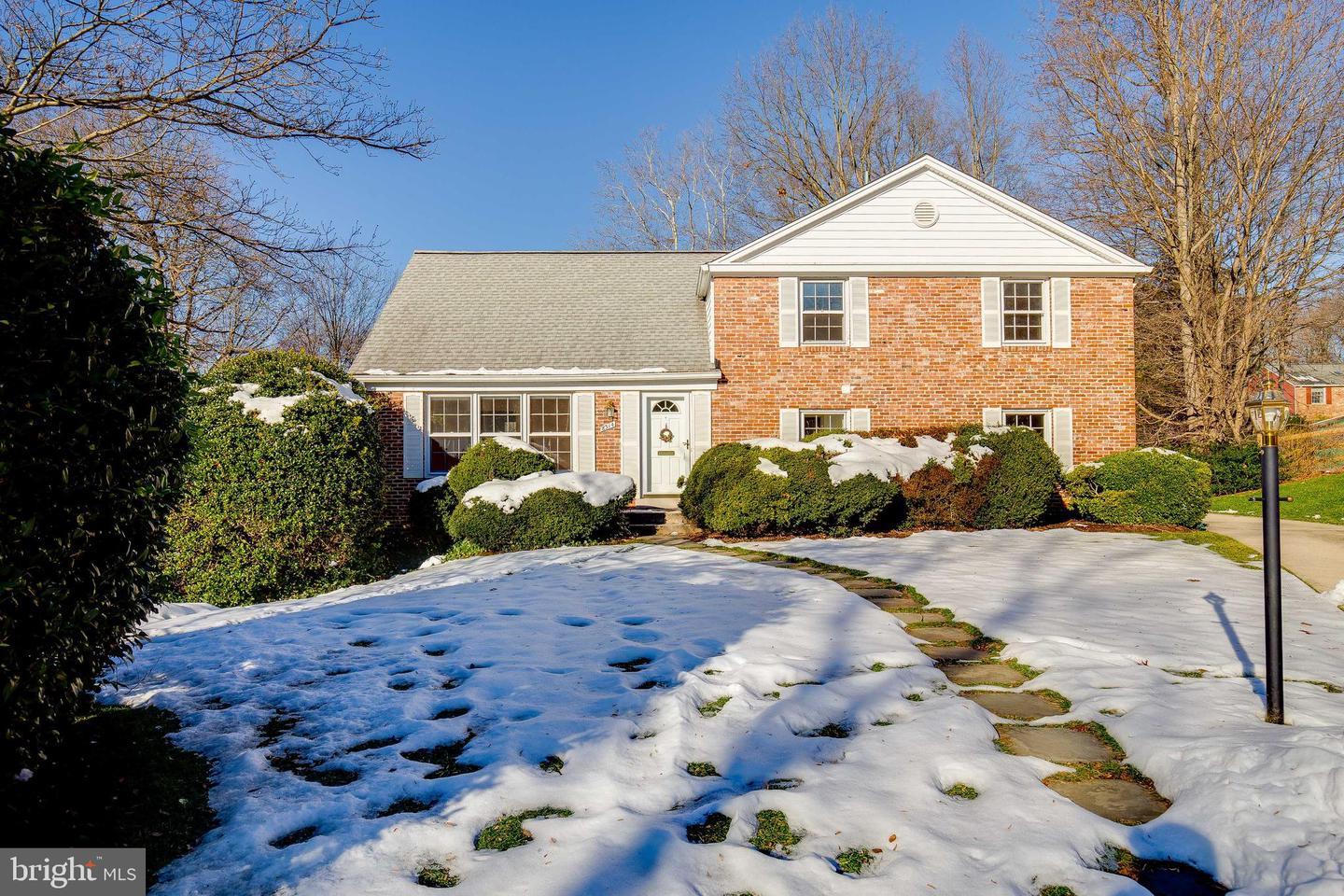
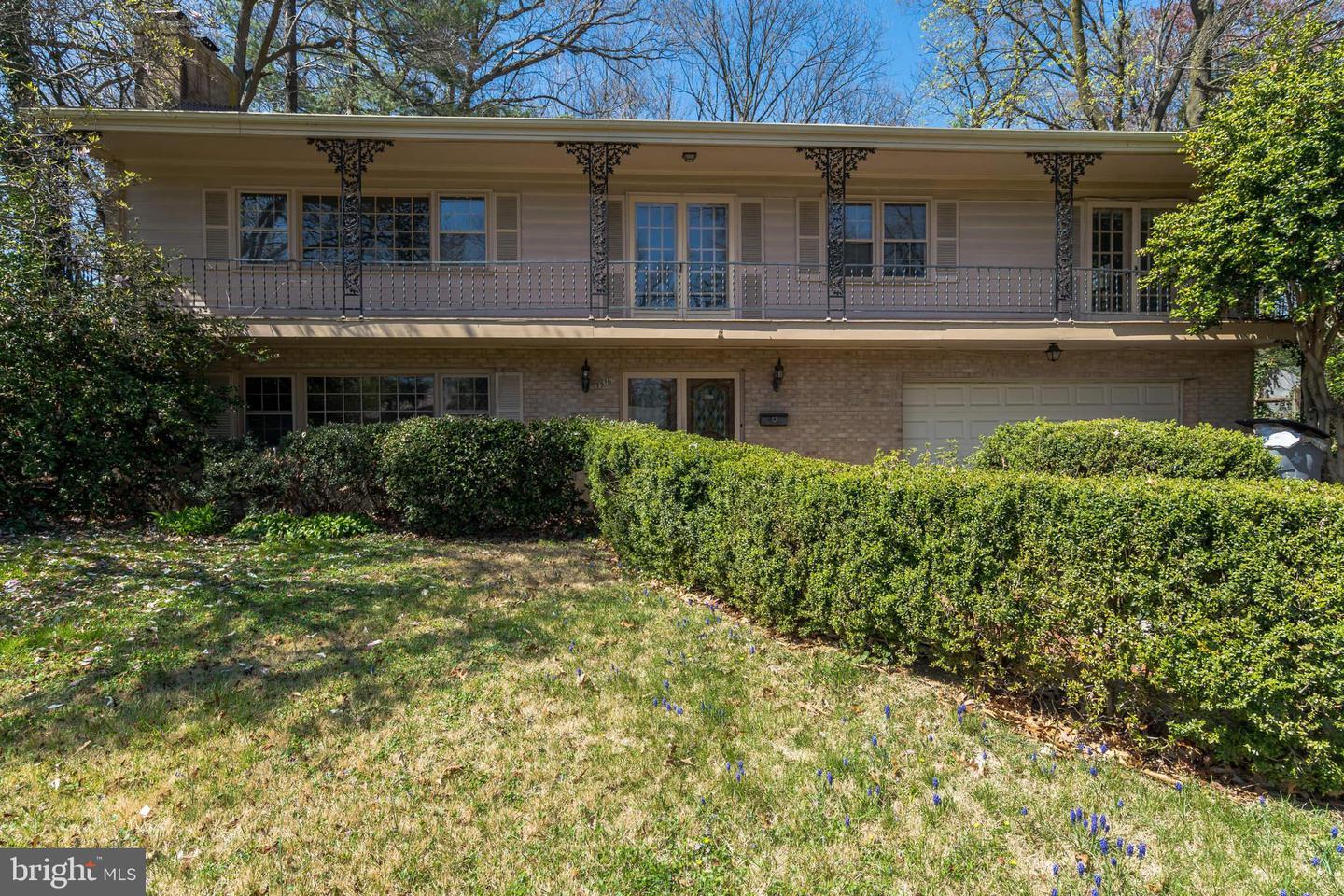
Fairfax probate properties tend to fall into a recognizable pattern. Many are homes purchased between 1968 and 1995, owned by one family through children-and-school years, and held long enough that the kitchen, bathrooms, HVAC, and roof have all reached or passed their useful life. The pricing decision is a judgment call: list in as-is condition and accept a lower number from an investor or owner-occupant willing to renovate, or invest $15,000 to $40,000 in updates (paint, flooring, light fixtures, simple kitchen and bathroom refresh) and capture the broader buyer pool. For most Fairfax probate homes in the $600,000 to $1.2 million range, the second path returns meaningfully more after costs. That is the math a local listing agent should run with the personal representative before the listing photos are taken.
Step 4: The 4-Month Inventory Deadline (and How Fairfax Reviews It)
By the four-month mark from qualification, the personal representative must file an inventory with the Commissioner of Accounts for Fairfax County. The inventory lists every probate asset at its date-of-death value: the home (with a defensible value, usually a date-of-death appraisal), bank accounts, vehicles, brokerage accounts, tangible personal property, and any other asset titled in the decedent’s name alone. Non-probate assets (joint accounts with rights of survivorship, accounts with named beneficiaries, retirement accounts with valid beneficiary designations, life insurance) are not on the inventory.
Fairfax’s Commissioner of Accounts office reviews inventories carefully. The two issues that most often trigger a returned inventory in Fairfax are inaccurate real estate valuation and missing personal property categories. The fix for the first is straightforward: order a written, date-of-death appraisal from a Fairfax-licensed appraiser, ideally one experienced with estate work. The fix for the second is patience: walk through the home one more time with the inventory form before filing, and list categories rather than itemized lines (e.g., “household furniture, $4,800” rather than 47 separate furniture entries).
Step 5: The 16-Month First Accounting
The first accounting is due 16 months after qualification. It reports every dollar that came into the estate (sale proceeds, dividends, refunds), every dollar that went out (carrying costs, taxes, funeral expenses, attorney fees, commissions, distributions to heirs), and reconciles to the estate bank account statement. In Fairfax, the Commissioner of Accounts charges a fee for reviewing accountings, calculated on the value of the estate. For an estate of around $750,000, the Fairfax Commissioner’s fee is in the range of $700 to $1,000.
This is also typically the point at which heirs receive their distributions. A personal representative who is also an heir can take their own share as part of this distribution. The final accounting (or sometimes a combined first-and-final accounting if the estate has been fully administered) formally closes the estate.
What Speeds Up the Fairfax County Timeline
- Booking the qualification appointment early. The Probate Division’s calendar is the tightest constraint in week one.
- Ordering extra certified copies of the death certificate (8 to 12 minimum). Title companies, banks, the IRS, and Social Security each want one.
- Using a date-of-death real estate appraisal, not the Fairfax County tax assessment. Tax assessments lag and are often disputed by the Commissioner.
- Pricing the home for the actual Fairfax buyer pool, not for the assessed value. Mispriced probate homes sit on market longer and force a price reduction that the Commissioner will later question.
- Coordinating the listing agent and the estate attorney early. Most timeline overruns in Fairfax probate are coordination failures, not legal failures.
What Slows Down the Fairfax County Timeline
- Multiple heirs who do not agree on whether to sell or distribute the home in kind.
- Title issues from a prior deed (a missed signature on a 1989 refinance, for example) that surface during the title search.
- Estate income tax filings (IRS Form 1041) that require an estate tax practitioner familiar with Virginia.
- Personal property that cannot be removed quickly (a workshop, a collection, a vehicle that needs to be sold or transferred).
- An inventory that is returned by the Commissioner of Accounts for correction.
Fairfax vs. Loudoun, Arlington, and Prince William
Probate in Virginia is governed at the state level, so the core deadlines (4-month inventory, 16-month accounting) are the same across Northern Virginia. What differs is local courthouse volume and culture. Fairfax processes the most estates and has the longest appointment lead times. Loudoun County’s Circuit Court in Leesburg sees lower volume and typically faster qualification scheduling, though the drive to Leesburg matters for personal representatives based in Eastern Fairfax. Arlington’s probate volume is lower still, with a more compact courthouse process. Prince William County’s Circuit Court in Manassas tends to process probate quickly but has its own Commissioner of Accounts whose review style differs from Fairfax’s. The deadlines do not change. The cadence does. If the personal representative lives outside Northern Virginia, the choice of probate counsel and the choice of listing agent should be made with the specific county in mind.
Probate Timelines in Other Northern Virginia Counties
Virginia law sets the framework, but each Circuit Court runs its own clock. If the estate you are handling sits in a different jurisdiction, these local guides walk through the timeline step by step:
- How Long Does Probate Take in Loudoun County?
- How Long Does Probate Take in Arlington County?
- How Long Does Probate Take in Prince William County?
- How Long Does Probate Take in Alexandria, VA?
Frequently Asked Questions
How long is the wait for a qualification appointment at the Fairfax Probate Division in 2026?
Wait times vary by season. After the New Year and in mid-summer, the calendar can stretch to three to four weeks out. In the early fall, two weeks is more typical. Calling the Fairfax Probate Division directly (in addition to checking the online scheduler) often surfaces a cancellation slot.
Can I list the Fairfax home before the inventory is filed?
Yes. The personal representative’s authority to sell estate real estate begins at qualification, not at inventory filing. The inventory is a reporting deadline, not a permission gate. Many Fairfax probate homes are listed within four to eight weeks of qualification and are under contract before the inventory is even due.
Do I need court approval to sell a probate home in Fairfax County?
Generally no, if the will gives the personal representative power of sale or if all the heirs consent. The Fairfax Circuit Court does not pre-approve probate real estate sales the way some out-of-state probate courts do. Court intervention typically arises only when heirs dispute the sale.
How much will Fairfax County probate cost in tax and fees?
For an estate dominated by a Fairfax home valued around $750,000: the qualifying probate tax is roughly $1,000, the Commissioner of Accounts fees for inventory and accounting together are in the $700 to $1,200 range, attorney fees (if you retain a probate attorney) typically run $2,500 to $7,000, and recording fees and certified copies add another $100 to $300. Real estate commissions and closing costs are paid from the home sale separately.
What if the decedent lived in Fairfax County but the home is in another county?
Probate is filed in the decedent’s county of residence at death. If the decedent lived in Fairfax County and owned real estate in another Virginia jurisdiction, the home is still sold under the Fairfax personal representative’s authority, but the deed is recorded in the county where the home sits. If the home is in another state, ancillary probate may be required there. A probate attorney can map the specifics in the first 30 minutes of a consultation.
Can a personal representative who lives out of state handle a Fairfax probate?
Yes, with logistical adjustments. Virginia allows non-resident personal representatives. The qualification appointment must happen in person at the Fairfax Circuit Court, but most of the remaining administration (banking, real estate listing decisions, document signing) can be handled remotely with an experienced local team. Out-of-state personal representatives often work with a Fairfax probate attorney on the legal side and a Northern Virginia listing agent on the real estate side, with all coordination happening by email, phone, and a shared document folder.
Working With a Local Listing Agent on a Fairfax Probate Sale
David Mount is a Northern Virginia real estate agent who works regularly with personal representatives selling a Fairfax County home through probate. The work breaks into three practical buckets: pricing the home accurately for the Fairfax buyer pool in the current market, coordinating the listing logistics with the probate timeline (so the home is not on the market before personal property is removed and is on the market in time to close before the 16-month accounting), and communicating with the estate attorney and the title company so that the closing paperwork moves through Fairfax Circuit Court without surprises.
The right time to call a listing agent on a Fairfax probate is shortly after qualification, even if the home is not ready to list for two more months. The first conversation is usually a 30-minute walk-through to identify the highest-return preparation work and to give the personal representative a defensible date-of-death pricing range for the inventory filing.
To reach David directly: 571-946-8418 or david.mount@thereduxgroup.com.
Related Reading
- Selling an Inherited Property in Virginia: The 2026 Personal Representative’s Guide
- How Long Does Probate Take in Loudoun County, VA
- Multiple Beneficiaries, One House: How to Sell a Virginia Inherited Home When Heirs Disagree
- Does Virginia Have an Inheritance Tax in 2026?
- Capital Gains on Inherited Property in Virginia
- For Probate Attorneys: How David Mount Supports Estate Sale Listings