


A clear-eyed seller’s guide to Centreville: what it’s actually like to sell here in 2026, sub-neighborhood by sub-neighborhood, written by an agent who’s closed five Centreville homes in the last 18 months.
Why selling a home in Centreville is its own thing
Where I’ve sold: I’ve personally closed sales in Stonehenge and Sully Station within Centreville.
Centreville is one of the more interesting sub-markets in Fairfax County to sell in, and one of the most often misunderstood. From the outside it can look like a single big ZIP code (mostly 20120 and 20121) in the western corner of the county. From the inside, it’s ten or twelve distinct sub-neighborhoods, each with its own pricing curve, buyer profile, and HOA quirks. Faircrest doesn’t price like Virginia Run. Compton Valley Estates doesn’t price like Stone Heather. Sully Station has a different commute story than Centre Ridge. If your agent treats “Centreville” as one homogeneous market, your home is going to sit on the market longer than it needs to, or sell for less than it should.
Centreville also has the unusual feature of carrying both larger single-family homes (often built in the late 1980s through the 2000s, sized 2,500 to 4,500 square feet) and a deep inventory of attached townhouses and end-units in the $400K, $700K range. Those two product types attract very different buyers, sell on different timelines, and need different listing strategies. Pricing a Centreville townhouse against Centreville single-family comps is a common rookie mistake that costs sellers tens of thousands of dollars.
David’s recent Centreville track record
Five Centreville sales closed in 2025 to 2026, ranging from a $435,800 townhouse on Stone Range Drive to a $924,900 single-family home on Wetherburn Drive. That means David is pricing your Centreville home against today’s actual sold comps, not last year’s. Call David at (571) 946-8418 or email david.mount@thereduxgroup.com.
What this guide covers
- Centreville sub-neighborhoods, ranked by how they price
- Pricing a Centreville home in 2026. The comp problem
- Townhouse vs. single-family: two different selling games
- Schools, commute, and the buyer-pool reality
- Timing the Centreville market, when to list
- Centreville-specific prep that moves the needle
- Common Centreville seller mistakes
- Frequently asked questions
Centreville sub-neighborhoods, ranked by how they price
The single most useful thing I can tell a Centreville seller is this: your sub-neighborhood matters more than the word “Centreville.” Buyers searching for “Centreville VA homes” on Zillow or Redfin will see your listing, but they’ll filter by HOA fee, school assignment, and lot size, and those filters split Centreville into very different markets.

Virginia Run
The premium Centreville address. Larger lots (often 0.3 to 0.5 acres), strong HOA with pool/tennis amenities, and proximity to the Stone Road corridor. Single-family homes typically price at the top of Centreville’s range. Buyers here are often move-up families who specifically want the Virginia Run name, meaning your listing strategy should lean into the community brand, not just the house. Nearby Westfield High School pyramid pulls in additional buyer demand.
Stone Heather / Stone Lake
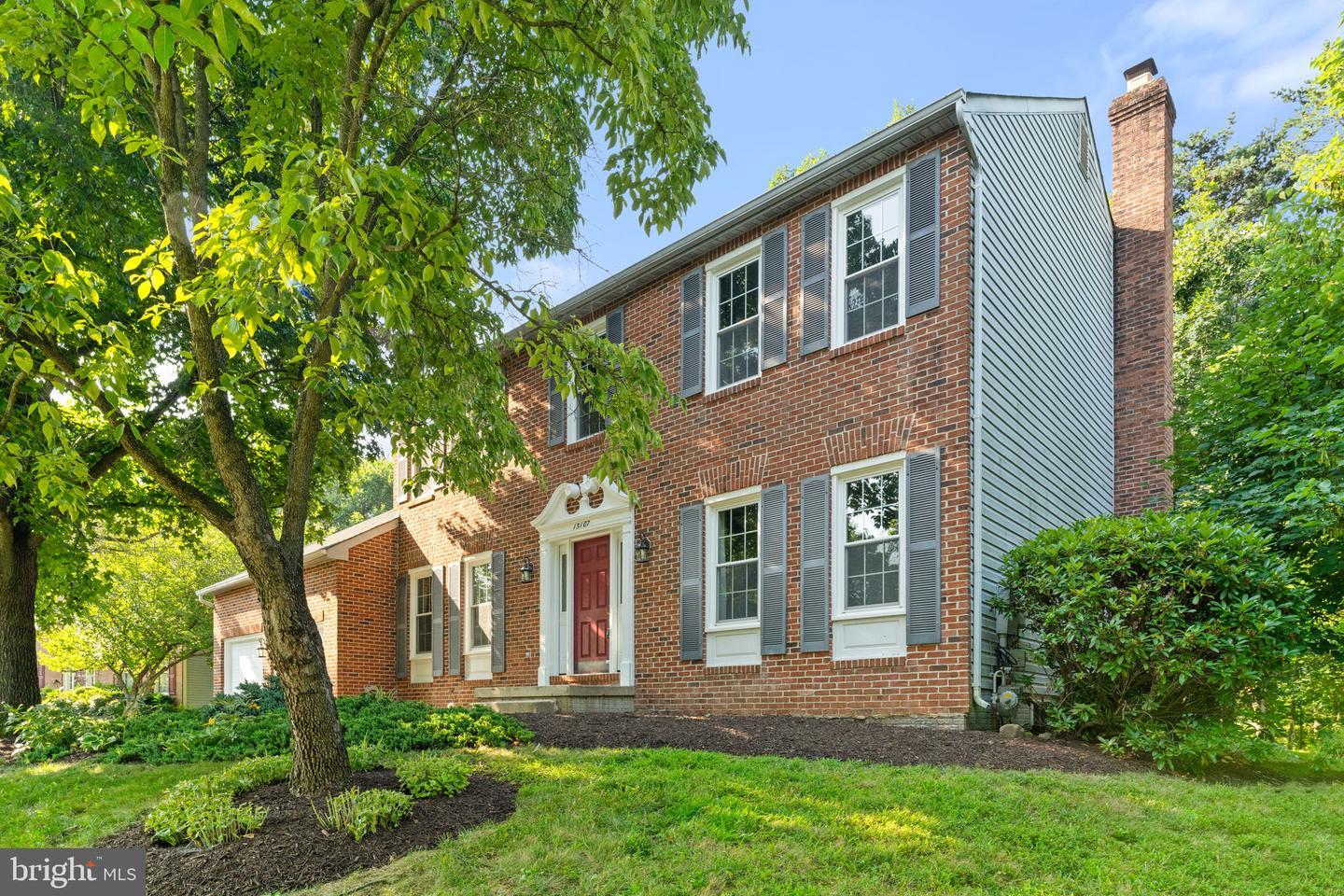
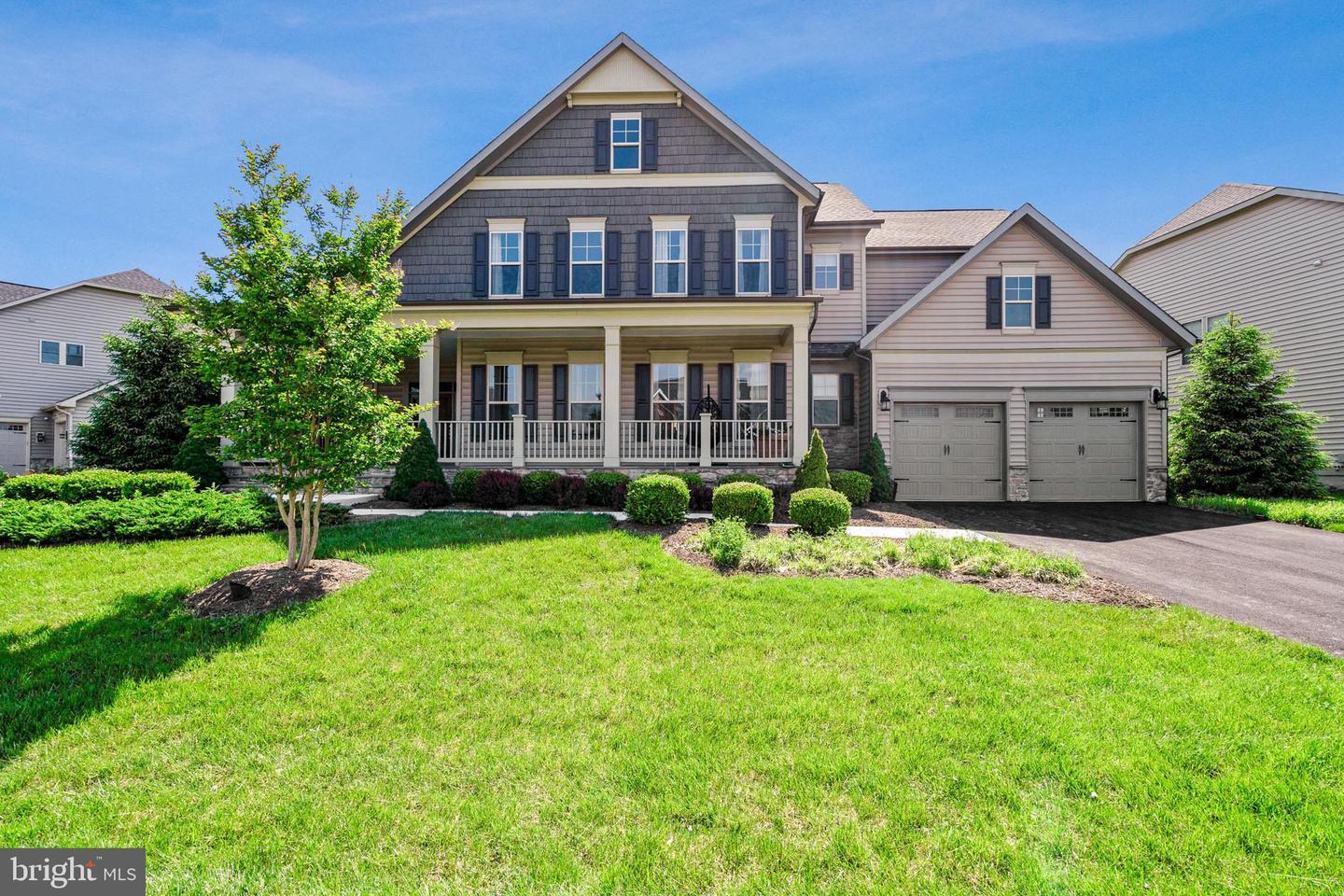
Newer construction (much of it 2000s and later), water-feature community amenities, and a pricing curve that has held up well through the 2024 to 2025 cycle. David sold 15107 Wetherburn Drive in 2026 for $924,900, a six-bedroom, four-bath single-family home that demonstrates the upper end of what this sub-market supports. Buyers here are typically employed in the Dulles tech corridor or Washington Dulles International Airport-adjacent jobs and value the I-66 / Route 28 access.
Faircrest
One of Centreville’s most active resale sub-markets. A mix of single-family homes and townhouses, generally built in the late 1990s and early 2000s, with a community pool and reasonable HOA dues. David has closed three Faircrest homes, 5920 Baron Kent Lane sold twice (in 2021 for $515,000, then again in 2026 for $615,000, showing the appreciation curve), and 5850 Watermark Circle (a 2022 townhouse sale at $500,000). The 2026 Baron Kent resale is a particularly useful comp for any Faircrest seller weighing whether to list now or wait.
Sully Station / Sully Station II / Compton Valley Estates
★★★★★ “He took a stressful process and made it seem effortless… He was always on time, available, honest and kind.” Ray M., who listed her Sully Station townhouse with David in 2026. It sold for $707,000, more than $80,000 above the $624,200 Zestimate shown in the months before the sale. 5-star Google review.
Established neighborhoods with strong HOAs and significant amenity packages (pools, tot lots, walking trails). David sold 6940 Compton Lane in 2026 for $595,000 and 6930 Compton Lane in 2020 for $425,000. The same street, six years apart, jumped roughly $170,000, a clean illustration of how this micro-market has appreciated, and a useful number to keep in mind when deciding whether your Compton Valley Estates home is “ready to list” or needs another year. Compton Valley Estates in particular tends to draw buyers who want the SFH lifestyle without the Virginia Run price.
Centre Ridge / Centre Pointe
The townhouse-heavy section of Centreville, with attached homes typically built in the 1990s and a strong renter-investor presence in some pockets. David sold 14507 Castleford Court in 2021 for $428,000. Centre Ridge units typically sell to first-time buyers, downsizers, or move-up buyers who are renting before they buy a single-family home. HOA fees vary by sub-association, and getting the disclosure packet right (Va. Code §55.1-1809 governs the Property Owners’ Association Disclosure Packet, with a three-day cancellation window for the buyer) is genuinely important here.
Compton Valley Estates / Stone Range / Centreville Crest
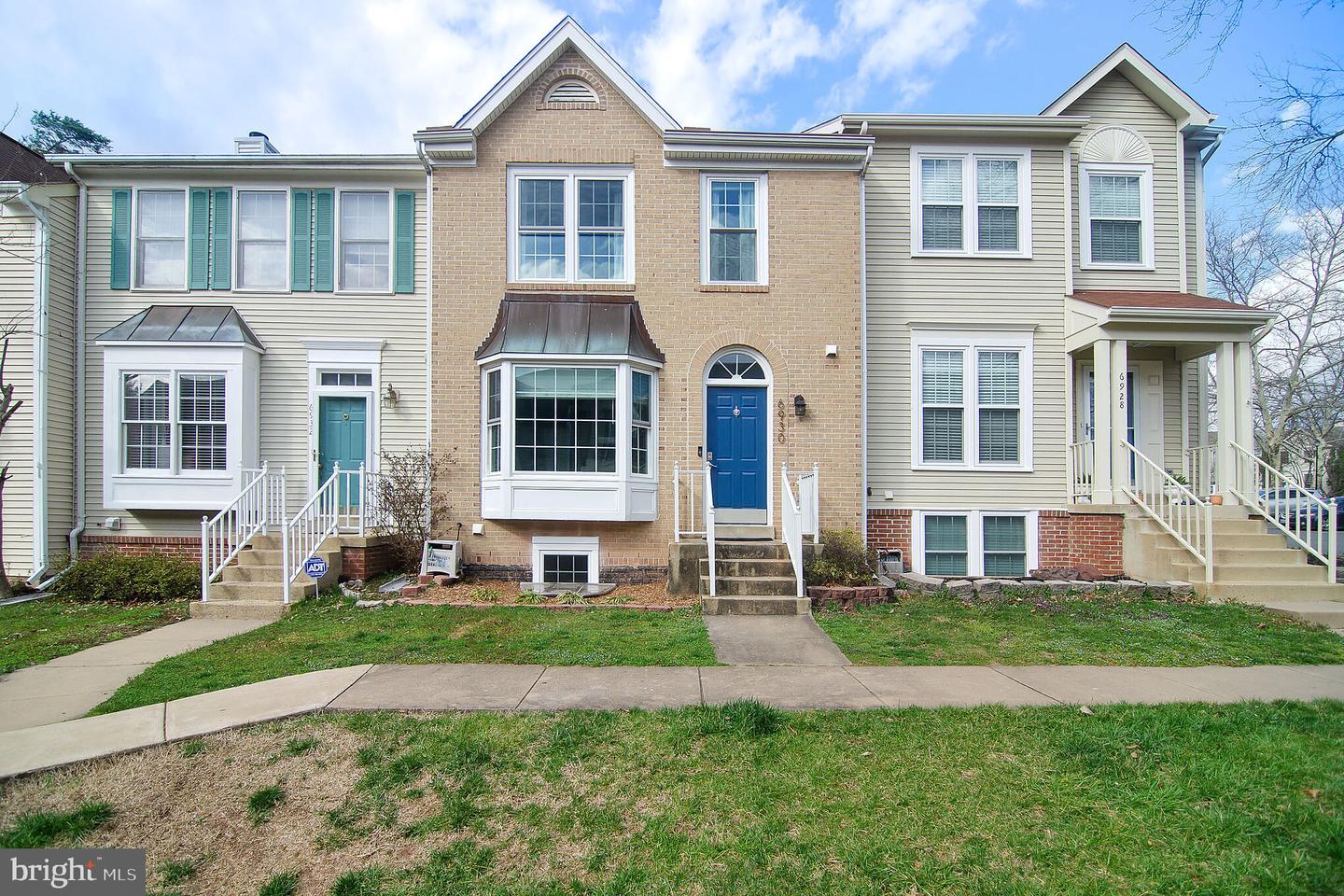
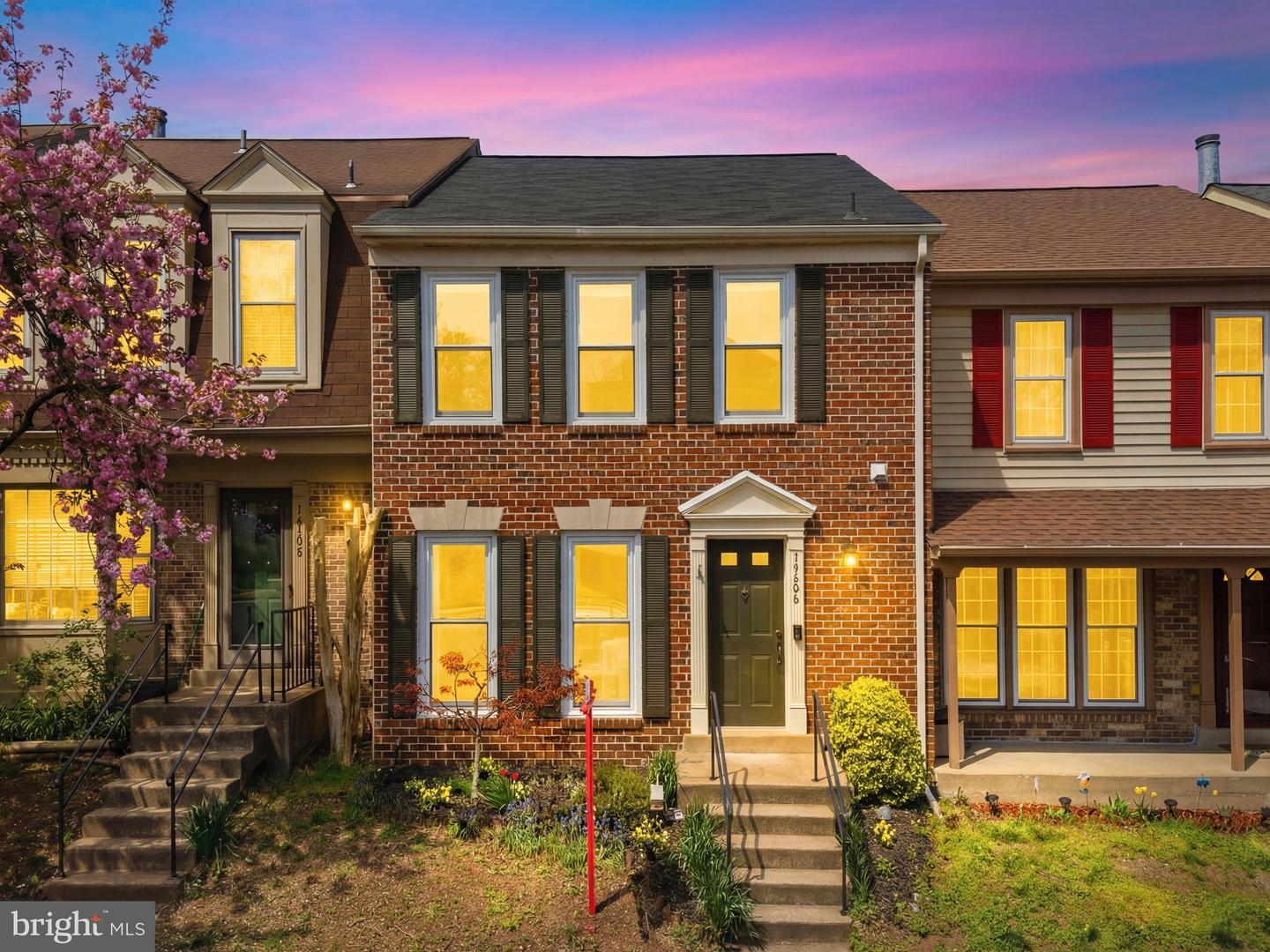
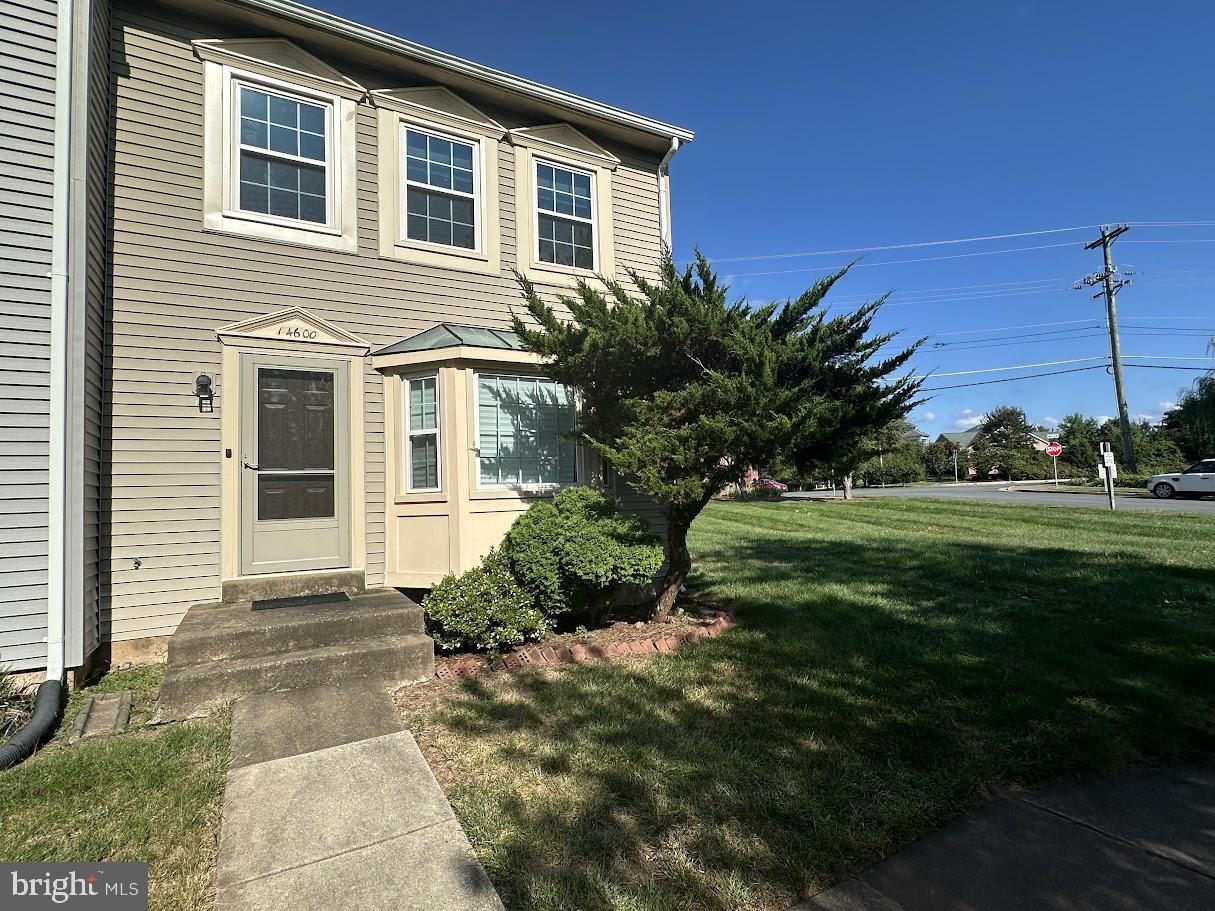
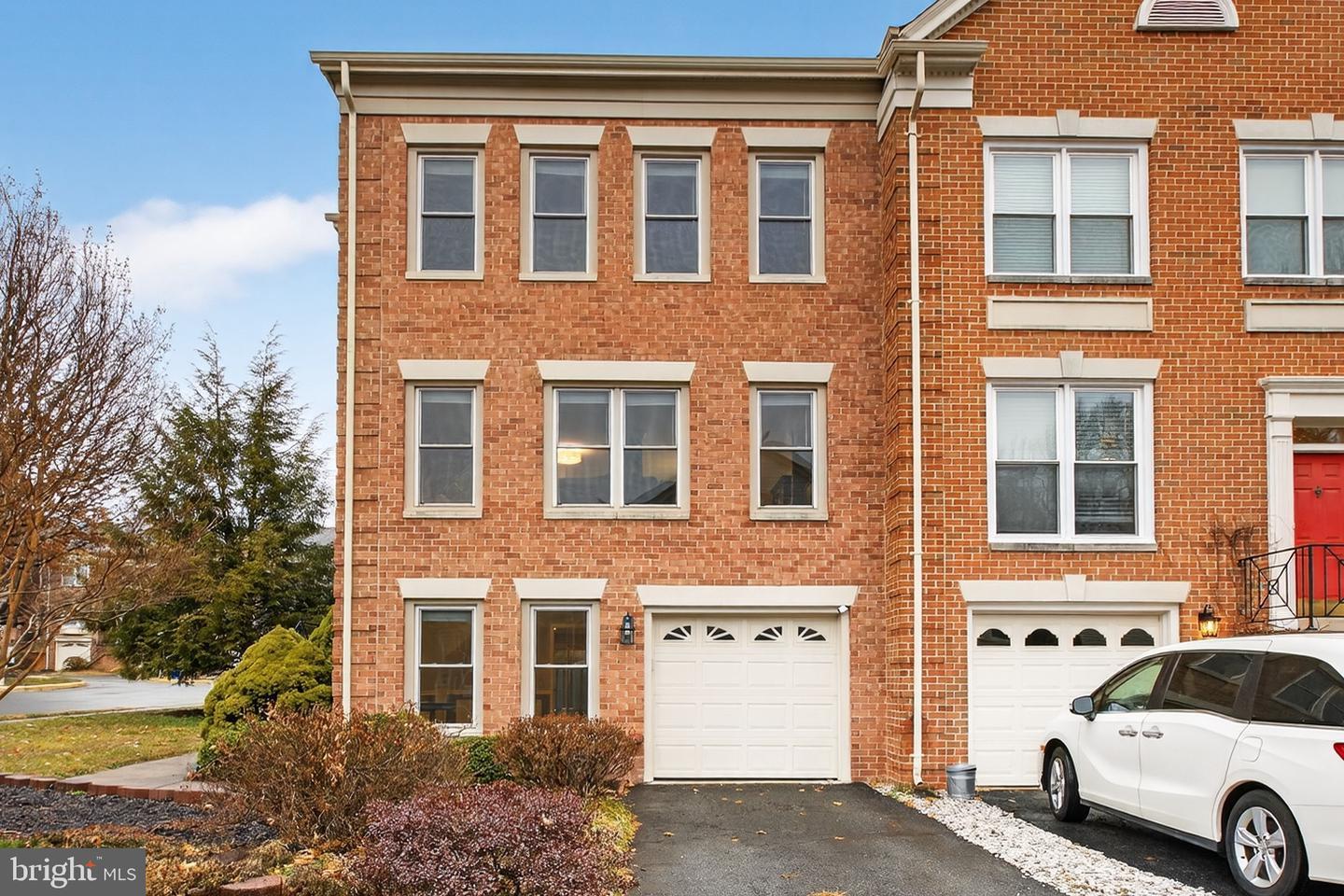
Mid-tier townhouse communities, generally built in the late 1990s to early 2000s. David sold 14348 Winding Woods Court in 2026 for $707,000 (a four-bedroom townhouse that closed at $82,800 above its Zillow Zestimate, a story I wrote about in detail here), 14600 Stone Range Drive in 2025 for $435,800, and 14514 Black Horse Court in 2022 for $414,000. These streets are within walking or short driving distance of each other, but their townhouse pricing is materially different based on the year built, end-unit vs. interior unit, garage configuration, and view.
Woodgate Manor
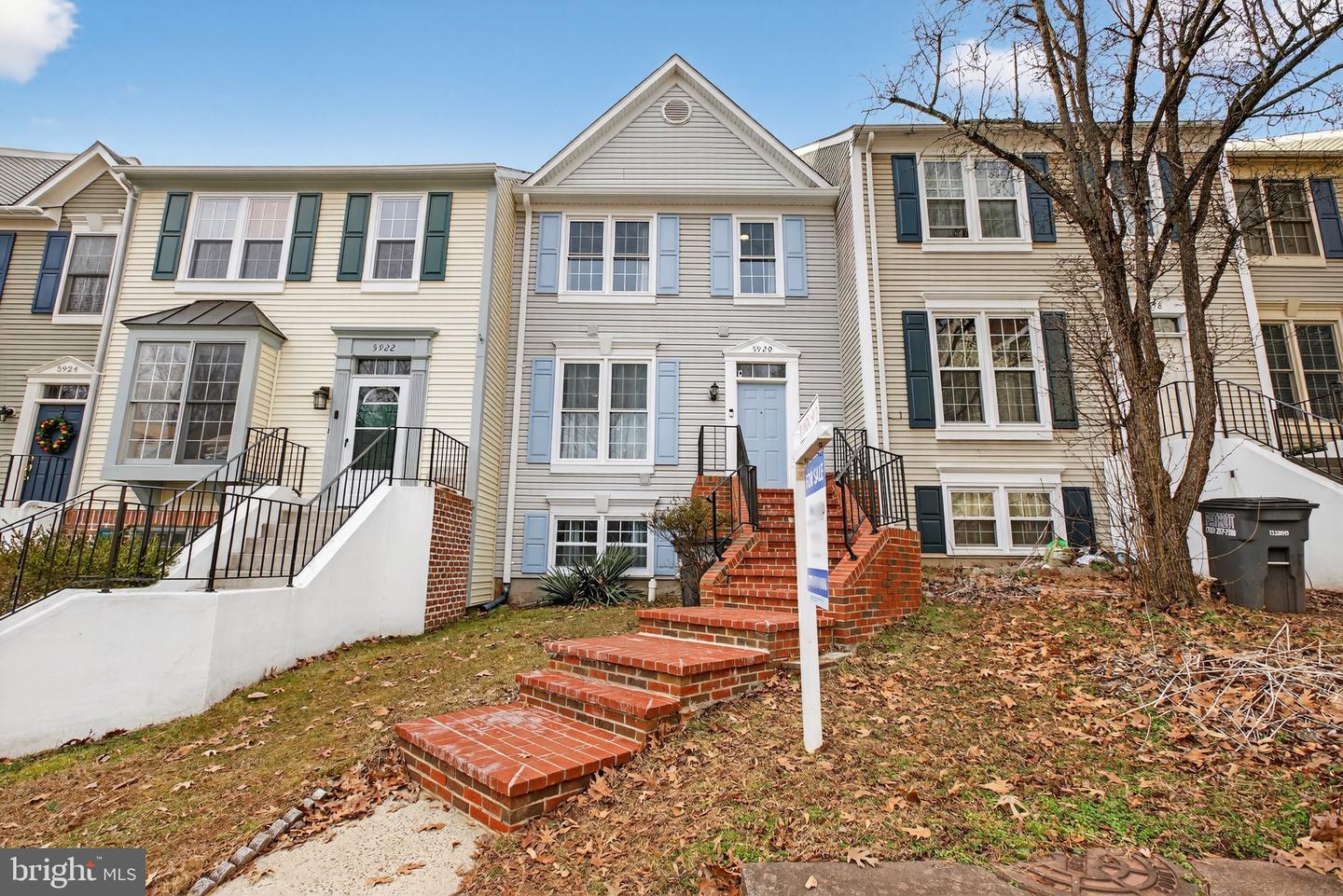
Woodgate Manor is one of Centreville’s smaller, quieter sub-neighborhoods, with a mix of single-family homes typically built in the late 1980s and early 1990s. Buyers here are often move-up families looking for a slightly more secluded feel than the larger Sully Station or Faircrest communities while still being inside the Centreville commute corridor.
Pricing a Centreville home in 2026: the comp problem
The honest version of how Centreville pricing works in 2026 is this: there are enough closed sales in Centreville every quarter to give you a real comp set, but those comps are spread across very different sub-neighborhoods and product types. If you take the easy approach, pull the last six months of Centreville sales, average them, divide by square footage, you will get a number that is wrong by enough to cost you real money.
The right approach is to:
- Filter to your sub-neighborhood first. Faircrest comps for a Faircrest home. Sully Station comps for a Sully Station home. Don’t cross sub-neighborhoods unless yours has too few recent sales to support a clean comp set.
- Filter to product type. Townhouse-to-townhouse, single-family-to-single-family. End-unit vs. interior-unit matters, end units typically command a 4 to 7% premium in Centreville townhouse communities.
- Adjust for year built. Centreville has homes built across three decades. A 1989 home and a 2003 home in the same sub-neighborhood are not comps, even at similar square footage.
- Adjust for HOA dues and amenity package. Two-story townhouses with $200/month HOA fees do not price the same as garage-equipped townhouses with $350/month fees, even when the listing prices look identical.
- Look at the active and pending market, not just closed. Closed comps are 60 to 90 days old by the time they hit MLS. Pending listings tell you where buyer demand actually is right now.
The Zestimate is not a substitute for this work. The $707,000 Winding Woods Court sale I just mentioned closed $82,800 above the Zestimate. I have a separate post explaining why Zestimates run cold in Centreville and the rest of Northern Virginia.
Townhouse vs. single-family: two different selling games
Most of Centreville’s housing stock falls into one of two product types: detached single-family homes (typically 2,500 square feet and up, on lots ranging from 0.15 to 0.5 acres) and attached townhouses (typically 1,400 to 2,400 square feet, with 2 to 3 finished levels). Selling each requires a different playbook.
Selling a Centreville single-family home
Single-family buyers in Centreville are usually move-up families coming from Northern Virginia townhouses, condos in Reston/Herndon/Fairfax, or relocations from outside the area. They’re looking at three things:
- School pyramid. Centreville falls under Centreville HS and Westfield HS pyramids depending on address. Specific elementary schools (Bull Run, Cub Run, Centreville Elementary, Stone Hill, Virginia Run) draw different buyer subsets. Listing copy that calls out the specific elementary attendance zone is worth more than generic “great schools” language.
- Lot size and yard. Centreville buyers in this product type are often coming out of townhouses where they couldn’t fit a swing set or a dog run. Photographing and describing the usable yard matters more than it does in tighter sub-markets.
- Commuter access. I-66 (with HOV-3 / EZ-Pass Express Lanes), Route 29, and Route 28 all converge near Centreville. Listing copy that names the actual commute time to specific employers (Pentagon, Tysons, Dulles, Fairfax County Government Center) outperforms generic “commuter-friendly” copy.
Selling a Centreville townhouse
Townhouse buyers in Centreville are often first-time buyers, downsizers from larger homes elsewhere in Fairfax County, or military households on a 2 to 3 year orders cycle. They’re looking at:
- HOA fee and what it covers. The HOA fee is the second-most-asked question after price. Townhouse buyers in Centreville will run the math, mortgage + HOA + taxes + insurance, before they tour. Make sure your listing copy clearly states the fee and what’s included.
- End-unit vs. interior unit. End units sell faster and at a premium. If yours is an end unit, lead with that.
- Garage configuration. One-car garage vs. two-car garage vs. no garage drives a meaningful price difference. Make sure your photos show the garage clearly.
- Walk-out level. Townhouses with finished walk-out lower levels (especially with a yard or patio) sell faster. Stage that level.
Schools, commute, and the buyer-pool reality
Centreville draws buyers from a mix of employer hubs: Tysons Corner, the Dulles tech corridor, the Pentagon, Quantico, Fairfax County Government Center, INOVA Fair Oaks Hospital, and, for a particular slice of buyers, Washington Dulles International Airport-adjacent businesses. Each of those employer pools has its own buyer profile and its own time-to-decide.
Military relocations into Northern Virginia (PCS orders) often bring families to Centreville because it’s a relatively affordable entry point compared to Vienna, McLean, or Arlington while still providing strong school assignments. My military PCS guide for Northern Virginia goes into the timing and process for those buyers, and it’s worth understanding even if you’re a seller. Military buyers move on a calendar (orders dates, BAH cycles) and that calendar can work for or against your listing depending on when you go live.
School-wise, the practical version is: Centreville is split across multiple high school pyramids. Centreville High School, Westfield High School, and Chantilly High School all pull from different sections of the 20120/20121 ZIP codes. Buyers who specifically want one pyramid will filter on it. Listing copy that names your assigned elementary, middle, and high school explicitly, with current Virginia Department of Education ratings if available, helps buyers self-select faster.
Two Centreville sales from 2026, with the numbers
Woodgate Manor: $615,000 on a $600,000 list, multiple offers
Kris and Jinae are repeat clients: I have helped them purchase four homes over the years, and in 2026 they asked me to list and sell one of them, their single-family home in Woodgate Manor. We listed at $600,000. The preparation and launch were built to draw a crowd in the first weekend, and they did: multiple offers, and a ratified contract at $615,000. In Woodgate Manor the buyer is usually a family that wants a quieter, established street inside the Centreville school pyramids, and the homes that show well on day one are the ones that get bid up.
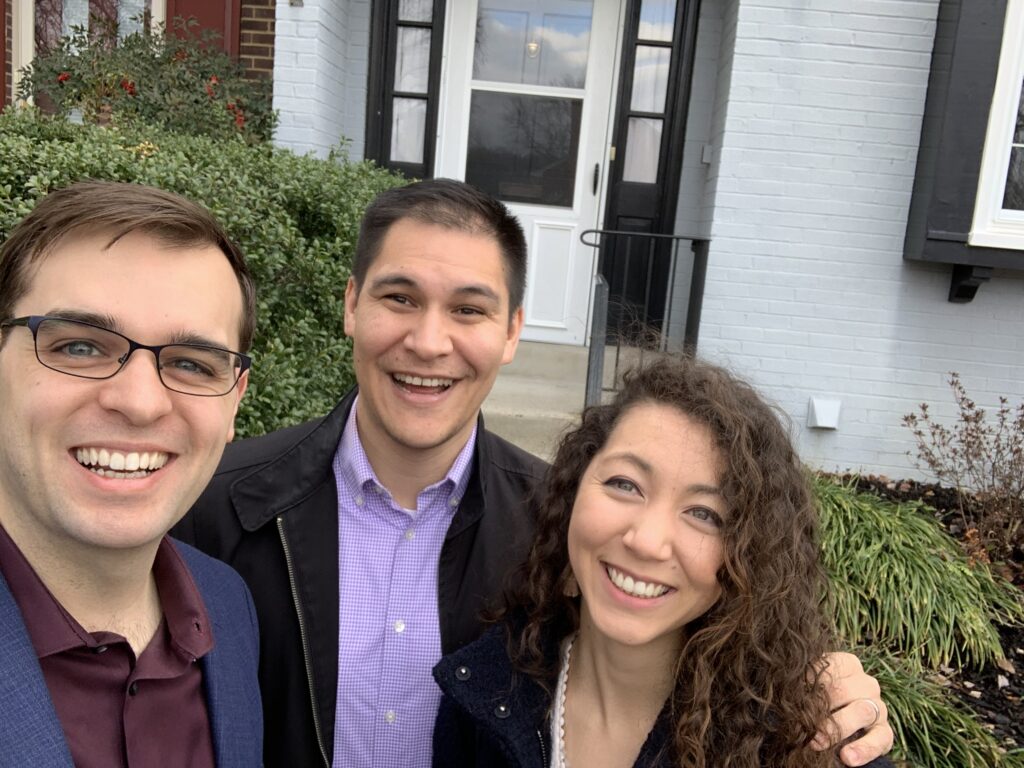
Sully Station: $707,000 on a townhouse the algorithm valued at $624,200
Ray M. listed her Sully Station townhouse with me in 2026 while downsizing. The Zestimate in the months before the sale showed $624,200. We priced from actual Sully Station end-unit and garage comparables rather than the algorithm, prepared the home properly, and sold it for $707,000, more than $80,000 above the online estimate. Ray’s review: “took a stressful process and made it seem effortless. Always on time, available, honest and kind.” If you are a Centreville seller relying on an online estimate to decide whether to sell, that gap is the reason to get a real, neighborhood-specific analysis first.
Timing the Centreville market, when to list
The Centreville selling calendar in 2026 looks similar to the broader Fairfax County calendar, with a few sub-market specifics:
Late February through May is the strongest window. Family buyers want to close and move in time for the next school year. Move-up buyers in Faircrest, Sully Station, and Virginia Run are coming off townhouse contracts and shopping aggressively. If your home shows well, this is when it commands the highest price.
June through August is a softer window for higher-priced single-family inventory but actually a stronger window for townhouse listings. Military PCS buyers are often house-hunting on a tight summer calendar tied to orders dates, and they tend to buy in the townhouse and entry-level single-family range that Centreville offers in volume.
September through early November is a secondary spring. Serious buyers who didn’t close in the spring, plus a wave of relocations tied to fiscal-year transitions in Federal employment. This window underperforms spring on volume but tends to attract decisive buyers with fewer contingencies.
Mid-November through January is the slowest window. Inventory drops, but so does buyer pool. The exception is the relocation buyer with a hard start date in early January. These buyers are aggressive and decisive, but there are fewer of them. If you have to list in this window, the playbook is different: tighter pricing, more aggressive pre-list prep, and digital marketing that works overtime.
Centreville-specific prep that moves the needle
The pre-list checklist for a Centreville home looks different from a Vienna or McLean home. Buyer expectations are different, and the dollars-per-improvement math is different. The improvements that consistently pay off in Centreville:
- Front-door curb appeal. Centreville buyers driving up Stone Road, Compton Road, or Braddock Road are often touring three to five homes per visit. The first 30 seconds matter. New paint on the front door, fresh mulch, trimmed shrubs. Modest spend, real return.
- Kitchen lighting and hardware. Most Centreville homes were built before 2010. The original brushed-nickel cabinet hardware and oil-rubbed bronze pendant lights are dating the kitchen even when the cabinets and counters are fine. A few hundred dollars of hardware and lighting updates often takes a kitchen from “dated” to “tasteful” in photos.
- Master bath caulking and grout. Centreville buyers tour a lot of homes. The master bath that has crisp white grout and clean caulking will read as “maintained.” The one that has yellowed grout or peeling caulk will read as “maintenance neglected,” even if the rest of the home is fine. This is a $200 fix.
- Basement moisture management. Centreville sits on Bull Run-adjacent terrain in places, and basement moisture is a real-world buyer concern. If you have a sump pump, label and demonstrate it. If you have a drainage issue, address it before listing. The inspection will find it.
- HOA disclosure packet ordered early. Va. Code §55.1-1809 requires the seller to provide the Property Owners’ Association Disclosure Packet to the buyer, and the packet triggers a three-day cancellation window. Order it the day you list, not the day you go under contract. A delayed packet can extend your closing and give a wavering buyer a reason to walk.
Common Centreville seller mistakes
Pricing against the wrong sub-neighborhood. The most expensive mistake. A Faircrest townhouse priced against a Virginia Run single-family comp is going to sit. A Stone Heather single-family home priced against a Centre Ridge townhouse is going to leave money on the table.
Underestimating the HOA review. Centreville buyers and their agents read the HOA packet carefully. If your community has a planned special assessment, deferred maintenance, or pending litigation, get ahead of it in your listing notes. Surprises late in the contract kill deals.
Listing too soon after a major life event. If you’re selling because of inheritance, divorce, or relocation, the temptation is to list immediately. In Centreville, a 30-day prep window almost always produces a higher net than a fast list. My guide to selling an inherited property in Northern Virginia walks through that timeline.
Trusting the Zestimate. Zestimates run materially cold on Centreville townhouses and Centreville single-family homes alike, sometimes by $50,000 or more. I documented two specific Centreville-area examples here.
Skipping the pre-list inspection. Centreville homes are mostly 20 to 35 years old. There’s almost always something a buyer’s inspector will flag. A pre-list inspection, or at minimum a thorough walkthrough by your agent, lets you fix the small stuff before it becomes a negotiation lever.
Inherited a Home in Centreville?
I have sold homes in Centreville communities including Sully Station and Stonehenge, and as a Certified Probate Real Estate Specialist I help families across Fairfax County sell inherited property. If you have inherited a home here, start with my guide to selling an inherited home in Fairfax County. It covers probate steps, tax questions, and how to get the home ready. If you are deciding who to hire, read how to choose the best listing agent for an inherited house in Fairfax County. No pressure, and no rush.
Frequently asked questions about selling a home in Centreville
How much is my Centreville home worth in 2026?
Centreville home values in 2026 vary widely by sub-neighborhood and product type. Townhouses in established communities like Faircrest, Compton Valley Estates, and Centre Ridge typically range from the low $400s to the mid $700s depending on size, end-unit status, and condition. Single-family homes range from the high $500s in the more modest sub-neighborhoods to over $1 million in Virginia Run and Stone Heather. The most accurate way to get a current value is a sub-neighborhood-specific comp analysis, not a Zestimate. Call David at (571) 946-8418 for a free, no-obligation Comparative Market Analysis.
How long does it take to sell a home in Centreville?
In a typical 2026 spring market, a well-prepared and well-priced Centreville home usually goes under contract in 7 to 21 days, with closing 30 to 45 days after that. Townhouses tend to move faster than single-family homes in this market. Homes that are overpriced or unprepared can sit 60+ days, which itself becomes a negative signal that further compresses your eventual sale price.
Should I sell my Centreville home now or wait?
The honest answer depends on your sub-neighborhood and your situation. Inventory in Centreville has been tight through 2024 and 2025, which has supported pricing. If you’re selling because of a life event, inheritance, divorce, downsizing, or relocation, the calendar is usually driven by your situation more than by market timing. If you’re selling discretionarily and want to optimize price, the late February through May window is generally the strongest in Centreville.
What’s the difference between Centreville and Chantilly?
Centreville and Chantilly share a school pyramid in places (Westfield High School in particular) and a commute corridor along Route 28 and I-66, but they’re separate ZIP codes (20120/20121 for Centreville, 20151/20152 for Chantilly) with different HOA structures and slightly different buyer profiles. Chantilly tends to skew newer construction; Centreville has a deeper inventory of resale homes built in the 1989 to 2010 window. Pricing curves are similar but not identical.
Do I need to make repairs before listing my Centreville home?
It depends on what the repairs are. Cosmetic improvements (paint, hardware, lighting, landscaping) almost always pay off in Centreville at a 2 to 3x return. Major systems repairs (roof, HVAC, water heater) sometimes pay off and sometimes don’t: the right answer depends on your home’s age, the comp set, and how aggressively buyers in your sub-neighborhood are negotiating right now. A pre-list walkthrough with an experienced Centreville agent will give you the specific answer for your home.
What HOA disclosures does a Centreville seller need to provide?
Most Centreville sub-neighborhoods are governed by a Property Owners’ Association (POA), which means the seller must provide a POA Disclosure Packet under Va. Code §55.1-1809. The packet includes the association’s governing documents, financials, and any pending special assessments. The buyer gets a three-day cancellation window after receiving the packet. Order the packet the day you list, turnaround can take 1 to 2 weeks and a delayed packet can push your closing date.
Can I sell my Centreville home if it’s held in a trust or part of an estate?
Yes. Trust-held and probate sales are routine in Centreville. The mechanics differ depending on whether the home is held in a revocable living trust (where the successor trustee has authority to sell under the trust document and Va. Code §64.2-778) or whether it’s subject to probate administration (where the personal representative or executor has authority under the will and Va. Code Title 64.2). I have separate guides on selling a trust-held home in Virginia and the difference between a trust sale and a probate sale. For the county-level process, see my guide to selling an inherited home in Fairfax County.
Talk to David about your Centreville home
If you’re thinking about selling a home in Centreville, whether it’s a Faircrest townhouse, a Compton Valley Estates single-family, a Stone Heather move-up, or anything in between, David can give you a clear, sub-neighborhood-specific read on what your home is worth in today’s market and what the right listing strategy looks like for your situation. No pressure, no obligation, just an honest conversation.
Call David Mount: (571) 946-8418
Email: david.mount@thereduxgroup.com

About David Mount, REALTOR®
The Redux Group of eXp Realty | Fairfax, VA | Serving Fairfax, Loudoun, Arlington, Prince William, Alexandria & Falls Church
David grew up in Burke, Virginia and graduated from Lake Braddock Secondary School. He has 12+ years of full-time experience and 200+ transactions in Northern Virginia residential seller representation, with a particular focus on life-transition sales, inherited property, divorce, downsizing, military relocation, and out-of-state moves, and is well-versed in the procedures that govern Virginia probate and trust-held home sales under Title 64.2 of the Code of Virginia (Wills, Trusts & Fiduciaries).
Credentials & recognition: NVAR Top Producers Club Platinum Member (2024 and 2025) · 100+ five-star verified client reviews · FastExpert 5-Star Agent · Zillow Premier Agent · The Redux Group, eXp Realty’s largest team in Northern Virginia.
Contact David: (571) 946-8418 · david.mount@thereduxgroup.com
Related seller resources
- Best neighborhoods to sell in Fairfax, VA
- Selling a home in Mantua, Fairfax, VA
- Selling a home in Fairfax Station, VA
- Selling a home in Oakton, VA
- Why the Zillow Zestimate is wrong on Northern Virginia homes
- Selling an inherited property in Northern Virginia
- Military PCS relocation guide for Northern Virginia