


Updated April 29, 2026 by David Mount, REALTOR®, The Redux Group of eXp Realty | Burke-area local, Fairfax City rental property owner, recent City sale
Quick Answer: The City of Fairfax is an independent city, not a Fairfax County neighborhood, with its own government, school division (Fairfax City Schools, contracted through Fairfax County Public Schools), property tax rate, and zoning code. That distinction matters meaningfully for sellers because it affects everything from the tax assessment process to which jurisdiction’s recordation tax applies at closing. Single-family homes in Fairfax City typically list between $725,000 and $1,250,000 in 2026, with sub-neighborhood, lot, condition, and walkability driving most of the variance. The most common Fairfax City seller mistake is treating the property as a generic Fairfax County listing: the city’s distinctive character, walkable Old Town core, and independent-city status are what justify the premium over comparable Fairfax County addresses just outside the city limits.
What’s in this guide:
- Why I Know This Market: Local Owner and Recent Seller
- Fairfax City vs Fairfax County: The Distinction Sellers Must Get Right
- Sub-Neighborhoods Compared
- 2026 Fairfax City Market Snapshot
- HOA Considerations and Va. Code §55.1-1809
- Pricing Strategy: The Walkability and Old Town Premium
- Fairfax City Pre-Listing Checklist
- Frequently Asked Questions
Why I Know This Market: Local Owner and Recent Seller
I have two specific authority claims for Fairfax City that go beyond general Northern Virginia agent expertise: I own a rental property in Fairfax City, and I closed a Fairfax City sale recently. Both matter for very practical reasons.
Owning property in the City means I deal personally with the city’s tax assessor, the city’s water and trash services, the city’s permitting process, and the realities of being a Fairfax City property owner versus a Fairfax County property owner. The differences are not trivial. Real-estate-tax assessment cycles, business-license requirements (different for landlords in the City vs. the County), and even small details like trash-collection schedules all run differently. As a seller’s agent, those details translate into honest, accurate representations to buyers about what they’re actually buying into, which is something a generic Fairfax County agent cannot match without firsthand experience.
The recent City sale gives me 2025/2026 data on what the buyer pool here is actually paying for, what concessions matter, and how the city-vs-county positioning plays out in offers. Those aren’t theoretical. They’re observed.
I grew up in Burke and graduated from Lake Braddock Secondary School, about 10 to 15 minutes from the City of Fairfax. The Burke-local context plus my Fairfax City property ownership and recent transaction give me a depth of knowledge most agents don’t have here.
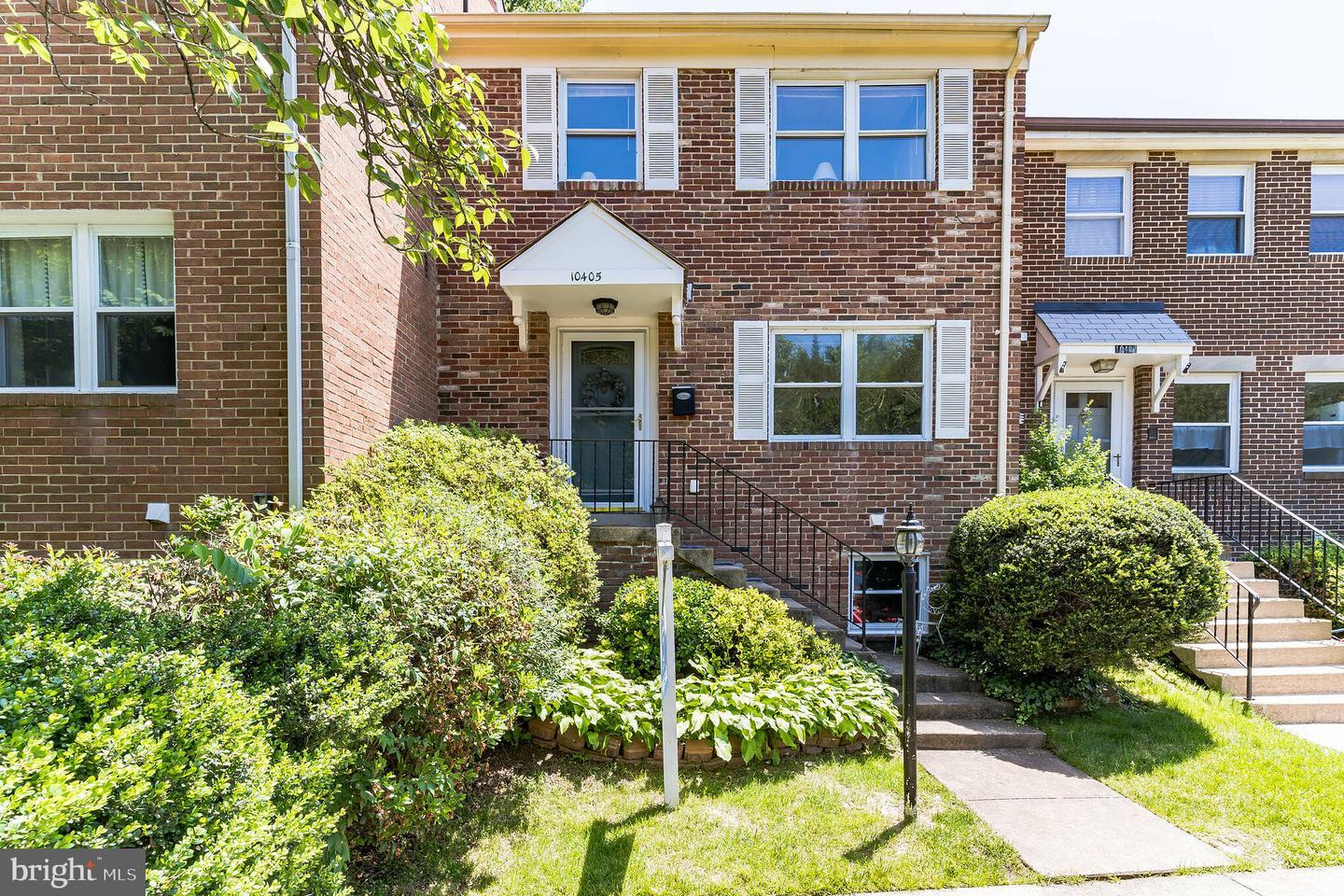
Two Old Courthouse Square sales, and what they say about selling in Fairfax City
Kate R., 2020: $525,000 on a $515,000 list, sight unseen after two days
Kate had planned to sell her Old Courthouse Square townhouse for sale by owner, then decided she wanted an expert once the pandemic complicated everything. We listed at $515,000, received an offer from a buyer who had not walked through the home after two days on market, worked through several delays that were nobody’s fault, and closed at $525,000. Her review: “We had initially planned to do FSBO, but decided we needed an expert to help us sell our house during Coronavirus. He advised us on all points of negotiation, and we got $10K over our asking price!”
Matt and Renee, 2022: full price, cash, within one week
Two years later, my friends Matt and Renee asked me to sell their Old Courthouse Square townhome as they relocated to South Carolina. It ratified a full-price offer of $535,000 with a cash buyer within one week on the market. You can hear from them directly in the video on my home page.
I also own a townhome in Old Courthouse Square myself, which is why I can speak to the city tax assessor, the HOA, and what buyers pay for the walk-to-Old-Town location from personal experience.
Fairfax City vs Fairfax County: The Distinction Sellers Must Get Right
This is the section nearly every generic Northern Virginia listing gets wrong, and it costs sellers money.
The City of Fairfax is one of Virginia’s 38 independent cities. It is not a neighborhood within Fairfax County. It is its own jurisdiction, with its own government, mayor, city council, school division, police, public works, planning and zoning authority, and tax structure. The city is roughly 6.3 square miles. It is geographically surrounded by Fairfax County but legally separate.
What that means for sellers:
1. Different real-estate tax rate. Fairfax City sets its own real estate tax rate, which is different from Fairfax County’s rate. Sellers and buyers should reference the City of Fairfax’s official rate when discussing carrying costs.
2. Different schools. Fairfax City Schools contracts with Fairfax County Public Schools to operate its schools, but the funding, governance, and budget are City-controlled. Some sub-neighborhoods adjacent to the city may have FCPS-only schools; verify your specific street.
3. Different recordation tax. Recordation fees are assessed by both the state and the locality. The City of Fairfax assesses its own portion at a slightly different rate than Fairfax County, which can produce a small but meaningful seller-side closing-cost difference.
4. Different zoning and permitting. If your home has had additions, decks, sheds, or major exterior work, the City’s zoning code and permitting history apply, not Fairfax County’s. Buyers’ attorneys will check.
5. Different “Fairfax” in marketing matters. “Fairfax, VA” with a 22030 ZIP code can be either the City of Fairfax or unincorporated Fairfax County. Sellers in the actual City of Fairfax should make the city-status explicit in their listing language, because the “City of Fairfax” address commands a small premium over “Fairfax, VA” addresses just outside the city limits.
Sub-Neighborhoods Compared
The City of Fairfax has several distinct sub-neighborhoods, each with its own character and pricing dynamics:
| Sub-Neighborhood | Character | Typical SFH Price Band (2026) |
|---|---|---|
| Old Town Fairfax | Walkable historic core, near Old Town Hall and Main Street | $875,000 to $1,250,000 |
| Country Club Hills | Established colonials and ramblers, mature trees, larger lots | $825,000 to $1,150,000 |
| Mosby Woods | Mid-century homes, tree-lined streets, walkable to Old Town | $775,000 to $1,050,000 |
| Layton Hall | Older established neighborhood, mix of architectural styles | $725,000 to $975,000 |
| Comstock | Newer development, more uniform housing stock | $745,000 to $995,000 |
| Old Lee Hills | Established mid-century area, tree canopy | $795,000 to $1,050,000 |
Price ranges are typical 2026 listing-to-sale ranges; condition, lot, and updates move individual homes within or beyond these bands. Get a sub-neighborhood-specific CMA before pricing.
Old Town Fairfax commands the highest premium in the City because of walkability to Main Street, the Old Town Square, and the variety of restaurants, shops, and the City Hall area. Country Club Hills and Mosby Woods are typically the next tier, both offering larger-lot established character within walking or short-driving distance of Old Town. Layton Hall, Comstock, and Old Lee Hills offer entry-tier-to-mid-tier pricing within the City of Fairfax address.
2026 Fairfax City Market Snapshot
Fairfax City in early 2026 operates in a tight, demand-driven market where the City-vs-County positioning produces a meaningful pricing premium for well-marketed listings:
- Days on market: 10 to 25 days for well-positioned homes; 40 to 75 days for over-priced or condition-challenged homes
- List-to-sale ratio: Typically 99 to 103% on well-positioned listings; below 95% on over-priced
- Months of supply: 1.0 to 2.0 months (tight, seller-favorable)
- Buyer profile (observed in the recent closing): Move-up families from Vienna, Falls Church, and Arlington trading more lot for more walkability; downsizers from Great Falls and McLean exiting larger homes for City-of-Fairfax walkable convenience; corporate relocators specifically targeting the City for the walkable Old Town lifestyle and small-town feel within DC-region access
For ongoing market data covering Fairfax City alongside the rest of Fairfax County, see our Fairfax market reports.
HOA Considerations and Va. Code §55.1-1809
HOA status varies significantly across Fairfax City sub-neighborhoods:
Older established sub-neighborhoods (Country Club Hills, Layton Hall, Old Lee Hills, parts of Mosby Woods): Generally non-HOA single-family-detached homes. The Va. Code §55.1-1809 disclosure-packet process does not apply.
Newer or planned sub-developments (Comstock, some sub-clusters within larger neighborhoods): May have their own HOAs with mandatory dues, architectural covenants, and Va. Code §55.1-1809 disclosure packets. Order on day one of listing if applicable.
Townhome and condo communities throughout the City: Have their own HOAs/COAs with disclosure-packet requirements.
Verify your specific property’s HOA status before listing. Pull the deed; review the title-company package; check assessment history.
Pricing Strategy: The Walkability and Old Town Premium
Fairfax City pricing requires distinguishing between the City premium (vs. surrounding Fairfax County) and the sub-neighborhood premium (within the City).
- Pull City-of-Fairfax-only comps first. Same sub-neighborhood, similar layout, sold within the last 90 days, similar condition. Don’t cross-comp from Fairfax County addresses outside city limits without an explicit City-premium adjustment.
- Adjust for walkability. Old Town Fairfax homes within walking distance of Main Street, Old Town Square, restaurants, and the farmers’ market command a real walkability premium, often 8 to 15% over comparable City homes a half-mile farther out.
- Adjust for sub-neighborhood. Old Town and Country Club Hills typically lead the City; Mosby Woods and Old Lee Hills are mid-tier; Layton Hall and Comstock are entry-tier-to-mid-tier.
- Adjust for City-status visibility. Listings that explicitly market the “City of Fairfax” address (rather than “Fairfax, VA”) perform measurably better. Particularly with out-of-area buyers who don’t know the city-vs-county distinction.
- Adjust for condition and updates. The City’s older housing stock means kitchens, baths, roofs, and HVAC often need updates. Updated homes outperform un-updated comps by 4 to 8% in 2026.
Fairfax City Pre-Listing Checklist
1. Confirm City-of-Fairfax property status. Pull your deed; check the assessment notice. Some addresses near the city limits read as “Fairfax” but are actually unincorporated Fairfax County. Get this right before listing.
2. Verify HOA status if applicable. Some Fairfax City sub-developments have HOAs; most older neighborhoods do not. Verify on the deed and in the title package.
3. Pull recent City-of-Fairfax comps. Don’t accept generic Fairfax County comps from your agent. The City premium is real and observable.
4. Photograph walkability if you have it. Old Town Fairfax homes within walking distance of Main Street should photograph the walking route. Old Town Hall, the Old Town Square farmers’ market, and Main Street restaurants are concrete amenities buyers value.
5. Address roof, HVAC, kitchen/bath updates if dated. The City’s older housing stock means original or first-replacement systems are often nearing 20+ years. Pre-emptive replacement or a credit at closing is often a cleaner negotiating position.
6. Get a sub-neighborhood-specific CMA from a City-knowledgeable agent. Not a generic Fairfax County CMA. David provides these at no cost as part of his engagement, drawing on his own City of Fairfax property-ownership experience and recent City sale.
Frequently Asked Questions
Is Fairfax City the same as Fairfax County?
No. The City of Fairfax is an independent city with its own government, school division, tax rate, zoning code, and recordation fees. It is geographically surrounded by Fairfax County but legally separate.
Why does the “City of Fairfax” address command a premium?
Walkability to Old Town Fairfax, the small-town feel within DC-region access, the City’s specific community programming and events, the school division’s distinct character, and the architectural diversity of the older neighborhoods all contribute. The City premium is observable in comparable sales data.
Are Fairfax City homes mostly subject to HOAs?
No. Most older established Fairfax City sub-neighborhoods (Country Club Hills, Layton Hall, Old Lee Hills, parts of Mosby Woods) are non-HOA single-family-detached. Some newer developments and townhome/condo communities do have HOAs. Verify your specific property.
How do property taxes compare to Fairfax County?
The City of Fairfax sets its own real-estate tax rate, which is different from Fairfax County’s. Reference the City of Fairfax’s official rate when discussing carrying costs with buyers.
What about schools?
Fairfax City Schools contracts with Fairfax County Public Schools to operate its schools. The funding, governance, and budget are City-controlled. Verify your specific street’s school assignment, as some addresses near the city limits may have different assignments.
How long does a typical Fairfax City sale take?
Well-positioned homes typically go from listing to closing in 30 to 55 days. The tight inventory and strong demand mean well-priced homes often attract multiple offers within 7 to 14 days.
What if my Fairfax City home was inherited and is being sold from probate or a trust?
The City has its share of estate sales given older housing stock and long-tenured residents. Probate filings happen in Fairfax Circuit Court (the same court that serves the County, which handles the City’s probate jurisdictionally). The HOA status of the property determines whether a Va. Code §55.1-1809 disclosure packet is required. See our Selling an Inherited Home in Northern Virginia guide for the full process.
Can I sell my Fairfax City home as-is?
Yes, but the buyer pool here is condition-aware. Pre-listing prep that maintains the home’s character (especially in Old Town and the older established neighborhoods) generally returns 4 to 8% in 2026. As-is is the right call when cash, timeline, or condition makes prep impractical.
Get a Fairfax City, Specific CMA
If you’re considering selling in the City of Fairfax, the first step is a sub-neighborhood-specific comparative market analysis, from someone who actually owns property in the City and has closed a recent City sale. David Mount provides written CMAs at no cost or obligation. Call (571) 946-8418 or email david.mount@thereduxgroup.com.

About David Mount, REALTOR®
The Redux Group of eXp Realty | Fairfax, VA | Serving Fairfax, Loudoun, Arlington, Prince William, Alexandria & Falls Church
David grew up in Burke, Virginia and graduated from Lake Braddock Secondary School. He has 12+ years of full-time experience and 200+ transactions in Northern Virginia residential seller representation, with a particular focus on life-transition sales: inherited property, divorce, downsizing, military relocation, and out-of-state moves. David personally owns a rental property in the City of Fairfax and has closed a recent Fairfax City sale, giving him direct firsthand experience as both a Fairfax City property owner and a Fairfax City listing agent.
Credentials & recognition: NVAR Top Producers Club Platinum Member (2024 and 2025) · 100+ five-star verified client reviews · FastExpert 5-Star Agent · Zillow Premier Agent · The Redux Group, eXp Realty’s largest team in Northern Virginia.
Contact David: (571) 946-8418 · david.mount@thereduxgroup.com