


Updated April 29, 2026 by David Mount, REALTOR®, The Redux Group of eXp Realty | Burke-area local with Fairfax Station closing experience
Quick Answer: Fairfax Station (ZIP 22039) is one of Fairfax County’s larger-lot, more rural-feeling affluent communities, a meaningful step up in lot size and privacy from Burke Centre or Lake Braddock just to the north. Many homes sit on 1+ acre parcels; some properties are configured for horses or other equestrian use. Single-family homes typically list between $1,150,000 and $2,400,000 in 2026, with lot acreage, condition, and sub-area driving most of the variance. Crosspointe (a sub-development with its own HOA), Bonnie Brae area, and the broader Fairfax Station “non-HOA” stretches each have different pricing and disclosure dynamics. The most common Fairfax Station seller mistake is treating the area as a single market when it’s actually three or four overlapping sub-markets with different buyer profiles. This guide draws on a Fairfax Station closing in my recent transaction history.
What’s in this guide:
- Why I Know This Market: Recent Fairfax Station Sale
- About Fairfax Station
- Sub-Markets Compared
- HOA Variation: Crosspointe vs Non-HOA Stretches
- 2026 Fairfax Station Market Snapshot
- Pricing Strategy: The Acreage Premium
- Why Fairfax Station Is an Estate-Property Hot Spot
- Pre-Listing Checklist
- Frequently Asked Questions
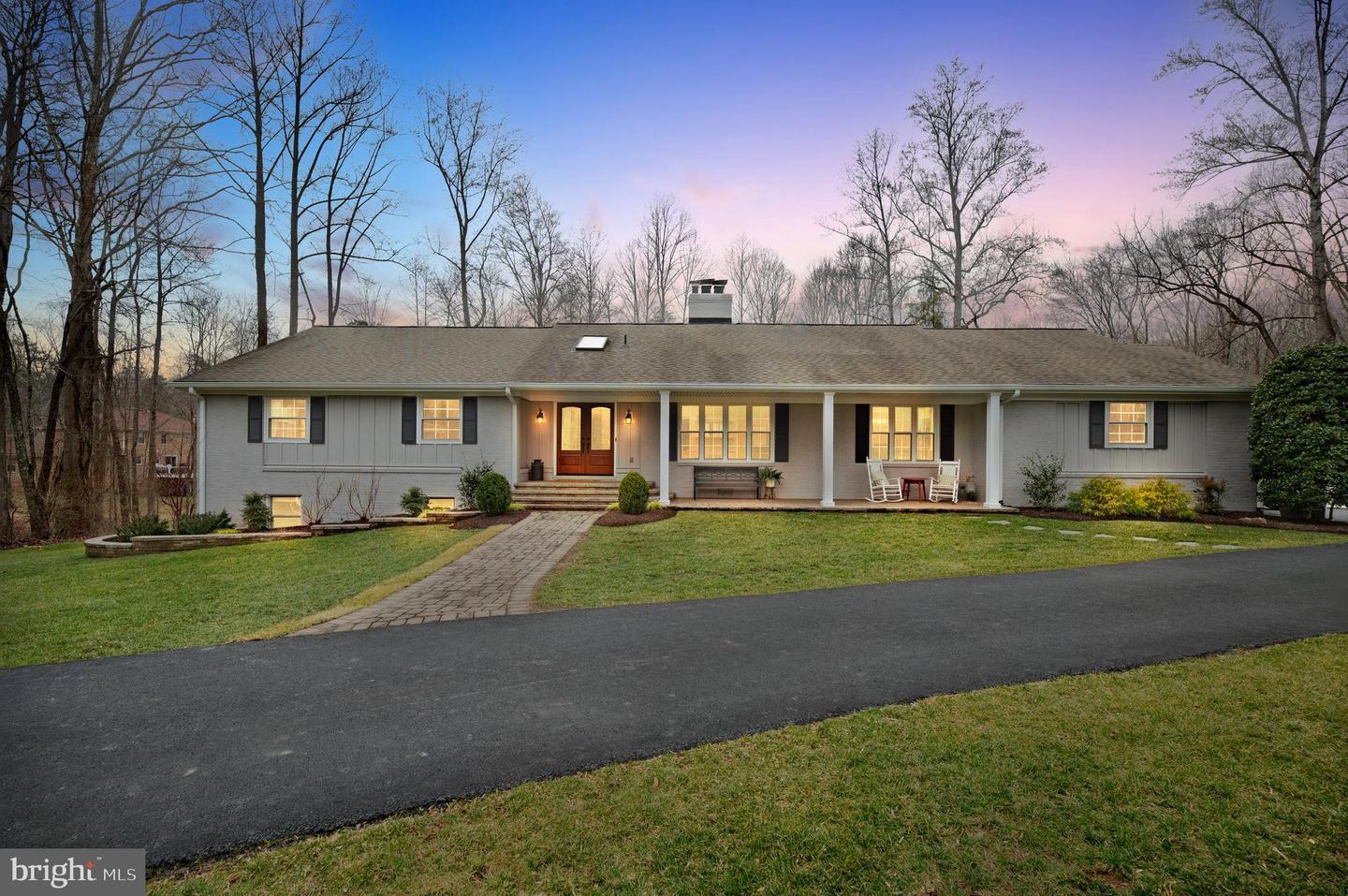
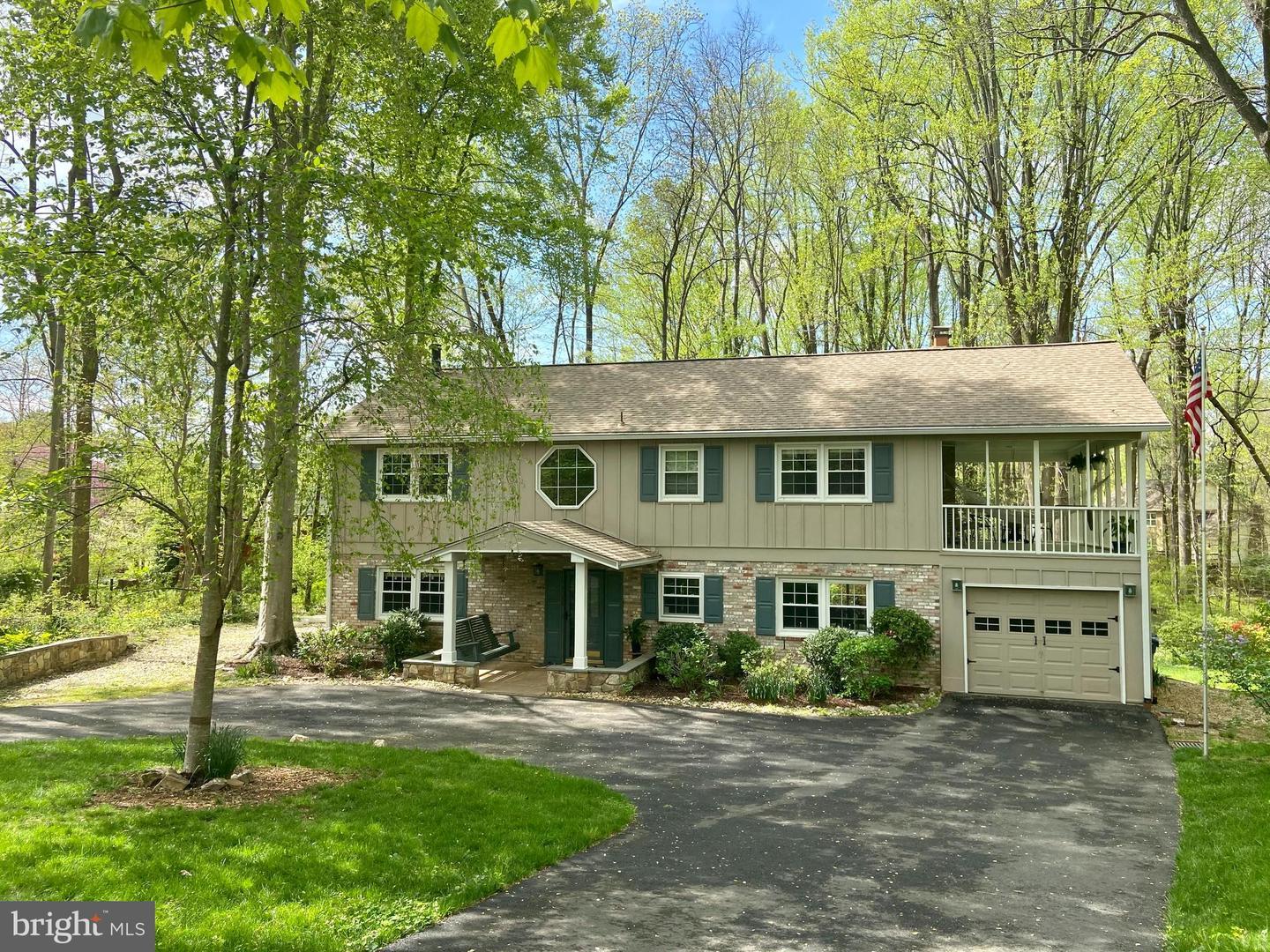
Why I Know This Market: Recent Fairfax Station Sale
Where I’ve sold: I’ve personally closed sales in Pickwick Woods, Pohick Station, and Glenverdant Estates within Fairfax Station.
I grew up in Burke and graduated from Lake Braddock Secondary School. About 10 minutes north of Fairfax Station. The lifelong-Burke-local context is one part of my familiarity with this area. The more specific authority claim: I have closed a Fairfax Station sale. The buyer behavior I describe below, the pricing-against-sub-markets discipline, and the practical observations about how the local Fairfax Station buyer pool actually behaves. These aren’t theoretical. They reflect what I observed during a real listing-to-closing window.
That matters because Fairfax Station has a smaller, more selective buyer pool than the broader Burke or Springfield markets. Buyers shopping for 1+ acre Fairfax Station properties are typically informed, patient, and willing to wait for the right home. They pay attention to lot specifics, septic and well status (where applicable), tree management, and other rural-suburban realities that don’t come up in tighter-density communities. Selling here requires speaking to that buyer pool with the right information, not generic Northern Virginia listing language.
About Fairfax Station
Fairfax Station is the unincorporated southern Fairfax County area generally bounded by the Occoquan River to the south, Route 123 / Burke Lake Road to the north, the Fairfax County Parkway to the east, and Route 28 to the west. ZIP code 22039. Distinctive features:
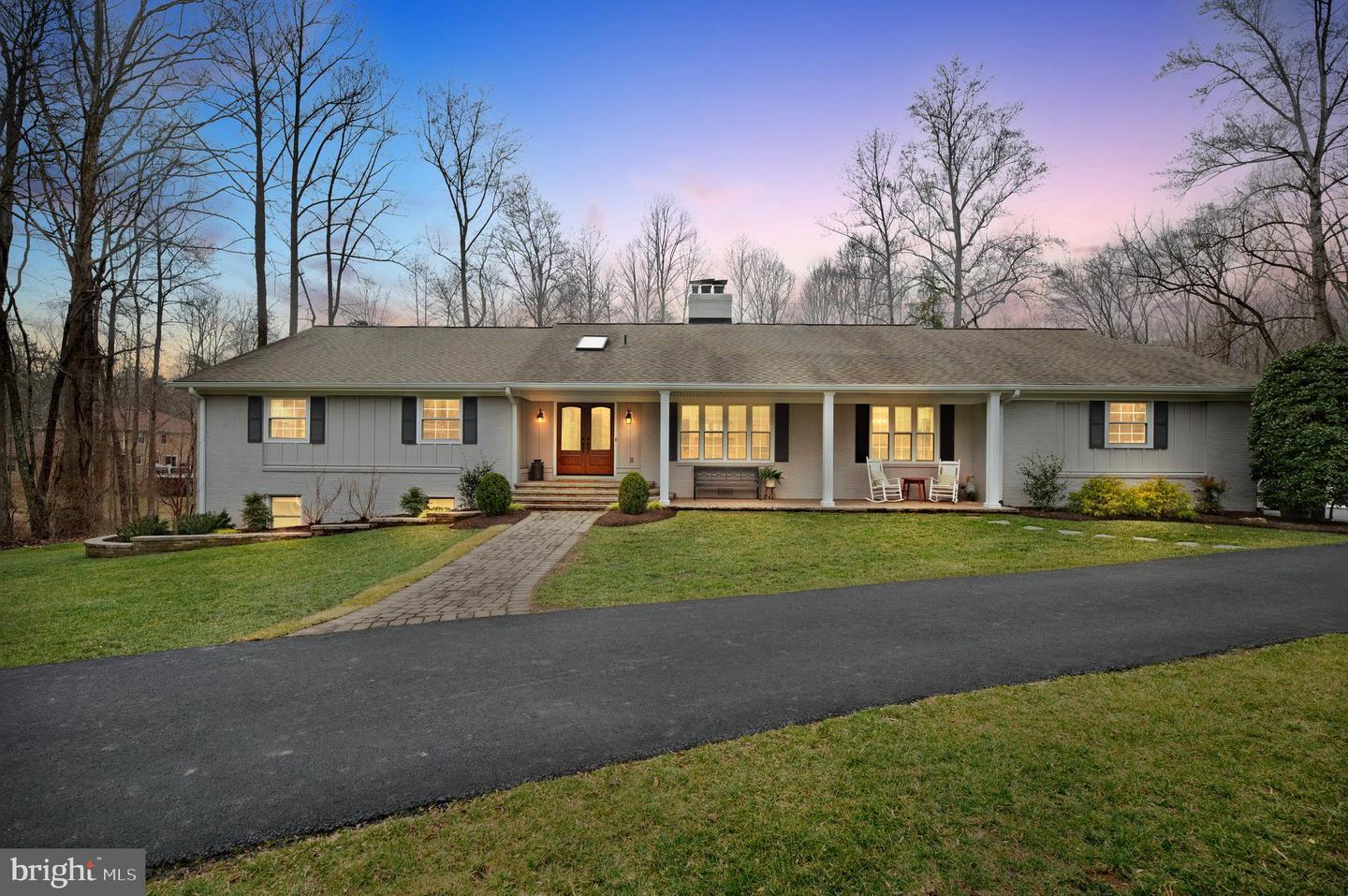
- Larger lots than typical Northern Virginia, many properties on 0.75 to 2+ acres
- Mix of housing eras: original 1970s/80s estate-tier homes alongside newer luxury construction in some sub-developments
- More rural-suburban feel: tree cover, winding roads, less curb-and-gutter density
- Robinson Secondary school pyramid covers most of Fairfax Station
- South Run Stream Valley Park, Burke Lake Park (north), Occoquan Reservoir (south) provide significant outdoor amenities
- Fairfax County Parkway, Route 123, and I-95 access (via Fairfax County Parkway) provide reasonable commute paths despite the rural feel
- Some properties on well/septic; many on Fairfax County water/sewer; verify per address
Sub-Markets Compared
Fairfax Station isn’t a single market. The practical sub-areas:
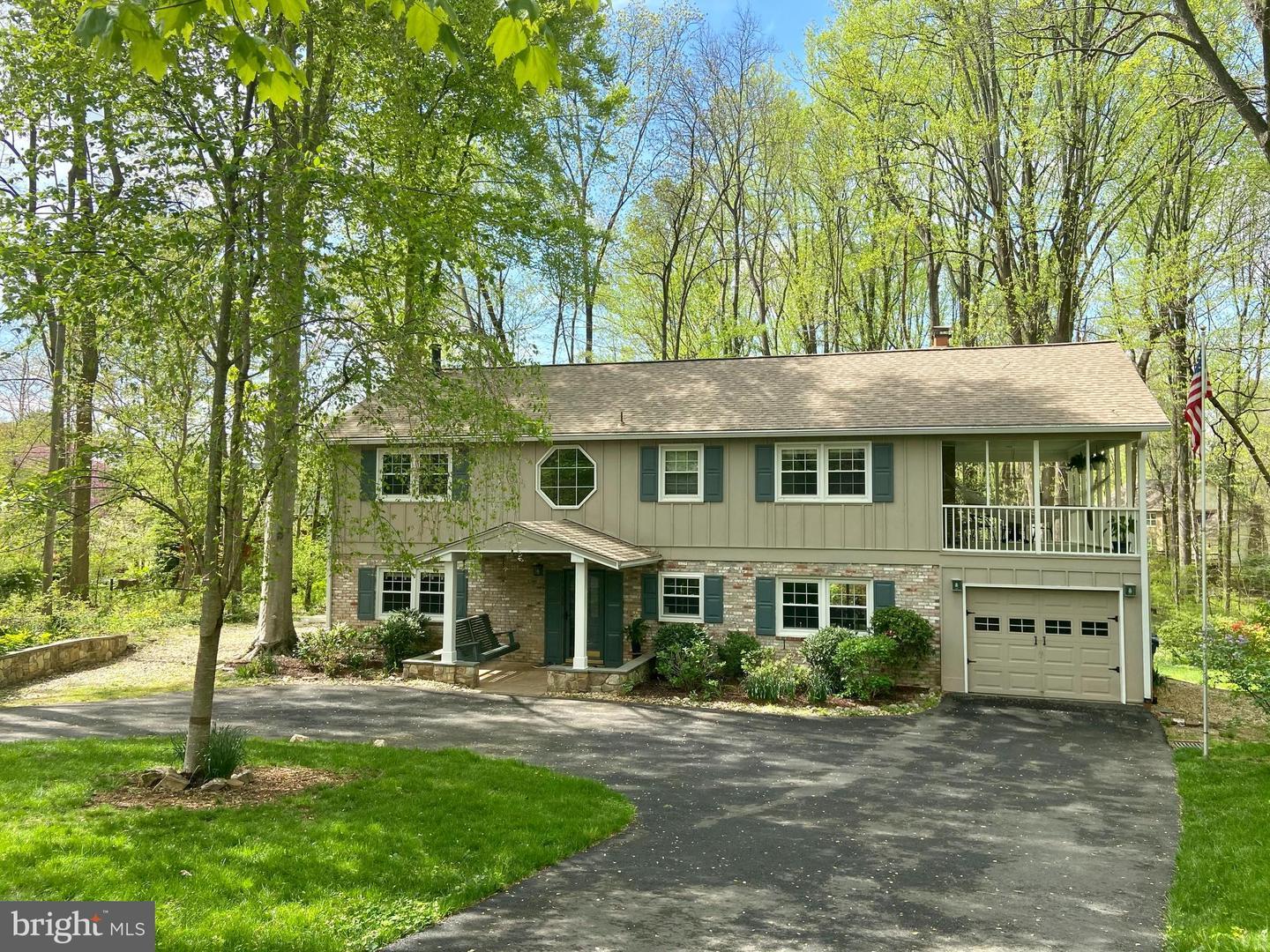
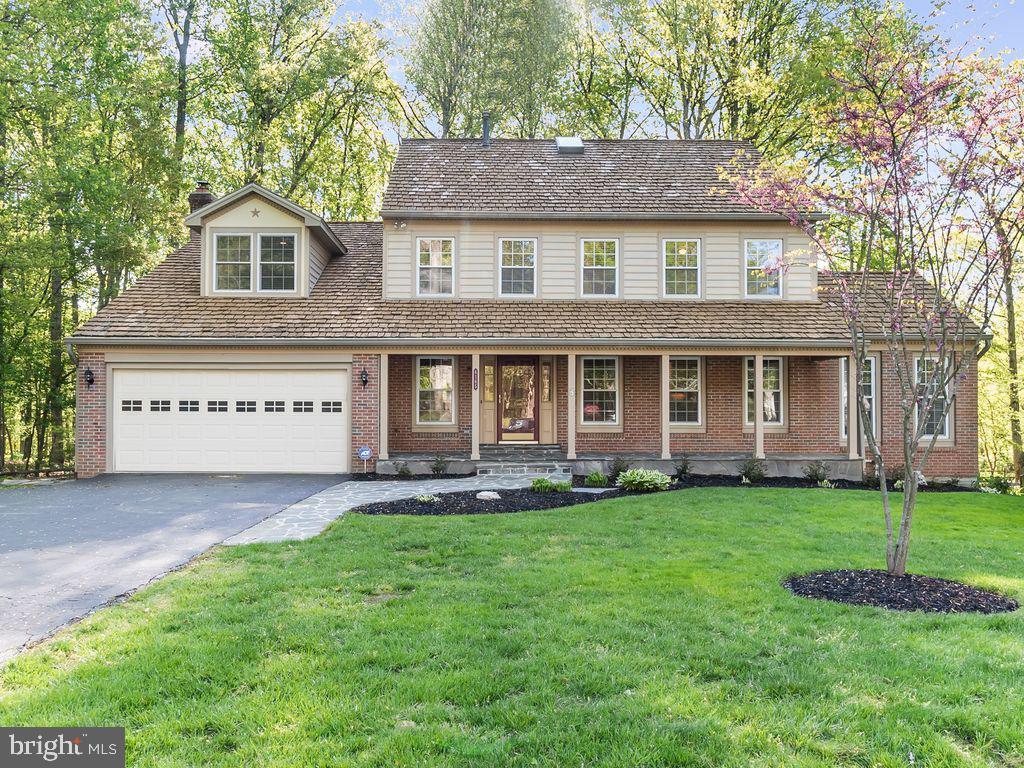
| Sub-Market | Character | Typical Price Band (2026) |
|---|---|---|
| Crosspointe | Master-planned community with its own HOA, pools, paths, more uniform housing stock | $1,150,000 to $1,650,000 |
| Bonnie Brae area | Established, larger-lot, mix of original estate homes and renovations | $1,250,000 to $1,950,000 |
| Non-HOA stretches | 1 to 2+ acre lots, older estate homes, often equestrian-configurable | $1,300,000 to $2,400,000+ |
| Newer luxury developments | 2000s and later builds, often in smaller sub-developments with HOAs | $1,400,000 to $2,200,000 |
Price bands are typical 2026 listing-to-sale ranges. Lot acreage, condition, updates, and equestrian configuration move individual homes within or beyond these bands.
HOA Variation: Crosspointe vs Non-HOA Stretches
HOA status varies dramatically across Fairfax Station, and it directly affects the sale process.
Crosspointe is a master-planned community with its own HOA, common-area amenities (pools, paths, recreation), and a Va. Code §55.1-1809 disclosure-packet requirement. Standard 14-day delivery window, three-day post-packet buyer cancellation right. Order on day one of listing.
Non-HOA stretches across much of Fairfax Station are exactly that: non-HOA. No mandatory dues, no architectural covenants, no resale disclosure packet. This is a meaningful seller advantage, the same kind of advantage Mantua sellers benefit from, and worth highlighting in marketing to buyers from out-of-area who don’t know to ask.
Smaller sub-developments within Fairfax Station may have their own HOAs (some 2000s-era luxury developments do). Verify per property.
2026 Fairfax Station Market Snapshot
- Days on market: 18 to 45 days for well-positioned homes; 60 to 120+ days for over-priced or condition-mismatched homes
- List-to-sale ratio: Typically 98 to 101% on well-positioned listings; below 94% on over-priced
- Months of supply: 2.0 to 3.5 months (more inventory than tight Burke or Mantua, smaller buyer pool)
- Buyer profile: Move-up families from Burke and Springfield trading more lot, downsizers from McLean and Great Falls trading larger acreage, equestrian-curious buyers, and out-of-area corporate relocators specifically targeting larger-lot Northern Virginia properties
Pricing Strategy: The Acreage Premium
- Pull sub-market-specific comps. Crosspointe vs non-HOA vs Bonnie Brae vs newer luxury. Don’t cross-comp without explicit adjustments.
- Adjust for acreage. The acreage premium is real and non-linear, a 1.5-acre lot doesn’t simply price as 1.5x a 1-acre lot. Buyers value privacy and mature-tree screening more than raw acreage in Fairfax Station.
- Adjust for well/septic vs municipal. Well/septic properties carry meaningful inspection scrutiny and a small-but-real pricing discount (or longer DOM) versus comparable municipal-utility homes.
- Adjust for condition. Original 1970s/80s estate homes that haven’t been updated since the early 2000s are condition-discounted by Fairfax Station’s discerning buyer pool. Pre-listing updates often return 5 to 9%.
- Adjust for equestrian-configurability. Properties with existing or readily-buildable equestrian infrastructure (paddocks, fencing, run-in sheds) carry niche premium with the right buyer.
Why Fairfax Station Is an Estate-Property Hot Spot
Fairfax Station has a meaningful concentration of estate sales relative to its size, for three structural reasons:
1. Original-owner demographics. Many Fairfax Station homes were purchased in the 1970s and 1980s by professionals who are now in their 70s and 80s. Life-transition sales (downsizing, relocation to retirement communities, or estate-after-death sales) are common.
2. Estate-tier pricing. Properties in the $1.5M, $2.5M+ range are often part of larger taxable estates that involve trust administration or probate.
3. Family complexity. Larger family wealth often means multi-heir scenarios, trust structures, and inherited-property dynamics that benefit from agent experience with estate sales.
If you’re a personal representative, successor trustee, or family member handling a Fairfax Station estate sale, see our Selling an Inherited Home in Northern Virginia cornerstone guide and our Estate Sale Services page for the full process.
Pre-Listing Checklist
1. Verify HOA / non-HOA status of your specific property. Crosspointe and some smaller developments are HOA; large stretches are non-HOA. Verify on the deed.
2. If well/septic: get the systems inspected pre-listing. Buyers’ lenders and inspectors will scrutinize these. Pre-emptive servicing or replacement removes a negotiation point.
3. Address roof, HVAC, and major systems if approaching end-of-life. Fairfax Station’s older homes often have systems near 20+ years.
4. Document acreage and trees. Aerial photography pays for itself on Fairfax Station listings. Lot-line walk videos, mature-tree photography, and seasonal photo updates differentiate listings.
5. If equestrian-configurable: photograph and disclose. Existing fencing, run-ins, and pasture configurations matter to the niche buyer pool.
6. Get a sub-market-specific CMA. Not a generic Fairfax County CMA. David provides these at no cost as part of his engagement, drawing on his own Fairfax Station closing experience.
Frequently Asked Questions
Is Fairfax Station the same as Fairfax City or Fairfax County?
Fairfax Station is unincorporated southern Fairfax County. It’s not part of the City of Fairfax (which is a separate independent city). ZIP code is 22039.
How much land do typical Fairfax Station homes have?
Lots range from 0.5 acre in Crosspointe to 2+ acres in the non-HOA stretches. The 1-1.5 acre range is most common.
Are most Fairfax Station homes on well/septic?
It varies. Many are on Fairfax County water/sewer; some are on well/septic. Check your specific property.
How long does a Fairfax Station sale take?
Typically 40 to 70 days from listing to closing. The smaller buyer pool means well-priced homes still attract solid offers within 3 to 6 weeks, but Fairfax Station moves at a slightly more measured pace than tighter-inventory communities.
Can I sell my Fairfax Station home as-is?
Yes, but the as-is discount is often larger here than in tighter markets. Pre-listing prep typically returns 5 to 9% in 2026. As-is is the right call when cash, timeline, or condition makes prep impractical.
What if my home was inherited or is being sold from probate or a trust?
Common in Fairfax Station given the original-owner demographics. See our inherited-home cornerstone guide and estate-services page.
Get a Fairfax Station, Specific CMA
If you’re considering selling in Fairfax Station, the first step is a sub-market-specific comparative market analysis. David Mount provides written CMAs at no cost or obligation, drawing on his recent Fairfax Station closing. Call (571) 946-8418 or email david.mount@thereduxgroup.com.

About David Mount, REALTOR®
The Redux Group of eXp Realty | Fairfax, VA | Serving Fairfax, Loudoun, Arlington, Prince William, Alexandria & Falls Church
David grew up in Burke, Virginia and graduated from Lake Braddock Secondary School. He has 12+ years of full-time experience and 200+ transactions in Northern Virginia residential seller representation, with a particular focus on life-transition sales, inherited property, divorce, downsizing, military relocation, and out-of-state moves, and is well-versed in the procedures that govern Virginia probate and trust-held home sales under Title 64.2 of the Code of Virginia (Wills, Trusts & Fiduciaries).
Credentials & recognition: NVAR Top Producers Club Platinum Member (2024 and 2025) · 100+ five-star verified client reviews · FastExpert 5-Star Agent · Zillow Premier Agent · The Redux Group, eXp Realty’s largest team in Northern Virginia.
Contact David: (571) 946-8418 · david.mount@thereduxgroup.com