


Quick answer
Fairfax County is the largest Northern Virginia jurisdiction with the widest pricing range, from McLean and Great Falls at the top end to Burke, Springfield, and Centreville in the broad middle. Long-tenured Fairfax County retirees typically have substantial equity, with the Section 121 federal capital-gains exclusion shielding the first $250K (single) / $500K (married) of gain. Fairfax County retiree-seller timeline runs 45 to 75 days listing-to-close. David Mount grew up in Burke, Virginia and graduated from Lake Braddock Secondary School. With 12+ years and 200+ NoVA transactions, David has closed sales in Fairfax City, Fairfax Station, Oakton, Burke, Centreville, and Springfield, and owns a rental property in Fairfax City. Call (571) 946-8418 or email david.mount@thereduxgroup.com.
Fairfax County is the most populous and geographically largest Northern Virginia jurisdiction, and the one where retiree-relocation seller dynamics vary the most across sub-areas. McLean and Great Falls at the high-luxury end. Vienna and Oakton in the upper-middle. Mantua and Fairfax Station as established mid-to-upper. Burke, Springfield, and Centreville as solid family-neighborhood mid-tier. Reston and Herndon as planned-community + tech-corridor. Annandale, Falls Church, and the close-in pockets as inner-Beltway value. Each calls for a different selling strategy.
This guide covers what’s distinct about Fairfax County retiree-relocation sales: the sub-area pricing landscape, the Fairfax City vs. Fairfax County tax distinction, the HOA/civic-association disclosure considerations that vary by neighborhood, and the equity story for homes purchased in the late 1990s and early 2000s.
Why Fairfax County retirees have unique selling dynamics
Recent retiring-seller transactions I’ve personally closed: South Run Forest (Springfield), 2015; Cardinal Forest (Springfield), 2022; Lakewood Hills (Springfield), 2026; Dale City (Woodbridge), 2022; the City of Alexandria, 2025; and Sully Station (Centreville), 2026.
Where I’ve sold: I’ve personally closed sales in Fairfax Villa, Penderbrook, and Greenbriar within Fairfax. I’ve personally closed sales in Old Courthouse Square within Fairfax City. I’ve personally closed sales in Pickwick Woods, Pohick Station, and Glenverdant Estates within Fairfax Station. I’ve personally closed sales in Stonehenge and Sully Station within Centreville. I’ve personally closed sales in Burke Station Square, Old Mill Community, Burke Centre, Caroline Oaks, Bent Tree, and Dunleigh within Burke. I’ve personally closed sales in Newington Forest, Springfield Village, Japonica, Charlestown, North Springfield Park, South Run Forest, Rolling Forest, Cardinal Forest, and Lakewood Hills within Springfield. I’ve personally closed sales in Little Rocky Run within Clifton. I’ve personally closed sales in Vienna Woods, Country Creek, Tysons Green, Lakevale Estates, Westwood Manor, and Wolftrap Ridge within Vienna. I’ve personally closed sales in Van Vlecks within Herndon. I’ve personally closed sales in Reston (recent transactions in 2016). I’ve personally closed sales in Alexandria (Fairfax County) (recent transactions in 2026).
Fairfax County’s 2026 market reflects the buyer pool’s diversity. Federal employees and contractors continue to drive demand, but tech employees (Amazon HQ2 in adjacent Arlington spilling into Reston/Herndon, Google’s Northern Virginia data-center build-out, Booz Allen and other consultancies), military families relocating to Fort Belvoir, and university faculty (George Mason in Fairfax City) all add to the pool.
For retiree sellers, this means an unusually broad buyer pool by NoVA standards, with pre-listing strategy varying based on which buyer segment is most likely to make the offer for your specific home. McLean luxury sellers prepare differently than Centreville mid-tier sellers, who prepare differently than Reston townhouse sellers.
Sub-area pricing snapshot, Fairfax County in 2026
McLean and Great Falls. Single-family homes typically range $1.6M to $4.5M+. Long-tenured McLean owners may have appreciation of 4x, 5x. Great Falls’ larger lots support some of the highest absolute pricing in the region. Both submarkets have substantial luxury buyer demand including international relocators.
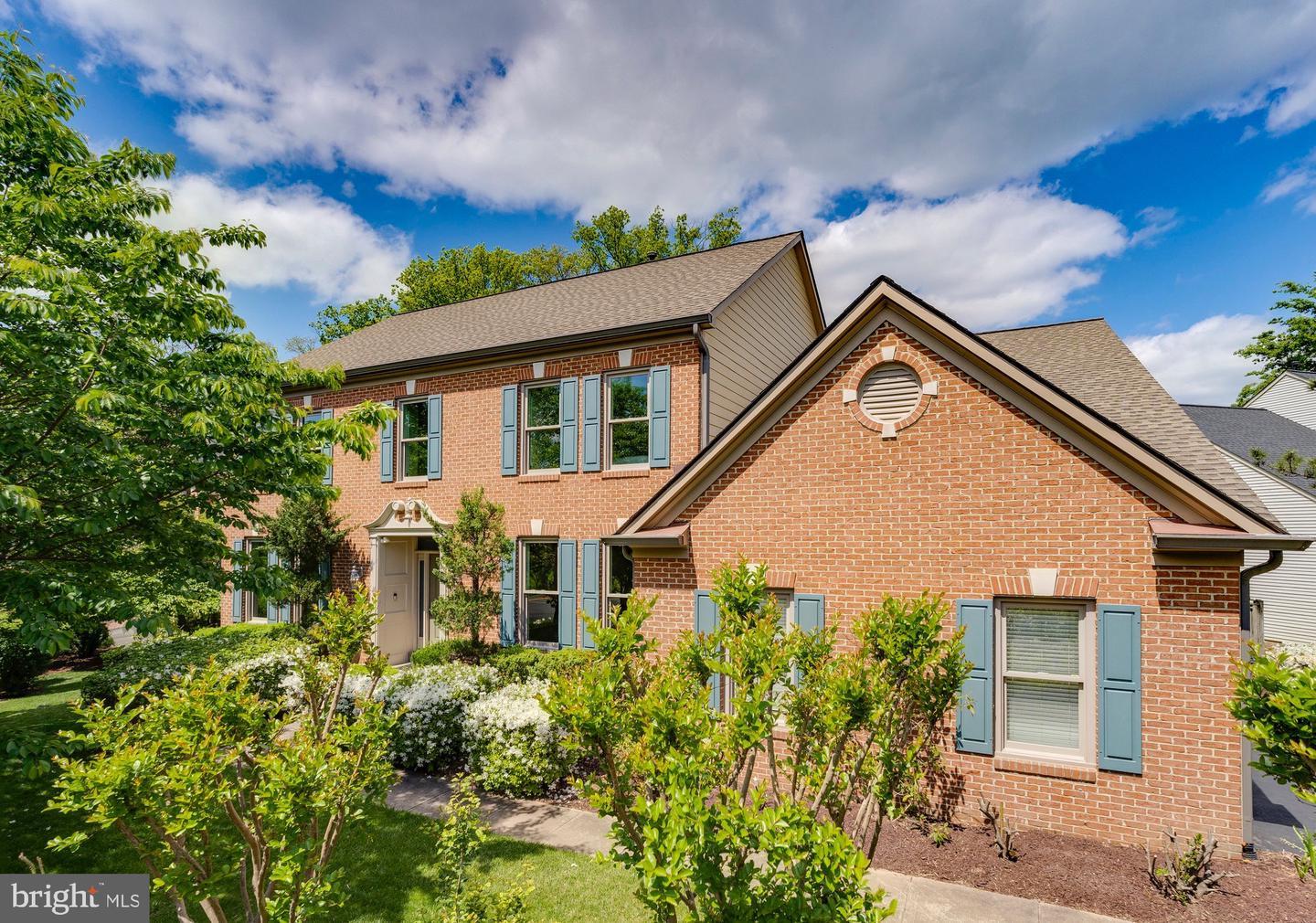
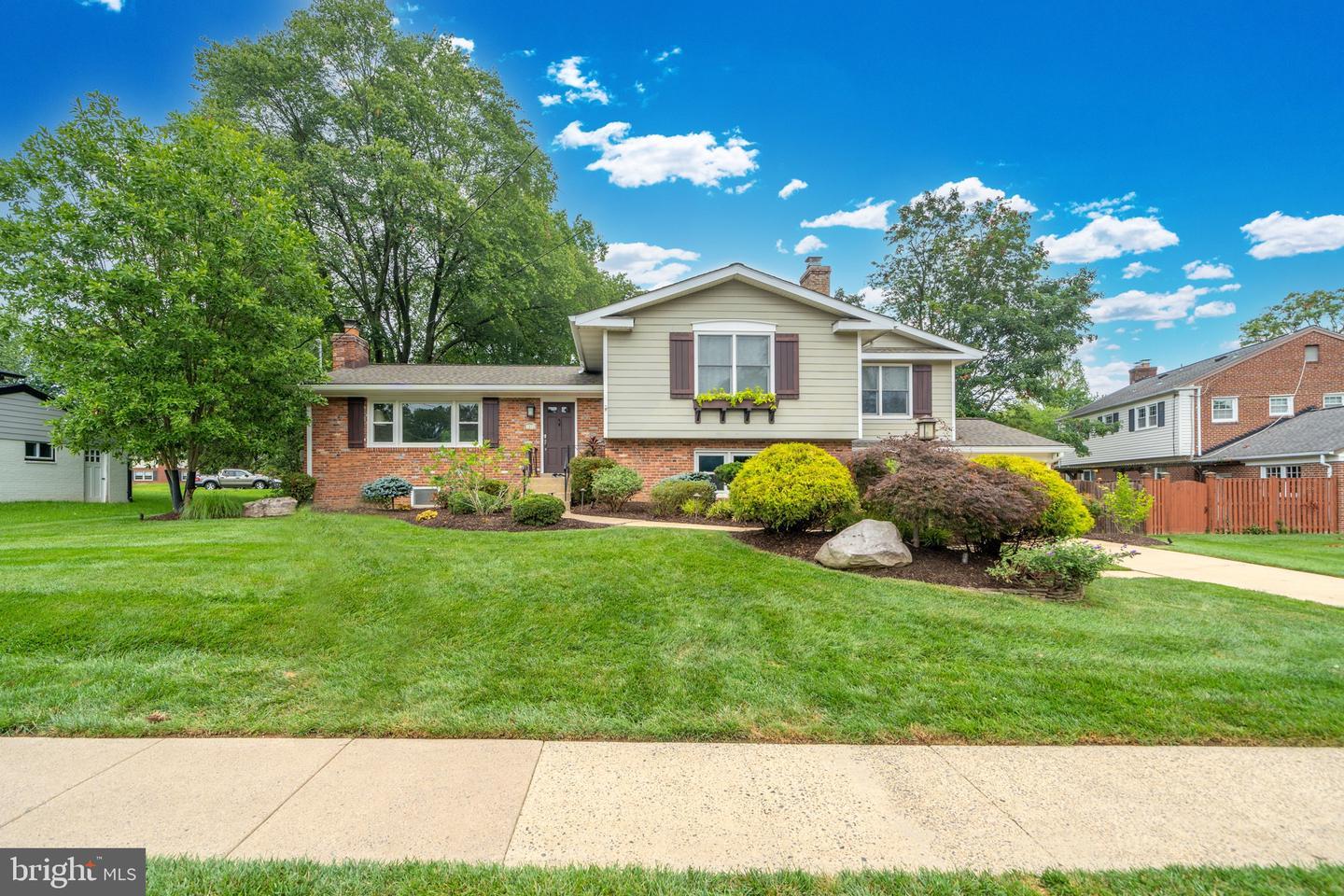
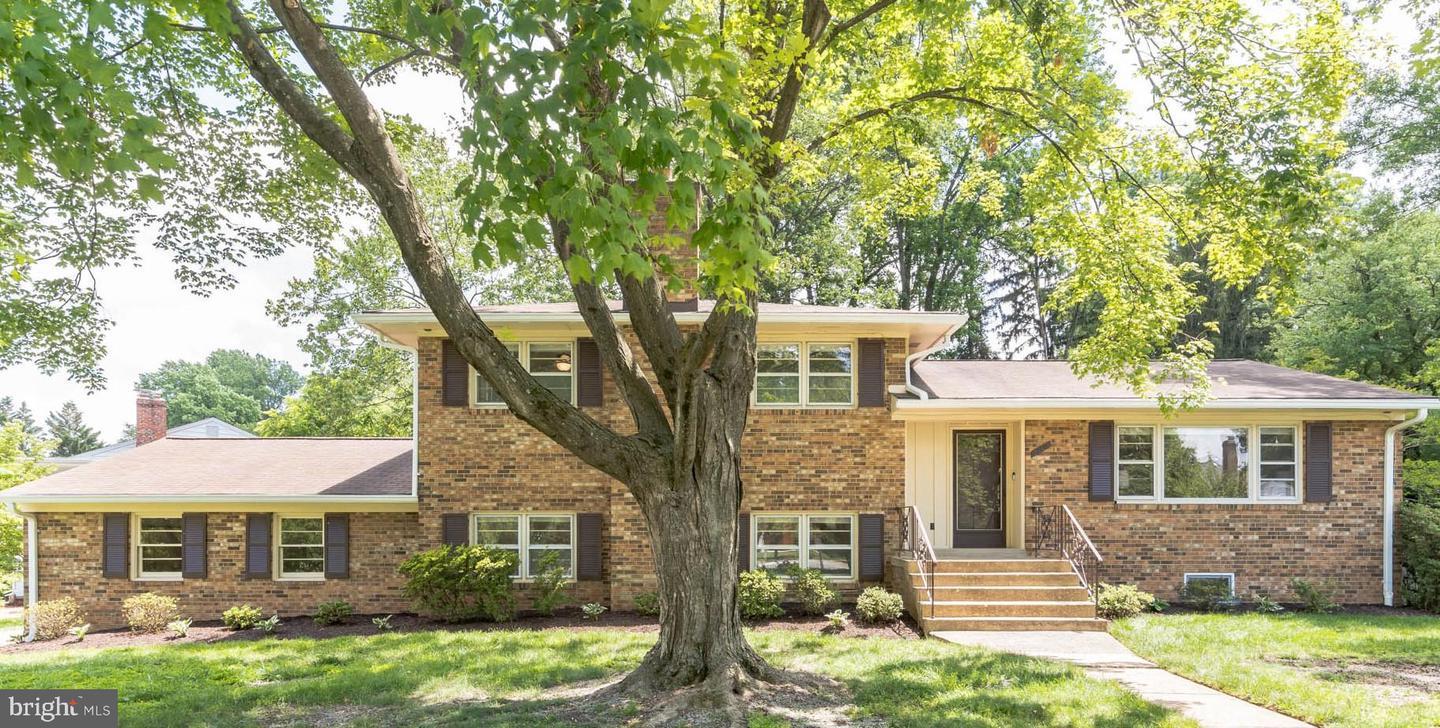
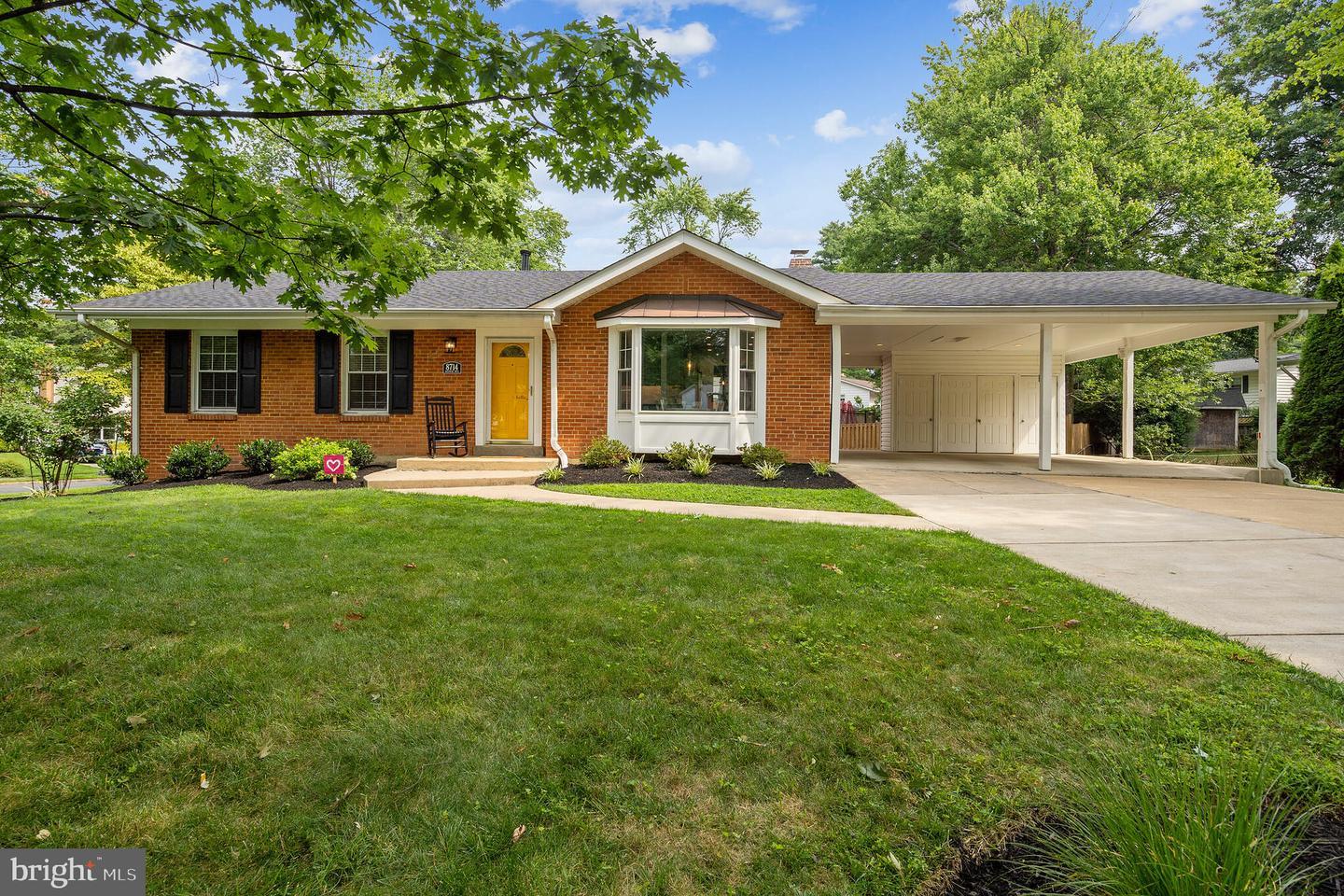
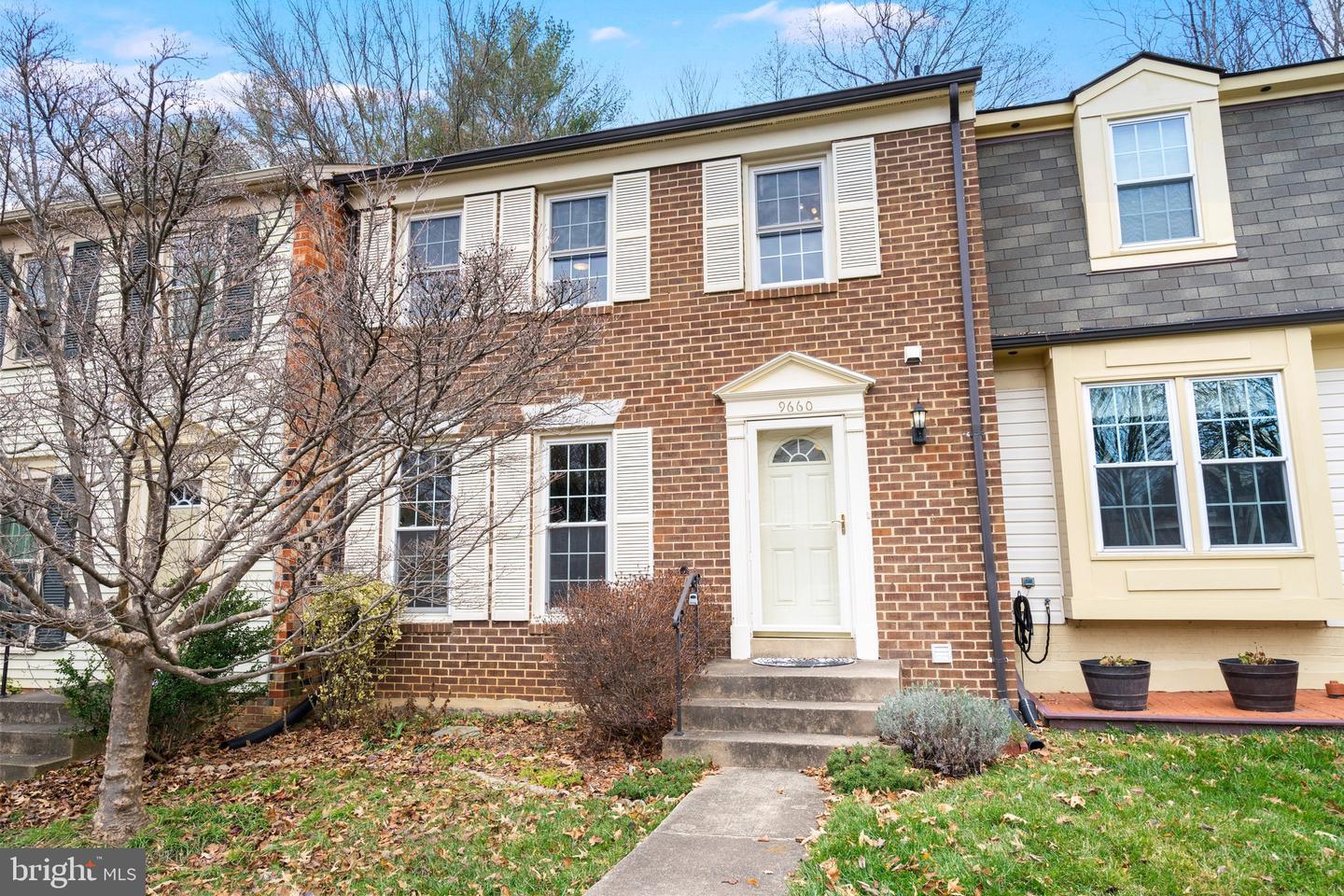
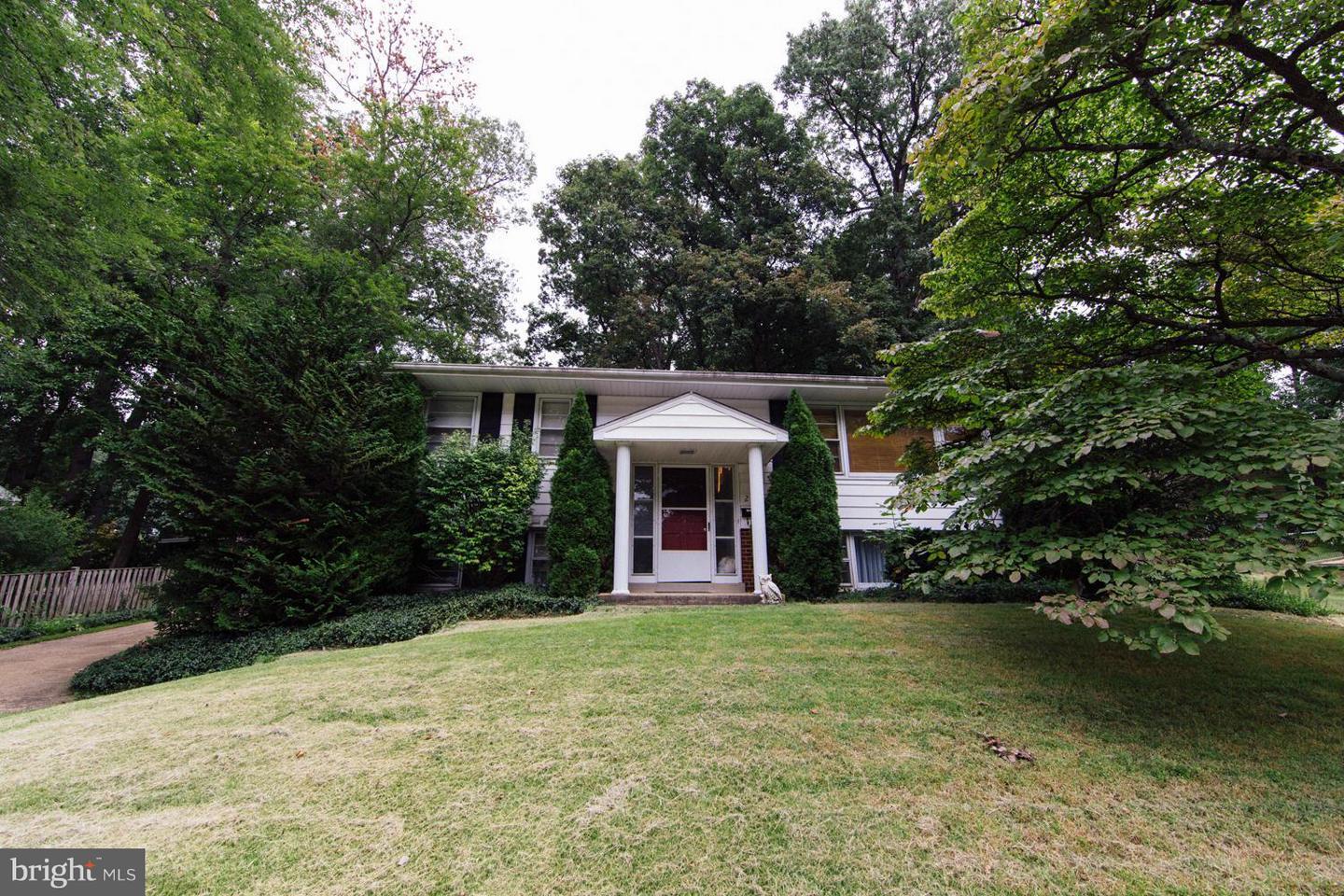
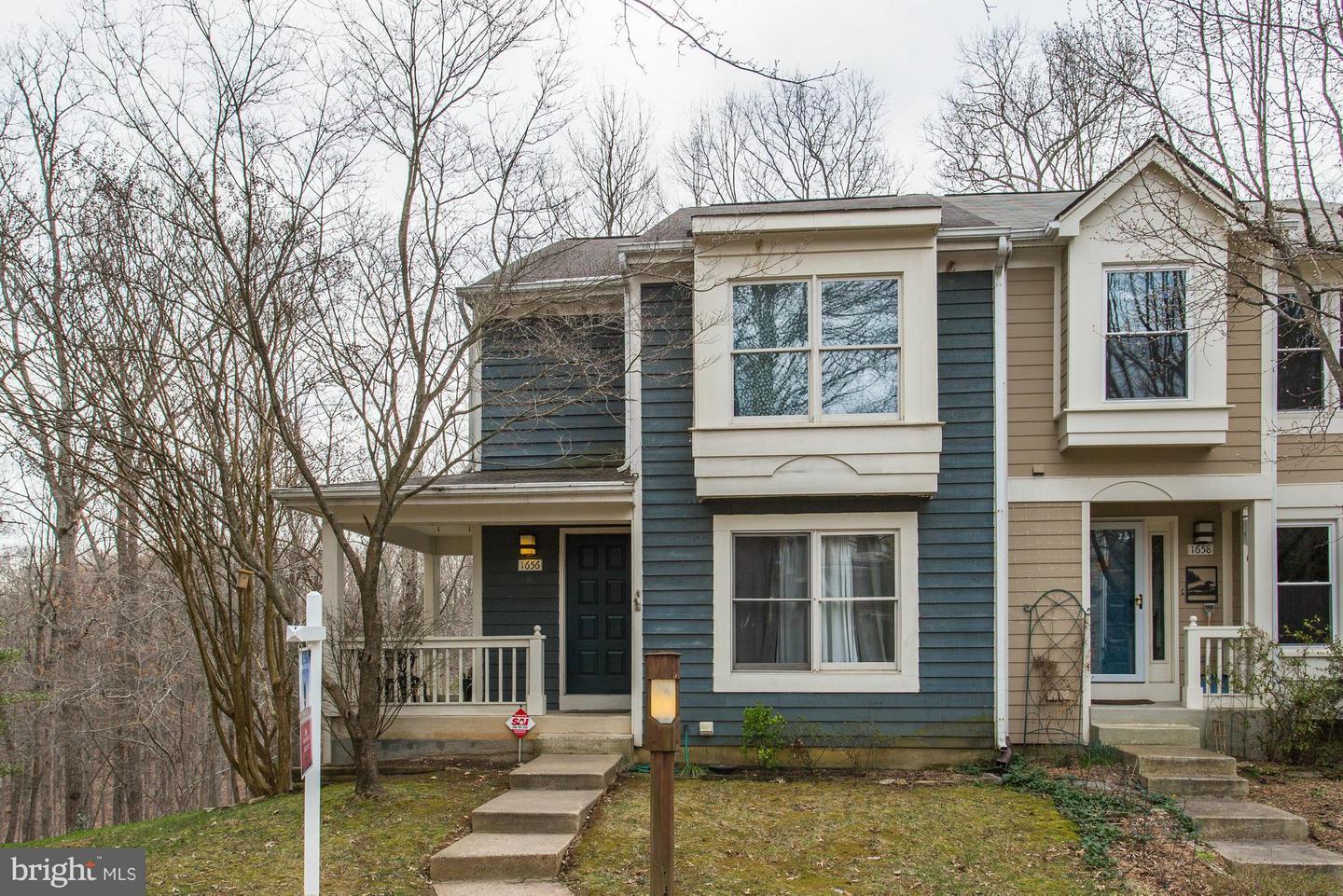
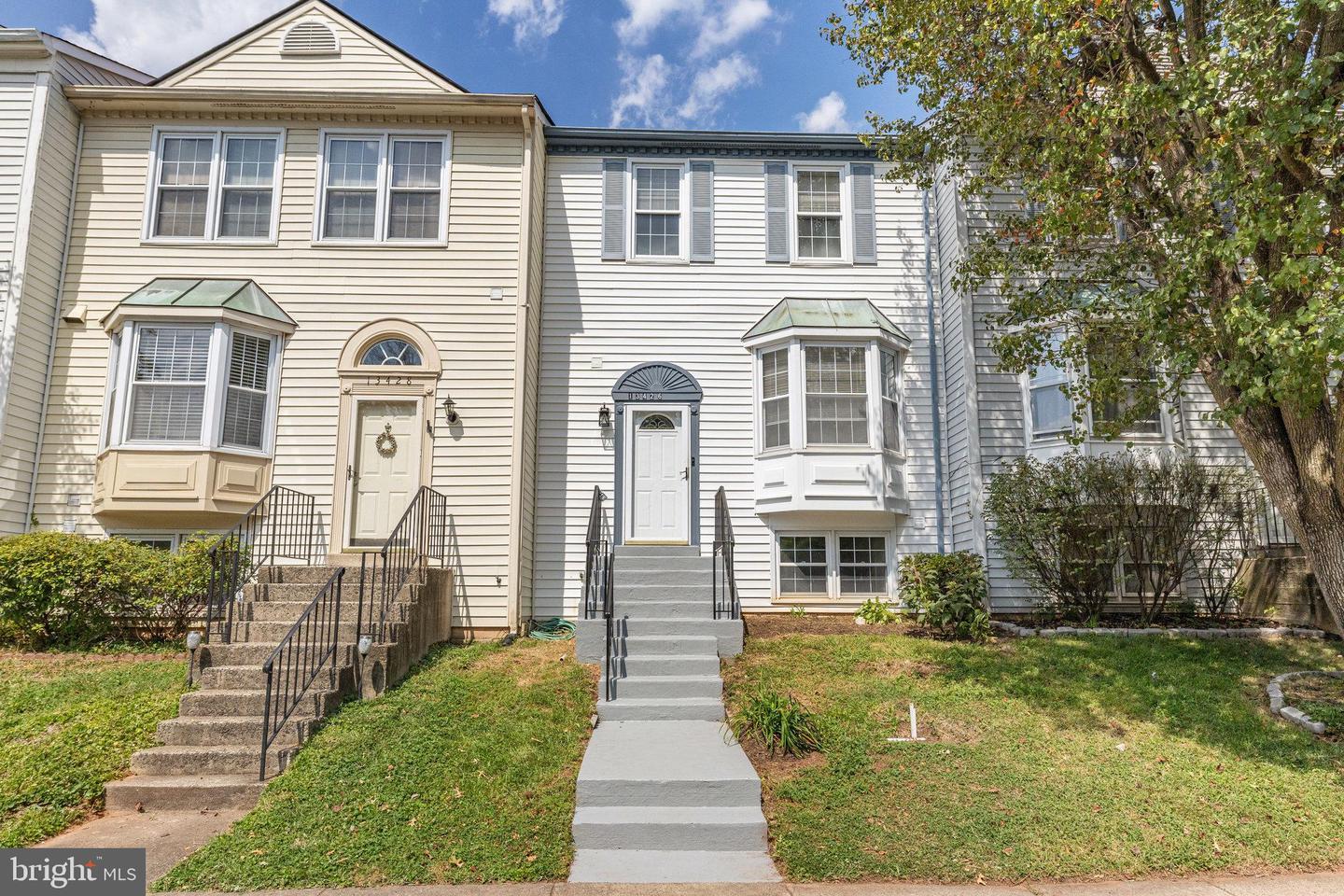
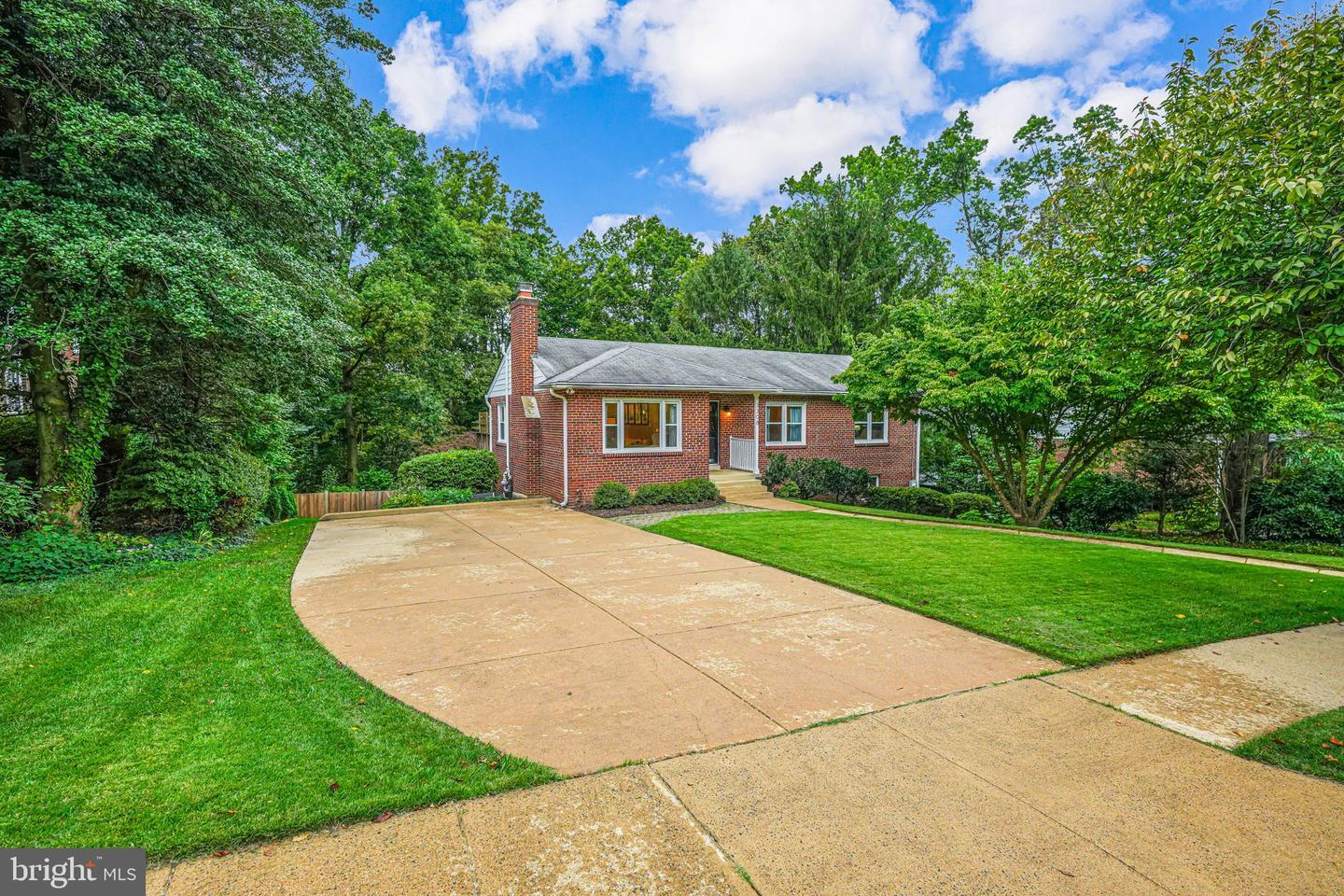

Vienna and Oakton. Single-family homes typically range $1.0M to $2.0M. Vienna in particular has appreciated sharply since 2010 due to Metro accessibility. Oakton’s larger lots and established neighborhood character keep pricing strong. Buyer pool blends federal/contractor families and tech relocators.
Mantua and Fairfax Station. Single-family homes typically range $850K to $1.6M. Mantua is unusual in that it has civic associations (not HOAs) which is a small but real seller advantage. Fairfax Station’s larger lots and septic-system inventory require some pre-listing planning specific to that submarket.
Burke and Springfield. Single-family homes typically range $700K to $1.1M. Townhomes range $500K to $700K. The Burke and Springfield retiree-seller demographic is particularly strong because much of the housing stock was built in the late 1970s through early 1990s, meaning many original or second owners are now retirement-age. David grew up in Burke and has closed sales in Burke Centre, Lake Braddock, Dunleigh, Signal Hill, and Longwood Knolls/Cherry Run.
Centreville and Clifton. Single-family homes typically range $700K to $1.1M in Centreville (more affordable submarket like Sully Station and Compton Valley Estates) up to $1.5M+ in Clifton’s upper-middle and equestrian properties. David has closed Centreville sales in Sully Station, Woodgate Manor, Compton Valley Estates, and other submarkets.
Reston and Herndon. Single-family homes typically range $750K to $1.4M. Townhomes range $550K to $850K. Condos $400K to $700K. The Silver Line Metro in Reston/Herndon has lifted pricing meaningfully since 2018. The Reston Association membership structure is a unique disclosure consideration.
Annandale and Falls Church (Fairfax County portions). Single-family homes typically range $750K to $1.3M. Inner-Beltway location keeps pricing strong despite older housing stock.
Fairfax City (separate independent city, but functionally part of the Fairfax County market). Single-family homes typically range $800K to $1.4M. Mosby Woods, Old Courthouse Square, and Country Club Hills are established submarkets. Fairfax City has different property tax rates than Fairfax County (see below).
The Fairfax City vs. Fairfax County tax difference for retirees
Fairfax City is a separate independent city, not part of Fairfax County’s tax jurisdiction. For retirees deciding whether to sell now or hold, the property-tax difference matters:
Fairfax County’s 2026 real-estate tax rate is approximately $1.11 per $100 of assessed value (varies slightly by year). Fairfax City’s 2026 rate is approximately $1.04 per $100. On a $1.2M assessed home, that’s a difference of roughly $840/year, modest but real over a multi-year hold-or-sell decision.
The more significant distinction is that Fairfax City has its own school district, separately funded, which affects both tax allocation and buyer-pool demographics. For retiree-sellers leaving the area entirely, the school distinction matters less for timing and more for which buyer-pool segment to target with pre-listing positioning.
Note: David owns a rental property in Fairfax City and has closed recent sales there. The Fairfax City market has its own rhythm distinct from the surrounding county.
Fairfax County 2026 market for the retiree seller (DOM, inventory, buyer pool)
Days-on-market in Fairfax County varies significantly by sub-area. Inner-Beltway and Metro-adjacent submarkets (Vienna, Oakton, Annandale, Reston/Herndon walk-to-Metro) typically see 14 to 28 days. Outer submarkets (Centreville, parts of Springfield, Western Fairfax County) typically see 21 to 45 days.
Inventory remains tight by historical standards in 2026, particularly in the $700K, $1.2M family-home segment that drives much of Fairfax County’s volume.
Buyer pool: federal/contractor professionals (still the plurality), tech relocators (growing), military relocations into Fort Belvoir, dual-income families upgrading from townhomes to single-family, downsizers from McLean/Vienna into Burke/Springfield, and a meaningful international-relocator share in McLean.
Common Fairfax County retiree-seller scenarios
Long-tenured single-family. Bought 1995 to 2005 for $300K, $500K, selling 2026 for $900K, $1.4M. Section 121 $500K married-filing-jointly exclusion typically shields most or all of the gain. Pre-listing strategy: cosmetic refresh + targeted updates, no major renovations.
Downsized condo. Bought 2008 to 2015 for $300K, $450K, selling 2026 for $500K, $650K. Lower equity per transaction but typically all-shielded by Section 121.
Large-lot Fairfax Station / equestrian Clifton. Bought 1995 to 2005 for $500K, $800K, selling 2026 for $1.2M, $2.0M+. May have taxable gain above the Section 121 exclusion. Pre-listing strategy: targeted high-end updates if needed; staging for luxury buyer pool.
Inner-Beltway (Annandale, Falls Church-area pockets). Bought 1990s for $250K, $400K, selling 2026 for $750K, $1.2M. Strong appreciation, typically Section-121-shielded if married-filing-jointly.
Fairfax County retiree timeline
The Fairfax County retiree timeline tracks the regional 6 to 12 month playbook. Worth noting: HOA / civic-association disclosure packets in many Fairfax County communities have specific delivery timing under Va. Code §55.1-1809. David’s process surfaces these requirements early so they don’t surprise the timeline.
Capital-gains (Section 121) and Virginia tax considerations
For most Fairfax County retirees with married-filing-jointly status, the $500,000 federal exclusion shields most or all of the gain. McLean, Great Falls, large-lot Fairfax Station, and Vienna sellers with extraordinary appreciation may have taxable gain above the exclusion. For full Section 121 detail with worked examples, see Capital Gains Tax When Selling a Long-Held Northern Virginia Home: The Section 121 Exclusion Explained. Always work with a qualified tax professional.
Coordinating sale + out-of-state purchase
Fairfax County’s somewhat slower DOM (compared to Arlington) means coordination requires more planning. The sell-first-then-rent strategy is the most common preference. For full coordination playbook, see How to Coordinate Selling Your Northern Virginia Home and Buying in Another State.
About David Mount
David Mount is a REALTOR® with The Redux Group of eXp Realty. David grew up in Burke, Virginia and graduated from Lake Braddock Secondary School. Across 12+ years and 200+ Northern Virginia transactions, David has closed Fairfax County sales in Fairfax City, Fairfax Station, Oakton, Burke (Burke Centre, Lake Braddock, Dunleigh, Signal Hill, Longwood Knolls/Cherry Run), Centreville (Sully Station, Woodgate Manor, Compton Valley Estates), Springfield, Mantua, and Greenbriar. He owns a rental property in Fairfax City. NVAR Top Producers Club Platinum Member (2024 and 2025) with 90+ five-star reviews. David maintains a strong network of trusted REALTOR® connections in retirement destinations across Florida, the Carolinas, Tennessee, and Arizona, and partners with you to interview and select the right destination-state buyer’s agent.
Considering a Fairfax County home sale and want a CMA plus equity projection? Call David at (571) 946-8418 or email david.mount@thereduxgroup.com.
Frequently asked questions
What’s the median sale price in Fairfax County in 2026?
Fairfax County’s overall median single-family sale price in 2026 is in the $850K, $950K range, with substantial variation by sub-area. McLean medians exceed $2.0M; Great Falls comparable. Vienna and Oakton run $1.2M, $1.5M. Burke, Springfield, and Centreville run $750K, $950K. Reston and Herndon vary by Metro proximity.
How does Fairfax City property tax compare to Fairfax County for retirees?
Fairfax City’s 2026 real-estate tax rate is approximately $1.04 per $100 of assessed value; Fairfax County’s is approximately $1.11. On a $1.2M home, that’s roughly $840/year difference. Fairfax City also has its own school district. The distinction affects multi-year hold-or-sell decisions modestly but is rarely the deciding factor.
How long does it take to sell in Fairfax County in 2026?
Days-on-market varies significantly by sub-area. Vienna, Oakton, Mantua, and Metro-walk Reston/Herndon typically see 14 to 28 days. Burke, Springfield, Centreville, and outer submarkets typically see 21 to 45 days. Listing-to-closing total runs 45 to 75 days for most transactions.
Should I sell my Fairfax Station home or rent it after I retire?
Selling captures the Section 121 federal capital-gains exclusion and provides liquidity for your destination-state purchase. Renting generates ongoing income but starts the 3-year clock on losing Section 121 if you don’t sell within 3 years of moving out. Work with a CPA on the rent-vs-sell math.
What’s the equity story for a Fairfax County home bought in 1995?
A typical Fairfax County home bought in 1995 for $350K is worth approximately $950K, $1.2M in 2026, depending on sub-area, condition, and updates. McLean and Great Falls homes from 1995 are worth substantially more. Burke, Springfield, and Centreville homes from 1995 are worth around the lower end of the range.
Are HOA / civic-association disclosure timelines different for retiree sellers?
The disclosure-timing rules under Va. Code §55.1-1809 apply to all sellers regardless of age, but the practical impact varies because retiree-sellers are often less familiar with the disclosure-packet ordering process. David’s pre-listing process orders the packet early so the 3-day buyer-receipt window doesn’t slow your contract-to-close timeline.
How does the school-quality factor affect my sale price if I’m leaving the area?
Buyers will price your home assuming they value the school. A home in a strong school pyramid (Langley, Madison, McLean, Oakton, Robinson, Lake Braddock) typically sells for a measurable premium vs. a comparable home in a less-sought pyramid.
Should I list my Fairfax County home before or after my Florida purchase?
For most retirees, sell first and rent in your destination state is the lowest-risk path. Buy-first is workable if you have strong cash reserves or a HELOC. Simultaneous closings require careful coordination but are common.
Do you handle Fairfax County sales for retirees who’ve already moved out of state?
Yes. David’s workflow is set up for remote document signing, video walkthroughs, and limited power-of-attorney arrangements where appropriate. The Section 121 capital-gains exclusion has a 3-year clock from when you stop using the home as your primary residence.
Related articles
- Selling Your Northern Virginia Home to Retire: 2026 Cornerstone Guide
- Capital Gains Tax When Selling a Long-Held Northern Virginia Home: Section 121 Explained
- How to Coordinate Selling Your Northern Virginia Home and Buying in Another State
- Selling a Northern Virginia Home You’ve Owned 20+ Years
- Moving from Northern Virginia to Florida in Retirement
- Moving from Northern Virginia to North Carolina in Retirement
- Selling Your Home in Fairfax County: 2026 Guide