


Latest News
Keep on top with latest and exclusive updates from our blog on the Northern Virginia real estate world. David Mount posts about tips and trends for buyers, sellers, and investors every week. Whether it be about staging your property or a snapshot of the market, this is your one stop shop.

Quick answer After Florida and North Carolina, the next-most-common retirement destinations for Northern Virginia retirees are South Carolina (Charleston, Hilton Head, Bluffton, Myrtle Beach), Tennessee (Knoxville, Nashville, Chattanooga, Sevier County, Franklin), and Arizona (Scottsdale, Tucson, Sun City, Mesa). Each state has different tax dynamics: SC taxes ordinary income at up to 6.4% but offers a generous retirement-income deduction; TN has no state income tax; AZ has a flat 2.5% income tax. NoVA 2026 sale prices typically allow comfortable purchases in any of these markets with cash left over. David Mount has 12+ years and 200+ NoVA transactions and a strong network of trusted REALTOR® connections across SC, TN, and AZ retirement destinations. Call (571) 946-8418 or email david.mount@thereduxgroup.com. Florida and North Carolina draw the largest shares of NoVA retiree relocations, but a meaningful and growing share of NoVA retirees choose other destinations: South Carolina for the lifestyle-and-climate combination of Lowcountry living, Tennessee for no-state-income-tax living plus a lower cost of living, and Arizona for the dry-climate change and golf-and-active-adult-community ecosystem. Each state offers a meaningfully different retirement experience and a distinct tax picture. This guide covers the most common SC, TN, and AZ destinations for NoVA retirees, the state-by-state tax snapshot, and the coordination logistics specific to longer-distance moves. South Carolina for NoVA retirees South Carolina has gained meaningful share of NoVA retiree volume over the past decade, driven by Charleston's cultural appeal, Hilton Head's mature retirement infrastructure, and Bluffton's emergence as a lower-cost alternative to Hilton Head with similar lifestyle. Charleston / Mt. Pleasant / Daniel Island / Kiawah The most common SC destination for higher-income NoVA retirees. Charleston proper for historic-character urban living. Mt. Pleasant for established suburban communities. Daniel Island for newer planned-community living with golf. Kiawah Island for upscale beach-and-golf living. Charleston has solid healthcare (MUSC) and a small but functional regional airport (CHS). Median single-family pricing in Mt. Pleasant runs roughly $700K, $1.0M in 2026; Charleston peninsula runs significantly higher; Daniel Island in the same upper range. Hilton Head / Bluffton / Sun City Hilton Head Hilton Head Island for upscale resort-community retirement living. Bluffton for similar lifestyle at lower cost. Sun City Hilton Head as a 55+ active-adult community with substantial NoVA retiree share. Median single-family pricing on Hilton Head Island runs roughly $750K, $1.4M; Bluffton substantially lower at $475K, $700K. Myrtle Beach / North Myrtle Beach / Conway Lower-cost SC coastal destination. Strong active-adult and 55+ community inventory. Healthcare via Tidelands Health and Conway Medical Center. Median single-family pricing in Myrtle Beach runs roughly $400K, $575K. Greenville / Spartanburg (upstate SC) Increasingly popular alternative for NoVA retirees who want SC living without coastal hurricane exposure. Greenville's downtown revitalization, Travelers Rest's small-town charm. Lower cost than Charleston or Hilton Head. Bon Secours / Prisma Health for healthcare. Median single-family pricing in Greenville runs roughly $400K, $600K. Tennessee for NoVA retirees Tennessee's no-state-income-tax status (since 2021) plus generally lower cost of living has made TN one of the fastest-growing retirement-destination states for NoVA retirees in 2024 to 2026. Knoxville / Farragut / Maryville The largest NoVA retiree-share TN destination. East Tennessee mountain proximity (Smokies, Cherokee National Forest, lakes). Strong UT-Knoxville-affiliated cultural scene. Healthcare via UT Medical Center. Knoxville airport (TYS). Median single-family pricing in Knoxville runs roughly $375K, $525K; Farragut and West Knox suburbs run higher; Maryville similar. Nashville / Franklin / Brentwood The high-end TN destination. Nashville proper for music-and-cultural retirees. Franklin and Brentwood for upscale suburban living. Healthcare via Vanderbilt and HCA. Nashville International (BNA). Median single-family pricing in Franklin and Brentwood runs roughly $750K, $1.2M; Nashville urban core varies widely. Chattanooga / Lookout Mountain / Signal Mountain The smaller, more outdoor-focused TN destination. Tennessee River, mountain access, low-cost living. Healthcare via Erlanger and CHI Memorial. Chattanooga airport (CHA). Median single-family pricing in Chattanooga runs roughly $350K, $500K; Lookout Mountain and Signal Mountain run higher. Sevier County (Pigeon Forge / Gatlinburg / Sevierville) Smoky Mountains gateway. More common as a second-home or retirement-with-rental-income strategy. Many NoVA retirees keep a Knoxville-area primary residence and a Sevier County mountain cabin for personal use plus short-term rental income. Arizona for NoVA retirees Arizona's dry climate, mature 55+ community ecosystem, and lower cost of living continue to draw NoVA retirees seeking a meaningful climate change. AZ has a flat 2.5% state income tax. Property taxes vary by county but are generally moderate. Scottsdale / Phoenix / Paradise Valley The high-end AZ destination. Scottsdale for upscale resort-style retirement living. Paradise Valley for the highest-end. Strong healthcare (Mayo Clinic Phoenix, HonorHealth, Banner). Phoenix Sky Harbor (PHX) for direct flights. Median single-family pricing in Scottsdale runs roughly $700K, $1.4M; Paradise Valley substantially higher. Sun City / Sun City West / Sun City Grand The original active-adult-community concept. Northwest Phoenix metro. Substantial NoVA-retiree share. Lower cost of living than Scottsdale. Median single-family pricing in Sun City runs roughly $375K, $525K. Tucson / Oro Valley / Green Valley The lower-cost AZ destination. Tucson proper for desert-and-mountain living plus University of Arizona cultural access. Oro Valley for upscale planned-community living. Green Valley for 55+ active-adult focus. Healthcare via Banner Health and Tucson Medical Center. Tucson airport (TUS). Median single-family pricing in Tucson runs roughly $375K, $500K. Mesa / Gilbert / Chandler (East Valley) Phoenix metro East Valley for retirees who want metro access without Scottsdale pricing. Strong healthcare ecosystem. Mature 55+ community inventory. Median single-family pricing in Mesa runs roughly $450K, $575K. State-by-state tax snapshot South Carolina tax State income tax: graduated up to 6.4% in 2026 (recently reduced from 7%). Retirement income deduction: SC residents over 65 receive up to a $15,000 deduction on retirement income (per spouse). Property tax: typically 0.5%, 0.7% of fair market value, with primary-residence assessment ratio of 4%. No estate tax. No inheritance tax. Tennessee tax State income tax: none (Hall Tax fully phased out in 2021). Sales tax: among the highest in the country (9 to 10% combined state and local in most metros). Property tax: typically 0.6%, 0.9% of assessed value. No estate tax. No inheritance tax. Arizona tax State income tax: flat 2.5% as of 2023. Social Security: not taxed. Property tax: typically 0.5%, 0.75% of assessed value. No estate tax. No inheritance tax. Coordinating sale + multi-day move logistics Cross-country moves (especially to Arizona) require more logistical planning than the East-coast destinations. Long-distance movers must be booked further in advance. Driving a vehicle vs. shipping it. Auto-shipping costs to AZ. Climate-controlled storage if needed for the in-between days. For full coordination playbook applicable to any destination state, see How to Coordinate Selling Your Northern Virginia Home and Buying in Another State. Capital-gains and tax-residency considerations The Section 121 federal exclusion ($250K single / $500K married) applies regardless of state residency at sale. Virginia state tax (5.75%) applies to gain above the federal exclusion if you're a Virginia resident at sale. If you're moving to TN (no income tax) or AZ (2.5% flat), establishing residency before the NoVA sale can save state tax on gain above the federal exclusion. SC's 6.4% top rate is higher than VA's 5.75%, so SC residency-shift before sale may not be advantageous on the gain itself. Always work with a CPA on residency-shift timing. About David Mount David Mount is a REALTOR® and COO with The Redux Group of eXp Realty. With 12+ years and 200+ Northern Virginia transactions, David's practice is set up for the remote document signing, multi-state coordination, and decades-of-belongings logistics that retirement relocation requires. NVAR Platinum Top Producer (2024) with 90+ five-star reviews. David maintains a strong network of trusted REALTOR® connections across SC, TN, and AZ retirement destinations. Considering a NoVA-to-SC, TN, or AZ retiree relocation? Call David at (571) 946-8418 or email david.mount@thereduxgroup.com. Frequently asked questions Why are NoVA retirees increasingly moving to Tennessee? The combination of no state income tax, lower cost of living than NoVA, proximity to family in DC (8 to 10 hour drive), and the lifestyle range from urban Nashville to mountain Knoxville to riverside Chattanooga has made TN one of the fastest-growing retirement destinations for NoVA retirees in 2024 to 2026. Does South Carolina or Tennessee have better retirement-tax treatment? For most retirees, Tennessee, because TN has no state income tax at all. SC has a 6.4% top rate offset by a generous retirement-income deduction, but TN's zero is generally simpler and more favorable for higher-income retirees. What does a Scottsdale lifestyle cost compared to Fairfax County? Roughly comparable to Fairfax County on a housing basis ($800K Scottsdale equivalent to $1.2M Fairfax County in cost terms after adjusting for size and amenities). Lower property taxes and substantially lower state income tax (2.5% vs. 5.75%) push the overall annual cost of living below Fairfax County by 10 to 20% for most retirees. Is Hilton Head's hurricane risk worth the lifestyle? Hilton Head's hurricane exposure is real but materially lower than peninsular Florida. The island has hardened building standards. For NoVA retirees prioritizing coastal living plus mature retirement infrastructure, Hilton Head and Bluffton are strong choices despite the hurricane factor. How do I coordinate a NoVA sale with a Knoxville purchase? Knoxville's slower-DOM market (typically 30 to 60 days) gives more coordination time than Asheville. A common pattern: Knoxville house identified in March, NoVA listing live in April, NoVA closes in May, Knoxville closes 2 to 4 weeks later. Should I rent in Charleston before buying? For most NoVA-to-Charleston retirees, yes. Charleston's microclimates and submarket pricing diverge meaningfully. A 6-month rental gives you summer-season trial plus neighborhood-level local knowledge before committing. Do you have REALTOR® partners in SC, TN, and AZ? David maintains a strong network of trusted REALTOR® connections across SC (Charleston, Hilton Head, Bluffton, Myrtle Beach, Greenville), TN (Knoxville, Nashville, Franklin, Chattanooga), and AZ (Scottsdale, Phoenix metro, Tucson, Sun City). Is there a tax advantage to closing on my NoVA sale before establishing residency in my new state? Generally not, the Section 121 federal exclusion shields the first $250K (single) / $500K (married) of gain regardless of state. For gain above the exclusion, the answer depends on the destination state. Always work with a CPA. Can I sell my NoVA home after I've moved cross-country? Yes. The Section 121 capital-gains exclusion has a 3-year clock from when you stop using the NoVA home as your primary residence. Related articles Selling Your Northern Virginia Home to Retire: 2026 Cornerstone Guide Capital Gains Tax When Selling a Long-Held Northern Virginia Home: Section 121 Explained How to Coordinate Selling Your Northern Virginia Home and Buying in Another State Moving from Northern Virginia to Florida in Retirement Moving from Northern Virginia to North Carolina in Retirement
Read more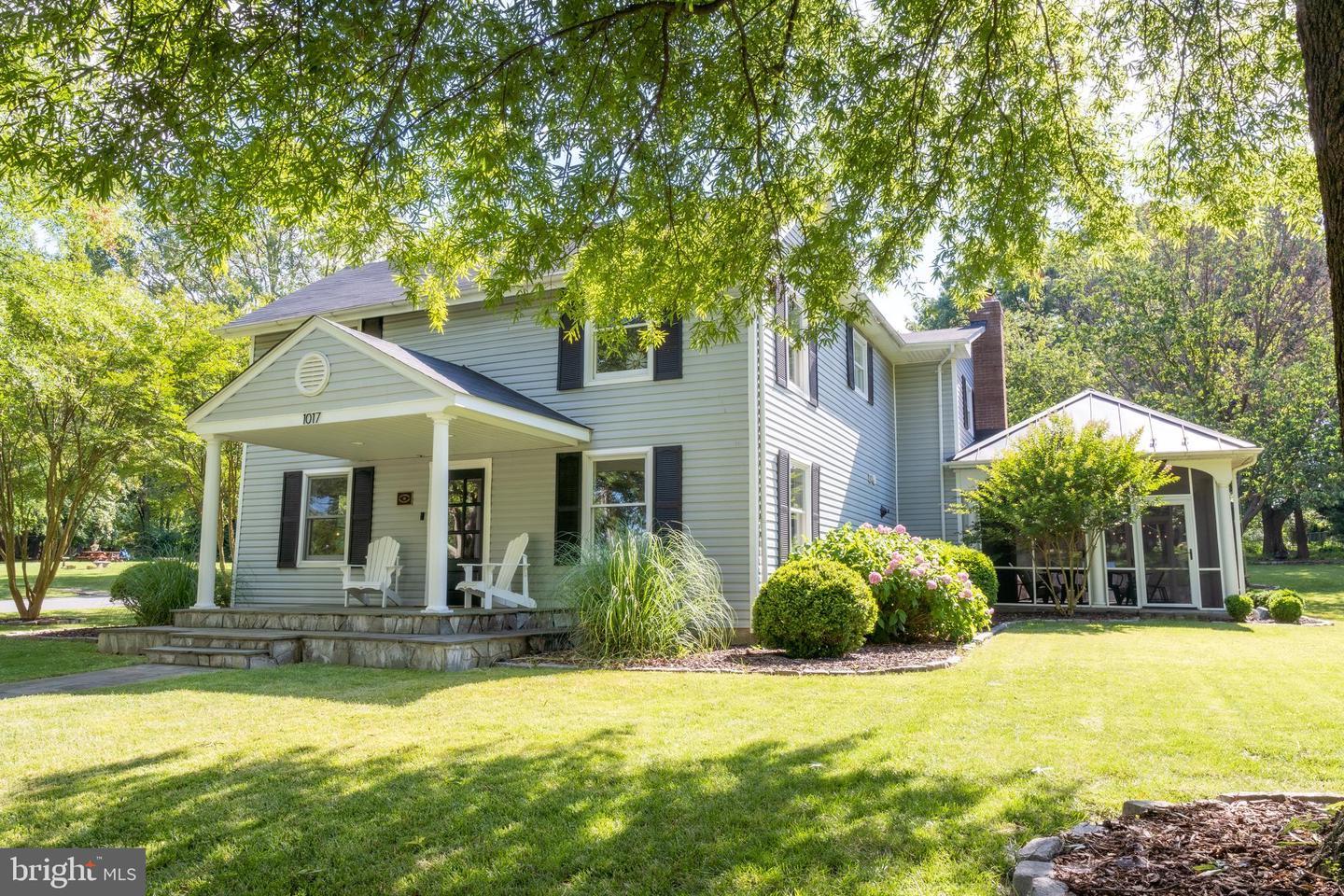
Quick answer North Carolina is the second-most-common retirement destination for Northern Virginia retirees, with Wilmington / Carolina Beach (coastal), Asheville / Hendersonville (mountain), Charlotte / Lake Norman (urban-suburban), and Raleigh / Durham / Chapel Hill (research triangle) drawing the largest shares. NC has a flat 4.25% state income tax (lower than Virginia's 5.75% top rate), generally lower property taxes than NoVA, and no estate tax. Northern Virginia 2026 home prices typically allow NoVA retirees to buy NC equivalents with significant cash left over for retirement savings. David Mount has 12+ years and 200+ NoVA transactions and a strong network of trusted REALTOR® connections across NC's major retirement destinations. Call (571) 946-8418 or email david.mount@thereduxgroup.com. North Carolina has steadily climbed up the destination list for Northern Virginia retirees over the past decade, and 2026 marks one of the strongest years yet for NoVA-to-NC retiree relocations. The combination of lower state income tax than Virginia, generally lower property taxes than NoVA, a wider lifestyle range than Florida (mountains, coast, urban, suburban, college towns), and proximity that lets retirees stay within a half-day's drive of children/grandchildren in DC has made NC a particularly versatile retirement choice. This guide walks through the most common NC destinations for NoVA retirees, the cost-of-living and tax math relative to Northern Virginia, the timing playbook for coordinating a Northern Virginia sale with an NC purchase, and the most common mistakes NoVA-to-NC retirees make. Why NoVA retirees pick North Carolina Lower state income tax. NC's flat state income tax rate is 4.25% in 2026, scheduled to decline further over the coming years. Virginia's top rate is 5.75%. The roughly 1.5-percentage-point difference produces several thousand dollars per year of savings for typical retirement-income households. Generally lower property taxes than NoVA. NC effective property tax rates vary by county but typically run 0.5%, 0.9%. NoVA effective rates run 1.0%, 1.15%. On a $600K NC primary residence vs. a $1.2M NoVA primary residence, NC property tax bills are typically 50 to 60% lower in absolute dollars. Lifestyle range. Mountains (Asheville, Hendersonville, Brevard, Highlands). Coast (Wilmington, Wrightsville Beach, Carolina Beach, Outer Banks). Urban/suburban (Charlotte, Lake Norman, Davidson, Raleigh, Cary). College towns (Chapel Hill, Durham). The range is broader than Florida's, which helps NoVA retirees match destination to lifestyle preference. Proximity. Asheville is roughly 7 hours from NoVA. Charlotte is roughly 6 hours. Wilmington and Raleigh are roughly 5 hours. This compares favorably to Florida (12 to 18 hours), Tennessee (8 to 10 hours), or Arizona (cross-country flight). NC's proximity matters for retirees who plan to drive back to NoVA frequently for family visits, doctors, or short stays. No estate tax. NC repealed its estate tax in 2013. Virginia also has no estate tax, so this isn't a differentiator vs. VA. Strong specialty healthcare. Duke and UNC Health in the Triangle, Atrium Health and Novant in Charlotte, Mission Health in Asheville, New Hanover Regional in Wilmington. Across NC's major retirement metros, healthcare access is strong. North Carolina property tax + retirement income tax basics for relocating Virginians NC retirement income taxation: Social Security: not taxed. 401(k) and IRA distributions: taxed at the flat 4.25% rate. Pensions (federal civilian, military, state): some Bailey Settlement exceptions for certain pre-1989 employees; otherwise taxed at 4.25%. Investment income: taxed at 4.25%. Capital gains: taxed as ordinary income at 4.25%. For NoVA retirees, the relevant comparison is Virginia's 5.75% top rate vs. NC's flat 4.25%. The differential lifts after-tax retirement income noticeably for higher-income households. Bailey Settlement note Some federal civilian retirees with at least 5 years of NC-eligible service before August 12, 1989 may qualify for the Bailey Settlement exclusion, which exempts certain government pension income from NC tax entirely. This is a narrow exception with specific eligibility rules; ask your CPA whether it applies to your situation. Where NoVA retirees move in NC Wilmington / Carolina Beach / Wrightsville Beach The most common coastal NC destination for NoVA retirees. Wilmington proper for arts, dining, and historic-character buyers. Carolina Beach for relaxed, lower-cost coastal living. Wrightsville Beach for upscale beach-community living. Wilmington has solid healthcare (New Hanover Regional, now affiliated with Novant) and a small but functional regional airport (ILM) for travel back to DC. Median single-family pricing in Wilmington proper runs roughly $475K, $650K in 2026, with Wrightsville Beach substantially higher. Asheville / Hendersonville / Brevard (mountains) The dominant mountain destination for NoVA retirees. Asheville proper for arts, breweries, walkability, and a strong cultural scene. Hendersonville for slower-paced Blue Ridge living. Brevard for music-lovers (Brevard Music Festival) and proximity to Pisgah National Forest. Asheville Regional Airport (AVL) connects to major hubs. Mission Health is a strong regional system. Median single-family pricing in Asheville proper runs roughly $475K, $700K in 2026; Hendersonville and Brevard are typically lower. Charlotte / Lake Norman / Davidson The largest urban NC destination. Charlotte proper for retirees prioritizing major airport access (Charlotte Douglas, CLT, with direct flights to most US cities), dining, professional sports, and the South End / Uptown urban scene. Lake Norman / Cornelius / Davidson / Mooresville for golf-and-lake-living retirees. Charlotte's healthcare via Atrium Health and Novant is strong. Median single-family pricing in Charlotte proper runs roughly $500K, $750K; Lake Norman and Davidson run higher. Raleigh / Durham / Chapel Hill (Research Triangle) The intellectual-and-medical destination. Raleigh proper for state-government and broader urban living. Cary for upscale suburban planned-community living. Durham for Duke-affiliated retirees and an emerging arts/dining scene. Chapel Hill for UNC-affiliated retirees and college-town living. The Triangle has unmatched healthcare (Duke, UNC) and direct flights from RDU to most major cities. Median single-family pricing in Raleigh proper runs roughly $450K, $650K; Cary and Chapel Hill run higher. Outer Banks for second-home or relocate-and-rent strategies Less common as a primary-residence destination but meaningful as a retirement strategy: keep a year-round home in Raleigh, Wilmington, or Charlotte, plus a beach property in the OBX (Duck, Corolla, Nags Head, Hatteras) for summer use and short-term rental income. Coordinating your NoVA sale with your NC purchase NC's slower seller-market pace compared to NoVA in 2026 means coordination requires more planning. The three timing scenarios, sell first and rent in NC, buy first using HELOC/bridge, or simultaneous closings, all work, with sell-first-and-rent being the most common preference. For full coordination playbook, see How to Coordinate Selling Your Northern Virginia Home and Buying in Another State. North Carolina seller's market context: how it differs from NoVA in 2026 NC's 2026 market is cooler than NoVA's. DOM in NC retirement metros typically runs 30 to 60 days, vs. 14 to 30 in most NoVA submarkets. Buyer pools are smaller and more local. Pricing negotiation room is greater, a NC home listed at $625K may sell for $605K, where the same dynamic in NoVA would have produced multiple offers above ask. For NoVA retirees, this differential market timing creates an opportunity. Your NoVA home likely sells fast at full ask, giving you cash and time. Your NC purchase has more negotiating room than it did in 2021 to 2022. Capital-gains and tax-residency considerations The Section 121 federal exclusion ($250K single / $500K married) applies regardless of state residency at sale. Virginia state tax (5.75%) applies to gain above the federal exclusion if you're a Virginia resident at sale. NC state tax (4.25%) would apply if you're an NC resident at sale. For most NoVA retirees with married-filing-jointly status, the Section 121 federal exclusion shields all or most of the gain. For high-equity sellers (Arlington, McLean, Old Town Alexandria, Great Falls), residency-shift timing can save several thousand dollars by establishing NC residency before sale, since 4.25% NC vs. 5.75% VA on the taxable portion is a meaningful difference. Always work with a CPA. Common NoVA-to-NC retiree-move mistakes Underestimating the Asheville housing-market constraint. Asheville has limited buildable land due to mountain topography. Inventory is genuinely tight, particularly in Asheville proper. Casual visitors expect to find a home in 60 days; the reality often runs 90 to 180 days. Skipping the climate trial. NC mountain summers are mild but winters can be cold and occasionally snowy. NC coast summers are hot and humid. Spending a summer or winter trial in your destination metro before buying is wise. Buying in Charlotte expecting it to feel like NoVA. Charlotte is a smaller, more spread-out metro with car-dependent sprawl. Retirees who want walkability should focus on South End, Uptown, Plaza Midwood, or Davidson, not the broader Charlotte sprawl. Not planning for tax-residency boundaries. Closing on the NoVA sale December 28 and moving January 4 can create dual-residency complications. Not interviewing the NC buyer's agent. A Charlotte agent and an Asheville agent and a Wilmington agent all work different markets. David partners with you to interview and select the right NC agent. About David Mount David Mount is a REALTOR® and COO with The Redux Group of eXp Realty. With 12+ years and 200+ Northern Virginia transactions, David's practice is set up for the remote document signing, multi-state coordination, and decades-of-belongings logistics that retirement relocation requires. NVAR Platinum Top Producer (2024) with 90+ five-star reviews. David maintains a strong network of trusted REALTOR® connections across NC's major retirement metros, Wilmington, Asheville, Charlotte, Raleigh / Durham / Chapel Hill, and the Outer Banks. Considering a NoVA-to-NC retiree relocation? Call David at (571) 946-8418 or email david.mount@thereduxgroup.com. Frequently asked questions How does North Carolina's retirement income tax compare to Virginia's? NC's flat state income tax is 4.25% in 2026 (and trending down). Virginia's top rate is 5.75%. NC doesn't tax Social Security; Virginia doesn't either. Both states tax 401(k) and IRA distributions, pensions, and investment income at their respective rates. When should I sell my NoVA home if I'm moving to Asheville? Asheville's tight inventory means starting the destination-state shopping process before listing your NoVA home is often wise, you may need 3 to 6 months of Asheville shopping. NoVA listing timing typically follows: spring/early summer is the strongest seller season. How do I coordinate a Wilmington purchase with a NoVA closing? Wilmington's slower DOM (45 to 75 days typically) gives more time for coordination than Asheville. A common pattern: identify Wilmington home in March, NoVA listing goes live in April, NoVA closes in May, Wilmington closes 2 to 4 weeks later. What's the cost-of-living difference moving from Loudoun to Charlotte? Roughly 20 to 30% cost-of-living reduction depending on your housing footprint. The biggest single factor is housing, Charlotte's median single-family is roughly half of Loudoun's. State income tax savings (1.5 percentage points) and property tax savings add to the differential. Is Asheville's market harder to time than Charlotte's? Yes. Asheville has tighter inventory and longer typical buyer-search timelines. Charlotte has substantially more inventory, more comp data, and more predictable DOM. Should I sell my Fairfax County home before I close on my NC home? For most retirees, yes, sell first, rent in NC for 3 to 6 months, then buy with full local knowledge and your NoVA cash in hand. Do you have NC REALTOR® partners in Wilmington, Asheville, Charlotte, and Raleigh? David maintains a strong network of trusted REALTOR® connections across NC's major retirement destinations. As part of his retirement-relocation engagement, David partners with you to interview and select the right NC buyer's agent. What's the property tax difference Fairfax County vs. Mecklenburg County (Charlotte)? Fairfax County's 2026 effective real-estate tax rate is roughly 1.11%. Mecklenburg County's effective rate is roughly 0.95%. Can I sell my NoVA home after I've already moved to NC? Yes. The Section 121 capital-gains exclusion has a 3-year clock from when you stop using the NoVA home as your primary residence. David's workflow is set up for remote sales. Related articles Selling Your Northern Virginia Home to Retire: 2026 Cornerstone Guide Capital Gains Tax When Selling a Long-Held Northern Virginia Home: Section 121 Explained How to Coordinate Selling Your Northern Virginia Home and Buying in Another State Moving from Northern Virginia to Florida in Retirement Moving from Northern Virginia to South Carolina, Tennessee, or Arizona
Read more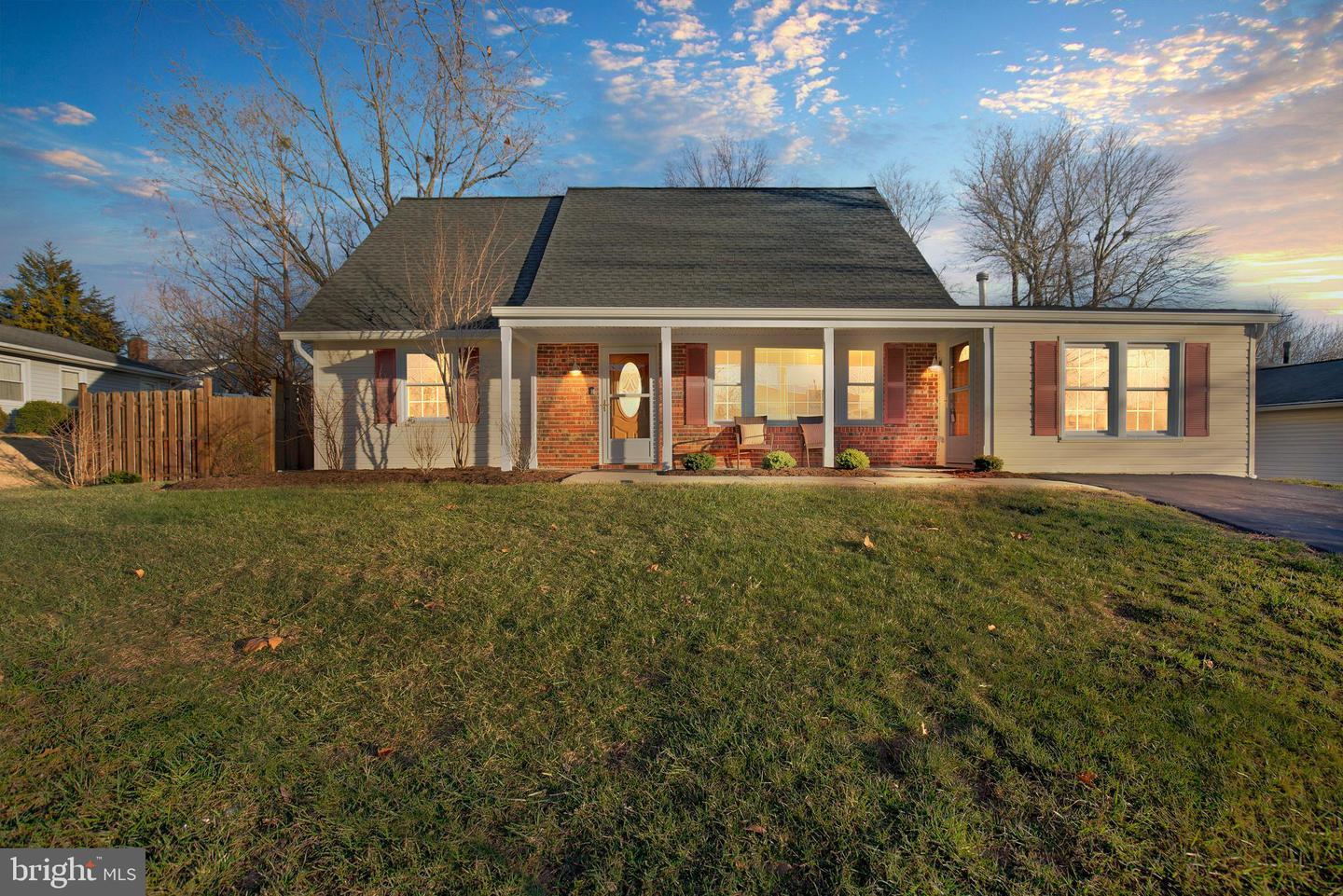
Quick answer Florida is the most common retirement destination for Northern Virginia retirees, with Tampa Bay, Sarasota / Bradenton / Lakewood Ranch, Naples / Bonita Springs / Estero, The Villages, and Jacksonville drawing the largest shares. Florida has no state income tax, a strong homestead exemption, and substantially lower property taxes than NoVA, but hurricane-zone insurance is the offsetting consideration. NoVA homes sell quickly, giving you a manageable window to close on Florida. David Mount has 12+ years and 200+ NoVA transactions and a strong network of trusted REALTOR® connections in Florida, David partners with you to interview and select the right Florida buyer's agent. Call (571) 946-8418 or email david.mount@thereduxgroup.com. Florida has been the dominant retirement destination for Northern Virginia homeowners for decades, and 2026 is no exception. The combination of no state income tax, the strongest homestead exemption in the country, year-round warmth, and a mature retirement infrastructure keeps Florida at the top of the destination list for NoVA retirees relocating from Arlington, Alexandria, Fairfax County, Loudoun County, and Prince William County. This guide walks through the most common Florida destinations for NoVA retirees, the cost-of-living and tax math relative to Northern Virginia, the timing playbook for coordinating a Northern Virginia sale with a Florida purchase, and the most common mistakes NoVA-to-Florida retirees make. The tax content is general; always work with a qualified CPA on residency-shift planning. Why NoVA retirees pick Florida No state income tax. Florida is one of nine states with no state income tax. Virginia taxes ordinary income at up to 5.75% in 2026, which means the gross-income difference for a $150,000 retirement-income household relocating from Virginia to Florida is roughly $8,600 per year. Strong homestead exemption. Florida's homestead exemption ($25K basic + $25K for certain assessment levels) reduces taxable assessed value, and the Save Our Homes provision caps annual assessment increases at 3% for primary residences. For long-tenured Florida residents, this can produce dramatic property-tax savings over time. Lower property taxes than NoVA. Florida property tax rates vary by county but typically run 0.7%, 1.1% of assessed value, often combined with a homestead exemption that further lowers the effective rate. NoVA effective rates run roughly 1.0%, 1.15%. On a $700K Florida primary residence vs. a $1.2M NoVA primary residence, the difference is several thousand dollars per year. Climate and lifestyle. Year-round outdoor activity. Active-adult communities. Strong specialized healthcare (Mayo Clinic Jacksonville, Moffitt Cancer Center Tampa, Cleveland Clinic Florida). Mature retirement infrastructure. The Villages alone has over 145,000 residents organized into one of the most developed active-adult communities in the country. Sarasota / Lakewood Ranch, Naples / Bonita Springs, and dozens of other Florida communities have similar (smaller) infrastructure designed specifically for relocating retirees. The Florida tax considerations for relocating Virginians Establishing Florida residency for tax purposes requires more than just buying a Florida home, it requires demonstrating Florida is your primary residence. The standard markers: Florida driver's license Florida vehicle registration Florida voter registration Florida primary-residence designation on your home Florida homestead exemption filed More than 183 days physically present in Florida per tax year Banking and major financial relationships shifted to Florida Estate-planning documents updated under Florida law If you sell your NoVA home and close before establishing Florida residency for that tax year, the home-sale gain falls under Virginia's tax jurisdiction (5.75% on amounts above the Section 121 federal exclusion). If you sell after establishing Florida residency, the analysis is more nuanced, Virginia may still tax part-year residency income, but Florida won't. Always work with a CPA on residency-shift timing. The single biggest residency-timing mistake: closing on the NoVA sale on December 28, then physically moving on January 4. Both Virginia and Florida may try to claim residency for that tax year. Aligning the closing date and the move-date with a clean tax-year boundary usually resolves this cleanly. Where NoVA retirees actually move in Florida Tampa Bay (St. Petersburg, Clearwater, Wesley Chapel, Brandon, Sarasota) The most common destination metro for NoVA retirees. St. Petersburg's downtown waterfront and Clearwater Beach for active retirees who want walkable urban-coastal living. Wesley Chapel and Brandon for golf-course / planned-community living. Tampa proper for retirees who want sports, dining, and proximity to adult children. Tampa Bay also has Tampa International Airport with direct DC-area flights, which simplifies family visits. Sarasota / Bradenton / Lakewood Ranch The fastest-growing destination for NoVA retirees over the past decade. Sarasota proper for arts-and-culture-oriented retirees. Lakewood Ranch as one of the most heavily-marketed master-planned communities in Florida. Siesta Key beach access from any Sarasota neighborhood. Strong specialty healthcare. Tampa airport reachable in 60 to 80 minutes. Naples / Bonita Springs / Estero Higher-income retirement destination. Pelican Bay, Lely Resort, Naples Bay Resort, and dozens of country-club communities. The most expensive Florida retirement metro on a per-square-foot basis. Strong arts and dining scenes. Healthcare via Naples Community Hospital. Fort Myers / Southwest Florida airport (RSW) for flights. The Villages and other inland 55+ communities The Villages is its own category, over 145,000 residents in a meticulously-designed active-adult community spanning three counties. 50+ golf courses, 100+ restaurants, organized social structure. NoVA retirees moving to The Villages typically want the social structure and don't want or need beach access. Other inland 55+ communities (On Top of the World in Ocala, Solivita in Poinciana, Sun City Center near Tampa) draw smaller but meaningful NoVA volumes. Jacksonville and Atlantic coast (Ponte Vedra, Amelia Island, St. Augustine) Less common than Tampa Bay or Naples but growing share. Ponte Vedra and Amelia Island for upscale beach-community retirees. Jacksonville proper for retirees prioritizing healthcare (Mayo Clinic) or proximity to family. St. Augustine for historic-character retirees. Coordinating your NoVA sale with your Florida purchase: 3 timing scenarios The most common timing question for NoVA-to-Florida retirees is: how do I close on both transactions without carrying two mortgages or being homeless between them? Scenario A: Sell first, rent in Florida, then buy. Lowest risk, most common preference. List your NoVA home, close, move into a 6 to 12 month Florida rental, shop slowly with full local knowledge. Scenario B: Buy first using HELOC or bridge loan, then sell. Higher cost. You secure the Florida home first, move in, then list your NoVA home. Carrying two payments for 30 to 90 days. Best for retirees with strong cash reserves or an existing HELOC. Scenario C: Simultaneous closings. Most common preference but trickiest to execute. Both transactions close within the same week, ideally the same day. Requires close communication between David and your Florida buyer's agent on contract terms, contingencies, and closing dates. For full coordination playbook, see How to Coordinate Selling Your Northern Virginia Home and Buying in Another State. Florida buyer's market vs. NoVA seller's market: what 2026 looks like Northern Virginia continues to favor sellers, tight inventory, 14 to 30 day DOM on most properly-priced listings, often multiple offers. Florida is more mixed, some retirement metros (The Villages, parts of Sarasota) remain seller-favorable; others (Naples high-end, parts of South Florida condo) have softened with longer DOM and price negotiation room. For NoVA-to-Florida retirees, the differential market timing creates an opportunity: your NoVA home likely sells quickly and at full ask, giving you cash and time. Your Florida purchase has more negotiating room than it did in 2021 to 2023. Capital-gains and Virginia-to-Florida tax-residency considerations The Section 121 federal exclusion ($250K single / $500K married) applies regardless of state residency at sale. Virginia state tax (5.75%) applies to the portion of gain above the federal exclusion if you're a Virginia resident at sale. Florida has no state income tax on the sale. For most NoVA retirees with married-filing-jointly status, the Section 121 exclusion shields all or most of the gain. For Arlington, Old Town Alexandria, McLean, and Great Falls sellers with truly extraordinary appreciation, residency-shift timing can save tens of thousands of dollars in Virginia tax. Always work with a CPA. For full Section 121 detail, see Capital Gains Tax When Selling a Long-Held Northern Virginia Home: The Section 121 Exclusion Explained. Common NoVA-to-Florida retiree-move mistakes Underestimating Florida hurricane-zone insurance. Insurance premiums in coastal Florida have risen sharply since 2020. A $700K Naples or Sarasota home might carry $4,000, $8,000+ per year in insurance, vs. $1,500, $2,500 for the same home value in NoVA. Inland Florida has lower insurance burden. Buying in Florida before visiting in summer. NoVA retirees often visit Florida in winter when the weather is ideal. Florida summer is genuinely demanding, humid, hot, with substantial afternoon thunderstorms. A trial summer visit before buying is wise. Skipping the Florida-residency timing analysis. Closing on the NoVA sale at the wrong tax-year boundary can cost meaningful state tax. Work with a CPA before the listing date. Not interviewing the Florida buyer's agent. A Florida agent who isn't familiar with NoVA-buyer expectations can miss what matters to you. David partners with you to interview and select the right Florida agent. Assuming all Florida is the same. Tampa Bay, Sarasota, Naples, The Villages, and Jacksonville are five different markets. Visit at least two before deciding. About David Mount David Mount is a REALTOR® and COO with The Redux Group of eXp Realty. With 12+ years and 200+ Northern Virginia transactions, David's practice is set up for the remote document signing, multi-state coordination, and decades-of-belongings logistics that retirement relocation requires. NVAR Platinum Top Producer (2024) with 90+ five-star reviews. David maintains a strong network of trusted REALTOR® connections across Florida's major retirement metros, Tampa Bay, Sarasota / Lakewood Ranch, Naples / Bonita Springs, The Villages, Jacksonville, and the Atlantic coast. As part of his retirement-relocation engagement, David partners with you to interview and select the right Florida buyer's agent for your specific destination metro, price band, and move timeline. Considering a NoVA-to-Florida retiree relocation? Call David at (571) 946-8418 or email david.mount@thereduxgroup.com. Frequently asked questions What's the average cost-of-living change moving from Fairfax County to Tampa or Naples? Fairfax County to Tampa: roughly 15 to 25% cost-of-living reduction depending on housing footprint. Fairfax County to Naples: closer to neutral or slightly higher cost of living. State income tax savings (5.75% gone) can be the biggest single factor for higher-income retirees. When during the calendar year should I sell my NoVA home if I'm moving to Florida? Two factors. First, NoVA seasonal seller timing: spring (March, May) and early summer (June, early July) are the strongest seller seasons in NoVA. Second, residency-shift tax timing: closing on the NoVA sale before establishing Florida residency typically means Virginia taxes any gain above Section 121. How do I handle two simultaneous closings, Virginia sale and Florida purchase? Coordination requires close communication between David and your Florida buyer's agent on inspection timing, financing-contingency timing, and closing dates. The wire from your NoVA sale closing must arrive at Florida escrow on time. David has handled many simultaneous closings. Should I rent in Florida first or buy outright? For most retirees, renting in Florida for 6 to 12 months before buying is the lowest-risk path, particularly if you're not 100% certain on the metro. Rent gives you summer-season trial, neighborhood-level local knowledge, and time to negotiate the right purchase. How does Florida's homestead exemption help retirees? Florida's homestead exemption reduces the assessed value used for property tax calculations by up to $50,000. It also activates the Save Our Homes provision, which caps annual assessed-value increases at 3% per year for primary residences. The exemption requires you to make Florida your primary residence and file the homestead application by March 1 of the relevant tax year. Is hurricane-zone insurance going to wipe out my NoVA equity gain? Generally no, but it's a real and growing line item. Coastal Florida insurance premiums have risen 2 to 3x since 2020 in the most exposed zones. For a typical $700K Naples or Sarasota home, expect $4,000, $8,000+ per year. Inland Florida has substantially lower insurance burden. Do you have Florida REALTOR® partners in Tampa, Sarasota, Naples, and The Villages? David maintains a strong network of trusted REALTOR® connections across the major Florida retirement destinations. As part of his retirement-relocation engagement, David partners with you to interview and select the right Florida buyer's agent for your destination metro, price band, and move timeline. What's the difference between The Villages and Sun City Center for NoVA retirees? The Villages is substantially larger (~145,000 residents vs. ~25,000), has more amenities, more golf courses, more organized social activity. Sun City Center (near Tampa) is closer to the Tampa airport and Tampa healthcare, smaller and more intimate, and generally less expensive. Both are 55+. Can I sell my NoVA home after I've already moved to Florida? Yes, with two cautions. First, the Section 121 capital-gains exclusion has a 3-year clock from when you stop using the NoVA home as your primary residence. Second, two-state tax-residency in the year of the sale needs careful planning. Related articles Selling Your Northern Virginia Home to Retire: 2026 Cornerstone Guide Capital Gains Tax When Selling a Long-Held Northern Virginia Home: Section 121 Explained How to Coordinate Selling Your Northern Virginia Home and Buying in Another State Moving from Northern Virginia to North Carolina in Retirement Moving from Northern Virginia to South Carolina, Tennessee, or Arizona
Read more
Quick answer Prince William County retiree-sellers benefit from a steady year-round buyer pool driven by the military and federal-contractor base at Quantico, Fort Belvoir-adjacent commutes, and Northern Virginia’s broader affordable-tier demand. Long-tenured PWC owners typically have 2x, 3x appreciation since the late 1990s. The Section 121 federal capital-gains exclusion ($250K single / $500K married) shields all or most of the gain for typical PWC retirees. David Mount has 12+ years and 200+ Northern Virginia transactions and has closed PWC sales in Manassas (Bradley Square, Blooms Hill, Lee Square), Woodbridge (Dale City, Markhams Grant, Port Potomac), and Dumfries (Country Club Lake). Call (571) 946-8418 or email david.mount@thereduxgroup.com. Prince William County’s 2026 retiree-seller market has different equity dynamics than the inner-Beltway counties. Original purchase prices in the 1990s were lower (a typical 1998 PWC home sold for $200K, $300K vs. $400K, $500K in Fairfax County), so 2026 sale prices are correspondingly more moderate. But the percentage appreciation is similar, a 2x, 3x lift over 25 to 30 years, and the Section 121 capital-gains exclusion typically shields the entire federal gain. This guide covers what’s distinct about PWC retiree-relocation sales: the Manassas vs. Woodbridge sub-area dynamics, the steady military and federal-contractor buyer pool, the property-tax comparison with Fairfax County that affects hold-vs-sell decisions, and the relatively narrower comp pools that require more careful pricing. Why Prince William County retiree sellers have a different equity story than inner-NoVA Recent retiring-seller transactions I've personally closed: South Run Forest (Springfield), 2015; Cardinal Forest (Springfield), 2022; Lakewood Hills (Springfield), 2026; Dale City (Woodbridge), 2022; the City of Alexandria, 2025; and Sully Station (Centreville), 2026. Where I’ve sold: I’ve personally closed sales in Haymarket (recent transactions in 2022, 2024). I’ve personally closed sales in Potomac Crest within Triangle. I’ve personally closed sales in Potomac Shores, Montclair, and Country Club Lake within Dumfries. I’ve personally closed sales in Markhams Grant, Dale City, and Port Potomac within Woodbridge. I’ve personally closed sales in Lee Square, Blooms Hill, and Bradley Square within Manassas. I’ve personally closed sales in Aquia Harbour within Stafford. Three structural factors shape the PWC retiree-seller picture: Lower original purchase prices. A 1998 PWC home cost roughly half what a comparable inner-Fairfax County home cost. Today’s PWC sale prices are correspondingly lower, though the multiplier (sale price divided by purchase price) is similar. Steady military / federal-contractor buyer pool. Quantico’s Marine Corps Base and the broader Fort Belvoir commuter shed keep year-round buyer demand stable. PWC has one of the most predictable buyer pools in the region, less volatile than tech-corridor submarkets. Newer housing stock. Most PWC inventory was built between 1985 and 2010. Long-tenured PWC retirees are typically first or second owners. The pre-listing prep is generally lighter than 30+ year-old homes elsewhere in the region. Sub-area pricing snapshot, PWC in 2026 Manassas (independent city) and Manassas Park. Single-family homes typically range $500K to $750K. Established subdivisions like Bradley Square, Blooms Hill, and Lee Square sit in the middle of this range. Townhomes range $400K to $550K. Manassas (Prince William County, outside the independent city). Yorkshire, Westridge, Sudley pockets, single-family homes $500K to $800K depending on size and lot. Woodbridge / Dale City / Lake Ridge. Single-family homes typically range $500K to $750K. Established subdivisions like Dale City, Markhams Grant, and Port Potomac sit in this range. Townhomes range $400K to $525K. Dumfries / Triangle. Single-family homes typically range $475K to $700K. Country Club Lake and similar established neighborhoods sit in this range. Quantico-adjacent buyer pool is especially strong here. Gainesville / Haymarket. Single-family homes range $700K to $1.1M. Newer subdivisions like Heritage Hunt (55+) and Piedmont have specific market dynamics. Higher-end PWC submarket. Bristow / Nokesville / Western PWC. Single-family homes range $650K to $900K for typical lots; equestrian and large-acreage properties exceed $1M. The Quantico / Fort Belvoir buyer factor Retiree-sellers in PWC benefit from a steady relocating-buyer pool that doesn’t depend on tech-cycle or federal-budget volatility. Marine Corps personnel rotating through Quantico (officer training, education command, support functions) generate consistent buyer flow. Active-duty and contractor families serving Fort Belvoir, the Pentagon, and nearby installations also commute from PWC. For pre-listing positioning, this means VA-loan buyer compatibility matters more than in some inner-Beltway submarkets. Homes that need substantial repair to pass VA appraisal can have a narrower buyer pool. Pre-listing inspection and repair planning should account for VA appraisal standards (HVAC condition, roof condition, water-damage signs, electrical, exterior paint). For more on the military buyer dynamic, see Selling to Military and PCS Buyers. Prince William retiree timeline The PWC retiree timeline tracks the regional 6 to 12 month playbook. DOM varies by submarket but typically runs 21 to 45 days for properly priced homes. Listing-to-closing total runs 50 to 75 days. Capital-gains considerations for homes purchased pre-2000 For most PWC retirees, the Section 121 federal capital-gains exclusion ($250K single / $500K married) shields the entire federal gain. A typical PWC home bought in 1998 for $250K and sold in 2026 for $700K with $50K in capital improvements has $400K of gain, fully excluded under the married-filing-jointly $500K cap, with no federal tax owed. The exception is Gainesville/Haymarket sellers with truly exceptional appreciation. For full Section 121 detail, see Capital Gains Tax When Selling a Long-Held Northern Virginia Home: The Section 121 Exclusion Explained. Coordinating sale + out-of-state purchase PWC’s slightly longer DOM means sell-first-and-rent is often the most reliable coordination strategy. For full coordination playbook, see How to Coordinate Selling Your Northern Virginia Home and Buying in Another State. About David Mount David Mount is a REALTOR® and COO with The Redux Group of eXp Realty. With 12+ years and 200+ Northern Virginia transactions, David has closed PWC sales in Manassas (Bradley Square, Blooms Hill, Lee Square), Woodbridge (Dale City, Markhams Grant, Port Potomac), and Dumfries (Country Club Lake). NVAR Platinum Top Producer (2024) with 90+ five-star reviews. David maintains a strong network of trusted REALTOR® connections in retirement destinations across Florida, the Carolinas, Tennessee, and Arizona, and partners with you to interview and select the right destination-state buyer’s agent. Considering a PWC home sale and want a CMA plus equity projection? Call David at (571) 946-8418 or email david.mount@thereduxgroup.com. Frequently asked questions What’s the median sale price in Manassas / Woodbridge in 2026? Manassas’s overall median single-family sale price in 2026 is approximately $575K. Woodbridge’s overall median is approximately $580K. Gainesville/Haymarket runs substantially higher (median around $850K). Townhome medians across PWC are roughly $450K. Specific neighborhood pricing varies meaningfully. How long does it take to sell in PWC in 2026? Properly priced PWC homes typically sell in 21 to 45 days. Total listing-to-closing timeline runs 50 to 75 days. DOM varies by submarket, Gainesville/Haymarket and well-priced Manassas homes often outperform; outer Western PWC and some Dumfries pockets run longer. Should I sell my PWC home before or after I retire and move to Florida? For most PWC retirees, sell first and rent in your destination state is the lowest-risk path. The PWC DOM compared to Arlington argues for slightly more lead time. The most important consideration is the Section 121 3-year clock if you’ve already moved. Are there military buyers actively looking in PWC, and does that help my sale? Yes. Quantico’s Marine Corps Base and the broader Fort Belvoir commuter shed generate steady year-round buyer demand from military and federal-contractor families. Retiree-sellers benefit from this stability. VA-loan compatibility matters more than in some inner-Beltway submarkets, pre-listing inspection should account for VA appraisal standards. How does PWC’s property tax compare to Fairfax County for retirees? PWC’s 2026 real-estate tax rate is approximately $1.07 per $100 of assessed value; Fairfax County’s is approximately $1.11. Modest difference. What pre-listing repairs make sense for a 25-year-old PWC home? Cosmetic refresh almost always pays back: paint, lighting, hardware, possibly carpet. For PWC’s largely VA-buyer-eligible inventory, also consider: pre-listing inspection to surface VA-appraisal-relevant issues (HVAC, roof, water damage, electrical, exterior paint). Do you handle PWC sales for retirees who’ve already moved out of state? Yes. David’s workflow is set up for remote document signing, video walkthroughs, and limited power-of-attorney arrangements where appropriate. Related articles Selling Your Northern Virginia Home to Retire: 2026 Cornerstone Guide Capital Gains Tax When Selling a Long-Held Northern Virginia Home: Section 121 Explained How to Coordinate Selling Your Northern Virginia Home and Buying in Another State Selling a Northern Virginia Home You’ve Owned 20+ Years Moving from Northern Virginia to Florida in Retirement Prince William County Seller’s Guide 2026 Selling to Military and PCS Buyers
Read more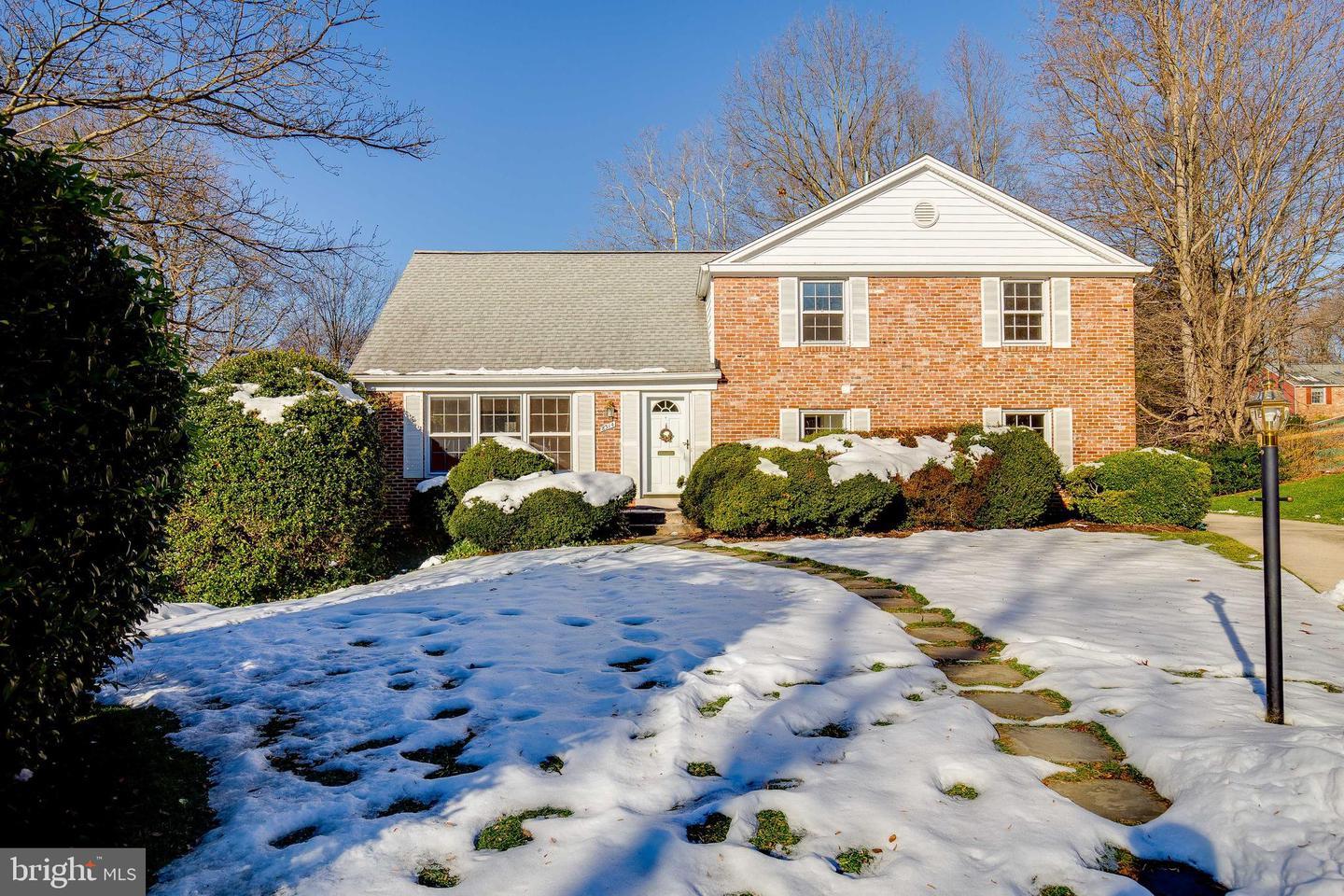
Quick answer Loudoun County retiree-sellers benefit from a unique 2026 dynamic: the Silver Line Metro extension has lifted Ashburn and Loudoun-station-adjacent pricing 15 to 25% over the past five years, while Western Loudoun (Leesburg, Purcellville, Lansdowne) has appreciated steadily on its own merits. Long-tenured Ashburn owners who bought in the 2000s often have appreciation of 2x, 3x. The Section 121 federal capital-gains exclusion ($250K single / $500K married) shields most or all of the gain for typical Loudoun retirees. David Mount has 12+ years and 200+ Northern Virginia transactions and has closed Loudoun sales in Metro Walk at Moorefield, Ashburn Village, Broadlands, and Main Street Village Purcellville. Call (571) 946-8418 or email david.mount@thereduxgroup.com. Loudoun County’s 2026 retiree-seller market splits into three distinct submarkets: the Silver Line corridor (Ashburn, Brambleton, One Loudoun, Broadlands, Ashburn Village, Belmont Country Club, Metro Walk at Moorefield Station) where the Metro extension has dramatically lifted pricing; the Leesburg / Lansdowne core where established neighborhoods continue to appreciate steadily; and Western Loudoun (Purcellville, Round Hill, Hamilton) where the equity story is different, driven by lifestyle and acreage rather than commuter access. This guide covers what’s distinct about Loudoun County retiree-relocation sales: the Silver Line pricing effect, the Loudoun-vs-Fairfax tax comparison that affects hold-vs-sell decisions, and the relatively younger housing-stock dynamic that means most Loudoun retiree-sellers are first or second owners. Why Loudoun County is a unique market for retiree sellers in 2026 Recent retiring-seller transactions I've personally closed: South Run Forest (Springfield), 2015; Cardinal Forest (Springfield), 2022; Lakewood Hills (Springfield), 2026; Dale City (Woodbridge), 2022; the City of Alexandria, 2025; and Sully Station (Centreville), 2026. Where I’ve sold: I’ve personally closed sales in Ashburn Village and Broadlands within Ashburn. I’ve personally closed sales in Providence Village within Sterling. I’ve personally closed sales in Main Street Village within Purcellville. Loudoun County in 2026 has the youngest housing stock of the five priority counties, much of Eastern Loudoun was built between 1995 and 2015. This means most Loudoun retirees selling in 2026 are first or second owners, the homes are generally in better cosmetic condition than 30+ year-old homes elsewhere in the region, and pre-listing prep is often lighter. The Silver Line Metro extension reaching Ashburn in 2022 has been the single largest pricing driver in the county. Walk-to-Metro-station condo and townhome inventory at Metro Walk at Moorefield, Loudoun Station, and adjacent developments has appreciated 30 to 40% since 2020. Single-family inventory within a 10-minute drive of Metro stations has appreciated more modestly but still meaningfully. The Silver Line / Metro effect on Ashburn pricing The Silver Line extension changed Loudoun’s pricing geometry. Walk-to-Metro condos at Metro Walk at Moorefield Station, which sold in the high $300Ks in 2018, now sell in the $500Ks. Townhomes within a 10-minute walk of Ashburn Station have similarly appreciated above the broader Loudoun average. Single-family homes within 5 miles of Metro stations have appreciated faster than those further west. For retiree-sellers, the implication is sub-area-specific. If your Ashburn home is walking distance to Metro, you’re benefiting from a pricing premium that didn’t exist 5 years ago. If your home is in Western Ashburn, Aldie, or further west, you’re benefiting from the broader Loudoun appreciation but not the Silver Line premium specifically. Sub-area pricing snapshot, Loudoun County in 2026 Ashburn (Brambleton, Belmont Country Club, One Loudoun, Broadlands, Ashburn Village, Lansdowne). Single-family homes typically range $750K to $1.4M. Larger Brambleton and Belmont Country Club homes can exceed $1.6M. Townhomes range $550K to $850K. Walk-to-Metro condos $450K to $650K. Loudoun Station / Metro Walk at Moorefield. Condos and townhomes specifically priced for Silver Line walkability. Condos $475K to $700K; townhomes $650K to $900K. The most appreciated sub-segment in the county since 2020. Leesburg. Single-family homes range $700K to $1.2M depending on neighborhood and age. Historic Leesburg downtown homes can range higher. Established subdivisions like Beacon Hill, Country Club, and Exeter range similarly to broader Loudoun. Lansdowne. Single-family homes range $850K to $1.4M. Lansdowne on the Potomac and Lansdowne Woods (55+) have specific market dynamics worth understanding. Purcellville and Western Loudoun (Round Hill, Hamilton, Bluemont). Single-family homes range $650K to $1.0M for typical lots; equestrian and large-acreage properties can exceed $2M. Lifestyle and acreage dominate pricing rather than Metro access. Aldie and South Riding. Single-family homes range $700K to $1.1M. South Riding’s planned-community structure makes for predictable comp pools. Selling a newer Loudoun home (built 2000+) vs. an older Leesburg / Purcellville home Different pre-listing strategies apply. Newer Loudoun home (1995 to 2015 construction). Cosmetic refresh is usually lighter than for older NoVA homes. Buyers expect updated kitchens and baths to match the home’s apparent age. Often the right pre-listing investment is a fresh paint, lighting, hardware, and minor landscape, total $5K, $15K. Some homes built 2002 to 2008 may need an HVAC update or roof in the 2026 range. Older Leesburg / Purcellville home (pre-1995). More similar to the broader NoVA long-tenured-home strategy, see Selling a Northern Virginia Home You’ve Owned 20+ Years. Cosmetic refresh + targeted updates, no major renovations. Loudoun retiree timeline The Loudoun County retiree timeline tracks the regional 6 to 12 month playbook. DOM in Loudoun’s strongest submarkets (walk-to-Metro Ashburn, Brambleton, One Loudoun) typically runs 14 to 28 days. DOM in Western Loudoun and outer submarkets typically runs 30 to 60 days because the comp pool is sparser. Capital-gains and tax considerations For most Loudoun retiree-sellers, the Section 121 federal capital-gains exclusion ($250K single / $500K married) shields most or all of the gain. The relatively younger housing stock means total appreciation per home is generally less extreme than in long-tenured Arlington or McLean homes, so taxable-gain-above-exclusion is less common. For full Section 121 detail, see Capital Gains Tax When Selling a Long-Held Northern Virginia Home: The Section 121 Exclusion Explained. Always work with a qualified tax professional. Coordinating sale + out-of-state purchase The 14 to 28 day DOM in strong Loudoun submarkets makes coordination achievable. For Western Loudoun, the longer DOM argues for a sell-first strategy with destination-state rental as a buffer. For full coordination playbook, see How to Coordinate Selling Your Northern Virginia Home and Buying in Another State. About David Mount David Mount is a REALTOR® and COO with The Redux Group of eXp Realty. With 12+ years and 200+ Northern Virginia transactions, David has closed Loudoun County sales at Metro Walk at Moorefield, Ashburn Village, Broadlands, and Main Street Village Purcellville, with substantial familiarity across Brambleton, One Loudoun, Leesburg, and Western Loudoun. NVAR Platinum Top Producer (2024) with 90+ five-star reviews. David maintains a strong network of trusted REALTOR® connections in retirement destinations across Florida, the Carolinas, Tennessee, and Arizona, and partners with you to interview and select the right destination-state buyer’s agent. Considering a Loudoun County home sale and want a CMA plus equity projection? Call David at (571) 946-8418 or email david.mount@thereduxgroup.com. Frequently asked questions What’s the median sale price in Ashburn in 2026? Ashburn’s overall median single-family sale price in 2026 is approximately $900K, $950K. Brambleton and Belmont Country Club run higher; outer Ashburn neighborhoods run lower. Townhome and condo medians are substantially lower, with Metro Walk and Loudoun Station condos running approximately $475K, $650K. Does the Silver Line Metro affect my Ashburn sale price? If your home is within walking distance of Ashburn Station or Loudoun Station, yes, meaningfully. Walk-to-Metro condos and townhomes have appreciated 30 to 40% since 2020. Single-family homes within 5 miles of Metro have appreciated faster than the broader Loudoun average. Western Ashburn and beyond benefit less directly. How does Loudoun’s property-tax growth affect my decision to sell now vs. later? Loudoun’s real-estate tax base has grown faster than Fairfax County’s over the past decade as data centers have come online. Loudoun’s homeowner tax rate has stayed roughly stable. The hold-vs-sell decision is more affected by the Section 121 3-year clock and your equity position than by tax rate trajectory. Should I sell my Loudoun home before or after I move to Asheville / Wilmington? For most retirees, sell first and rent in your destination state is the lowest-risk path, particularly if your Loudoun home is in a strong-DOM submarket. The most important consideration is the Section 121 3-year clock if you’ve already moved. How long does it take to sell in Loudoun County in 2026? Strong submarkets (walk-to-Metro Ashburn, Brambleton, One Loudoun, central Leesburg) typically see 14 to 28 day DOM. Western Loudoun and outer submarkets typically see 30 to 60 days. Listing-to-closing total runs 50 to 80 days. Is it harder to sell a home in Purcellville than in Ashburn? Generally yes, the comp pool is sparser in Western Loudoun and the buyer pool is more targeted (lifestyle and acreage buyers vs. commuter buyers). DOM tends to be longer. Pre-listing pricing strategy in Purcellville requires more careful comp identification because there are fewer truly comparable recent sales. Do you handle Loudoun County sales for retirees who’ve already moved? Yes. David’s workflow is set up for remote document signing, video walkthroughs, and limited power-of-attorney arrangements where appropriate. See Selling Your Northern Virginia Home From Out of State. Related articles Selling Your Northern Virginia Home to Retire: 2026 Cornerstone Guide Capital Gains Tax When Selling a Long-Held Northern Virginia Home: Section 121 Explained How to Coordinate Selling Your Northern Virginia Home and Buying in Another State Selling a Northern Virginia Home You’ve Owned 20+ Years Moving from Northern Virginia to Florida in Retirement Moving from Northern Virginia to North Carolina in Retirement Loudoun County & Ashburn Seller’s Guide 2026
Read more
Quick answer Fairfax County is the largest Northern Virginia jurisdiction with the widest pricing range, from McLean and Great Falls at the top end to Burke, Springfield, and Centreville in the broad middle. Long-tenured Fairfax County retirees typically have substantial equity, with the Section 121 federal capital-gains exclusion shielding the first $250K (single) / $500K (married) of gain. Fairfax County retiree-seller timeline runs 45 to 75 days listing-to-close. David Mount grew up in Burke, Virginia and graduated from Lake Braddock Secondary School. With 12+ years and 200+ NoVA transactions, David has closed sales in Fairfax City, Fairfax Station, Oakton, Burke, Centreville, and Springfield, and owns a rental property in Fairfax City. Call (571) 946-8418 or email david.mount@thereduxgroup.com. Fairfax County is the most populous and geographically largest Northern Virginia jurisdiction, and the one where retiree-relocation seller dynamics vary the most across sub-areas. McLean and Great Falls at the high-luxury end. Vienna and Oakton in the upper-middle. Mantua and Fairfax Station as established mid-to-upper. Burke, Springfield, and Centreville as solid family-neighborhood mid-tier. Reston and Herndon as planned-community + tech-corridor. Annandale, Falls Church, and the close-in pockets as inner-Beltway value. Each calls for a different selling strategy. This guide covers what’s distinct about Fairfax County retiree-relocation sales: the sub-area pricing landscape, the Fairfax City vs. Fairfax County tax distinction, the HOA/civic-association disclosure considerations that vary by neighborhood, and the equity story for homes purchased in the late 1990s and early 2000s. Why Fairfax County retirees have unique selling dynamics Recent retiring-seller transactions I've personally closed: South Run Forest (Springfield), 2015; Cardinal Forest (Springfield), 2022; Lakewood Hills (Springfield), 2026; Dale City (Woodbridge), 2022; the City of Alexandria, 2025; and Sully Station (Centreville), 2026. Where I’ve sold: I’ve personally closed sales in Fairfax Villa, Penderbrook, and Greenbriar within Fairfax. I’ve personally closed sales in Old Courthouse Square within Fairfax City. I’ve personally closed sales in Pickwick Woods, Pohick Station, and Glenverdant Estates within Fairfax Station. I’ve personally closed sales in Stonehenge and Sully Station within Centreville. I’ve personally closed sales in Burke Station Square, Old Mill Community, Burke Centre, Caroline Oaks, Bent Tree, and Dunleigh within Burke. I’ve personally closed sales in Newington Forest, Springfield Village, Japonica, Charlestown, North Springfield Park, South Run Forest, Rolling Forest, Cardinal Forest, and Lakewood Hills within Springfield. I’ve personally closed sales in Little Rocky Run within Clifton. I’ve personally closed sales in Vienna Woods, Country Creek, Tysons Green, Lakevale Estates, Westwood Manor, and Wolftrap Ridge within Vienna. I’ve personally closed sales in Van Vlecks within Herndon. I’ve personally closed sales in Reston (recent transactions in 2016). I’ve personally closed sales in Alexandria (Fairfax County) (recent transactions in 2026). Fairfax County’s 2026 market reflects the buyer pool’s diversity. Federal employees and contractors continue to drive demand, but tech employees (Amazon HQ2 in adjacent Arlington spilling into Reston/Herndon, Google’s Northern Virginia data-center build-out, Booz Allen and other consultancies), military families relocating to Fort Belvoir, and university faculty (George Mason in Fairfax City) all add to the pool. For retiree sellers, this means an unusually broad buyer pool by NoVA standards, with pre-listing strategy varying based on which buyer segment is most likely to make the offer for your specific home. McLean luxury sellers prepare differently than Centreville mid-tier sellers, who prepare differently than Reston townhouse sellers. Sub-area pricing snapshot, Fairfax County in 2026 McLean and Great Falls. Single-family homes typically range $1.6M to $4.5M+. Long-tenured McLean owners may have appreciation of 4x, 5x. Great Falls’ larger lots support some of the highest absolute pricing in the region. Both submarkets have substantial luxury buyer demand including international relocators. Vienna and Oakton. Single-family homes typically range $1.0M to $2.0M. Vienna in particular has appreciated sharply since 2010 due to Metro accessibility. Oakton’s larger lots and established neighborhood character keep pricing strong. Buyer pool blends federal/contractor families and tech relocators. Mantua and Fairfax Station. Single-family homes typically range $850K to $1.6M. Mantua is unusual in that it has civic associations (not HOAs) which is a small but real seller advantage. Fairfax Station’s larger lots and septic-system inventory require some pre-listing planning specific to that submarket. Burke and Springfield. Single-family homes typically range $700K to $1.1M. Townhomes range $500K to $700K. The Burke and Springfield retiree-seller demographic is particularly strong because much of the housing stock was built in the late 1970s through early 1990s, meaning many original or second owners are now retirement-age. David grew up in Burke and has closed sales in Burke Centre, Lake Braddock, Dunleigh, Signal Hill, and Longwood Knolls/Cherry Run. Centreville and Clifton. Single-family homes typically range $700K to $1.1M in Centreville (more affordable submarket like Sully Station and Compton Valley Estates) up to $1.5M+ in Clifton’s upper-middle and equestrian properties. David has closed Centreville sales in Sully Station, Woodgate Manor, Compton Valley Estates, and other submarkets. Reston and Herndon. Single-family homes typically range $750K to $1.4M. Townhomes range $550K to $850K. Condos $400K to $700K. The Silver Line Metro in Reston/Herndon has lifted pricing meaningfully since 2018. The Reston Association membership structure is a unique disclosure consideration. Annandale and Falls Church (Fairfax County portions). Single-family homes typically range $750K to $1.3M. Inner-Beltway location keeps pricing strong despite older housing stock. Fairfax City (separate independent city, but functionally part of the Fairfax County market). Single-family homes typically range $800K to $1.4M. Mosby Woods, Old Courthouse Square, and Country Club Hills are established submarkets. Fairfax City has different property tax rates than Fairfax County (see below). The Fairfax City vs. Fairfax County tax difference for retirees Fairfax City is a separate independent city, not part of Fairfax County’s tax jurisdiction. For retirees deciding whether to sell now or hold, the property-tax difference matters: Fairfax County’s 2026 real-estate tax rate is approximately $1.11 per $100 of assessed value (varies slightly by year). Fairfax City’s 2026 rate is approximately $1.04 per $100. On a $1.2M assessed home, that’s a difference of roughly $840/year, modest but real over a multi-year hold-or-sell decision. The more significant distinction is that Fairfax City has its own school district, separately funded, which affects both tax allocation and buyer-pool demographics. For retiree-sellers leaving the area entirely, the school distinction matters less for timing and more for which buyer-pool segment to target with pre-listing positioning. Note: David owns a rental property in Fairfax City and has closed recent sales there. The Fairfax City market has its own rhythm distinct from the surrounding county. Fairfax County 2026 market for the retiree seller (DOM, inventory, buyer pool) Days-on-market in Fairfax County varies significantly by sub-area. Inner-Beltway and Metro-adjacent submarkets (Vienna, Oakton, Annandale, Reston/Herndon walk-to-Metro) typically see 14 to 28 days. Outer submarkets (Centreville, parts of Springfield, Western Fairfax County) typically see 21 to 45 days. Inventory remains tight by historical standards in 2026, particularly in the $700K, $1.2M family-home segment that drives much of Fairfax County’s volume. Buyer pool: federal/contractor professionals (still the plurality), tech relocators (growing), military relocations into Fort Belvoir, dual-income families upgrading from townhomes to single-family, downsizers from McLean/Vienna into Burke/Springfield, and a meaningful international-relocator share in McLean. Common Fairfax County retiree-seller scenarios Long-tenured single-family. Bought 1995 to 2005 for $300K, $500K, selling 2026 for $900K, $1.4M. Section 121 $500K married-filing-jointly exclusion typically shields most or all of the gain. Pre-listing strategy: cosmetic refresh + targeted updates, no major renovations. Downsized condo. Bought 2008 to 2015 for $300K, $450K, selling 2026 for $500K, $650K. Lower equity per transaction but typically all-shielded by Section 121. Large-lot Fairfax Station / equestrian Clifton. Bought 1995 to 2005 for $500K, $800K, selling 2026 for $1.2M, $2.0M+. May have taxable gain above the Section 121 exclusion. Pre-listing strategy: targeted high-end updates if needed; staging for luxury buyer pool. Inner-Beltway (Annandale, Falls Church-area pockets). Bought 1990s for $250K, $400K, selling 2026 for $750K, $1.2M. Strong appreciation, typically Section-121-shielded if married-filing-jointly. Fairfax County retiree timeline The Fairfax County retiree timeline tracks the regional 6 to 12 month playbook. Worth noting: HOA / civic-association disclosure packets in many Fairfax County communities have specific delivery timing under Va. Code §55.1-1809. David’s process surfaces these requirements early so they don’t surprise the timeline. Capital-gains (Section 121) and Virginia tax considerations For most Fairfax County retirees with married-filing-jointly status, the $500,000 federal exclusion shields most or all of the gain. McLean, Great Falls, large-lot Fairfax Station, and Vienna sellers with extraordinary appreciation may have taxable gain above the exclusion. For full Section 121 detail with worked examples, see Capital Gains Tax When Selling a Long-Held Northern Virginia Home: The Section 121 Exclusion Explained. Always work with a qualified tax professional. Coordinating sale + out-of-state purchase Fairfax County’s somewhat slower DOM (compared to Arlington) means coordination requires more planning. The sell-first-then-rent strategy is the most common preference. For full coordination playbook, see How to Coordinate Selling Your Northern Virginia Home and Buying in Another State. About David Mount David Mount is a REALTOR® and COO with The Redux Group of eXp Realty. David grew up in Burke, Virginia and graduated from Lake Braddock Secondary School. Across 12+ years and 200+ Northern Virginia transactions, David has closed Fairfax County sales in Fairfax City, Fairfax Station, Oakton, Burke (Burke Centre, Lake Braddock, Dunleigh, Signal Hill, Longwood Knolls/Cherry Run), Centreville (Sully Station, Woodgate Manor, Compton Valley Estates), Springfield, Mantua, and Greenbriar. He owns a rental property in Fairfax City. NVAR Platinum Top Producer (2024) with 90+ five-star reviews. David maintains a strong network of trusted REALTOR® connections in retirement destinations across Florida, the Carolinas, Tennessee, and Arizona, and partners with you to interview and select the right destination-state buyer’s agent. Considering a Fairfax County home sale and want a CMA plus equity projection? Call David at (571) 946-8418 or email david.mount@thereduxgroup.com. Frequently asked questions What’s the median sale price in Fairfax County in 2026? Fairfax County’s overall median single-family sale price in 2026 is in the $850K, $950K range, with substantial variation by sub-area. McLean medians exceed $2.0M; Great Falls comparable. Vienna and Oakton run $1.2M, $1.5M. Burke, Springfield, and Centreville run $750K, $950K. Reston and Herndon vary by Metro proximity. How does Fairfax City property tax compare to Fairfax County for retirees? Fairfax City’s 2026 real-estate tax rate is approximately $1.04 per $100 of assessed value; Fairfax County’s is approximately $1.11. On a $1.2M home, that’s roughly $840/year difference. Fairfax City also has its own school district. The distinction affects multi-year hold-or-sell decisions modestly but is rarely the deciding factor. How long does it take to sell in Fairfax County in 2026? Days-on-market varies significantly by sub-area. Vienna, Oakton, Mantua, and Metro-walk Reston/Herndon typically see 14 to 28 days. Burke, Springfield, Centreville, and outer submarkets typically see 21 to 45 days. Listing-to-closing total runs 45 to 75 days for most transactions. Should I sell my Fairfax Station home or rent it after I retire? Selling captures the Section 121 federal capital-gains exclusion and provides liquidity for your destination-state purchase. Renting generates ongoing income but starts the 3-year clock on losing Section 121 if you don’t sell within 3 years of moving out. Work with a CPA on the rent-vs-sell math. What’s the equity story for a Fairfax County home bought in 1995? A typical Fairfax County home bought in 1995 for $350K is worth approximately $950K, $1.2M in 2026, depending on sub-area, condition, and updates. McLean and Great Falls homes from 1995 are worth substantially more. Burke, Springfield, and Centreville homes from 1995 are worth around the lower end of the range. Are HOA / civic-association disclosure timelines different for retiree sellers? The disclosure-timing rules under Va. Code §55.1-1809 apply to all sellers regardless of age, but the practical impact varies because retiree-sellers are often less familiar with the disclosure-packet ordering process. David’s pre-listing process orders the packet early so the 3-day buyer-receipt window doesn’t slow your contract-to-close timeline. How does the school-quality factor affect my sale price if I’m leaving the area? Buyers will price your home assuming they value the school. A home in a strong school pyramid (Langley, Madison, McLean, Oakton, Robinson, Lake Braddock) typically sells for a measurable premium vs. a comparable home in a less-sought pyramid. Should I list my Fairfax County home before or after my Florida purchase? For most retirees, sell first and rent in your destination state is the lowest-risk path. Buy-first is workable if you have strong cash reserves or a HELOC. Simultaneous closings require careful coordination but are common. Do you handle Fairfax County sales for retirees who’ve already moved out of state? Yes. David’s workflow is set up for remote document signing, video walkthroughs, and limited power-of-attorney arrangements where appropriate. The Section 121 capital-gains exclusion has a 3-year clock from when you stop using the home as your primary residence. Related articles Selling Your Northern Virginia Home to Retire: 2026 Cornerstone Guide Capital Gains Tax When Selling a Long-Held Northern Virginia Home: Section 121 Explained How to Coordinate Selling Your Northern Virginia Home and Buying in Another State Selling a Northern Virginia Home You’ve Owned 20+ Years Moving from Northern Virginia to Florida in Retirement Moving from Northern Virginia to North Carolina in Retirement Selling Your Home in Fairfax County: 2026 Guide
Read more
Quick answer Alexandria’s retiree-seller market in 2026 splits sharply between the Old Town historic district (premium pricing, board approvals on exterior changes, condo-heavy inventory) and the rest of the city (Del Ray, Rosemont, Seminary Valley, Riverside Estates, Kingstowne, Cameron Station). Long-tenured Alexandria homeowners are sitting on substantial appreciation, with Section 121 federal capital-gains exclusion shielding the first $250K (single) / $500K (married) of gain. Well-priced Alexandria homes sell in 14 to 30 days in 2026. David Mount has closed sales in Rosemont, Seminary Valley, Riverside Estates, and Kingstowne over the past five years and has 12+ years and 200+ Northern Virginia transactions overall. Call (571) 946-8418 or email david.mount@thereduxgroup.com. Alexandria has been one of the most desirable submarkets in Northern Virginia for decades, but the city is far from monolithic. The Old Town historic district, the Del Ray and Rosemont single-family pockets, the Seminary Hill / Seminary Valley belt, the Beverly Hills area, the West End (Cameron Station, Kingstowne), and the Riverside Estates pocket each have their own pricing dynamics, buyer pools, and pre-listing considerations. This guide covers what makes Alexandria distinct among Northern Virginia retirement-relocation sales: the Old Town historic-district disclosure factors, the sub-neighborhood pricing landscape, the condo-vs-single-family decisions, and the tax considerations specific to a city with one of the higher transfer-tax burdens in the region. Why Alexandria is a strong retiree sellers’ market in 2026 Recent retiring-seller transactions I've personally closed: South Run Forest (Springfield), 2015; Cardinal Forest (Springfield), 2022; Lakewood Hills (Springfield), 2026; Dale City (Woodbridge), 2022; the City of Alexandria, 2025; and Sully Station (Centreville), 2026. Where I’ve sold: I’ve personally closed sales in Alexandria (City) (recent transactions in 2022, 2025). I’ve personally closed sales in Alexandria (Fairfax County) (recent transactions in 2026). Alexandria’s 2026 market is supported by several structural factors. The city has limited buildable land, especially in the desirable older neighborhoods. The Metro and VRE access (Braddock Road, King Street, Eisenhower Avenue, Van Dorn) keeps commuter-buyer demand steady. The proximity to DC, the National Harbor, and Reagan National Airport supports an unusual mix of residential and weekend-residential demand. And the buyer pool blends federal/contractor professionals, military families, and Old Town second-home buyers. For retirees selling, this means a well-priced Alexandria home in 2026 typically sells in 14 to 30 days, often with 2 to 3 offers. Old Town single-family and Del Ray homes tend to outperform the city average; outer-city condos and townhomes run closer to the average. Alexandria sub-neighborhood pricing snapshot Rough 2026 ranges for typical homes in the most common Alexandria submarkets: Old Town single-family. $1.5M to $3.5M+ depending on block, lot, and historic significance. Long-tenured Old Town owners may have appreciation of 4x, 5x original purchase. Pre-1900 row houses on north blocks of King Street can exceed $4M. Del Ray single-family. $850K to $1.4M for most homes; up to $1.8M for larger lots and updated kitchens. Del Ray has appreciated faster than most Alexandria submarkets since 2010. Rosemont single-family. $900K to $1.5M. Walk-to-King-Street-Metro premium adds value at the southern edge. Seminary Valley / Seminary Hill / Beverly Hills. $750K to $1.3M depending on size and condition. Established mid-century neighborhood. Kingstowne / Cameron Station / Landmark. Townhomes in the $550K to $850K range; single-family in the $750K to $1.1M range. Cameron Station and Kingstowne were largely 1990s/2000s construction so the equity story is shorter than older neighborhoods. Riverside Estates. $850K to $1.2M for typical homes. Long-tenured owners often have substantial appreciation. Old Town condos. $400K (1-bed) to $1.2M+ (3-bed waterfront). Wide range. Buyer pool is heavily second-home / pied-à-terre and recent retirees who want walkable urban living. The Old Town factor: historic-district considerations If your home is in the Old Town historic district, the Board of Architectural Review (BAR) has approval authority over exterior changes, including paint colors, window replacements, fence styles, and any structural modifications visible from the public way. For retirees selling, this matters in three ways: 1. Disclosure. Buyers expect a clear summary of the BAR rules and any pending permits or violations. David’s process surfaces these early. 2. Pre-listing decisions. Some cosmetic improvements that work on a non-historic home (replacement windows, modern landscaping, fence style changes) require BAR approval if visible from the public way. The pre-listing prep plan adjusts accordingly. 3. Buyer expectations. Old Town buyers in 2026 generally want the historic character, wood windows, brick walks, period-appropriate paint. This works in your favor for marketing but constrains the universe of acceptable updates. If your home is outside the historic district, BAR considerations don’t apply. The pre-listing strategy reverts to the same playbook used for any long-tenured NoVA home, see Selling a Northern Virginia Home You’ve Owned 20+ Years. Alexandria retiree timeline The Alexandria retiree timeline tracks the regional 6 to 12 month playbook. Worth noting: Alexandria’s transfer tax is among the highest in the region, buyers and sellers split it, but the seller’s share affects net proceeds slightly more than in some surrounding jurisdictions. Plan for that in the equity model. Capital-gains and tax considerations For long-tenured Old Town and Del Ray sellers, gain above the Section 121 exclusion is common. A Del Ray home bought in 1998 for $400,000, sold in 2026 for $1.3M, with $100,000 in capital improvements has roughly $830,000 of gain. After the $500,000 married-filing-jointly exclusion, $330,000 is taxable at long-term federal rates plus Virginia 5.75%. Total tax: approximately $66,000. For full Section 121 detail with worked examples, see Capital Gains Tax When Selling a Long-Held Northern Virginia Home: The Section 121 Exclusion Explained. Always work with a qualified tax professional. Coordinating sale + out-of-state purchase Alexandria’s predictable 14 to 30 day listing timeline makes coordination straightforward. Sell-first is the most common preference. For full coordination playbook, see How to Coordinate Selling Your Northern Virginia Home and Buying in Another State. About David Mount David Mount is a REALTOR® and COO with The Redux Group of eXp Realty. With 12+ years and 200+ Northern Virginia transactions, David has closed Alexandria sales in Rosemont, Seminary Valley, Riverside Estates, and Kingstowne over the past five years. He is NVAR Platinum Top Producer (2024) with 90+ five-star reviews. David maintains a strong network of trusted REALTOR® connections in retirement destinations across Florida, the Carolinas, Tennessee, and Arizona, and partners with you to interview and select the right destination-state buyer’s agent for your move. Considering an Alexandria home sale and want a clear-eyed CMA plus equity projection? Call David at (571) 946-8418 or email david.mount@thereduxgroup.com. Frequently asked questions What’s a typical 2026 sale price for Old Town Alexandria homes? Old Town single-family homes range from approximately $1.5M to $3.5M+ depending on block, lot size, historic significance, and condition. Old Town condos range from approximately $400K (1-bed) to $1.2M+ (3-bed waterfront). Pricing varies sharply by specific block. Are there special disclosure rules for historic Alexandria properties? Yes. Homes inside the Old Town historic district fall under Board of Architectural Review (BAR) jurisdiction, which controls exterior changes visible from the public way. Buyers expect a clear summary of BAR rules and any pending permits or violations. David’s pre-listing process surfaces these early. How long does it take to sell in Alexandria in 2026? Well-priced Alexandria homes typically sell in 14 to 30 days, often with 2 to 3 offers. Old Town single-family and Del Ray homes tend to outperform the city average. Listing-to-closing timeline runs 45 to 60 days. Does Alexandria’s higher transfer tax affect retiree sellers? Slightly. Alexandria’s transfer tax is among the highest in the region; buyers and sellers split it, but the seller’s share affects net proceeds modestly more than in some surrounding jurisdictions. Plan for it in the equity model, typically a few thousand dollars on a typical sale. Should I sell my Alexandria condo before or after I move to Florida? For most retirees, sell first and rent in your destination state is the lowest-risk path. Alexandria’s predictable timing makes simultaneous closings achievable too. The most important consideration is the Section 121 3-year clock if you’ve already moved, see the Section 121 article. What pre-listing repairs make sense for a 30-year-old Alexandria home? Cosmetic refresh almost always pays back: paint, lighting, cabinet hardware, possibly carpet. Major kitchen and bath renovations rarely recoup their cost in 2026. The exceptions are non-functional kitchens and high-end Old Town homes where buyers expect move-in-ready finishes. Do you handle Alexandria sales remotely if I’ve already moved? Yes. David’s workflow is set up for remote document signing, video walkthroughs, and limited power-of-attorney arrangements where appropriate. The Section 121 capital-gains exclusion has a 3-year clock from when you stop using the home as your primary residence, see Selling Your Northern Virginia Home From Out of State for the full remote-sale playbook. Related articles Selling Your Northern Virginia Home to Retire: 2026 Cornerstone Guide Capital Gains Tax When Selling a Long-Held Northern Virginia Home: Section 121 Explained How to Coordinate Selling Your Northern Virginia Home and Buying in Another State Selling a Northern Virginia Home You’ve Owned 20+ Years Moving from Northern Virginia to Florida in Retirement Moving from Northern Virginia to North Carolina in Retirement How to Sell Your Home in Alexandria, VA: 2026 Seller’s Guide
Read more
Quick answer Arlington has the highest median sale prices in Northern Virginia, which means long-tenured Arlington retirees are sitting on extraordinary equity in 2026, particularly in North Arlington (Donaldson Run, Country Club Hills, Bellevue Forest) and the Clarendon/Courthouse condo corridor. The Section 121 federal capital-gains exclusion shields the first $250,000 (single) or $500,000 (married) of gain, and Arlington’s unusually competitive 2026 buyer pool means well-priced listings sell in 7 to 21 days. David Mount has 12+ years and 200+ Northern Virginia transactions and a workflow set up for the remote signing and dual-state coordination this kind of move requires. Call (571) 946-8418 or email david.mount@thereduxgroup.com. Arlington homeowners who bought in the late 1990s or early 2000s are sitting on some of the most concentrated equity in the country. North Arlington single-family homes have appreciated 3x to 4x since 2000. Clarendon and Courthouse condos bought in 2002 for $300,000 are now selling in the $700,000s and $800,000s. For Arlington retirees ready to relocate to Florida, the Carolinas, Tennessee, or Arizona, the question isn’t whether to sell, it’s how to maximize the equity transfer and coordinate the move. This guide covers what makes Arlington unique among Northern Virginia retirement-relocation sales: the equity story, the sub-neighborhood pricing landscape, the condo-vs-single-family dynamics, and the tax considerations specific to the highest-priced submarket in the region. Why Arlington is a strong sellers’ market for retirees in 2026 Recent retiring-seller transactions I've personally closed: South Run Forest (Springfield), 2015; Cardinal Forest (Springfield), 2022; Lakewood Hills (Springfield), 2026; Dale City (Woodbridge), 2022; the City of Alexandria, 2025; and Sully Station (Centreville), 2026. Where I’ve sold: I’ve personally closed sales in Arlington (recent transactions in 2023). Arlington’s 2026 seller’s market is driven by a few unusual structural factors. First, Arlington has almost no buildable land, the inventory is essentially fixed, and demand keeps growing. Second, the Amazon HQ2 development in Crystal City / Pentagon City has continued to drive new buyer demand into the county, including high-income tech and government-contractor employees who can afford North Arlington pricing. Third, the Metro accessibility continues to lift any walk-to-Metro property significantly above non-Metro comps. Fourth, the buyer pool tilts toward dual-income professionals and empty-nesters relocating into Arlington, both of whom shop seriously and close quickly. For retirees selling, this combination means a well-priced, well-presented Arlington home in 2026 is typically under contract within 7 to 21 days, often with multiple offers. Days-on-market and price-cut frequency are both substantially below the regional NoVA averages. Arlington equity check: what 20 to 30 years of appreciation looks like Specific examples vary by neighborhood and condition, but the rough Arlington equity story: North Arlington single-family (Donaldson Run, Country Club Hills, Bellevue Forest, Lyon Village, Aurora Hills, Williamsburg). A home bought in 2000 for $500,000 is typically worth $1.4M to $1.9M in 2026. A home bought in 1995 for $300,000 may be worth $1.2M to $1.6M. South Arlington single-family (Fairlington single-family pockets, Westover, Aurora Highlands). A home bought in 2002 for $400,000 is typically worth $900,000 to $1.2M. Clarendon/Courthouse condos. A 2-bed condo bought in 2002 for $300,000 is typically worth $700,000 to $850,000. A 1-bed bought in 2002 for $200,000 is typically worth $450,000 to $600,000. Fairlington / Shirlington townhomes. Bought in 2002 for $250,000, typically worth $550,000 to $700,000 in 2026. For most Arlington retirees with married-filing-jointly status, the $500,000 Section 121 federal capital-gains exclusion shields most or all of the gain. North Arlington single-family sellers with truly extraordinary appreciation may have taxable gain above the exclusion, see the Section 121 article for worked examples. The Arlington retiree’s 6-month sale timeline Arlington’s competitive buyer pool means the timeline can run shorter than other NoVA counties. A typical Arlington retiree timeline: 6 months out. Engage David for a CMA. Begin meeting with vendors (organizer, mover, CPA). Begin decluttering with focus on the easiest categories (storage, basement, garage, attic, paperwork). 3 to 4 months out. Complete cost-effective updates (paint, lighting, hardware, minor landscape). Schedule pre-listing inspection. Begin destination-state research and, if relevant, identify a destination metro. 6 to 8 weeks out. Final declutter pass. Stage the home (Arlington’s competitive market makes professional staging reliably ROI-positive in upper price bands). Order professional photography and 3D tour. List week. Active for 7 to 14 days; offers typically due by a deadline. Best-priced listings often see 3+ offers. Contract to close. 30 to 45 days. If coordinating with a destination-state purchase, this is when David and the destination-state buyer’s agent align timing. Sub-neighborhood considerations North Arlington single-family (Donaldson Run, Country Club Hills, Bellevue Forest) The premium Arlington submarket. Buyer pool is high-income dual-earner professionals and empty-nesters relocating in. Lots are larger than most of Arlington, which adds value. Pricing strategy: tight comp identification, position at the high end of comparable sales rather than averaging. Clarendon, Courthouse, Ballston, Virginia Square (the Orange Line corridor) Condo and townhouse density. Walk-to-Metro is the dominant pricing factor. Buyer pool is younger (late 30s to 50s) high-income professionals plus downsizers from elsewhere in NoVA. Pricing strategy: walk-time-to-Metro-station premium quantified; in-building amenity premium quantified. Westover, Lyon Village, Cherrydale (older established neighborhoods) Pre-1960 housing stock with strong neighborhood identity. Premium for walkable-to-shops/restaurants locations. Often appeals to architectural-character buyers willing to pay above strict square-foot comps. South Arlington (Fairlington, Aurora Highlands, Crystal City, adjacent) Generally lower per-square-foot pricing than North Arlington but with strong appreciation tailwinds from Amazon HQ2 proximity. Buyer pool is more diverse; both younger first-timers and older relocators. Capital-gains, Section 121, and Virginia state tax considerations Arlington’s high sale prices mean a meaningful share of long-tenured retirees do face taxable gain above the Section 121 exclusion. A Donaldson Run home bought in 1996 for $400,000 and sold in 2026 for $1.7M, with $150,000 in capital improvements over 30 years, has approximately $1,150,000 of gain. After the $500,000 married-filing-jointly exclusion, $650,000 is taxable at long-term capital-gains rates federally plus 5.75% Virginia state. Total tax: roughly $135,000, meaningful, but the homeowners still keep approximately $1.5M+ from the sale. For full Section 121 detail with three worked examples, see Capital Gains Tax When Selling a Long-Held Northern Virginia Home: The Section 121 Exclusion Explained. Always work with a qualified tax professional on your specific situation. Coordinating your Arlington sale with an out-of-state purchase Arlington’s quick-sale timing is actually an asset for retiree-relocation coordination, the home can sell faster than your destination-state purchase, giving you time to rent or stay with family while shopping. The three coordination strategies (sell first, buy first, simultaneous closings) all work for Arlington retirees, with sell-first being the most common preference because of how reliably Arlington homes sell in 2026. For full coordination playbook, see How to Coordinate Selling Your Northern Virginia Home and Buying in Another State. Selling Arlington condos vs. single-family homes when retiring Two different buyer-pool dynamics, two different pre-listing strategies. Single-family homes attract families and high-income relocators in 2026. They expect updated kitchens and baths in upper price bands ($1.4M+) and accept “good bones” in lower price bands ($1.0M, $1.4M). Pre-listing investment typically focuses on cosmetic refresh (paint, lighting, hardware, landscape) plus targeted appliance updates if needed. Condos attract younger professionals, downsizers from elsewhere, and a meaningful international-relocator pool in the Clarendon/Courthouse corridor. Buyers expect move-in-ready finishes, hardwood floors (or LVP), newer appliances, fresh paint. The unit’s view, in-building amenities, and parking arrangement matter more than for single-family. Pre-listing investment typically focuses on flooring refresh and full paint. About David Mount David Mount is a REALTOR® and COO with The Redux Group of eXp Realty. With 12+ years and 200+ Northern Virginia transactions, David serves Arlington retirees across the full pricing spectrum, from Clarendon condos to Donaldson Run single-family. He is NVAR Platinum Top Producer (2024), has 90+ five-star client reviews, and maintains a strong network of trusted REALTOR® connections in retirement destinations across Florida, the Carolinas, Tennessee, and Arizona. As part of his retirement-relocation engagement, David partners with you to interview and select the right destination-state buyer’s agent for your move. Considering an Arlington home sale and want a clear-eyed CMA plus equity projection? Call David at (571) 946-8418 or email david.mount@thereduxgroup.com. Frequently asked questions How long will it take to sell my Arlington home in 2026? Well-priced Arlington homes typically go under contract within 7 to 21 days in 2026, often with multiple offers. Total listing-to-closing timeline runs 45 to 60 days for most transactions. Arlington consistently outperforms the NoVA regional average on days-on-market. What’s the median sale price in Arlington in 2026? Arlington’s median single-family sale price in 2026 is in the upper-$900,000s to low-$1.0M range across the county, with North Arlington averages well above $1.4M and South Arlington averages closer to $850K. Condo medians are lower (mid-$500,000s), with substantial variation by Metro-corridor location and building age. Do I need to update my Arlington home before listing? For most retiree-seller homes, low-cost cosmetic refresh (paint, lighting, hardware, minor landscape, possibly carpet) is the right level of pre-listing work. Major renovations rarely return their cost. The exception is condos in the upper Clarendon/Courthouse price bands, where buyers expect move-in-ready finishes, there, flooring and full paint are typically necessary. Will I owe capital gains tax on a long-held Arlington home? If the gain after Section 121 exclusion is positive, yes, at long-term federal capital-gains rates plus Virginia 5.75% state tax. For most Arlington single-family sellers with substantial appreciation, some taxable gain is likely. For most condo sellers, the $500,000 married-filing-jointly exclusion shields all or most of the gain. Always work with a CPA on your specific situation. Can I sell my Arlington condo and buy a single-family home in Florida the same month? Yes, simultaneous closings are common and David has done many of them. Coordination requires close communication between David and your destination-state buyer’s agent on inspection-period timing, financing-contingency timing, and closing dates. The fact that Arlington condos sell quickly in 2026 makes simultaneous timing more achievable than in slower-moving submarkets. What’s the difference between selling in North Arlington vs. South Arlington in 2026? Pricing is the most obvious difference (North Arlington single-family medians run 50 to 80% above South Arlington). Buyer pools differ too, North Arlington draws more high-income relocator families; South Arlington draws more younger first-time buyers and Amazon HQ2-driven relocators. Pre-listing strategy adjusts accordingly: North Arlington benefits from staging in upper price bands; South Arlington often performs well with cleaner cosmetic refresh alone. Do you work with retirees relocating to The Villages, Naples, Asheville, or Wilmington? Yes, these are some of the most common destinations David’s Arlington clients move to. David maintains a strong network of trusted REALTOR® connections in retirement destinations across Florida, the Carolinas, Tennessee, and Arizona. As part of his engagement, David partners with you to interview and select the right destination-state buyer’s agent based on your destination metro, price band, and timeline. Related articles Selling Your Northern Virginia Home to Retire: 2026 Cornerstone Guide Capital Gains Tax When Selling a Long-Held Northern Virginia Home: Section 121 Explained How to Coordinate Selling Your Northern Virginia Home and Buying in Another State Selling a Northern Virginia Home You’ve Owned 20+ Years Moving from Northern Virginia to Florida in Retirement Moving from Northern Virginia to North Carolina in Retirement Arlington Home Sellers Guide 2026
Read more
Quick answer Northern Virginia homes purchased in the late 1990s or early 2000s have appreciated dramatically, often 3x to 5x the original purchase price by 2026. After Section 121 capital-gains exclusion ($250,000 single / $500,000 married), most long-tenured retirees keep the substantial majority of the gain. The 2026 selling challenge for a 20+ year home isn't appreciation, it's presentation. A 25 or 30 year old home shows differently than a newer comp, the comp pool is narrower, and the cost-effective pre-listing improvements pay back better than major renovations. David Mount has 12+ years and 200+ Northern Virginia transactions, including many long-tenured-homeowner sales. Call (571) 946-8418 or email david.mount@thereduxgroup.com. If you bought your Northern Virginia home in 1998, 2002, or 2008 and you're thinking about selling in 2026, to retire, downsize, relocate, or just take chips off the table after a generation of appreciation, this guide is for you. The financial story for long-tenured NoVA homeowners is genuinely remarkable. Across Arlington, Alexandria, Fairfax County, Loudoun County, and Prince William County, homes have generally appreciated 3x to 5x their late 1990s and early 2000s purchase prices. After the Section 121 federal capital-gains exclusion shields the first $250,000 (single) or $500,000 (married filing jointly) of gain, the substantial majority of that appreciation lands in your pocket. The selling story is more nuanced. A 25 or 30 year old home shows differently than a 5 year old comp. The comp pool is narrower. Buyers in 2026 expect different finishes than buyers in 2006. Pre-listing decisions about what to update, what to leave alone, and how to price all matter more for a long-tenured home than for a newer one. This article walks through how to think about each. The Northern Virginia appreciation story since 2000 Here's a rough by-county view of how a typical Northern Virginia home has appreciated. Specific neighborhoods vary widely; these are price-band ballparks, not promises. Arlington. A North Arlington single-family home bought in 2000 for $500,000 is worth roughly $1.4M to $1.9M in 2026, depending on neighborhood and condition. A Clarendon/Courthouse condo bought in 2002 for $300,000 is worth roughly $650,000 to $850,000. Arlington has the highest appreciation in the region, driven by limited inventory, Metro access, and Amazon HQ2 / Pentagon proximity. Alexandria. Old Town and Del Ray single-family homes bought in 2000 for $400,000 are worth roughly $1.1M to $1.5M in 2026. Kingstowne and Cameron Station condos and townhomes bought in 2002 for $300,000 are worth roughly $550,000 to $750,000. Alexandria's range is wide because Old Town pricing diverges sharply from outer-city neighborhoods. Fairfax County. A Mantua / Oakton / Vienna single-family home bought in 2000 for $400,000 is worth roughly $1.0M to $1.4M in 2026. McLean and Great Falls range higher. Burke, Springfield, and Centreville range somewhat lower. A Reston townhome bought in 2002 for $250,000 is worth roughly $550,000 to $700,000. Loudoun County. An Ashburn single-family home bought in 2002 for $400,000 is worth roughly $850,000 to $1.1M in 2026, the Silver Line Metro has lifted Ashburn pricing meaningfully. Leesburg ranges similar. Western Loudoun (Purcellville, Lansdowne) is generally somewhat lower per square foot but has appreciated steadily. The Loudoun appreciation story is younger than inner-Beltway counties because the area was still semi-rural in 2000. Prince William County. A Manassas or Woodbridge single-family home bought in 2000 for $250,000 is worth roughly $500,000 to $700,000 in 2026. Gainesville/Haymarket ranges higher. PWC has appreciated but at a lower multiple than inner-Beltway counties, partly because much of PWC was farmland or new construction in the late 1990s, partly because the buyer pool tilts more toward first-time and move-up buyers than the higher-end DC commuter pool. The takeaway: long-tenured NoVA owners are sitting on substantial equity in 2026, with the magnitude varying meaningfully by county. The decision to sell now, sell later, or hold long-term should be informed by your specific home's market position, which is what a current CMA from David provides. Why a 30 year old home shows differently than a 5 year old home The biggest 2026 buyer-perception gap on long-tenured NoVA homes isn't structure or location, it's finishes and feel. Buyers comparing your 1998 colonial to a 2018 colonial in the same neighborhood notice: Original or 2010 era kitchens with granite counters and brown cabinets, vs. quartz and white cabinet 2024 kitchens. Brass and oil-rubbed-bronze fixtures vs. matte black or brushed nickel. Wall-to-wall carpet vs. luxury vinyl plank or hardwood. Beige or "tuscan" wall colors vs. warm white or pale gray. Older vinyl windows vs. newer black-frame composite. Smaller primary bathrooms vs. spa-style primary suites. Smaller closets vs. walk-ins. You don't need to address all of this. In fact, addressing all of it is usually the wrong move (see "What pays back" below). The key insight is that 2026 buyers will mentally subtract the cost of updating from your asking price, so you want to be the home that's good enough not to trigger the subtraction, while leaving room for the next buyer to make it their own. The equity check: original purchase + improvements + market appreciation = your number Three numbers define your equity position: 1. Original purchase price. What you paid when you bought. 2. Adjusted cost basis. Original purchase price plus capital improvements over the years (kitchen, baths, roof, HVAC, windows, additions, finished basement, etc.). Every dollar of improvement reduces your taxable gain dollar for dollar, see the Section 121 article for what counts and what doesn't. 3. 2026 market value. What a comparable home in your neighborhood and condition is selling for today. This is the CMA David provides at the start of any retirement-sale conversation. Your gross equity = (2026 market value minus selling costs) minus adjusted cost basis. Your net equity after tax = gross equity minus federal and Virginia tax on the portion above the Section 121 exclusion. For most long-tenured NoVA retirees, the after-tax number is within 5 to 10 percent of the gross. Pre-listing repairs and updates that pay back vs. ones that don't The single highest-leverage decision a long-tenured NoVA homeowner makes in the 90 days before listing is which updates to fund. The wrong choice can cost $50,000 in upgrades that return $25,000 in sale-price lift. The right choice can return $3 of sale-price lift for every $1 spent. Almost always pays back Fresh interior paint in a current neutral. $5,000 to $12,000 typical NoVA cost. Returns 3x to 5x on sale price for a long-tenured home. New carpet in bedrooms if existing carpet is worn. $4,000 to $8,000 typical. Returns 2x to 3x. Light-fixture refresh (kitchen pendants, bath vanity lights, foyer chandelier, ceiling fans). $1,500 to $3,500. Returns 3x to 4x because it's the cheapest "modernization" signal. Cabinet hardware update (kitchen and bath knobs/pulls). $500 to $1,500. Returns 4x to 6x. Buyers register "updated" instantly. Power-wash and minor landscape refresh (mulch, edging, a few new plantings). $1,000 to $3,000. Curb-appeal returns are outsized in NoVA's competitive 2026 market. Pre-listing inspection. $400 to $700. Lets you address surprises before a buyer's inspector finds them. Sometimes pays back Refinish hardwood floors if they're scratched but in otherwise good shape. $4,000 to $8,000. Returns 1.5x to 2.5x in upper price bands; less in entry-level bands. Bath cosmetic refresh: paint, new vanity top, new fixtures, fresh grout. $3,000 to $6,000 per bath. Returns 1.5x to 2x. Full bath remodel rarely pays back. Kitchen counter replacement (granite to quartz) if cabinets are otherwise sound. $4,000 to $8,000. Returns 1x to 1.5x. Modest. Full kitchen remodel rarely pays back. Replacing major appliances if existing ones are dated. $2,000 to $5,000 in stainless steel package. Returns 1x to 1.5x. Almost never pays back for a 25 to 30 year old home you're selling Full kitchen renovation (cabinet replacement). $30,000 to $80,000. Typically returns 50 to 70 percent of cost in sale price. Big loss. Full primary-bath renovation. $25,000 to $50,000. Returns 50 to 65 percent of cost. Adding square footage, finishing a basement, building a sunroom. Massive cost, modest sale-price impact unless your home is mispriced for its current size. Major landscape redesign (hardscape, mature trees). $15,000+. Buyers don't pay for it. High-end appliances (Wolf/Sub-Zero) in a mid-tier kitchen. Mismatch. Buyers expect the rest of the kitchen to match. The general rule: in 2026 NoVA, low-cost cosmetic updates are returning outsized multiples; major renovations are returning less than they cost. The buyer pool is willing to renovate themselves, they don't want to pay for your renovation taste. Why the comp pool for a 30 year old home is narrower (and how David handles that) Modern AVMs (Zestimate, Redfin Estimate, Realtor.com Estimate) work by averaging recent sales of "comparable" homes. For a newer home in a planned community with 50 nearly-identical comps within 0.5 miles, AVMs are reasonably accurate. For a 30 year old custom-modified home in a mature neighborhood with 4 imperfect comps in the past 12 months, AVMs are notoriously off, see When Your Zillow Zestimate Is Wrong in Northern Virginia. David's CMA process for long-tenured homes treats this directly. Instead of averaging recent sales, David identifies the 3 to 6 closest true comps (same neighborhood, similar age, similar size, similar lot, similar level of updating) and adjusts each for the specific differences vs. your home. The result is a pricing range, not a single AVM number, and a defensible logic for whichever number we pick within the range. This matters at listing time because mispricing a long-tenured home is the single most common reason it sits. Listing $30,000 above market on a $1.0M home in 2026 NoVA can mean 60+ days on market and an eventual price-cut sale below where it should have started. Listing $30,000 below market often produces multiple offers and a final price above market. The "should I update the kitchen or sell as-is" decision The most common single question David hears from long-tenured NoVA homeowners. The honest answer: almost always sell as-is, with cosmetic refresh only. The math: a $50,000 kitchen renovation returns roughly $30,000 in sale-price lift in most NoVA price bands in 2026. That's a $20,000 loss. Plus 6 to 10 weeks of disruption. Plus the risk that you pick finishes the buyer doesn't love. The exceptions: (1) the kitchen is genuinely non-functional (broken appliances, plumbing issues, severely water-damaged cabinets); (2) the home is in a luxury price band where buyers expect move-in-ready; (3) the kitchen is so dated that it will deter buyers from touring at all. In those exception cases, a targeted refresh, not a full renovation, is usually right. Section 121 capital-gains framing for long-tenured homes The Section 121 exclusion is the financial magic for long-tenured retirees. $500,000 of gain (married filing jointly) excluded from federal tax means an extra $75,000 to $100,000 in your pocket compared to investment-property gain. The exclusion is per-sale, not pro-rated by years owned, so a 30 year hold gets the same $500,000 exclusion as a 5 year hold. Capital improvements over 30 years often add $80,000 to $200,000 to your basis, further reducing taxable gain. Keeping records of those improvements pays direct dollars. For full Section 121 detail and worked examples, see Capital Gains Tax When Selling a Long-Held Northern Virginia Home: The Section 121 Exclusion Explained. About David Mount David Mount is a REALTOR® and COO with The Redux Group of eXp Realty. With 12+ years and 200+ Northern Virginia transactions, David has handled many long-tenured-homeowner sales across Arlington, Alexandria, Fairfax County, Loudoun, and Prince William. He's NVAR Platinum Top Producer (2024), FastExpert 5-Star Agent, and Zillow Premier Agent. David grew up in Burke, Virginia and graduated from Lake Braddock Secondary School. He's known for honest CMAs, calibrated pre-listing recommendations, and the patience that long-tenured-homeowner conversations deserve. Want a no-pressure CMA on your long-tenured Northern Virginia home? Call David at (571) 946-8418 or email david.mount@thereduxgroup.com. Frequently asked questions What has a Fairfax County home purchased in 1998 for $400,000 appreciated to in 2026? Most Fairfax County homes purchased for $400,000 in 1998 are now worth $1.0M to $1.4M in 2026, depending on neighborhood, condition, and updates over the years. Mantua, Vienna, and Oakton tend to be at the higher end; Burke, Springfield, and Centreville at the lower end. McLean and Great Falls trend higher still. A specific CMA from David is the only way to get a defensible 2026 number for your specific home. Should I update my 25 year old kitchen before selling? Almost always no. A $50,000 kitchen renovation typically returns roughly $30,000 in sale-price lift in 2026 NoVA, a $20,000 loss plus weeks of disruption. The exceptions are non-functional kitchens, luxury price bands where move-in-ready is expected, or kitchens so dated they deter showings. A targeted cosmetic refresh (paint, hardware, lighting, counters) almost always beats a full renovation. Are buyers paying for an updated bathroom in 2026? Cosmetic refresh of a bathroom (paint, new vanity top, fixtures, fresh grout) typically returns 1.5x to 2x cost. Full bath renovation typically returns 50 to 65 percent of cost, a loss. Targeted updates beat full renovations. What's the ROI on fresh paint and new carpet for a long-tenured home? In 2026 NoVA, fresh interior paint typically returns 3x to 5x cost. New carpet in bedrooms (when existing is worn) returns 2x to 3x. Both are among the highest-ROI pre-listing improvements available. How does my home's age affect my list-price strategy? Older homes have narrower comp pools, so AVM (Zestimate) accuracy is poor. Pricing requires identifying 3 to 6 true comps and adjusting for specific differences, rather than averaging algorithmic data. Mispricing is the most common reason a long-tenured home sits, overprice by 3 percent and it can sit 60+ days; correct-price often produces multiple offers. Should I get a pre-listing inspection if my home is 30 years old? Yes. A $400 to $700 pre-listing inspection lets you address surprises before a buyer's inspector finds them and uses them as leverage. For a 30 year home, the typical findings are HVAC age, roof age, water-heater age, and minor electrical updates needed to meet 2026 code. Knowing about them in advance lets you decide what to fix and what to disclose. Will my home show worse than newer comps? Probably yes, on the same metric scale. The right strategy is to position your home in a different price tier, same square footage and bedroom count, but priced as a "great bones, ready for your touches" listing rather than a move-in-ready listing. Different buyer segments value each. David positions long-tenured homes for the segment that values them most. Is it worth doing a major renovation before selling, or sell and let the buyer renovate? Almost always sell and let the buyer renovate. The math works against the seller in 2026. The exception is true functional defects (broken systems, water damage, structural issues) that need to be addressed regardless. Related articles Selling Your Northern Virginia Home to Retire: 2026 Cornerstone Guide Capital Gains Tax When Selling a Long-Held Northern Virginia Home: Section 121 Explained When Your Zillow Zestimate Is Wrong in Northern Virginia How to Coordinate Selling Your Northern Virginia Home and Buying in Another State Senior Move Management for Northern Virginia Retirees
Read more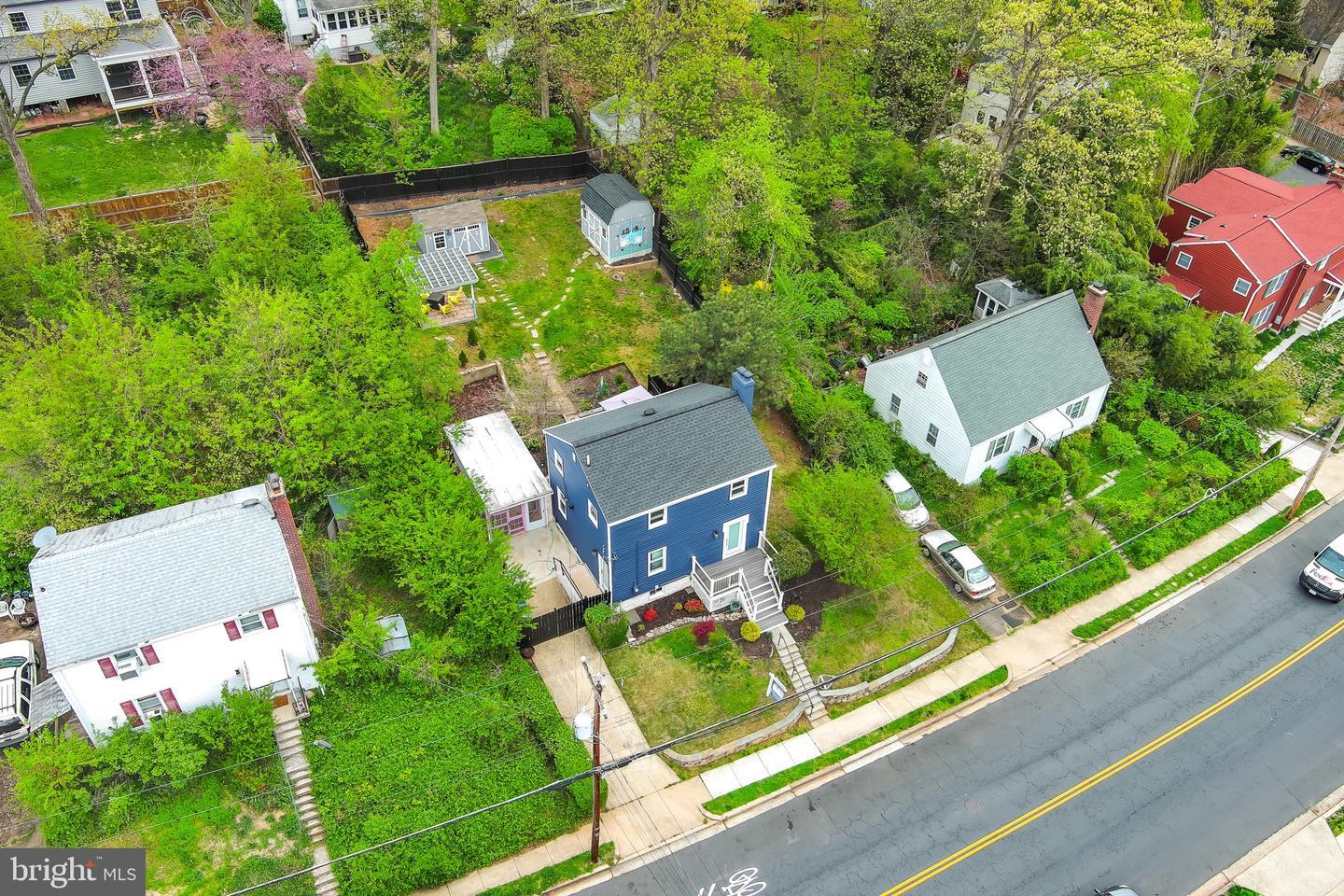
A real Arlington listing-agent success story — and what it means if you're thinking about selling in Claremont or South Arlington, especially if you're relocating. A home in Arlington's Claremont neighborhood — 2213 S Dinwiddie St — listed by David Mount of The Redux Group at eXp Realty for $850,000, sold for the full asking price — with no seller concessions — after just four days on the market. The sellers were relocating out of state, so a fast, certain sale mattered as much as the price — and they got both. The result came down to two things working together: focused listing prep before the home ever hit the market, and a multi-channel marketing plan built to put the home in front of the right buyers immediately. Here's the full story of the sale, the prep and marketing that made it happen, and what it tells you if you're choosing a listing agent in Arlington. A Full-Price Sale in a Single Weekend When the sellers of 2213 S Dinwiddie Street decided it was time to sell, they were preparing to relocate out of state. That made the stakes clear: they needed a clean, well-timed sale that wouldn't drag on while they were managing a move across the country. The goal was the strongest possible price and the certainty of a quick result. We listed at $850,000, the home generated serious buyer interest right away, and it went under contract within four days — over its very first weekend on the market. It then sold at exactly the list price, $850,000, with no seller concessions to chip away at the bottom line. In a market where many sellers expect to negotiate down from their asking price or cover buyer closing costs, a clean full-price sale in four days is the kind of outcome every seller hopes for — and exactly the kind of speed and certainty a relocating seller needs. It didn't happen by luck. It happened because the home was prepared well, priced right, and marketed hard from day one. The short version: Listed at $850,000 → under contract over its first weekend → sold at full price ($850,000) with zero concessions, in 4 days on market — for sellers relocating out of state. How Light Listing Prep Helped This Home Sell Fast Before we ever scheduled photos, I walked the sellers through a focused, low-cost listing-prep plan — the handful of things that make the biggest difference to how buyers perceive a home. The sellers largely followed the recommendations, and that head start is a big part of why the home showed beautifully and sold so quickly. That mattered even more here because they were juggling prep with planning an out-of-state move, so we kept the list short, high-impact, and manageable. Listing prep doesn't mean a gut renovation. It means doing the right small things: decluttering and depersonalizing so buyers can picture themselves living there, handling minor touch-ups, making sure the home is clean and bright for photos, and presenting the property at its best for that critical first weekend of showings. When a home is prep-ready before it's photographed and marketed, every other part of the plan works harder — the photos look better, the listing stands out, and buyers show up ready to write strong offers. This is the part many sellers underestimate. A little guidance and a weekend of focused effort up front can be the difference between full price in four days and a price reduction three weeks later. The Marketing That Drove a 4-Day, Full-Price Sale Great prep gets a home ready; great marketing gets it seen. For this Claremont listing, we used a full professional marketing stack designed to make the home look its absolute best and reach the maximum number of qualified buyers the moment it went live. Here's what went into it. Drone (aerial) photography Aerial drone shots show buyers what a standard photo can't — the lot, the rooflines, the tree canopy, and how the home sits within the Claremont neighborhood. For a property where location and setting are selling points, that bird's-eye perspective adds real context and aspiration. Virtual dusk (twilight) photography A virtual dusk treatment turns a daytime exterior into a warm, glowing twilight shot — windows lit, sky in soft color. These images consistently stop the scroll online and make a listing feel like a home people want to come home to. HDR photography High-dynamic-range (HDR) photography balances the light inside and outside a room at the same time, so interiors look bright, true-to-life, and inviting — no dark corners, no blown-out windows. It's the difference between photos that look like a real estate listing and photos that look like a magazine. Virtual staging For spaces that show better with furniture, virtual staging lets buyers instantly picture how a room functions — where the sofa goes, how the dining area flows — without the cost and hassle of physically staging the whole house. It's especially useful when sellers have already started packing or moving out for a relocation, because it lets empty rooms still feel like home. 2D floor plan and 3D tour Buyers want to understand how a home flows before they ever visit. We gave them a clear 2D floor plan to see the layout and room dimensions at a glance, plus an immersive 3D tour they could walk through online from anywhere. That combination is especially valuable for out-of-area and relocating buyers who can't easily drop by in person — and listings with floor plans and 3D tours consistently earn more engagement and more serious showings. Zillow Showcase We also marketed the home as a Zillow Showcase listing — Zillow's premium, AI-powered listing experience that gives a home a richer, more prominent presence on the most-visited real estate site in the country. Showcase listings feature an interactive floor plan, an immersive photo tour, and enhanced placement in search, and Zillow's own data shows Showcase homes tend to get more views and saves and can sell faster and for more. For sellers who needed both speed and a strong price, that extra visibility mattered. Video marketing A video walkthrough ties it all together. Video is what online buyers and the search and social algorithms reward most right now — it keeps people engaged longer, travels further on social media, and gives out-of-area and relocating buyers a real feel for the home before they schedule a showing. Used together, this marketing stack meant that the moment the home hit the market, it looked its best everywhere a buyer might find it — and that's what turns “on the market” into “under contract” in a single weekend. Claremont Neighborhood Spotlight: One of South Arlington's Most Sought-After Communities Claremont is a well-established residential neighborhood in South Arlington, Virginia, known for its tree-lined streets, mix of classic and updated homes, and a location that puts residents minutes from everything that makes Arlington one of the most desirable places to live in the D.C. metro area. Buyers are drawn to Claremont for its convenience and community feel: easy access to major commuter routes and Metro, proximity to shops, restaurants, and parks, and a setting that strikes the balance many Northern Virginia buyers are looking for — a real neighborhood within reach of Washington, D.C., Amazon's HQ2 in National Landing, the Pentagon, and the region's major employment centers. That combination of location, lifestyle, and steady demand is exactly why a well-prepared, well-marketed Claremont home can command full price and move fast. If you own a home in Claremont or elsewhere in South Arlington and you're wondering what it's worth in today's market — or how quickly it could sell — that demand is working in your favor. What This Means If You're Choosing a Listing Agent in Arlington A four-day, full-price sale with no concessions isn't an accident, and it isn't only about the house. It's about having a listing agent in Arlington who builds the whole plan — pricing, prep, presentation, and marketing — to work together from day one. When you're interviewing real estate agents to sell your home in Arlington, here's what this sale shows you to look for: A clear listing-prep plan up front — specific, low-cost recommendations that maximize how your home shows, not a vague “it'll be fine.” Professional, multi-channel marketing as the standard — drone, twilight, HDR, virtual staging, a 2D floor plan, a 3D tour, Zillow Showcase, and video, not just a few phone photos uploaded to the MLS. Pricing strategy that earns full price — listing at the right number so the market responds quickly and competitively, rather than chasing the price down later. Real, local Arlington experience — an agent who knows neighborhoods like Claremont and South Arlington and can position your home to the buyers who want to live there. Experience helping relocating sellers — if you're moving out of state, you need an agent who can manage prep, marketing, showings, and closing smoothly while you're focused on the move. That's the standard I bring to every listing. With 12+ years in Northern Virginia real estate, 200+ homes sold, and recognition as an NVAR Platinum Top Producer, my job as your listing agent is to get you the strongest result the market will give — and to make the process feel clear and well-handled the whole way through. Thinking of Selling Your Home in Claremont or South Arlington? If you're considering selling — this year or just exploring, and especially if you're relocating out of the area — the best first step is knowing what your home is worth in today's market. I'll give you a straightforward, no-pressure home valuation and a custom plan for how I'd prepare and market your specific home to sell quickly and for top dollar. Get your free home valuation I'd be glad to help you get the same kind of result we got in Claremont — full price, fast, and handled right. — David Mount, REALTOR® & COO, The Redux Group of eXp Realty Frequently Asked Questions How fast can homes sell in Arlington, VA? A well-prepared, well-priced, professionally marketed home in Arlington can sell very quickly — this Claremont home went under contract in just four days, over its first weekend on the market, and sold at full price. Speed depends on pricing, condition, prep, and marketing. The right listing strategy is what turns interest into a fast offer. What does a listing agent do? A listing agent (also called a seller's agent) represents the homeowner who is selling. That includes pricing the home strategically, advising on listing prep, arranging professional marketing like photography and video, getting the home in front of qualified buyers, managing showings and offers, and negotiating the contract through to closing — all to get the seller the strongest result. How much does it cost to sell a home in Arlington? Typical seller costs in Arlington include the real estate commission, plus closing costs such as transfer taxes, settlement fees, and any agreed seller concessions. In this Claremont sale, the seller paid no concessions and netted the full $850,000 list price. Exact costs vary by home and situation — I'm happy to walk you through a personalized net-proceeds estimate before you list. Can you help me sell my Arlington home if I'm relocating out of state? Yes — relocation sellers are a big part of my business. The Claremont sellers in this story were moving out of state, and we sold their home at full price in four days. I coordinate prep, professional marketing, showings, offers, and closing so the sale moves smoothly even when you've already left the area or are focused on your move. How do I sell my home fast in Claremont or South Arlington? The fastest sales come from prep, pricing, and marketing working together: smart listing prep before you go live, accurate pricing, and professional multi-channel marketing — drone, twilight, HDR, virtual staging, a 2D floor plan, a 3D tour, Zillow Showcase, and video. South Arlington neighborhoods like Claremont have steady buyer demand, so a well-presented home can attract strong offers within the first weekend. Why should I hire a local Arlington listing agent? A local listing agent knows how buyers value specific neighborhoods like Claremont, how to price for the current Arlington market, and how to market a home so it reaches the right buyers immediately. Local experience and a proven marketing system are what produce fast, full-price results rather than price reductions and long days on market.
Read more