


Latest News
Keep on top with latest and exclusive updates from our blog on the Northern Virginia real estate world. David Mount posts about tips and trends for buyers, sellers, and investors every week. Whether it be about staging your property or a snapshot of the market, this is your one stop shop.
Last updated: July 8, 2026 Quick Answer: "Fairfax, VA" can mean two different places. The City of Fairfax is an independent city of about six square miles that is completely surrounded by, but legally separate from, Fairfax County. Both use "Fairfax, VA" mailing addresses. ZIP code 22030 covers the city plus county areas beyond the city limits, while 22031, 22032, and 22033 are Fairfax County. The two jurisdictions have different tax rates (the city is currently lower at $1.0725 vs. the county's $1.12 per $100) and different governments, though city students attend schools run by Fairfax County Public Schools under a long-standing contract. Always verify which jurisdiction a specific home is in. Not sure which side of the line your address falls on? Look up your exact ZIP code in my complete guide: What County Is My ZIP Code In? Every Northern Virginia ZIP Code Mapped to Its County. Of all the mailing-address traps in Northern Virginia, this one confuses buyers the most, because the city and the county share a name, share a school operator, and share ZIP code 22030. Two houses a half mile apart on the same road can pay taxes to two different governments. Here is how to tell them apart and what actually differs when you buy. Buying your first home here? My First-Time Home Buyer's Guide to Fairfax, VA applies this City vs County distinction to budgets, schools, and real first purchases. Wait, Fairfax is a city AND a county? Yes. Virginia's independent-city system strikes again. The City of Fairfax became an independent city in 1961. It is about six square miles, home to roughly 25,000 people, and it sits entirely inside the footprint of Fairfax County like the hole in a donut, while being legally separate from it. Fairfax County, with about 1.1 million residents, wraps around it on every side. The mailing addresses do not respect the boundary: ZIP 22030: covers the City of Fairfax AND county neighborhoods west and south of the city limits. This is the split ZIP that causes most of the confusion. ZIP 22031: Fairfax County (the Mantua area and toward Merrifield). ZIP 22032: Fairfax County (Kings Park West and the Woodson High School area). ZIP 22033: Fairfax County (Fair Oaks, Fair Lakes, Franklin Farm, and Penderbrook). For any home with a Fairfax address, the tax record settles it: every Virginia property pays taxes to exactly one jurisdiction. Your agent can confirm it from the MLS in seconds. I do this on every Fairfax listing my clients consider. Fairfax City vs. Fairfax County: what buyers should compare Factor City of Fairfax Fairfax County (Fairfax address) Real estate tax rate $1.0725 per $100 of assessed value (FY 2027) $1.12 per $100 of assessed value (FY 2027) Schools City-owned schools (Fairfax HS, Katherine Johnson MS, Daniels Run ES, Providence ES) operated by FCPS under a tuition contract Fairfax County Public Schools; pyramids include Fairfax, Woodson, Oakton, Chantilly, and Robinson depending on location Services Own police department, own trash and leaf collection, city parks and events County police and services; trash typically via private hauler or district Housing stock Established mid-century neighborhoods, downtown-adjacent homes, small-town scale Everything from 1960s colonials to 1990s planned communities like Franklin Farm and Penderbrook Feel Small-town center with Old Town Fairfax, festivals, and a walkable downtown core Classic Northern Virginia suburbia with major retail hubs at Fair Oaks and Fair Lakes Tax rates change annually when each jurisdiction adopts its budget. Confirm current rates before writing an offer. The tax math currently favors the city On an $800,000 home, the City of Fairfax rate of $1.0725 per $100 works out to about $8,580 per year, versus about $8,960 at Fairfax County's $1.12 rate. That is roughly $380 per year in the city's favor. Worth knowing: the city raised several other taxes and utility rates in its FY 2027 budget, and both jurisdictions adjust rates every year, so treat the gap as a snapshot, not a permanent advantage. The school arrangement is unusual, and it matters City of Fairfax students attend schools inside the city (Fairfax High School, Katherine Johnson Middle School, and Daniels Run and Providence elementary schools) that the city owns but Fairfax County Public Schools operates under a tuition contract. In practice, city kids get the same FCPS curriculum, calendar, and programs as their county neighbors. Some county-side homes with Fairfax addresses also feed Fairfax High School, while others feed Woodson, Oakton, Chantilly, or Robinson. If a specific school matters to you, verify the assignment for the exact address with FCPS rather than assuming from the mailing address. Living in the City of Fairfax The city trades on small-town character: Old Town Fairfax's shops and restaurants, the Chocolate Lovers Festival, Independence Day fireworks, its own police force, and city crews that pick up your trash and leaves. Neighborhoods are established and mostly mid-century, with mature trees and a genuine community identity. George Mason University sits just across the southern boundary, which adds energy, dining, and some rental demand. The county side: Fair Oaks, Franklin Farm, Penderbrook, Fairfax Villa, and more County homes with a Fairfax address cover a much larger area and a wider range of options: 1960s and 70s single-family neighborhoods like Fairfax Villa and Mantua, the Woodson pyramid's Kings Park West, and the newer planned communities out toward Fair Oaks, including Franklin Farm and Penderbrook. Shopping and commuting infrastructure (Fair Oaks Mall, Fairfax County Parkway, I-66, and Routes 50 and 29) anchor the area. I have sold homes in county-side Fairfax communities including Penderbrook and Fairfax Villa, and buyers are consistently drawn to the same combination: central location, established neighborhoods, and strong resale demand. So which Fairfax should you buy in? Choose the City of Fairfax if you want small-town services and identity, a slightly lower tax rate right now, and a walkable downtown, and you are comfortable with a smaller pool of homes for sale at any given time. Choose the Fairfax County side if you want maximum choice in neighborhoods, price points, and school pyramids, from mid-century colonials to 1990s planned communities. Either way, the first step is the same: confirm exactly which jurisdiction the home is in and what that means for taxes and schools. I do that for every client, usually before we ever tour. Call or text me at 571-946-8418 or email david.mount@thereduxgroup.com. Thinking of selling? See my Fairfax home seller's guide or my Fairfax County home seller's guide. Frequently asked questions Is Fairfax, VA a city or a county? Both exist. The City of Fairfax is an independent city of about six square miles that is legally separate from Fairfax County, even though the county surrounds it completely. A "Fairfax, VA" mailing address can belong to either one, so check the specific property's jurisdiction. Is the City of Fairfax part of Fairfax County? No. Under Virginia's independent-city system, the City of Fairfax has been separate from Fairfax County since 1961, with its own government, police, tax rates, and services. The county surrounds the city geographically but has no authority within it. Which Fairfax ZIP codes are in the city vs. the county? ZIP 22030 is split: it covers the City of Fairfax plus county areas west and south of the city limits. ZIPs 22031, 22032, and 22033 are Fairfax County. The property tax record is the definitive answer for any specific address. Do City of Fairfax kids attend Fairfax County schools? Effectively, yes. The city owns its four school buildings, including Fairfax High School, but Fairfax County Public Schools operates them under a tuition contract, so city students get the same FCPS curriculum and programs. Some county-side Fairfax addresses also feed Fairfax High School; others feed Woodson, Oakton, Chantilly, or Robinson. Are property taxes lower in the City of Fairfax or Fairfax County? Currently the city is lower: $1.0725 per $100 of assessed value (FY 2027) versus $1.12 in Fairfax County, about $380 per year less on an $800,000 home. Both rates change with each annual budget, and the city adjusted several other taxes and fees upward in FY 2027, so compare total costs, not just the headline rate. David Mount is a REALTOR® with The Redux Group at eXp Realty, based minutes from Fairfax in Centreville and serving all of Northern Virginia. Questions about a specific address? Call 571-946-8418 or email david.mount@thereduxgroup.com. { "@context": "https://schema.org", "@type": "FAQPage", "mainEntity": [ {"@type":"Question","name":"Is Fairfax, VA a city or a county?","acceptedAnswer":{"@type":"Answer","text":"Both exist. The City of Fairfax is an independent city of about six square miles that is legally separate from Fairfax County, even though the county surrounds it completely. A Fairfax, VA mailing address can belong to either one, so check the specific property's jurisdiction."}}, {"@type":"Question","name":"Is the City of Fairfax part of Fairfax County?","acceptedAnswer":{"@type":"Answer","text":"No. Under Virginia's independent-city system, the City of Fairfax has been separate from Fairfax County since 1961, with its own government, police, tax rates, and services. The county surrounds the city geographically but has no authority within it."}}, {"@type":"Question","name":"Which Fairfax ZIP codes are in the city vs. the county?","acceptedAnswer":{"@type":"Answer","text":"ZIP 22030 is split: it covers the City of Fairfax plus county areas west and south of the city limits. ZIPs 22031, 22032, and 22033 are Fairfax County. The property tax record is the definitive answer for any specific address."}}, {"@type":"Question","name":"Do City of Fairfax kids attend Fairfax County schools?","acceptedAnswer":{"@type":"Answer","text":"Effectively, yes. The city owns its four school buildings, including Fairfax High School, but Fairfax County Public Schools operates them under a tuition contract, so city students get the same FCPS curriculum and programs."}}, {"@type":"Question","name":"Are property taxes lower in the City of Fairfax or Fairfax County?","acceptedAnswer":{"@type":"Answer","text":"Currently the city is lower: $1.0725 per $100 of assessed value (FY 2027) versus $1.12 in Fairfax County, about $380 per year less on an $800,000 home. Both rates change with each annual budget."}} ] }
Read moreLast updated: July 8, 2026 Quick Answer: Not all of "Alexandria, VA" is in the City of Alexandria. The City of Alexandria is an independent city that is not part of any county. But the Alexandria mailing address extends deep into Fairfax County: ZIP codes 22303, 22306, 22307, 22308, 22309, 22310, and 22315 all say "Alexandria" while sitting in Fairfax County, covering areas like Mount Vernon, Fort Hunt, Kingstowne, Franconia, and Huntington. City addresses (generally 22301, 22302, 22304, 22305, 22311, and 22314) pay City of Alexandria taxes and attend Alexandria City Public Schools. County addresses pay Fairfax County taxes and attend Fairfax County Public Schools. Always verify the jurisdiction, not just the mailing address. Not sure which side of the line your address falls on? Look up your exact ZIP code in my complete guide: What County Is My ZIP Code In? Every Northern Virginia ZIP Code Mapped to Its County. Here is a conversation I have with buyers all the time. They fall in love with a listing that says "Alexandria, VA," picture Old Town's brick sidewalks, and then discover the home is seven miles south of King Street in a completely different jurisdiction with different schools and a different tax bill. Nobody misled them. The mailing address just does not tell the whole story. This guide explains exactly where the City of Alexandria ends, where Fairfax County begins, and what that means for your money and your kids' schools. Own a home with an Alexandria address and thinking about selling? Whether your home sits in the City of Alexandria or the Fairfax County side of the line changes your taxes, your schools, and the buyers who search for your street. I have sold homes in Kingstowne and other neighborhoods on both sides. Get a free, no-pressure home valuation: call or text 571-946-8418, email david.mount@thereduxgroup.com, or request it online here. Why is "Alexandria" in two jurisdictions? Virginia does something almost no other state does: its cities are independent. The City of Alexandria is not part of Fairfax County or any county. It is its own jurisdiction with its own government, schools, police, and tax rates. The confusion comes from the U.S. Postal Service, which assigns the "Alexandria, VA" mailing city to a service area far larger than the city limits. A huge swath of southeastern Fairfax County, from the Beltway down to Mount Vernon, uses an Alexandria address while having nothing to do with the city government. The ZIP code is your first clue: City of Alexandria (generally): 22301, 22302, 22304, 22305, 22311, 22314, and parts of 22312. Old Town, Del Ray, Rosemont, the West End. Fairfax County with an Alexandria address: 22303, 22306, 22307, 22308, 22309, 22310, 22315, and parts of 22312. Huntington, Hybla Valley, Fort Hunt, Waynewood, Mount Vernon, Rose Hill, Franconia, and Kingstowne. A few ZIP codes split across the line, so for any specific home, confirm the jurisdiction in the tax record. Every Virginia property pays taxes to exactly one city or county, and the MLS listing shows which. What County Is Alexandria, VA In? The City of Alexandria is not in any county. It is an independent city under Virginia law. However, most homes with an Alexandria, VA mailing address are actually located in Fairfax County, including Kingstowne, Franconia, Mount Vernon, Fort Hunt, and Groveton. Your county determines your tax rate, your school system, and where your home sale is recorded, so knowing which side of the line you are on matters more than what your mail says. City of Alexandria vs. Fairfax County Alexandria: what buyers should compare Factor City of Alexandria Fairfax County (Alexandria address) Real estate tax rate $1.135 per $100 of assessed value (2026) $1.12 per $100 of assessed value (FY 2027) Schools Alexandria City Public Schools; one public high school (Alexandria City High School) Fairfax County Public Schools; multiple pyramids including West Potomac, Mount Vernon, Edison, and Hayfield Housing character Historic rowhouses and townhomes, walkable urban neighborhoods, smaller lots Wider mix: mid-century single-family homes on larger lots, plus large townhome communities like Kingstowne Metro access King St-Old Town, Braddock Rd, Eisenhower Ave, Potomac Yard Huntington (Yellow Line terminus), Franconia-Springfield (Blue Line terminus) Feel Compact, historic, urban; restaurants and shops within walking distance More suburban; parkland along the GW Parkway and the Potomac, car-oriented conveniences Tax rates change annually when each jurisdiction adopts its budget. Confirm current rates before writing an offer. The tax difference is smaller than most people expect Unlike some Northern Virginia comparisons, this one is nearly a wash. On an $800,000 home, the City of Alexandria's $1.135 rate is about $9,080 per year, while Fairfax County's $1.12 rate is about $8,960. That is roughly a $120 difference. Both jurisdictions also carry smaller add-on levies and fees that vary by location, so compare the actual tax bills on the specific homes you are considering. The bigger financial differences here are usually price per square foot and lot size, not the tax rate. Inside the city: Old Town, Del Ray, and the West End The City of Alexandria is one of the most distinctive places to live in the DC area. Old Town's 18th and 19th century rowhouses, Del Ray's bungalows and Main Street feel, and Rosemont's early streetcar-suburb charm all come with real walkability: restaurants, the Potomac waterfront, and four Metro stations. The trade-offs are smaller lots, older housing stock that often needs updating, and a premium price per square foot for the historic neighborhoods. I know the city side firsthand: I have sold homes in Rosemont, Seminary Valley, and Pavilion on the Park in the West End. School structure is a real difference here: Alexandria City Public Schools operates a single public high school, Alexandria City High School, which serves the entire city. Some families love the one-community model; others prefer the smaller-pyramid structure next door in Fairfax County. Visit the schools and decide what fits your family. The county side: Mount Vernon, Fort Hunt, Kingstowne, and Franconia South and west of the city line, the "Alexandria" address covers some of Fairfax County's most livable territory. The Fort Hunt and Waynewood areas offer mid-century single-family homes on generous lots along the George Washington Memorial Parkway, minutes from the river and Mount Vernon. Kingstowne is one of the region's largest townhome communities, with shopping and commuter access built in. Huntington sits right on the Yellow Line for one-stop access into the city, and Rose Hill and Franconia offer established single-family neighborhoods inside the Beltway at prices that often beat comparable city homes. This is territory I work in constantly: I have sold homes in Kingstowne (see my full Kingstowne buying and selling guide), Stratford Landing, Riverside Estates, Mount Zephyr, Groveton Woods, and many other neighborhoods on the Fairfax County side of Alexandria. These areas attend Fairfax County Public Schools: the West Potomac, Mount Vernon, Edison, and Hayfield pyramids, depending on the address. Same county government, same tax rate, and same school system as the rest of Fairfax County, no matter what the mailing address says. So which "Alexandria" should you buy in? Choose the City of Alexandria if walkability, historic character, and Metro-to-doorstep urban living are the priority, and you are comfortable with smaller lots and city pricing. Choose the Fairfax County side if you want more house and lot for the money, suburban single-family neighborhoods or a townhome community like Kingstowne, and Fairfax County Public Schools. I have sold homes on both sides of this line, from Rosemont and Seminary Valley in the city to Kingstowne and Stratford Landing in the county, and the first thing I do with any "Alexandria" listing is pull the tax record so we know exactly what jurisdiction, tax bill, and school assignment we are looking at. Want me to do that for a home you are watching? Call or text me at 571-946-8418 or email david.mount@thereduxgroup.com. Selling instead of buying? Start with my Alexandria home seller's guide or my Fairfax County home seller's guide. Frequently asked questions Is Alexandria, VA in Fairfax County? The City of Alexandria is not in Fairfax County; it is an independent city. However, a large part of southeastern Fairfax County uses "Alexandria, VA" as its mailing address, including Mount Vernon, Fort Hunt, Kingstowne, Franconia, and Huntington. Whether a specific home is in the city or the county depends on its exact location, not its mailing address. Which Alexandria ZIP codes are in Fairfax County? ZIP codes 22303, 22306, 22307, 22308, 22309, 22310, and 22315 are in Fairfax County despite the Alexandria mailing address, along with parts of 22312. ZIP codes 22301, 22302, 22304, 22305, 22311, and 22314 are generally within the City of Alexandria. For split ZIP codes, check the property tax record. Are taxes different in the City of Alexandria vs. Fairfax County? Slightly. The City of Alexandria's 2026 real estate tax rate is $1.135 per $100 of assessed value, while Fairfax County's FY 2027 rate is $1.12. On an $800,000 home that is a difference of only about $120 per year, so taxes are rarely the deciding factor in this comparison. What schools serve Alexandria addresses in Fairfax County? Fairfax County Public Schools serves county addresses with Alexandria mailing addresses, primarily through the West Potomac, Mount Vernon, Edison, and Hayfield pyramids. City of Alexandria addresses are served by Alexandria City Public Schools, which operates one public high school, Alexandria City High School. Confirm any specific address with the school district, since boundaries can change. Is Old Town Alexandria in Fairfax County? No. Old Town is the historic heart of the City of Alexandria, an independent city. It has never been part of Fairfax County in modern times, and homes there pay City of Alexandria taxes and attend city schools. David Mount is a REALTOR® with The Redux Group at eXp Realty serving Alexandria, Fairfax County, and all of Northern Virginia. Questions about a specific address? Call 571-946-8418 or email david.mount@thereduxgroup.com. Divorcing? Read who gets the house in a Virginia divorce and your three options. { "@context": "https://schema.org", "@type": "FAQPage", "mainEntity": [ {"@type":"Question","name":"Is Alexandria, VA in Fairfax County?","acceptedAnswer":{"@type":"Answer","text":"The City of Alexandria is not in Fairfax County; it is an independent city. However, a large part of southeastern Fairfax County uses Alexandria, VA as its mailing address, including Mount Vernon, Fort Hunt, Kingstowne, Franconia, and Huntington. Whether a specific home is in the city or the county depends on its exact location, not its mailing address."}}, {"@type":"Question","name":"Which Alexandria ZIP codes are in Fairfax County?","acceptedAnswer":{"@type":"Answer","text":"ZIP codes 22303, 22306, 22307, 22308, 22309, 22310, and 22315 are in Fairfax County despite the Alexandria mailing address, along with parts of 22312. ZIP codes 22301, 22302, 22304, 22305, 22311, and 22314 are generally within the City of Alexandria."}}, {"@type":"Question","name":"Are taxes different in the City of Alexandria vs. Fairfax County?","acceptedAnswer":{"@type":"Answer","text":"Slightly. The City of Alexandria's 2026 real estate tax rate is $1.135 per $100 of assessed value, while Fairfax County's FY 2027 rate is $1.12. On an $800,000 home that is a difference of only about $120 per year."}}, {"@type":"Question","name":"What schools serve Alexandria addresses in Fairfax County?","acceptedAnswer":{"@type":"Answer","text":"Fairfax County Public Schools serves county addresses with Alexandria mailing addresses, primarily through the West Potomac, Mount Vernon, Edison, and Hayfield pyramids. City of Alexandria addresses are served by Alexandria City Public Schools, which operates one public high school, Alexandria City High School."}}, {"@type":"Question","name":"Is Old Town Alexandria in Fairfax County?","acceptedAnswer":{"@type":"Answer","text":"No. Old Town is the historic heart of the City of Alexandria, an independent city. Homes there pay City of Alexandria taxes and attend city schools."}} ] }
Read moreLast updated: July 8, 2026 Quick Answer: Chantilly, VA is officially located in Fairfax County. The community of Chantilly itself (ZIP code 20151) is a census-designated place in western Fairfax County. However, the "Chantilly, VA" mailing address also extends into neighboring Loudoun County through ZIP code 20152, which covers South Riding and the Dulles South area. That means two homes with a Chantilly address can sit in two different counties, with different property tax rates, different school systems (Fairfax County Public Schools vs. Loudoun County Public Schools), and different commutes. Before you buy, always verify the county, not just the mailing address. I meet buyers all the time who are shocked to learn that the "Chantilly" home they toured on Saturday is not actually in Fairfax County. It is an honest mistake. The post office, the county line, and the school boundary maps all tell slightly different stories. This guide sorts it out, and it also covers the biggest school news to hit this area in decades: the new Skyview High School in Herndon and the boundary changes that will move some Chantilly High School students there starting in the 2027-2028 school year. Own a home in Chantilly and thinking about selling? The county line changes your buyer pool, your tax story, and your pricing strategy, and the Skyview boundary decision is already shifting how buyers search here. I sell homes on both sides of the line. Get a free, no-pressure home valuation: call or text 571-946-8418, email david.mount@thereduxgroup.com, or request it online here. Why is Chantilly in two counties? Technically, it is not. The place named Chantilly is a census-designated place (CDP) entirely within Fairfax County, roughly bounded by Route 50, Route 28, and the Dulles Airport area. If someone asks "what county is Chantilly in," the correct one-word answer is Fairfax. The confusion comes from the U.S. Postal Service. Mailing city names follow post office service areas, not county lines. The "Chantilly, VA" mailing address covers two ZIP codes: ZIP 20151 - Fairfax County. This is Chantilly proper: the established neighborhoods off Route 50 and Stringfellow Road, the Route 28 corridor, and the area around the Dulles Expo Center and Sully Historic Site. ZIP 20152 - Loudoun County. This is the Dulles South area on the west side of the county line, including South Riding, East Gate, and surrounding planned communities. These homes carry a Chantilly mailing address but sit in Loudoun County, pay Loudoun taxes, and attend Loudoun County Public Schools. So when a listing says "Chantilly," your first question should be: which ZIP code? That one detail changes your tax bill, your school pyramid, and your commute. What County Is ZIP Code 20151 In? ZIP code 20151 is in Fairfax County, Virginia. It covers the core of Chantilly, including the neighborhoods around Route 50, Chantilly High School, and the Sully Historic Site. If your address says Chantilly, VA 20151, you pay Fairfax County property taxes (1.12 dollars per 100 dollars of assessed value in FY 2027) and your children attend Fairfax County Public Schools. Is Chantilly in Loudoun County? The core of Chantilly is not in Loudoun County. But ZIP code 20152, which includes South Riding and nearby communities, uses a Chantilly mailing address while sitting entirely inside Loudoun County. This is why two neighbors a mile apart can pay different tax rates and send kids to different school systems. The Postal Service draws mailing boundaries; it does not draw county lines. How do I confirm which county a Chantilly home is in? Three quick checks: Check the ZIP code. 20151 is Fairfax County. 20152 is Loudoun County. This is reliable for nearly every residential address. Look up the parcel. Every Virginia home pays taxes to exactly one county. Search the address in the Fairfax County or Loudoun County online real estate assessment tool. The one that returns a record is the county you would pay taxes to. Ask your agent to pull the tax record. The MLS listing shows the taxing jurisdiction and the assigned schools. I verify this on every home my buyers consider, because school assignments in this area are changing (more on that below). Fairfax County Chantilly vs. Loudoun County Chantilly: what buyers should compare Factor Fairfax County side (ZIP 20151) Loudoun County side (ZIP 20152) Real estate tax rate About $1.12 per $100 of assessed value (FY 2027) About $0.805 per $100 of assessed value (tax year 2026) Schools Fairfax County Public Schools: Chantilly HS and Westfield HS pyramids (boundaries changing for 2027-28) Loudoun County Public Schools: Freedom HS serves South Riding; John Champe and Lightridge serve nearby Dulles South communities Housing stock Mostly established neighborhoods built from the 1970s to 1990s: mature trees, larger lots, single-family homes and townhomes Mostly planned communities built from the late 1990s onward: newer construction, HOA amenities like pools and trails HOA Varies; many neighborhoods have modest or no HOA fees Nearly universal; amenity-rich HOAs with meaningful monthly fees Commute Closer to Tysons, Reston, and I-66; quick access to Routes 50 and 28 Farther west; Route 50 corridor traffic is the main pinch point, with strong access to Dulles and the Loudoun tech corridor Tax rates change annually when each county adopts its budget. Always confirm the current rate with the county before writing an offer. The property tax difference is real money On an $800,000 home, the Fairfax County rate of $1.12 per $100 works out to about $8,960 per year. The same value in Loudoun County at $0.805 per $100 is about $6,440. That is a difference of roughly $2,500 per year, or a little over $200 per month. Loudoun can hold its rate lower largely because of its enormous data center tax base. Before you decide based on taxes alone, two caveats. First, the Loudoun-side planned communities almost all carry HOA fees that claw back part of that difference. Second, assessments differ home to home, so compare actual tax bills on the specific properties you are weighing, not just the rates. The Fairfax County side: established Chantilly Chantilly proper is one of western Fairfax County's best value plays. You are buying into the county's school system, parks, and proximity to major employment centers at a price point meaningfully below Vienna, Oakton, or McLean. Neighborhoods like Brookfield, Poplar Tree Estates, and Armfield Farm offer single-family homes on real lots, most built between the 1970s and 1990s. The pattern I see over and over is steady demand from families who want the Fairfax County address without the close-in price tag. The trade-off: the housing stock is older, so budget for updates, and inventory is tight because these neighborhoods do not turn over quickly. The Loudoun County side: South Riding and Dulles South Cross the county line on Route 50 and the landscape changes to master-planned communities. South Riding is the anchor: thousands of homes built from the late 1990s through the 2010s, with pools, trails, town greens, and a genuine community feel. East Gate and the surrounding Dulles South communities continue the pattern with newer construction. Buyers here get newer homes, more modern floor plans, and the lower Loudoun tax rate. The trade-offs are HOA fees, smaller lots in many sections, and a longer drive to jobs east of Reston. The big school news: Skyview High School and Chantilly HS boundary changes If you are buying on the Fairfax County side of Chantilly with kids, this is the section to read twice. Fairfax County Public Schools purchased the former King Abdullah Academy campus at 2949 Education Drive in Herndon for $150 million in summer 2025 and is opening it as Skyview High School. The school welcomes its first ninth and tenth grade students in fall 2026 on an opt-in basis for families in the Centreville, Chantilly, Oakton, South Lakes, and Westfield pyramids. The permanent attendance boundaries are being decided right now. Here is where things stand as of July 8, 2026: July 2, 2026: Superintendent Michelle Reid released her preliminary boundary recommendation after four months of study and community meetings. The recommendation: Skyview would draw students currently assigned to Westfield, Chantilly, and South Lakes high schools, starting with the 2027-2028 school year. Approximately 333 Chantilly High School students, 1,062 Westfield students, and 384 South Lakes students would be reassigned to Skyview. Chantilly HS also gains students: a related change would reassign about 177 students from the Rachel Carson Middle School area to Franklin Middle School, and those students would then advance to Chantilly High School instead of Oakton. Some students would also shift among Centreville, Westfield, and Chantilly high schools and among Liberty, Rocky Run, and Stone middle schools. July 13, 2026: public hearing on the preliminary recommendation at Luther Jackson Middle School. July 16, 2026: the superintendent presents her final recommendation and the School Board is scheduled to vote. Phase-in: for 2027-2028, rising ninth graders could opt out and remain at their currently assigned school under the proposed phasing plan. Boundaries would take full effect in 2028-2029. One example of how granular this gets: an area of Chantilly between Sully Road and Walney Road is proposed to move from Chantilly HS to Westfield HS, while the Walney Village townhome community within that area stays at Chantilly after residents organized and gave feedback. Two streets apart can mean two different high schools. What this means if you are buying in Chantilly right now Do not buy based on the current school assignment alone. A home that feeds Chantilly High School today may feed Skyview or Westfield in 2027. That is not automatically bad news. Skyview is a brand-new, modern campus, and the whole point of the change is to relieve crowding across western Fairfax County. But you should know what you are buying. FCPS has published an online boundary explorer tool for the Skyview study, and I check the proposed assignment for every western Fairfax home my clients consider. After the July 16 vote, the picture should be settled. If you already own in Chantilly and are thinking about selling, boundary certainty tends to help marketing. Once the final map is adopted, listings can state the assigned schools with confidence, and homes near new-school boundaries often draw extra attention from relocating families. If that is you, start with my Fairfax County home seller's guide. So which side of Chantilly should you buy in? There is no universally right answer, only the right answer for your situation: Choose the Fairfax County side (20151) if you want an established neighborhood with mature trees and larger lots, a shorter commute east toward Tysons and Reston, and Fairfax County Public Schools. Choose the Loudoun County side (20152) if you want newer construction, community amenities, a lower county tax rate, and you work near Dulles or west of it. I grew up in this part of Northern Virginia, I am based minutes from Chantilly in Centreville, and I have helped clients buy and sell on both sides of the line. If you want a straight answer about a specific address, which county it is in, what the real tax bill looks like, and what the school picture will be after the Skyview vote, call or text me at 571-946-8418 or email david.mount@thereduxgroup.com. Frequently asked questions Is Chantilly, VA in Fairfax County or Loudoun County? Chantilly itself is in Fairfax County. It is a census-designated place in the western part of the county, ZIP code 20151. However, the Chantilly mailing address also covers ZIP code 20152 in Loudoun County, which includes South Riding and the Dulles South area. Always verify the county for a specific address rather than relying on the mailing city. How do I know which county a Chantilly home is in? Check the ZIP code first: 20151 is Fairfax County and 20152 is Loudoun County. To be certain, look up the address in the county's online real estate assessment database, or ask your agent to pull the tax record, which lists the taxing jurisdiction and assigned schools. Are property taxes lower on the Loudoun County side of Chantilly? Yes. Loudoun County's real estate tax rate is about $0.805 per $100 of assessed value versus $1.12 in Fairfax County, a difference of roughly $2,500 per year on an $800,000 home. Keep in mind that most Loudoun-side communities have HOA fees that offset part of the savings, and rates change with each county budget. What school district serves Chantilly, VA? Homes in ZIP 20151 attend Fairfax County Public Schools, primarily the Chantilly and Westfield high school pyramids. Homes in ZIP 20152 attend Loudoun County Public Schools; Freedom High School serves South Riding, with John Champe and Lightridge serving nearby Dulles South communities. School boundaries change, so confirm the current assignment for any specific address with the school district. Will Chantilly High School students be redistricted to Skyview High School? Some will, pending a final vote. Under the FCPS superintendent's preliminary recommendation released July 2, 2026, about 333 Chantilly High School students would be reassigned to the new Skyview High School in Herndon starting in the 2027-2028 school year, with full implementation in 2028-2029. The School Board is scheduled to vote on the final recommendation on July 16, 2026. Check the FCPS boundary explorer tool for any specific address. Is Chantilly a good place to buy a home in 2026? Chantilly offers strong value for western Fairfax County, with established single-family neighborhoods priced below closer-in markets like Vienna and Oakton, while the Loudoun side offers newer construction and a lower tax rate. The main thing to watch in 2026 is the Skyview High School boundary decision, which will settle school assignments for much of the area. David Mount is a REALTOR® with The Redux Group at eXp Realty serving Fairfax County, Loudoun County, and all of Northern Virginia. Questions about Chantilly, South Riding, or anywhere in between? Call 571-946-8418 or email david.mount@thereduxgroup.com. Related reading: Chantilly is one of many Northern Virginia places where the mailing address and the county do not match. My ZIP-to-county lookup guide maps every major ZIP in the region, and if your Chantilly home is on the Loudoun side in 20152, my Loudoun County seller's guide covers your market. { "@context": "https://schema.org", "@type": "FAQPage", "mainEntity": [ {"@type":"Question","name":"Is Chantilly, VA in Fairfax County or Loudoun County?","acceptedAnswer":{"@type":"Answer","text":"Chantilly itself is in Fairfax County. It is a census-designated place in western Fairfax County, ZIP code 20151. However, the Chantilly mailing address also covers ZIP code 20152 in Loudoun County, which includes South Riding and the Dulles South area. Always verify the county for a specific address rather than relying on the mailing city."}}, {"@type":"Question","name":"How do I know which county a Chantilly home is in?","acceptedAnswer":{"@type":"Answer","text":"Check the ZIP code first: 20151 is Fairfax County and 20152 is Loudoun County. To be certain, look up the address in the county's online real estate assessment database, or ask your agent to pull the tax record, which lists the taxing jurisdiction and assigned schools."}}, {"@type":"Question","name":"Are property taxes lower on the Loudoun County side of Chantilly?","acceptedAnswer":{"@type":"Answer","text":"Yes. Loudoun County's real estate tax rate is about $0.805 per $100 of assessed value versus $1.12 in Fairfax County, a difference of roughly $2,500 per year on an $800,000 home. Most Loudoun-side communities have HOA fees that offset part of the savings, and rates change with each county budget."}}, {"@type":"Question","name":"What school district serves Chantilly, VA?","acceptedAnswer":{"@type":"Answer","text":"Homes in ZIP 20151 attend Fairfax County Public Schools, primarily the Chantilly and Westfield high school pyramids. Homes in ZIP 20152 attend Loudoun County Public Schools; Freedom High School serves South Riding, with John Champe and Lightridge serving nearby Dulles South communities. School boundaries change, so confirm current assignments with the district."}}, {"@type":"Question","name":"Will Chantilly High School students be redistricted to Skyview High School?","acceptedAnswer":{"@type":"Answer","text":"Some will, pending a final vote. Under the FCPS superintendent's preliminary recommendation released July 2, 2026, about 333 Chantilly High School students would be reassigned to the new Skyview High School in Herndon starting in the 2027-2028 school year, with full implementation in 2028-2029. The School Board is scheduled to vote on the final recommendation on July 16, 2026."}}, {"@type":"Question","name":"Is Chantilly a good place to buy a home in 2026?","acceptedAnswer":{"@type":"Answer","text":"Chantilly offers strong value for western Fairfax County, with established single-family neighborhoods priced below closer-in markets like Vienna and Oakton, while the Loudoun side offers newer construction and a lower tax rate. The main thing to watch in 2026 is the Skyview High School boundary decision."}} ] }
Read more
Quick answer If you've already moved out of your Northern Virginia home and are selling remotely, the most important rule is the Section 121 3-year clock: you have 3 years from the date you stopped using the home as your primary residence to sell without losing the federal capital-gains exclusion ($250K single / $500K married). David Mount's workflow is set up for remote sales: secure digital signing, video walkthroughs, vetted local contractors for prep and showings, and limited power-of-attorney arrangements where appropriate. Don't let the 3-year clock expire. Call (571) 946-8418 or email david.mount@thereduxgroup.com. Not every retiree-relocator sells before moving. A meaningful share of NoVA retirees end up selling their Northern Virginia home after they've already moved into their destination state, sometimes intentionally (to time the market), sometimes because of a family-emergency move, sometimes because the destination home presented itself before the NoVA timeline was ready. This guide covers the specific considerations for remote NoVA home sales: the Section 121 3-year clock that's the single most consequential tax issue, the rent-vs-sell decision, the remote-prep checklist, power-of-attorney basics for Virginia home sales, and the showing-and-signing workflow when you're physically far away. The 3 reasons retirees end up selling from out of state Intentional market timing. Some retirees want to test their destination state before committing to the home sale. They move into a destination rental, leave the NoVA home empty (or rented), and watch the market for a better selling moment. The risk: the Section 121 3-year clock doesn't pause for market timing. Family-emergency or healthcare-driven move. A spouse's healthcare need, a parent's emergency, an adult child's family situation requires immediate relocation. The NoVA home becomes a logistical concern after the urgent move. This is the most common scenario. Coordinated dual-state purchase that didn't quite line up. The destination home closed on schedule but the NoVA listing wasn't quite ready. The retiree moves and lists from out of state. The Section 121 3-year clock you must not blow past Section 121 of the Internal Revenue Code requires the homeowner to have used the home as a primary residence for at least 2 of the 5 years ending on the sale date. The 5-year window measured backward from the sale date. So if you stop using the home as your primary residence and don't sell within 3 years, you fail the use test on the next sale. Concrete example: you move to Florida on June 1, 2025. You leave the NoVA home empty intending to sell "when the market is right." If you don't sell by approximately June 1, 2028, the use test fails and you lose the entire Section 121 exclusion. For a married-filing-jointly retiree, that's potentially $500,000 of federal tax shelter, gone. The fix is straightforward: if your move-out date is set, your sale-by date should be set with it. Don't let market timing or procrastination cost you the exclusion. For full Section 121 detail with worked examples, see Capital Gains Tax When Selling a Long-Held Northern Virginia Home: The Section 121 Exclusion Explained. Choosing between selling and renting (and the retiree-specific math) Reasons retirees sometimes choose to rent Generate ongoing rental income. Appreciate further in a strong market. Keep optionality if the destination doesn't work out. Long-tenured emotional attachment makes selling difficult. Reasons retirees usually sell instead Section 121 3-year clock. Losing the federal capital-gains exclusion is a major tax hit. Capture peak market pricing in a 2026 NoVA seller's market. Liquidity for destination home purchase or retirement savings. Avoid being a long-distance landlord. Avoid depreciation recapture on rental conversion (a tax trap). For most retirees, the math favors selling within the 3-year window. The exception is retirees who don't need the liquidity, who plan to convert the home to a long-term hold, and who accept the loss of the Section 121 exclusion as the cost of that strategy. The remote-prep checklist (for a NoVA home you've already left) Locks and security. Smart lock with remote-code change capability. Security system active. Confirm with insurance company that an empty home is still covered. Utilities. Keep heat, water, and electric on through closing. Set thermostat to prevent freeze in winter (60 to 62°F minimum). Mail and packages. Forward mail with USPS. Cancel newspaper and magazine subscriptions. Lawn and landscape. Hire a service for weekly mowing, mulch refresh, leaf cleanup. Cleaning service. Deep clean before listing photos. Quarterly maintenance during the listing period. Pest control. Quarterly service to prevent surprises during inspection. Pre-listing inspection. A $400 to $700 inspection surfaces issues before a buyer's inspector finds them. Photography and videography. Professional photos plus a 3D Matterport tour and video walkthrough. Showing key arrangements. Smart lock or lockbox accessible to David and showing agents. Power of attorney basics for Virginia home sales If you can't be present for closing in person and remote online notarization (RON) isn't available for your specific closing documents, a limited power of attorney lets you authorize David, your closing attorney, or a trusted family member to sign closing documents on your behalf. Limited, not general. Scope the POA narrowly to the specific transaction. Drafted by a Virginia real-estate attorney. Each closing requires a transaction-specific POA. Notarized. The POA itself must be notarized (in your destination state, typically). 2 to 3 weeks lead time. Drafting, signing, notarizing, and delivering the POA takes time. Recorded if needed. Some POAs are recorded with the deed. Showing-prep when you're not there Tips that work for remote sellers: Empty + staged is often best. Empty homes show poorly. Either leave key staging furniture in place or have the home professionally virtually staged. Lighting on a timer. Smart bulbs on a schedule so the home is well-lit for evening showings. Climate control. Comfortable temperature and minimal humidity make showings more pleasant. Cleaning between showings. A cleaning service that comes after every group of showings prevents the home from getting stale. David checks in. Weekly drive-by during the listing period to confirm everything looks right. The remote-signing workflow Contract signing. Almost always e-signed via DocuSign. No physical presence required. Disclosure and addendum signing. E-sign. Closing document signing. Mix of e-sign and notarized signatures. Options: remote online notarization (RON), mobile notary at your destination, or limited POA. Wire transfer of net proceeds. Title company wires net to your designated bank account. Wire instructions verified by phone (never via email, wire fraud is real). Avoiding two-state tax-residency confusion If you sell your NoVA home in the same calendar year you established residency in your destination state, both Virginia and the destination state may claim partial-year tax jurisdiction. The cleanest approach: align the closing date and residency-establishment date with a clean tax-year boundary. Either close before December 15 in the year you move and complete residency setup by year-end, or close after January 15 having already moved. About David Mount David Mount is a REALTOR® with The Redux Group of eXp Realty. With 12+ years and 200+ Northern Virginia transactions, David's workflow is set up for the remote document signing, video walkthroughs, vetted-vendor coordination, and limited-POA arrangements that out-of-state retiree sellers need. NVAR Top Producers Club Platinum Member (2024 and 2025) with 90+ five-star reviews. David grew up in Burke, Virginia and graduated from Lake Braddock Secondary School. Already moved and need to sell your NoVA home? Call David at (571) 946-8418 or email david.mount@thereduxgroup.com, and don't let the Section 121 3-year clock run. Frequently asked questions Can I sell my Virginia home if I've already moved to Florida? Yes, and David's workflow is set up for it. Remote document signing, video walkthroughs, vetted local contractors for prep and showings, limited POA arrangements where appropriate. The most important consideration is the Section 121 3-year clock from when you stopped using the home as your primary residence. How long do I have before I lose the Section 121 capital-gains exclusion? 3 years from the date you stopped using the home as your primary residence. After 3 years of non-residency, the exclusion is lost. What's a Virginia-specific power of attorney and do I need one? If you can't be physically present for closing and remote online notarization isn't available for all closing documents, a limited power of attorney authorizes David, your closing attorney, or a trusted family member to sign on your behalf. Drafted by a Virginia real-estate attorney, scoped narrowly to the specific transaction. Requires 2 to 3 weeks lead time. Should I rent the home for a year first? Usually no. Renting starts the Section 121 3-year clock and adds depreciation-recapture complications when you do sell. The rent-vs-sell math typically favors sell-within-3-years for retirees who don't need the rental income. How does remote document signing work in 2026? Most documents are e-signed via DocuSign. Closing documents that require notarization can use remote online notarization (RON), mobile notary at your destination, or limited POA. What if I can't be present for showings or inspections? David handles showings (lockbox or smart-lock access for showing agents). Inspection days are coordinated by David: the inspector enters with David's authorization, performs the inspection, and reports out. How does David handle a Virginia sale for a client in Florida? The same way David handles any NoVA sale, with additional coordination on remote signing and weekly drive-by checks during the listing period. Communication is by phone, video call, or e-mail. What about leaving the home furnished vs. empty? Empty homes generally show worse than staged homes. The two best options: leave key staging furniture in place with a stager managing the look, or virtually-stage the home in the listing photos but leave it empty for showings. Related articles Selling Your Northern Virginia Home to Retire: 2026 Cornerstone Guide Capital Gains Tax When Selling a Long-Held Northern Virginia Home: Section 121 Explained How to Coordinate Selling Your Northern Virginia Home and Buying in Another State Senior Move Management for Northern Virginia Retirees Selling a Northern Virginia Home You've Owned 20+ Years
Read more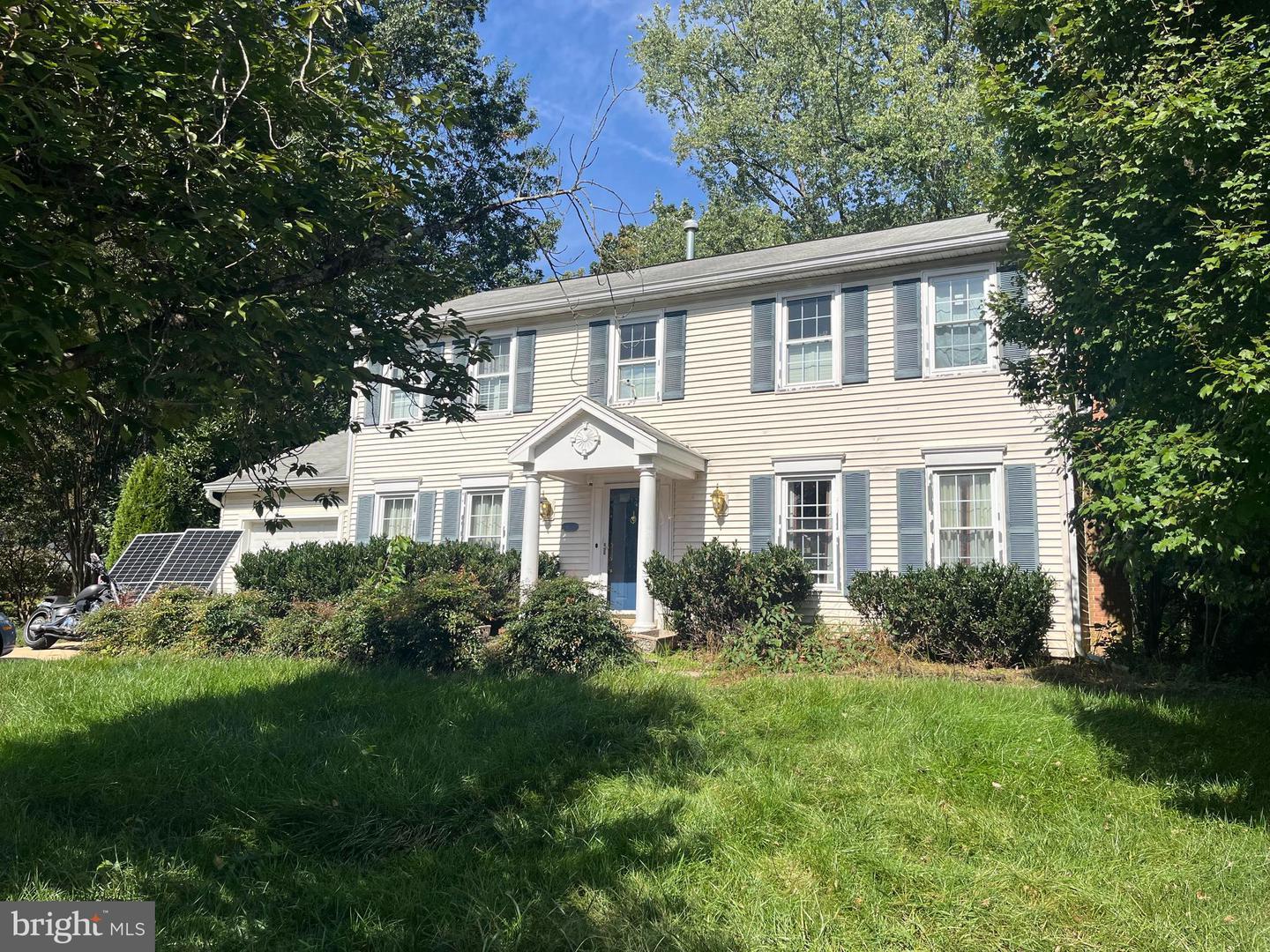
Quick answer Senior move management is the umbrella term for the professionals who help retirees declutter, sort belongings, organize an estate sale or consignment, hire long-distance movers, and physically transition out of a long-tenured home into a new one. For Northern Virginia retirees relocating out of state in 2026, the typical 6-month decluttering timeline involves a senior move manager (or professional organizer), an estate-sale company, charitable donation pickups, and a long-distance mover that specializes in retiree moves. David Mount maintains a network of vetted local providers and makes introductions without referral fees. Call (571) 946-8418 or email david.mount@thereduxgroup.com. For most Northern Virginia retirees, the financial part of selling and relocating is the easy part. The emotional and logistical part, sorting through 20 or 30 years of belongings, deciding what to keep, what to sell, what to donate, and what to throw out, is the part that derails timelines and creates family conflict. This guide covers what senior move management actually means, the typical 6-month decluttering timeline, the differences between estate sales / consignment / donation / outright sale, what professional organizers cost and when they're worth it, and how to handle the family-dynamics piece that's often harder than the logistics piece. What "senior move management" actually means "Senior move management" is the umbrella term for a coordinated set of services that help retirees physically and emotionally transition out of a long-tenured home. The core services typically include: Decluttering and sorting Floor-plan and furniture-fit planning Estate sale coordination or consignment Donation logistics Mover selection and supervision Set-up at destination The National Association of Senior Move Managers (NASMM) certifies providers; member firms generally meet certain professional standards. NoVA has a meaningful pool of NASMM-certified providers plus several established non-NASMM senior-move firms. The 6-month decluttering timeline Month 6 (6 months before move), Easiest categories first. Storage areas (basement, attic, garage, off-site storage). Old paperwork. Magazines and books. Clothes from 10+ years ago. Kitchen appliances you haven't used in 5 years. Month 5, Outdoor and seasonal. Holiday decorations you've outgrown. Yard equipment if you're moving to a condo or smaller property. Bicycles, sporting equipment. Month 4, Furniture decisions. Walk through the destination floor plan with a senior move manager. Identify which existing furniture fits and which doesn't. Decide on each piece: keep / sell / donate. Month 3, Estate sale or consignment prep. Identified-for-sale items photographed, priced, and prepared. Estate sale firms typically want 60 to 90 days lead time. Month 2, Family heirlooms and adult-children pickups. Items being passed to adult children or other family members are picked up or shipped. Month 1, Packing and final logistics. Movers booked. Packing begins. Final donation pickups. Estate sale held. Move week. Final pack, load, transit. Cleanup of the home after movers leave. Estate sales vs. consignment vs. donation: when each makes sense Estate sale An on-site sale (typically over 1 to 3 days) where the public comes to the home and buys items at marked prices. Best for: large volume of items to liquidate, mid-range value. Typical fee: 30 to 40% of gross sales. Net to homeowner often $5,000 to $25,000 depending on home contents. Consignment You bring select items to a consignment shop (furniture, jewelry, art, collectibles) and the shop sells them on commission. Best for smaller volume of higher-value items. Typical commission: 40 to 50%. Online sale (eBay, Facebook Marketplace, Craigslist) Higher net per item but requires homeowner labor. Best for specific high-value items where the convenience tradeoff makes sense. Charitable donation Habitat for Humanity ReStore, AMVETS, Salvation Army, Goodwill. Pickup services available. Tax receipt provided. Discard Bulk-trash service, dumpster rental, junk-removal service. Cost typically $300 to $1,500 depending on volume. Professional organizers: what they cost and when they're worth it NoVA professional organizers typically charge $75 to $150 per hour. A typical retiree-relocation engagement runs 40 to 80 hours of organizer time over 4 to 6 months, total cost $4,000 to $10,000. When they're worth it: when the homeowner is overwhelmed by the decision-making, when there's substantial volume to sort, or when family dynamics make the homeowner-only approach difficult. Movers who specialize in long-distance retiree moves Get 3+ in-home estimates. Online estimates from interstate movers are notoriously inaccurate. Verify USDOT licensing. All legitimate interstate movers have a USDOT number; check it on the FMCSA SAFER website. Read the binding-vs-non-binding estimate language. Most retirees prefer binding-not-to-exceed estimates. Insurance coverage. Standard movers' insurance covers $0.60 per pound. Full-replacement-value coverage is usually worth it. Storage option. Most reputable movers offer 30 to 90 day storage at origin or destination. Climate-sensitive items. Artwork, electronics, musical instruments may need specialty handling. Storage strategies for the in-between days Mover-managed storage. Typically $250 to $500/month for a NoVA-sized home volume. PODS-style portable containers. Lower cost than full-service storage; more labor on you. Self-storage at destination. Take a smaller move-load to your destination rental, store the rest at a self-storage facility nearby. Working with adult children: division of labor, family meetings Hold a family meeting early. Before any items are sorted, have a conversation about expectations. Use a list, not a memory. Items being given to adult children should be on a written list, signed by parent and child. Ship early when possible. Adult children far from NoVA should pick up or have items shipped 2 to 3 months before the move date. Respect the parent's pace. Decluttering is mentally exhausting and emotionally weighted for the homeowner. How to handle the emotional weight Make space for the moments. Walking through a home and remembering events is part of the process. Photograph rather than keep. A professional photographer can document the home and key memorabilia. Preserve the most meaningful, release the rest. The retrospective regret is almost always "I kept too much." Plan a goodbye walk-through. Many retirees value a final walk-through after the home is empty but before closing. About David Mount David Mount is a REALTOR® with The Redux Group of eXp Realty. With 12+ years and 200+ Northern Virginia transactions, David has worked with many retiree-relocators across NoVA's priority counties. He maintains a network of vetted senior move managers, professional organizers, estate-sale companies, and long-distance movers. Vendor introductions are made without referral fees. NVAR Top Producers Club Platinum Member (2024 and 2025) with 90+ five-star reviews. David grew up in Burke, Virginia and graduated from Lake Braddock Secondary School. Considering a NoVA retiree relocation and need vendor introductions? Call David at (571) 946-8418 or email david.mount@thereduxgroup.com. Frequently asked questions How much does a senior move manager cost in Northern Virginia in 2026? $75 to $150 per hour. A typical retiree-relocation engagement runs 40 to 80 hours over 4 to 6 months, totaling $4,000 to $10,000. Estate sale companies typically charge 30 to 40% of gross sales (no upfront fee). What's the difference between an estate sale and consignment? An estate sale is an on-site sale at the home where the public comes to buy. Consignment is bringing select items to a shop that sells them on commission. Estate sales handle larger volumes; consignment handles smaller volumes of higher-value items. How long does it take to declutter a 30-year home? Realistic timeline is 4 to 6 months working at a sustainable pace. Compressed timelines (2 to 3 months) are possible but more emotionally demanding. Are there charitable donation options that send a tax receipt? Yes: Habitat for Humanity ReStore, AMVETS, Salvation Army, Goodwill, and many local NoVA charities offer pickup services with tax receipts. What movers specialize in NoVA-to-Florida retiree moves? Several major interstate movers (Bekins, Atlas, Mayflower, United Van Lines, Allied) handle NoVA-to-FL routes. David maintains a network of vetted providers and makes introductions based on your specific destination, timeline, and budget. How do I handle a family member who wants to keep "everything"? Family meeting early, written list of items being given, picked up or shipped 2 to 3 months before the move date. Items not picked up by 30 days before the move date are released for estate sale, donation, or discard. Can I do this myself or do I really need help? Highly organized retirees with strong family support sometimes manage without professional help. For most long-tenured retirees, a senior move manager noticeably improves the experience and the timeline. Does David charge a fee to introduce me to vendors? No. Vendor introductions are made without referral fees so you get the best-fit provider for your situation rather than the highest-paying provider. Related articles Selling Your Northern Virginia Home to Retire: 2026 Cornerstone Guide Estate Sale Services in Northern Virginia How to Coordinate Selling Your Northern Virginia Home and Buying in Another State Downsizing in Northern Virginia: Empty Nester Guide
Read more
Quick answer There are three legitimate strategies for coordinating a Northern Virginia home sale with an out-of-state purchase: (1) sell first and rent in your destination state until you buy, (2) buy first using a HELOC or bridge loan and then sell, or (3) arrange simultaneous closings on both sides. The right choice depends on your equity, your risk tolerance, and how certain you are about your destination home. NoVA's quick-sale 2026 market generally favors sell-first or simultaneous-closing strategies. David Mount has 12+ years and 200+ Northern Virginia transactions and his workflow is set up for remote signing and dual-state coordination. Call (571) 946-8418 or email david.mount@thereduxgroup.com. The most common single question Northern Virginia retiree-relocators ask David: "How do I sell here and buy there at the same time without carrying two mortgages or being homeless between them?" The honest answer is that there are three legitimate strategies, each with tradeoffs, and the right choice depends on your equity, your risk tolerance, your destination-state market, and how certain you are about the specific home you want to buy. The 3 timing scenarios Scenario A: Sell first, rent in destination state, then buy How it works. List your NoVA home, close, move into a 6 to 12 month rental in your destination state, shop slowly with full local knowledge, then buy. Best for. Retirees with lower risk tolerance. Retirees who haven't fully committed to a specific destination metro. Pros. Lowest risk. Maximum cash on hand for the destination purchase. Avoids carrying two mortgages. Cons. Two moves. Rental cost in retirement metros typically runs $2,500 to $5,000/month. Scenario B: Buy first using HELOC or bridge loan, then sell How it works. Apply for a HELOC against your NoVA home equity. Use that to fund the destination purchase. Move into the destination home. List the NoVA home and close after the dust settles. Best for. Retirees with strong cash reserves or an existing HELOC. Retirees who've identified a specific destination home. Pros. Maximum control over the destination home. Single move. Cons. Higher cost. HELOC or bridge loan interest, potentially carrying two mortgages briefly. Scenario C: Simultaneous closings How it works. Both transactions close within the same week, ideally the same day. The equity from your NoVA sale wires to your destination escrow on time. Best for. NoVA homes in quick-sale submarkets where DOM is reliably 14 to 28 days. Pros. Single coordinated event. No double-payment carry. No interim rental. Cons. Requires close coordination between David and your destination-state buyer's agent on contract terms, contingencies, inspection-period timing, financing-contingency timing, and closing-date alignment. A real example of Scenario A: sold in one week, then bought in South Carolina (2022) Matt and Renee were not retirees, but their timeline was the same one every relocating seller faces. A job transition was taking them from Fairfax City to South Carolina, and they needed their Old Courthouse Square townhouse sold cleanly before committing to a purchase there. My role was the Virginia side of the move: pricing and preparing the townhouse, and working the listing timeline around the job start date so they were not carrying a Northern Virginia home from another state. Within one week on the market we ratified a full-price offer at $535,000 from a cash buyer. No financing contingency, no appraisal risk, and a closing date that fit their move. With the sale certain, my advice was to time the South Carolina purchase right behind it, so they shopped there knowing exactly what their Virginia equity was rather than guessing. Matt and Renee had bought that same home with me years earlier, off market, and they recorded a video testimonial about working together, which you can watch on my Fairfax home buyer guide. The lesson for anyone leaving Northern Virginia: a strong, fast sale here is what makes the purchase there simple. Get the Virginia side certain first, then buy with real numbers. Bridge loans, HELOCs, and contingency contracts HELOC Maximum loan amount typically 80 to 85% of your NoVA home's appraised value, minus existing mortgage balance. HELOC must be in place before you list the NoVA home; lenders won't extend HELOCs against homes that are already listed for sale. Bridge loan Short-term loan (typically 6 to 12 months) specifically structured for buy-before-sell transitions. Higher interest rates than HELOCs (typically 1 to 2 percentage points higher). Faster underwriting. Contingent purchase contracts You make an offer on the destination home contingent on the sale of your NoVA home. The contingency typically has a kickout clause: if the destination seller receives a non-contingent offer, you have 48 to 72 hours to remove the contingency or lose the contract. Leaseback / rent-back from your buyer You sell your NoVA home but negotiate the right to lease it back from your buyer for 30 to 60 days. Useful when your destination home is mid-construction. Coordinating with your destination-state REALTOR® David's process: initial introduction call between agents; shared timeline document tracking key milestones; weekly check-ins during contract phase; day-of-closing wire coordination. David partners with you to interview destination-state buyer's agents specifically on their coordination experience. The remote-signing / power-of-attorney workflow Most documents are e-signed via DocuSign. Some closing documents require notarization: remote online notarization (RON), mobile notary at your destination location, or limited power of attorney drafted by a Virginia real-estate attorney. POA needs 2 to 3 weeks of lead time. Storage, moving, and the in-between days Long-distance movers offer 30-60-90 day storage at $250 to $500/month. PODS portable storage is lower cost. The most common retiree advice: if you're going to put it in storage for 6 months and might not want it in the new home, sell or donate now. The retiree-specific risk: don't carry two mortgages The most common retiree-relocation regret: "We carried two mortgages for 5 months and burned through too much cash." If you're buying first, set a clear-eyed maximum carry duration in your financial plan, and be willing to drop the NoVA list price to hit it. The retiree-specific opportunity: leveraging Virginia equity to buy cash A meaningful share of NoVA retirees end up buying cash in their destination state. NoVA 2026 sale prices substantially exceed comparable destination-state pricing: a $1.2M Fairfax County home converts to a $625K Wilmington home with $400K+ remaining for retirement savings. About David Mount David Mount is a REALTOR® with The Redux Group of eXp Realty. With 12+ years and 200+ Northern Virginia transactions, David has coordinated many dual-state retiree-relocation transactions. NVAR Top Producers Club Platinum Member (2024 and 2025) with 90+ five-star reviews. David maintains a strong network of trusted REALTOR® connections in retirement destinations across Florida, the Carolinas, Tennessee, and Arizona. Considering a NoVA sale and out-of-state purchase coordination? Call David at (571) 946-8418 or email david.mount@thereduxgroup.com. Frequently asked questions Can I close on my Northern Virginia sale and my Florida purchase the same day? Yes, simultaneous closings are common when both sides are well-coordinated. Same-day or same-week closings work best when the NoVA home is in a quick-sale submarket. What's a leaseback (rent-back) and is it good for retiree sellers? A leaseback is when you sell your home but negotiate the right to lease it back from your buyer for 30 to 60 days. Useful when your destination home isn't quite ready. Should I get a bridge loan or use a HELOC? For most retirees with strong income or asset bases, a HELOC is the lower-cost option, but it must be in place before listing the NoVA home. Bridge loans are higher-cost but have faster underwriting. How does remote document signing work in 2026? Most documents are e-signed via DocuSign. Some closing documents require notarization: remote online notarization, mobile notary, or limited power of attorney. Should I sell my NoVA home first or list both at the same time? Almost always: get clarity on your destination home before listing your NoVA home. Should I sell my Northern Virginia home before I buy in the new state? For most relocating sellers, yes, or at least have the sale under a firm contract first. A certain sale tells you exactly how much equity you are taking with you and removes the risk of carrying two homes. In 2022 David sold a Fairfax City townhouse for relocating clients at full price to a cash buyer within one week on the market, which let them shop in South Carolina with real numbers rather than estimates. The exceptions are buyers with enough cash or HELOC capacity to buy first comfortably, covered in the scenarios above. Related articles Selling Your Northern Virginia Home to Retire: 2026 Cornerstone Guide Capital Gains Tax When Selling a Long-Held Northern Virginia Home: Section 121 Explained Selling Your Northern Virginia Home From Out of State Senior Move Management for Northern Virginia Retirees {"@context":"https://schema.org","@type":"FAQPage","mainEntity":[{"@type":"Question","name":"Can I close on my Northern Virginia sale and my Florida purchase the same day?","acceptedAnswer":{"@type":"Answer","text":"Yes, simultaneous closings are common when both sides are well-coordinated. Same-day or same-week closings work best when the NoVA home is in a quick-sale submarket."}},{"@type":"Question","name":"What's a leaseback (rent-back) and is it good for retiree sellers?","acceptedAnswer":{"@type":"Answer","text":"A leaseback is when you sell your home but negotiate the right to lease it back from your buyer for 30 to 60 days. Useful when your destination home isn't quite ready."}},{"@type":"Question","name":"Should I get a bridge loan or use a HELOC?","acceptedAnswer":{"@type":"Answer","text":"For most retirees with strong income or asset bases, a HELOC is the lower-cost option, but it must be in place before listing the NoVA home. Bridge loans are higher-cost but have faster underwriting."}},{"@type":"Question","name":"How does remote document signing work in 2026?","acceptedAnswer":{"@type":"Answer","text":"Most documents are e-signed via DocuSign. Some closing documents require notarization: remote online notarization, mobile notary, or limited power of attorney."}},{"@type":"Question","name":"Should I sell my NoVA home first or list both at the same time?","acceptedAnswer":{"@type":"Answer","text":"Almost always: get clarity on your destination home before listing your NoVA home."}},{"@type":"Question","name":"Should I sell my Northern Virginia home before I buy in the new state?","acceptedAnswer":{"@type":"Answer","text":"For most relocating sellers, yes, or at least have the sale under a firm contract first. A certain sale tells you exactly how much equity you are taking with you and removes the risk of carrying two homes. In 2022 David sold a Fairfax City townhouse for relocating clients at full price to a cash buyer within one week on the market, which let them shop in South Carolina with real numbers rather than estimates. The exceptions are buyers with enough cash or HELOC capacity to buy first comfortably, covered in the scenarios above."}}]}
Read more
Quick answer After Florida and North Carolina, the next-most-common retirement destinations for Northern Virginia retirees are South Carolina (Charleston, Hilton Head, Bluffton, Myrtle Beach), Tennessee (Knoxville, Nashville, Chattanooga, Sevier County, Franklin), and Arizona (Scottsdale, Tucson, Sun City, Mesa). Each state has different tax dynamics: SC taxes ordinary income at up to 6.4% but offers a generous retirement-income deduction; TN has no state income tax; AZ has a flat 2.5% income tax. NoVA 2026 sale prices typically allow comfortable purchases in any of these markets with cash left over. David Mount has 12+ years and 200+ NoVA transactions and a strong network of trusted REALTOR® connections across SC, TN, and AZ retirement destinations. Call (571) 946-8418 or email david.mount@thereduxgroup.com. Florida and North Carolina draw the largest shares of NoVA retiree relocations, but a meaningful and growing share of NoVA retirees choose other destinations: South Carolina for the lifestyle-and-climate combination of Lowcountry living, Tennessee for no-state-income-tax living plus a lower cost of living, and Arizona for the dry-climate change and golf-and-active-adult-community ecosystem. Each state offers a meaningfully different retirement experience and a distinct tax picture. This guide covers the most common SC, TN, and AZ destinations for NoVA retirees, the state-by-state tax snapshot, and the coordination logistics specific to longer-distance moves. South Carolina for NoVA retirees South Carolina has gained meaningful share of NoVA retiree volume over the past decade, driven by Charleston's cultural appeal, Hilton Head's mature retirement infrastructure, and Bluffton's emergence as a lower-cost alternative to Hilton Head with similar lifestyle. Charleston / Mt. Pleasant / Daniel Island / Kiawah The most common SC destination for higher-income NoVA retirees. Charleston proper for historic-character urban living. Mt. Pleasant for established suburban communities. Daniel Island for newer planned-community living with golf. Kiawah Island for upscale beach-and-golf living. Charleston has solid healthcare (MUSC) and a small but functional regional airport (CHS). Median single-family pricing in Mt. Pleasant runs roughly $700K, $1.0M in 2026; Charleston peninsula runs significantly higher; Daniel Island in the same upper range. Hilton Head / Bluffton / Sun City Hilton Head Hilton Head Island for upscale resort-community retirement living. Bluffton for similar lifestyle at lower cost. Sun City Hilton Head as a 55+ active-adult community with substantial NoVA retiree share. Median single-family pricing on Hilton Head Island runs roughly $750K, $1.4M; Bluffton substantially lower at $475K, $700K. Myrtle Beach / North Myrtle Beach / Conway Lower-cost SC coastal destination. Strong active-adult and 55+ community inventory. Healthcare via Tidelands Health and Conway Medical Center. Median single-family pricing in Myrtle Beach runs roughly $400K, $575K. Greenville / Spartanburg (upstate SC) Increasingly popular alternative for NoVA retirees who want SC living without coastal hurricane exposure. Greenville's downtown revitalization, Travelers Rest's small-town charm. Lower cost than Charleston or Hilton Head. Bon Secours / Prisma Health for healthcare. Median single-family pricing in Greenville runs roughly $400K, $600K. Tennessee for NoVA retirees Tennessee's no-state-income-tax status (since 2021) plus generally lower cost of living has made TN one of the fastest-growing retirement-destination states for NoVA retirees in 2024 to 2026. Knoxville / Farragut / Maryville The largest NoVA retiree-share TN destination. East Tennessee mountain proximity (Smokies, Cherokee National Forest, lakes). Strong UT-Knoxville-affiliated cultural scene. Healthcare via UT Medical Center. Knoxville airport (TYS). Median single-family pricing in Knoxville runs roughly $375K, $525K; Farragut and West Knox suburbs run higher; Maryville similar. Nashville / Franklin / Brentwood The high-end TN destination. Nashville proper for music-and-cultural retirees. Franklin and Brentwood for upscale suburban living. Healthcare via Vanderbilt and HCA. Nashville International (BNA). Median single-family pricing in Franklin and Brentwood runs roughly $750K, $1.2M; Nashville urban core varies widely. Chattanooga / Lookout Mountain / Signal Mountain The smaller, more outdoor-focused TN destination. Tennessee River, mountain access, low-cost living. Healthcare via Erlanger and CHI Memorial. Chattanooga airport (CHA). Median single-family pricing in Chattanooga runs roughly $350K, $500K; Lookout Mountain and Signal Mountain run higher. Sevier County (Pigeon Forge / Gatlinburg / Sevierville) Smoky Mountains gateway. More common as a second-home or retirement-with-rental-income strategy. Many NoVA retirees keep a Knoxville-area primary residence and a Sevier County mountain cabin for personal use plus short-term rental income. Arizona for NoVA retirees Arizona's dry climate, mature 55+ community ecosystem, and lower cost of living continue to draw NoVA retirees seeking a meaningful climate change. AZ has a flat 2.5% state income tax. Property taxes vary by county but are generally moderate. Scottsdale / Phoenix / Paradise Valley The high-end AZ destination. Scottsdale for upscale resort-style retirement living. Paradise Valley for the highest-end. Strong healthcare (Mayo Clinic Phoenix, HonorHealth, Banner). Phoenix Sky Harbor (PHX) for direct flights. Median single-family pricing in Scottsdale runs roughly $700K, $1.4M; Paradise Valley substantially higher. Sun City / Sun City West / Sun City Grand The original active-adult-community concept. Northwest Phoenix metro. Substantial NoVA-retiree share. Lower cost of living than Scottsdale. Median single-family pricing in Sun City runs roughly $375K, $525K. Tucson / Oro Valley / Green Valley The lower-cost AZ destination. Tucson proper for desert-and-mountain living plus University of Arizona cultural access. Oro Valley for upscale planned-community living. Green Valley for 55+ active-adult focus. Healthcare via Banner Health and Tucson Medical Center. Tucson airport (TUS). Median single-family pricing in Tucson runs roughly $375K, $500K. Mesa / Gilbert / Chandler (East Valley) Phoenix metro East Valley for retirees who want metro access without Scottsdale pricing. Strong healthcare ecosystem. Mature 55+ community inventory. Median single-family pricing in Mesa runs roughly $450K, $575K. State-by-state tax snapshot South Carolina tax State income tax: graduated up to 6.4% in 2026 (recently reduced from 7%). Retirement income deduction: SC residents over 65 receive up to a $15,000 deduction on retirement income (per spouse). Property tax: typically 0.5%, 0.7% of fair market value, with primary-residence assessment ratio of 4%. No estate tax. No inheritance tax. Tennessee tax State income tax: none (Hall Tax fully phased out in 2021). Sales tax: among the highest in the country (9 to 10% combined state and local in most metros). Property tax: typically 0.6%, 0.9% of assessed value. No estate tax. No inheritance tax. Arizona tax State income tax: flat 2.5% as of 2023. Social Security: not taxed. Property tax: typically 0.5%, 0.75% of assessed value. No estate tax. No inheritance tax. Coordinating sale + multi-day move logistics Cross-country moves (especially to Arizona) require more logistical planning than the East-coast destinations. Long-distance movers must be booked further in advance. Driving a vehicle vs. shipping it. Auto-shipping costs to AZ. Climate-controlled storage if needed for the in-between days. For full coordination playbook applicable to any destination state, see How to Coordinate Selling Your Northern Virginia Home and Buying in Another State. Capital-gains and tax-residency considerations The Section 121 federal exclusion ($250K single / $500K married) applies regardless of state residency at sale. Virginia state tax (5.75%) applies to gain above the federal exclusion if you're a Virginia resident at sale. If you're moving to TN (no income tax) or AZ (2.5% flat), establishing residency before the NoVA sale can save state tax on gain above the federal exclusion. SC's 6.4% top rate is higher than VA's 5.75%, so SC residency-shift before sale may not be advantageous on the gain itself. Always work with a CPA on residency-shift timing. Sellers who left Northern Virginia with a clean closing behind them Two recent examples of long-distance retirement moves. Every one of these sellers left with the Virginia sale fully handled so they could focus on the move. Destinations vary; the playbook is the same. Mike and Vickie F., Briarwood (Fairfax) to West Virginia, 2025 Mike, who goes by "Chief," and Vickie sold their Briarwood home in March 2025 and moved to West Virginia. Mike's review called it "unmatched service" and noted that I have "landed my family and friends into the homes of their dreams." A relocation sale works best when the seller can focus on the move and trust that the Virginia side is handled completely. The Frigaults' Briarwood home, sold March 2025. Kay and Chuck D., Ashburn Village (Loudoun County) to Missouri, 2022 Kay and Chuck sold their single-family home in Ashburn Village in 2022 and moved to Missouri. Chuck's Zillow review: "Having someone of integrity assisting us with this huge effort made the process much less daunting." That is the whole job on a long-distance retirement move: make the huge effort feel manageable. About David Mount David Mount is a REALTOR® with The Redux Group of eXp Realty. With 12+ years and 200+ Northern Virginia transactions, David's practice is set up for the remote document signing, multi-state coordination, and decades-of-belongings logistics that retirement relocation requires. NVAR Top Producers Club Platinum Member (2024 and 2025) with 90+ five-star reviews. David maintains a strong network of trusted REALTOR® connections across SC, TN, and AZ retirement destinations. Considering a NoVA-to-SC, TN, or AZ retiree relocation? Call David at (571) 946-8418 or email david.mount@thereduxgroup.com. Frequently asked questions Why are NoVA retirees increasingly moving to Tennessee? The combination of no state income tax, lower cost of living than NoVA, proximity to family in DC (8 to 10 hour drive), and the lifestyle range from urban Nashville to mountain Knoxville to riverside Chattanooga has made TN one of the fastest-growing retirement destinations for NoVA retirees in 2024 to 2026. Does South Carolina or Tennessee have better retirement-tax treatment? For most retirees, Tennessee, because TN has no state income tax at all. SC has a 6.4% top rate offset by a generous retirement-income deduction, but TN's zero is generally simpler and more favorable for higher-income retirees. What does a Scottsdale lifestyle cost compared to Fairfax County? Roughly comparable to Fairfax County on a housing basis ($800K Scottsdale equivalent to $1.2M Fairfax County in cost terms after adjusting for size and amenities). Lower property taxes and substantially lower state income tax (2.5% vs. 5.75%) push the overall annual cost of living below Fairfax County by 10 to 20% for most retirees. Is Hilton Head's hurricane risk worth the lifestyle? Hilton Head's hurricane exposure is real but materially lower than peninsular Florida. The island has hardened building standards. For NoVA retirees prioritizing coastal living plus mature retirement infrastructure, Hilton Head and Bluffton are strong choices despite the hurricane factor. How do I coordinate a NoVA sale with a Knoxville purchase? Knoxville's slower-DOM market (typically 30 to 60 days) gives more coordination time than Asheville. A common pattern: Knoxville house identified in March, NoVA listing live in April, NoVA closes in May, Knoxville closes 2 to 4 weeks later. Should I rent in Charleston before buying? For most NoVA-to-Charleston retirees, yes. Charleston's microclimates and submarket pricing diverge meaningfully. A 6-month rental gives you summer-season trial plus neighborhood-level local knowledge before committing. Do you have REALTOR® partners in SC, TN, and AZ? David maintains a strong network of trusted REALTOR® connections across SC (Charleston, Hilton Head, Bluffton, Myrtle Beach, Greenville), TN (Knoxville, Nashville, Franklin, Chattanooga), and AZ (Scottsdale, Phoenix metro, Tucson, Sun City). Is there a tax advantage to closing on my NoVA sale before establishing residency in my new state? Generally not, the Section 121 federal exclusion shields the first $250K (single) / $500K (married) of gain regardless of state. For gain above the exclusion, the answer depends on the destination state. Always work with a CPA. Can I sell my NoVA home after I've moved cross-country? Yes. The Section 121 capital-gains exclusion has a 3-year clock from when you stop using the NoVA home as your primary residence. Related articles Selling Your Northern Virginia Home to Retire: 2026 Cornerstone Guide Capital Gains Tax When Selling a Long-Held Northern Virginia Home: Section 121 Explained How to Coordinate Selling Your Northern Virginia Home and Buying in Another State Moving from Northern Virginia to Florida in Retirement Moving from Northern Virginia to North Carolina in Retirement
Read more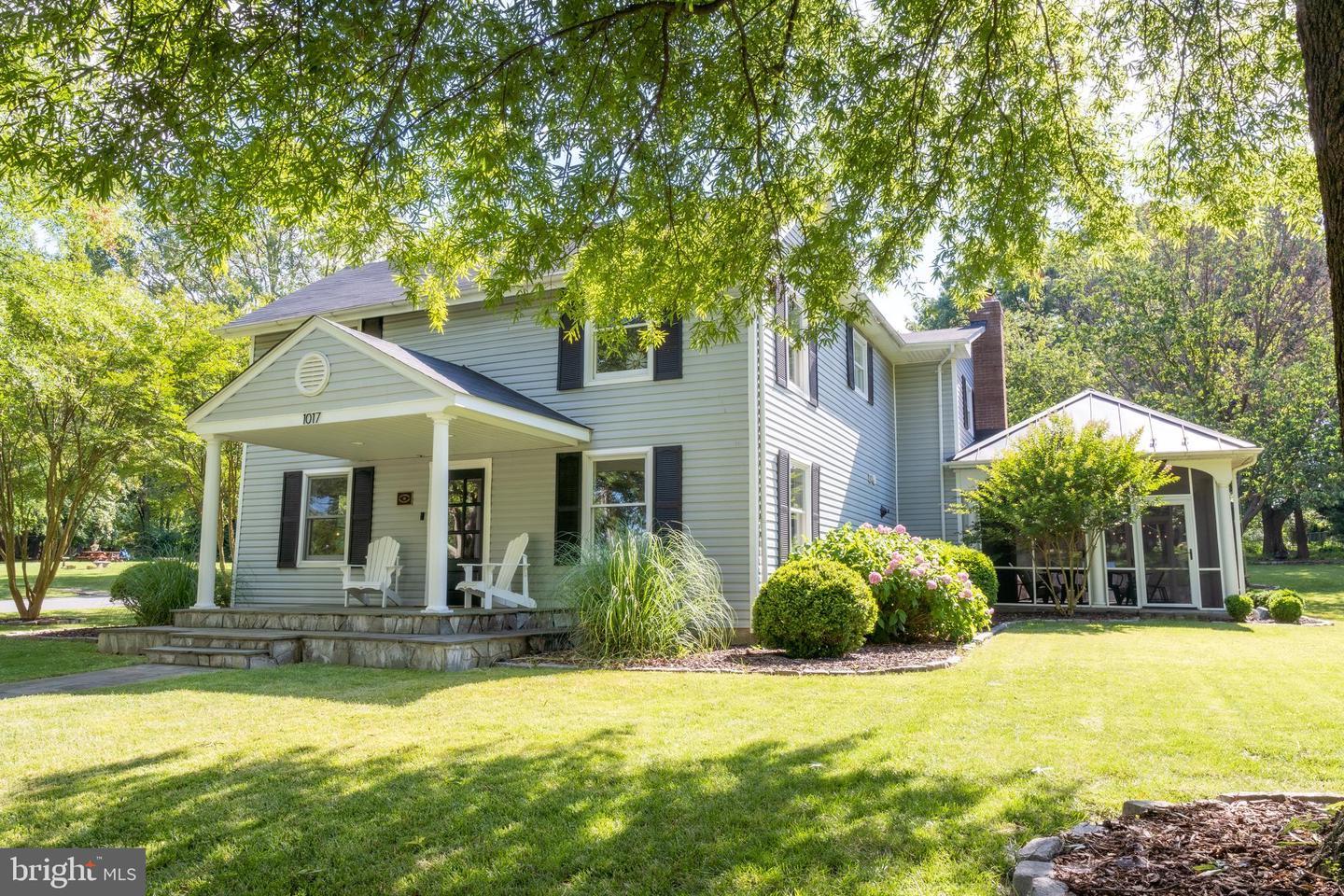
Quick answer North Carolina is the second-most-common retirement destination for Northern Virginia retirees, with Wilmington / Carolina Beach (coastal), Asheville / Hendersonville (mountain), Charlotte / Lake Norman (urban-suburban), and Raleigh / Durham / Chapel Hill (research triangle) drawing the largest shares. NC has a flat 4.25% state income tax (lower than Virginia's 5.75% top rate), generally lower property taxes than NoVA, and no estate tax. Northern Virginia 2026 home prices typically allow NoVA retirees to buy NC equivalents with significant cash left over for retirement savings. David Mount has 12+ years and 200+ NoVA transactions and a strong network of trusted REALTOR® connections across NC's major retirement destinations. Call (571) 946-8418 or email david.mount@thereduxgroup.com. North Carolina has steadily climbed up the destination list for Northern Virginia retirees over the past decade, and 2026 marks one of the strongest years yet for NoVA-to-NC retiree relocations. The combination of lower state income tax than Virginia, generally lower property taxes than NoVA, a wider lifestyle range than Florida (mountains, coast, urban, suburban, college towns), and proximity that lets retirees stay within a half-day's drive of children/grandchildren in DC has made NC a particularly versatile retirement choice. This guide walks through the most common NC destinations for NoVA retirees, the cost-of-living and tax math relative to Northern Virginia, the timing playbook for coordinating a Northern Virginia sale with an NC purchase, and the most common mistakes NoVA-to-NC retirees make. Why NoVA retirees pick North Carolina Lower state income tax. NC's flat state income tax rate is 4.25% in 2026, scheduled to decline further over the coming years. Virginia's top rate is 5.75%. The roughly 1.5-percentage-point difference produces several thousand dollars per year of savings for typical retirement-income households. Generally lower property taxes than NoVA. NC effective property tax rates vary by county but typically run 0.5%, 0.9%. NoVA effective rates run 1.0%, 1.15%. On a $600K NC primary residence vs. a $1.2M NoVA primary residence, NC property tax bills are typically 50 to 60% lower in absolute dollars. Lifestyle range. Mountains (Asheville, Hendersonville, Brevard, Highlands). Coast (Wilmington, Wrightsville Beach, Carolina Beach, Outer Banks). Urban/suburban (Charlotte, Lake Norman, Davidson, Raleigh, Cary). College towns (Chapel Hill, Durham). The range is broader than Florida's, which helps NoVA retirees match destination to lifestyle preference. Proximity. Asheville is roughly 7 hours from NoVA. Charlotte is roughly 6 hours. Wilmington and Raleigh are roughly 5 hours. This compares favorably to Florida (12 to 18 hours), Tennessee (8 to 10 hours), or Arizona (cross-country flight). NC's proximity matters for retirees who plan to drive back to NoVA frequently for family visits, doctors, or short stays. No estate tax. NC repealed its estate tax in 2013. Virginia also has no estate tax, so this isn't a differentiator vs. VA. Strong specialty healthcare. Duke and UNC Health in the Triangle, Atrium Health and Novant in Charlotte, Mission Health in Asheville, New Hanover Regional in Wilmington. Across NC's major retirement metros, healthcare access is strong. North Carolina property tax + retirement income tax basics for relocating Virginians NC retirement income taxation: Social Security: not taxed. 401(k) and IRA distributions: taxed at the flat 4.25% rate. Pensions (federal civilian, military, state): some Bailey Settlement exceptions for certain pre-1989 employees; otherwise taxed at 4.25%. Investment income: taxed at 4.25%. Capital gains: taxed as ordinary income at 4.25%. For NoVA retirees, the relevant comparison is Virginia's 5.75% top rate vs. NC's flat 4.25%. The differential lifts after-tax retirement income noticeably for higher-income households. Bailey Settlement note Some federal civilian retirees with at least 5 years of NC-eligible service before August 12, 1989 may qualify for the Bailey Settlement exclusion, which exempts certain government pension income from NC tax entirely. This is a narrow exception with specific eligibility rules; ask your CPA whether it applies to your situation. Where NoVA retirees move in NC Wilmington / Carolina Beach / Wrightsville Beach The most common coastal NC destination for NoVA retirees. Wilmington proper for arts, dining, and historic-character buyers. Carolina Beach for relaxed, lower-cost coastal living. Wrightsville Beach for upscale beach-community living. Wilmington has solid healthcare (New Hanover Regional, now affiliated with Novant) and a small but functional regional airport (ILM) for travel back to DC. Median single-family pricing in Wilmington proper runs roughly $475K, $650K in 2026, with Wrightsville Beach substantially higher. Asheville / Hendersonville / Brevard (mountains) The dominant mountain destination for NoVA retirees. Asheville proper for arts, breweries, walkability, and a strong cultural scene. Hendersonville for slower-paced Blue Ridge living. Brevard for music-lovers (Brevard Music Festival) and proximity to Pisgah National Forest. Asheville Regional Airport (AVL) connects to major hubs. Mission Health is a strong regional system. Median single-family pricing in Asheville proper runs roughly $475K, $700K in 2026; Hendersonville and Brevard are typically lower. Charlotte / Lake Norman / Davidson The largest urban NC destination. Charlotte proper for retirees prioritizing major airport access (Charlotte Douglas, CLT, with direct flights to most US cities), dining, professional sports, and the South End / Uptown urban scene. Lake Norman / Cornelius / Davidson / Mooresville for golf-and-lake-living retirees. Charlotte's healthcare via Atrium Health and Novant is strong. Median single-family pricing in Charlotte proper runs roughly $500K, $750K; Lake Norman and Davidson run higher. Raleigh / Durham / Chapel Hill (Research Triangle) The intellectual-and-medical destination. Raleigh proper for state-government and broader urban living. Cary for upscale suburban planned-community living. Durham for Duke-affiliated retirees and an emerging arts/dining scene. Chapel Hill for UNC-affiliated retirees and college-town living. The Triangle has unmatched healthcare (Duke, UNC) and direct flights from RDU to most major cities. Median single-family pricing in Raleigh proper runs roughly $450K, $650K; Cary and Chapel Hill run higher. Outer Banks for second-home or relocate-and-rent strategies Less common as a primary-residence destination but meaningful as a retirement strategy: keep a year-round home in Raleigh, Wilmington, or Charlotte, plus a beach property in the OBX (Duck, Corolla, Nags Head, Hatteras) for summer use and short-term rental income. Coordinating your NoVA sale with your NC purchase NC's slower seller-market pace compared to NoVA in 2026 means coordination requires more planning. The three timing scenarios, sell first and rent in NC, buy first using HELOC/bridge, or simultaneous closings, all work, with sell-first-and-rent being the most common preference. For full coordination playbook, see How to Coordinate Selling Your Northern Virginia Home and Buying in Another State. North Carolina seller's market context: how it differs from NoVA in 2026 NC's 2026 market is cooler than NoVA's. DOM in NC retirement metros typically runs 30 to 60 days, vs. 14 to 30 in most NoVA submarkets. Buyer pools are smaller and more local. Pricing negotiation room is greater, a NC home listed at $625K may sell for $605K, where the same dynamic in NoVA would have produced multiple offers above ask. For NoVA retirees, this differential market timing creates an opportunity. Your NoVA home likely sells fast at full ask, giving you cash and time. Your NC purchase has more negotiating room than it did in 2021 to 2022. Capital-gains and tax-residency considerations The Section 121 federal exclusion ($250K single / $500K married) applies regardless of state residency at sale. Virginia state tax (5.75%) applies to gain above the federal exclusion if you're a Virginia resident at sale. NC state tax (4.25%) would apply if you're an NC resident at sale. For most NoVA retirees with married-filing-jointly status, the Section 121 federal exclusion shields all or most of the gain. For high-equity sellers (Arlington, McLean, Old Town Alexandria, Great Falls), residency-shift timing can save several thousand dollars by establishing NC residency before sale, since 4.25% NC vs. 5.75% VA on the taxable portion is a meaningful difference. Always work with a CPA. Common NoVA-to-NC retiree-move mistakes Underestimating the Asheville housing-market constraint. Asheville has limited buildable land due to mountain topography. Inventory is genuinely tight, particularly in Asheville proper. Casual visitors expect to find a home in 60 days; the reality often runs 90 to 180 days. Skipping the climate trial. NC mountain summers are mild but winters can be cold and occasionally snowy. NC coast summers are hot and humid. Spending a summer or winter trial in your destination metro before buying is wise. Buying in Charlotte expecting it to feel like NoVA. Charlotte is a smaller, more spread-out metro with car-dependent sprawl. Retirees who want walkability should focus on South End, Uptown, Plaza Midwood, or Davidson, not the broader Charlotte sprawl. Not planning for tax-residency boundaries. Closing on the NoVA sale December 28 and moving January 4 can create dual-residency complications. Not interviewing the NC buyer's agent. A Charlotte agent and an Asheville agent and a Wilmington agent all work different markets. David partners with you to interview and select the right NC agent. Retiring military sellers I have represented The North Carolina move is one of the most common ones I see, and the sale side looks the same wherever you are headed. Every one of these sellers left with the Virginia sale fully handled so they could focus on the move. Destinations vary; the playbook is the same. Greg L., Dumfries (Prince William County) to Utah Greg and his family were relocating back home to Utah after a military career and asked me to list their 5-bedroom, 4-bath, 3,000-plus square foot home in the Country Club Lake section of Montclair, Dumfries, in 2026. A social media campaign built around the house's real secret passageway drew more than 16 million views, the home went under contract after 30 days on market, and it closed at $720,000 with a $25,000 seller subsidy and no inspection repairs. Greg's review: "completely honest, forthright, and straightforward with us." Military retirees have usually moved many times; what they want is an agent who tells them the truth about price and timing and then executes. Tom W., Rosemont (Alexandria City) to Hawaii, 2025 Tom, a retiring military veteran, sold his townhouse in the historic Rosemont neighborhood of Alexandria in early 2025 before moving to Hawaii. In his words, we sold it "quickly at more than the listing price." Rosemont buyers pay for walkability and history, and pricing to that demand is what produced the over-list result. About David Mount David Mount is a REALTOR® with The Redux Group of eXp Realty. With 12+ years and 200+ Northern Virginia transactions, David's practice is set up for the remote document signing, multi-state coordination, and decades-of-belongings logistics that retirement relocation requires. NVAR Top Producers Club Platinum Member (2024 and 2025) with 90+ five-star reviews. David maintains a strong network of trusted REALTOR® connections across NC's major retirement metros, Wilmington, Asheville, Charlotte, Raleigh / Durham / Chapel Hill, and the Outer Banks. Considering a NoVA-to-NC retiree relocation? Call David at (571) 946-8418 or email david.mount@thereduxgroup.com. Frequently asked questions How does North Carolina's retirement income tax compare to Virginia's? NC's flat state income tax is 4.25% in 2026 (and trending down). Virginia's top rate is 5.75%. NC doesn't tax Social Security; Virginia doesn't either. Both states tax 401(k) and IRA distributions, pensions, and investment income at their respective rates. When should I sell my NoVA home if I'm moving to Asheville? Asheville's tight inventory means starting the destination-state shopping process before listing your NoVA home is often wise, you may need 3 to 6 months of Asheville shopping. NoVA listing timing typically follows: spring/early summer is the strongest seller season. How do I coordinate a Wilmington purchase with a NoVA closing? Wilmington's slower DOM (45 to 75 days typically) gives more time for coordination than Asheville. A common pattern: identify Wilmington home in March, NoVA listing goes live in April, NoVA closes in May, Wilmington closes 2 to 4 weeks later. What's the cost-of-living difference moving from Loudoun to Charlotte? Roughly 20 to 30% cost-of-living reduction depending on your housing footprint. The biggest single factor is housing, Charlotte's median single-family is roughly half of Loudoun's. State income tax savings (1.5 percentage points) and property tax savings add to the differential. Is Asheville's market harder to time than Charlotte's? Yes. Asheville has tighter inventory and longer typical buyer-search timelines. Charlotte has substantially more inventory, more comp data, and more predictable DOM. Should I sell my Fairfax County home before I close on my NC home? For most retirees, yes, sell first, rent in NC for 3 to 6 months, then buy with full local knowledge and your NoVA cash in hand. Do you have NC REALTOR® partners in Wilmington, Asheville, Charlotte, and Raleigh? David maintains a strong network of trusted REALTOR® connections across NC's major retirement destinations. As part of his retirement-relocation engagement, David partners with you to interview and select the right NC buyer's agent. What's the property tax difference Fairfax County vs. Mecklenburg County (Charlotte)? Fairfax County's 2026 effective real-estate tax rate is roughly 1.11%. Mecklenburg County's effective rate is roughly 0.95%. Can I sell my NoVA home after I've already moved to NC? Yes. The Section 121 capital-gains exclusion has a 3-year clock from when you stop using the NoVA home as your primary residence. David's workflow is set up for remote sales. Related articles Selling Your Northern Virginia Home to Retire: 2026 Cornerstone Guide Capital Gains Tax When Selling a Long-Held Northern Virginia Home: Section 121 Explained How to Coordinate Selling Your Northern Virginia Home and Buying in Another State Moving from Northern Virginia to Florida in Retirement Moving from Northern Virginia to South Carolina, Tennessee, or Arizona
Read more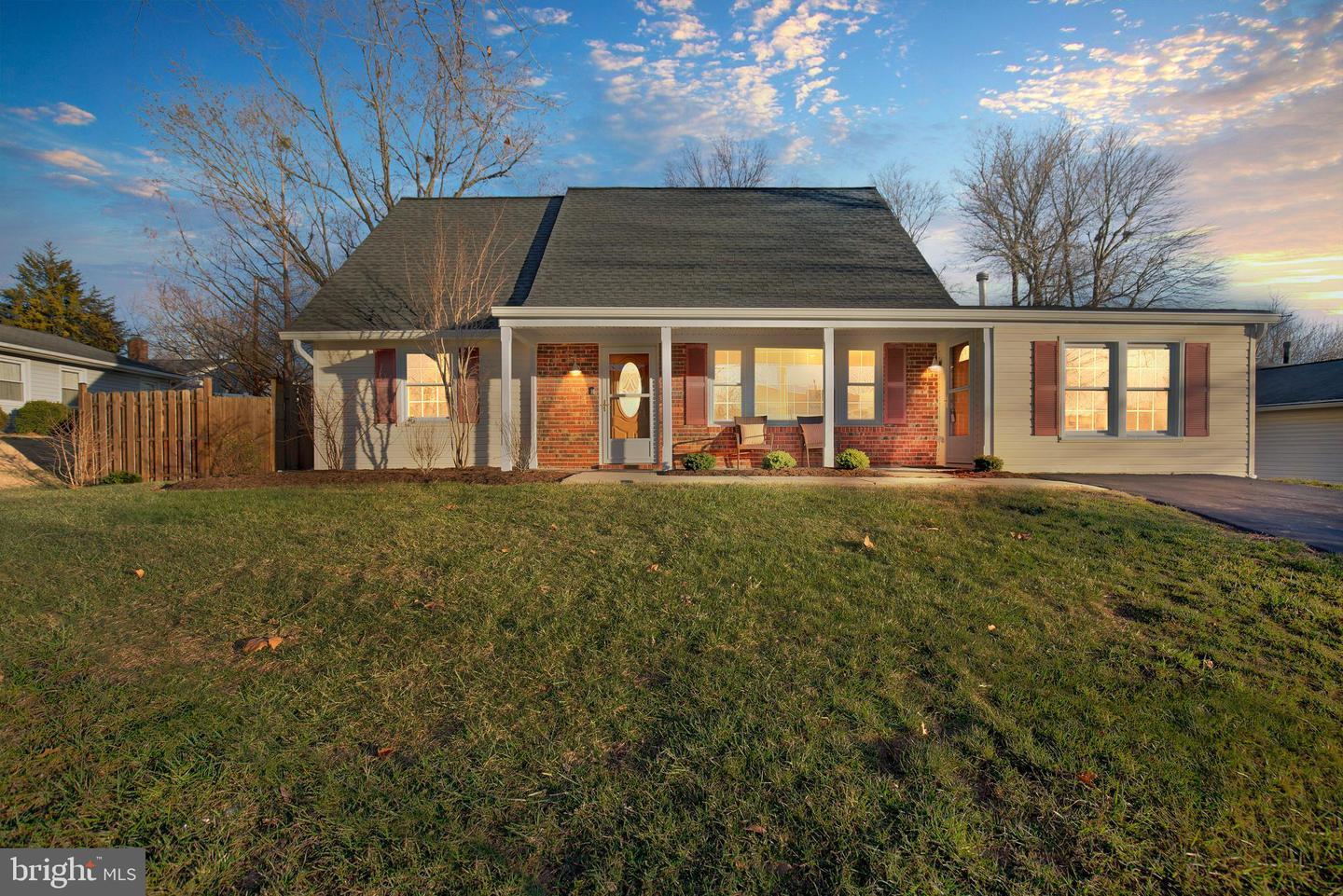
Quick answer Florida is the most common retirement destination for Northern Virginia retirees, with Tampa Bay, Sarasota / Bradenton / Lakewood Ranch, Naples / Bonita Springs / Estero, The Villages, and Jacksonville drawing the largest shares. Florida has no state income tax, a strong homestead exemption, and substantially lower property taxes than NoVA, but hurricane-zone insurance is the offsetting consideration. NoVA homes sell quickly, giving you a manageable window to close on Florida. David Mount has 12+ years and 200+ NoVA transactions and a strong network of trusted REALTOR® connections in Florida, David partners with you to interview and select the right Florida buyer's agent. Call (571) 946-8418 or email david.mount@thereduxgroup.com. Florida has been the dominant retirement destination for Northern Virginia homeowners for decades, and 2026 is no exception. The combination of no state income tax, the strongest homestead exemption in the country, year-round warmth, and a mature retirement infrastructure keeps Florida at the top of the destination list for NoVA retirees relocating from Arlington, Alexandria, Fairfax County, Loudoun County, and Prince William County. This guide walks through the most common Florida destinations for NoVA retirees, the cost-of-living and tax math relative to Northern Virginia, the timing playbook for coordinating a Northern Virginia sale with a Florida purchase, and the most common mistakes NoVA-to-Florida retirees make. The tax content is general; always work with a qualified CPA on residency-shift planning. Why NoVA retirees pick Florida No state income tax. Florida is one of nine states with no state income tax. Virginia taxes ordinary income at up to 5.75% in 2026, which means the gross-income difference for a $150,000 retirement-income household relocating from Virginia to Florida is roughly $8,600 per year. Strong homestead exemption. Florida's homestead exemption ($25K basic + $25K for certain assessment levels) reduces taxable assessed value, and the Save Our Homes provision caps annual assessment increases at 3% for primary residences. For long-tenured Florida residents, this can produce dramatic property-tax savings over time. Lower property taxes than NoVA. Florida property tax rates vary by county but typically run 0.7%, 1.1% of assessed value, often combined with a homestead exemption that further lowers the effective rate. NoVA effective rates run roughly 1.0%, 1.15%. On a $700K Florida primary residence vs. a $1.2M NoVA primary residence, the difference is several thousand dollars per year. Climate and lifestyle. Year-round outdoor activity. Active-adult communities. Strong specialized healthcare (Mayo Clinic Jacksonville, Moffitt Cancer Center Tampa, Cleveland Clinic Florida). Mature retirement infrastructure. The Villages alone has over 145,000 residents organized into one of the most developed active-adult communities in the country. Sarasota / Lakewood Ranch, Naples / Bonita Springs, and dozens of other Florida communities have similar (smaller) infrastructure designed specifically for relocating retirees. The Florida tax considerations for relocating Virginians Establishing Florida residency for tax purposes requires more than just buying a Florida home, it requires demonstrating Florida is your primary residence. The standard markers: Florida driver's license Florida vehicle registration Florida voter registration Florida primary-residence designation on your home Florida homestead exemption filed More than 183 days physically present in Florida per tax year Banking and major financial relationships shifted to Florida Estate-planning documents updated under Florida law If you sell your NoVA home and close before establishing Florida residency for that tax year, the home-sale gain falls under Virginia's tax jurisdiction (5.75% on amounts above the Section 121 federal exclusion). If you sell after establishing Florida residency, the analysis is more nuanced, Virginia may still tax part-year residency income, but Florida won't. Always work with a CPA on residency-shift timing. The single biggest residency-timing mistake: closing on the NoVA sale on December 28, then physically moving on January 4. Both Virginia and Florida may try to claim residency for that tax year. Aligning the closing date and the move-date with a clean tax-year boundary usually resolves this cleanly. Where NoVA retirees actually move in Florida Tampa Bay (St. Petersburg, Clearwater, Wesley Chapel, Brandon, Sarasota) The most common destination metro for NoVA retirees. St. Petersburg's downtown waterfront and Clearwater Beach for active retirees who want walkable urban-coastal living. Wesley Chapel and Brandon for golf-course / planned-community living. Tampa proper for retirees who want sports, dining, and proximity to adult children. Tampa Bay also has Tampa International Airport with direct DC-area flights, which simplifies family visits. Sarasota / Bradenton / Lakewood Ranch The fastest-growing destination for NoVA retirees over the past decade. Sarasota proper for arts-and-culture-oriented retirees. Lakewood Ranch as one of the most heavily-marketed master-planned communities in Florida. Siesta Key beach access from any Sarasota neighborhood. Strong specialty healthcare. Tampa airport reachable in 60 to 80 minutes. Naples / Bonita Springs / Estero Higher-income retirement destination. Pelican Bay, Lely Resort, Naples Bay Resort, and dozens of country-club communities. The most expensive Florida retirement metro on a per-square-foot basis. Strong arts and dining scenes. Healthcare via Naples Community Hospital. Fort Myers / Southwest Florida airport (RSW) for flights. The Villages and other inland 55+ communities The Villages is its own category, over 145,000 residents in a meticulously-designed active-adult community spanning three counties. 50+ golf courses, 100+ restaurants, organized social structure. NoVA retirees moving to The Villages typically want the social structure and don't want or need beach access. Other inland 55+ communities (On Top of the World in Ocala, Solivita in Poinciana, Sun City Center near Tampa) draw smaller but meaningful NoVA volumes. Jacksonville and Atlantic coast (Ponte Vedra, Amelia Island, St. Augustine) Less common than Tampa Bay or Naples but growing share. Ponte Vedra and Amelia Island for upscale beach-community retirees. Jacksonville proper for retirees prioritizing healthcare (Mayo Clinic) or proximity to family. St. Augustine for historic-character retirees. Coordinating your NoVA sale with your Florida purchase: 3 timing scenarios The most common timing question for NoVA-to-Florida retirees is: how do I close on both transactions without carrying two mortgages or being homeless between them? Scenario A: Sell first, rent in Florida, then buy. Lowest risk, most common preference. List your NoVA home, close, move into a 6 to 12 month Florida rental, shop slowly with full local knowledge. Scenario B: Buy first using HELOC or bridge loan, then sell. Higher cost. You secure the Florida home first, move in, then list your NoVA home. Carrying two payments for 30 to 90 days. Best for retirees with strong cash reserves or an existing HELOC. Scenario C: Simultaneous closings. Most common preference but trickiest to execute. Both transactions close within the same week, ideally the same day. Requires close communication between David and your Florida buyer's agent on contract terms, contingencies, and closing dates. For full coordination playbook, see How to Coordinate Selling Your Northern Virginia Home and Buying in Another State. Florida buyer's market vs. NoVA seller's market: what 2026 looks like Northern Virginia continues to favor sellers, tight inventory, 14 to 30 day DOM on most properly-priced listings, often multiple offers. Florida is more mixed, some retirement metros (The Villages, parts of Sarasota) remain seller-favorable; others (Naples high-end, parts of South Florida condo) have softened with longer DOM and price negotiation room. For NoVA-to-Florida retirees, the differential market timing creates an opportunity: your NoVA home likely sells quickly and at full ask, giving you cash and time. Your Florida purchase has more negotiating room than it did in 2021 to 2023. Capital-gains and Virginia-to-Florida tax-residency considerations The Section 121 federal exclusion ($250K single / $500K married) applies regardless of state residency at sale. Virginia state tax (5.75%) applies to the portion of gain above the federal exclusion if you're a Virginia resident at sale. Florida has no state income tax on the sale. For most NoVA retirees with married-filing-jointly status, the Section 121 exclusion shields all or most of the gain. For Arlington, Old Town Alexandria, McLean, and Great Falls sellers with truly extraordinary appreciation, residency-shift timing can save tens of thousands of dollars in Virginia tax. Always work with a CPA. For full Section 121 detail, see Capital Gains Tax When Selling a Long-Held Northern Virginia Home: The Section 121 Exclusion Explained. Common NoVA-to-Florida retiree-move mistakes Underestimating Florida hurricane-zone insurance. Insurance premiums in coastal Florida have risen sharply since 2020. A $700K Naples or Sarasota home might carry $4,000, $8,000+ per year in insurance, vs. $1,500, $2,500 for the same home value in NoVA. Inland Florida has lower insurance burden. Buying in Florida before visiting in summer. NoVA retirees often visit Florida in winter when the weather is ideal. Florida summer is genuinely demanding, humid, hot, with substantial afternoon thunderstorms. A trial summer visit before buying is wise. Skipping the Florida-residency timing analysis. Closing on the NoVA sale at the wrong tax-year boundary can cost meaningful state tax. Work with a CPA before the listing date. Not interviewing the Florida buyer's agent. A Florida agent who isn't familiar with NoVA-buyer expectations can miss what matters to you. David partners with you to interview and select the right Florida agent. Assuming all Florida is the same. Tampa Bay, Sarasota, Naples, The Villages, and Jacksonville are five different markets. Visit at least two before deciding. A Northern Virginia seller who retired to Florida Nathan L., Centre Ridge (Centreville) to Florida, 2025 Nathan, a military veteran and federal retiree, was retiring to Florida and did not want weeks of showings. We compared an open-market listing against an off-market cash sale with real numbers, and for his situation the off-market sale won. His review: "home sold quicker then expected and at a higher price point." I then connected him with a trusted agent in Florida for the purchase on the other end. Nathan's Centre Ridge home, sold off market ahead of his move to Florida. About David Mount David Mount is a REALTOR® with The Redux Group of eXp Realty. With 12+ years and 200+ Northern Virginia transactions, David's practice is set up for the remote document signing, multi-state coordination, and decades-of-belongings logistics that retirement relocation requires. NVAR Top Producers Club Platinum Member (2024 and 2025) with 90+ five-star reviews. David maintains a strong network of trusted REALTOR® connections across Florida's major retirement metros, Tampa Bay, Sarasota / Lakewood Ranch, Naples / Bonita Springs, The Villages, Jacksonville, and the Atlantic coast. As part of his retirement-relocation engagement, David partners with you to interview and select the right Florida buyer's agent for your specific destination metro, price band, and move timeline. Considering a NoVA-to-Florida retiree relocation? Call David at (571) 946-8418 or email david.mount@thereduxgroup.com. Frequently asked questions What's the average cost-of-living change moving from Fairfax County to Tampa or Naples? Fairfax County to Tampa: roughly 15 to 25% cost-of-living reduction depending on housing footprint. Fairfax County to Naples: closer to neutral or slightly higher cost of living. State income tax savings (5.75% gone) can be the biggest single factor for higher-income retirees. When during the calendar year should I sell my NoVA home if I'm moving to Florida? Two factors. First, NoVA seasonal seller timing: spring (March, May) and early summer (June, early July) are the strongest seller seasons in NoVA. Second, residency-shift tax timing: closing on the NoVA sale before establishing Florida residency typically means Virginia taxes any gain above Section 121. How do I handle two simultaneous closings, Virginia sale and Florida purchase? Coordination requires close communication between David and your Florida buyer's agent on inspection timing, financing-contingency timing, and closing dates. The wire from your NoVA sale closing must arrive at Florida escrow on time. David has handled many simultaneous closings. Should I rent in Florida first or buy outright? For most retirees, renting in Florida for 6 to 12 months before buying is the lowest-risk path, particularly if you're not 100% certain on the metro. Rent gives you summer-season trial, neighborhood-level local knowledge, and time to negotiate the right purchase. How does Florida's homestead exemption help retirees? Florida's homestead exemption reduces the assessed value used for property tax calculations by up to $50,000. It also activates the Save Our Homes provision, which caps annual assessed-value increases at 3% per year for primary residences. The exemption requires you to make Florida your primary residence and file the homestead application by March 1 of the relevant tax year. Is hurricane-zone insurance going to wipe out my NoVA equity gain? Generally no, but it's a real and growing line item. Coastal Florida insurance premiums have risen 2 to 3x since 2020 in the most exposed zones. For a typical $700K Naples or Sarasota home, expect $4,000, $8,000+ per year. Inland Florida has substantially lower insurance burden. Do you have Florida REALTOR® partners in Tampa, Sarasota, Naples, and The Villages? David maintains a strong network of trusted REALTOR® connections across the major Florida retirement destinations. As part of his retirement-relocation engagement, David partners with you to interview and select the right Florida buyer's agent for your destination metro, price band, and move timeline. What's the difference between The Villages and Sun City Center for NoVA retirees? The Villages is substantially larger (~145,000 residents vs. ~25,000), has more amenities, more golf courses, more organized social activity. Sun City Center (near Tampa) is closer to the Tampa airport and Tampa healthcare, smaller and more intimate, and generally less expensive. Both are 55+. Can I sell my NoVA home after I've already moved to Florida? Yes, with two cautions. First, the Section 121 capital-gains exclusion has a 3-year clock from when you stop using the NoVA home as your primary residence. Second, two-state tax-residency in the year of the sale needs careful planning. Related articles Selling Your Northern Virginia Home to Retire: 2026 Cornerstone Guide Capital Gains Tax When Selling a Long-Held Northern Virginia Home: Section 121 Explained How to Coordinate Selling Your Northern Virginia Home and Buying in Another State Moving from Northern Virginia to North Carolina in Retirement Moving from Northern Virginia to South Carolina, Tennessee, or Arizona
Read more
Quick answer Prince William County retiree-sellers benefit from a steady year-round buyer pool driven by the military and federal-contractor base at Quantico, Fort Belvoir-adjacent commutes, and Northern Virginia’s broader affordable-tier demand. Long-tenured PWC owners typically have 2x, 3x appreciation since the late 1990s. The Section 121 federal capital-gains exclusion ($250K single / $500K married) shields all or most of the gain for typical PWC retirees. David Mount has 12+ years and 200+ Northern Virginia transactions and has closed PWC sales in Manassas (Bradley Square, Blooms Hill, Lee Square), Woodbridge (Dale City, Markhams Grant, Port Potomac), and Dumfries (Country Club Lake). Call (571) 946-8418 or email david.mount@thereduxgroup.com. Prince William County’s 2026 retiree-seller market has different equity dynamics than the inner-Beltway counties. Original purchase prices in the 1990s were lower (a typical 1998 PWC home sold for $200K, $300K vs. $400K, $500K in Fairfax County), so 2026 sale prices are correspondingly more moderate. But the percentage appreciation is similar, a 2x, 3x lift over 25 to 30 years, and the Section 121 capital-gains exclusion typically shields the entire federal gain. This guide covers what’s distinct about PWC retiree-relocation sales: the Manassas vs. Woodbridge sub-area dynamics, the steady military and federal-contractor buyer pool, the property-tax comparison with Fairfax County that affects hold-vs-sell decisions, and the relatively narrower comp pools that require more careful pricing. Why Prince William County retiree sellers have a different equity story than inner-NoVA Recent retiring-seller transactions I've personally closed: South Run Forest (Springfield), 2015; Cardinal Forest (Springfield), 2022; Lakewood Hills (Springfield), 2026; Dale City (Woodbridge), 2022; the City of Alexandria, 2025; and Sully Station (Centreville), 2026. Where I’ve sold: I’ve personally closed sales in Haymarket (recent transactions in 2022, 2024). I’ve personally closed sales in Potomac Crest within Triangle. I’ve personally closed sales in Potomac Shores, Montclair, and Country Club Lake within Dumfries. I’ve personally closed sales in Markhams Grant, Dale City, and Port Potomac within Woodbridge. I’ve personally closed sales in Lee Square, Blooms Hill, and Bradley Square within Manassas. I’ve personally closed sales in Aquia Harbour within Stafford. Three structural factors shape the PWC retiree-seller picture: Lower original purchase prices. A 1998 PWC home cost roughly half what a comparable inner-Fairfax County home cost. Today’s PWC sale prices are correspondingly lower, though the multiplier (sale price divided by purchase price) is similar. Steady military / federal-contractor buyer pool. Quantico’s Marine Corps Base and the broader Fort Belvoir commuter shed keep year-round buyer demand stable. PWC has one of the most predictable buyer pools in the region, less volatile than tech-corridor submarkets. Newer housing stock. Most PWC inventory was built between 1985 and 2010. Long-tenured PWC retirees are typically first or second owners. The pre-listing prep is generally lighter than 30+ year-old homes elsewhere in the region. Sub-area pricing snapshot, PWC in 2026 Manassas (independent city) and Manassas Park. Single-family homes typically range $500K to $750K. Established subdivisions like Bradley Square, Blooms Hill, and Lee Square sit in the middle of this range. Townhomes range $400K to $550K. Manassas (Prince William County, outside the independent city). Yorkshire, Westridge, Sudley pockets, single-family homes $500K to $800K depending on size and lot. Woodbridge / Dale City / Lake Ridge. Single-family homes typically range $500K to $750K. Established subdivisions like Dale City, Markhams Grant, and Port Potomac sit in this range. Townhomes range $400K to $525K. Dumfries / Triangle. Single-family homes typically range $475K to $700K. Country Club Lake and similar established neighborhoods sit in this range. Quantico-adjacent buyer pool is especially strong here. Gainesville / Haymarket. Single-family homes range $700K to $1.1M. Newer subdivisions like Heritage Hunt (55+) and Piedmont have specific market dynamics. Higher-end PWC submarket. Bristow / Nokesville / Western PWC. Single-family homes range $650K to $900K for typical lots; equestrian and large-acreage properties exceed $1M. The Quantico / Fort Belvoir buyer factor Retiree-sellers in PWC benefit from a steady relocating-buyer pool that doesn’t depend on tech-cycle or federal-budget volatility. Marine Corps personnel rotating through Quantico (officer training, education command, support functions) generate consistent buyer flow. Active-duty and contractor families serving Fort Belvoir, the Pentagon, and nearby installations also commute from PWC. For pre-listing positioning, this means VA-loan buyer compatibility matters more than in some inner-Beltway submarkets. Homes that need substantial repair to pass VA appraisal can have a narrower buyer pool. Pre-listing inspection and repair planning should account for VA appraisal standards (HVAC condition, roof condition, water-damage signs, electrical, exterior paint). For more on the military buyer dynamic, see Selling to Military and PCS Buyers. Prince William retiree timeline The PWC retiree timeline tracks the regional 6 to 12 month playbook. DOM varies by submarket but typically runs 21 to 45 days for properly priced homes. Listing-to-closing total runs 50 to 75 days. Capital-gains considerations for homes purchased pre-2000 For most PWC retirees, the Section 121 federal capital-gains exclusion ($250K single / $500K married) shields the entire federal gain. A typical PWC home bought in 1998 for $250K and sold in 2026 for $700K with $50K in capital improvements has $400K of gain, fully excluded under the married-filing-jointly $500K cap, with no federal tax owed. The exception is Gainesville/Haymarket sellers with truly exceptional appreciation. For full Section 121 detail, see Capital Gains Tax When Selling a Long-Held Northern Virginia Home: The Section 121 Exclusion Explained. Coordinating sale + out-of-state purchase PWC’s slightly longer DOM means sell-first-and-rent is often the most reliable coordination strategy. For full coordination playbook, see How to Coordinate Selling Your Northern Virginia Home and Buying in Another State. Case study: Dale City retirees: four offers, $15,000 over list, no inspection contingency In 2022, I represented Susan and Dennis H. in the sale of their single-family home on Roland Court in Dale City. Both were retiring from federal-government careers, Dennis is also a veteran, and relocating to Arizona. Listed at $515,000, the home drew four offers and went under contract in four days, closing at $530,000, $15,000 over list price, with no seller subsidy and no home-inspection contingency. A Prince William County military retiree sale Greg L., Dumfries (Prince William County) to Utah Greg and his family were relocating back home to Utah after a military career and asked me to list their 5-bedroom, 4-bath, 3,000-plus square foot home in the Country Club Lake section of Montclair, Dumfries, in 2026. The house had a real secret passageway, and my team built a social media campaign around it that drew more than 16 million views on TikTok and Instagram. It went under contract after 30 days on market and closed at $720,000 with a $25,000 seller subsidy and no inspection repairs. Greg's review: "completely honest, forthright, and straightforward with us." Military retirees have usually moved many times; what they want is an agent who tells them the truth about price and timing and then executes. The Lotz family's Country Club Lake home in Montclair, sold in 2026. About David Mount David Mount is a REALTOR® with The Redux Group of eXp Realty. With 12+ years and 200+ Northern Virginia transactions, David has closed PWC sales in Manassas (Bradley Square, Blooms Hill, Lee Square), Woodbridge (Dale City, Markhams Grant, Port Potomac), and Dumfries (Country Club Lake). NVAR Top Producers Club Platinum Member (2024 and 2025) with 90+ five-star reviews. David maintains a strong network of trusted REALTOR® connections in retirement destinations across Florida, the Carolinas, Tennessee, and Arizona, and partners with you to interview and select the right destination-state buyer’s agent. Considering a PWC home sale and want a CMA plus equity projection? Call David at (571) 946-8418 or email david.mount@thereduxgroup.com. Frequently asked questions What’s the median sale price in Manassas / Woodbridge in 2026? Manassas’s overall median single-family sale price in 2026 is approximately $575K. Woodbridge’s overall median is approximately $580K. Gainesville/Haymarket runs substantially higher (median around $850K). Townhome medians across PWC are roughly $450K. Specific neighborhood pricing varies meaningfully. How long does it take to sell in PWC in 2026? Properly priced PWC homes typically sell in 21 to 45 days. Total listing-to-closing timeline runs 50 to 75 days. DOM varies by submarket, Gainesville/Haymarket and well-priced Manassas homes often outperform; outer Western PWC and some Dumfries pockets run longer. Should I sell my PWC home before or after I retire and move to Florida? For most PWC retirees, sell first and rent in your destination state is the lowest-risk path. The PWC DOM compared to Arlington argues for slightly more lead time. The most important consideration is the Section 121 3-year clock if you’ve already moved. Are there military buyers actively looking in PWC, and does that help my sale? Yes. Quantico’s Marine Corps Base and the broader Fort Belvoir commuter shed generate steady year-round buyer demand from military and federal-contractor families. Retiree-sellers benefit from this stability. VA-loan compatibility matters more than in some inner-Beltway submarkets, pre-listing inspection should account for VA appraisal standards. How does PWC’s property tax compare to Fairfax County for retirees? PWC’s 2026 real-estate tax rate is approximately $1.07 per $100 of assessed value; Fairfax County’s is approximately $1.11. Modest difference. What pre-listing repairs make sense for a 25-year-old PWC home? Cosmetic refresh almost always pays back: paint, lighting, hardware, possibly carpet. For PWC’s largely VA-buyer-eligible inventory, also consider: pre-listing inspection to surface VA-appraisal-relevant issues (HVAC, roof, water damage, electrical, exterior paint). Do you handle PWC sales for retirees who’ve already moved out of state? Yes. David’s workflow is set up for remote document signing, video walkthroughs, and limited power-of-attorney arrangements where appropriate. Related articles Selling Your Northern Virginia Home to Retire: 2026 Cornerstone Guide Capital Gains Tax When Selling a Long-Held Northern Virginia Home: Section 121 Explained How to Coordinate Selling Your Northern Virginia Home and Buying in Another State Selling a Northern Virginia Home You’ve Owned 20+ Years Moving from Northern Virginia to Florida in Retirement Prince William County Seller’s Guide 2026 Selling to Military and PCS Buyers
Read more