


Latest News
Keep on top with latest and exclusive updates from our blog on the Northern Virginia real estate world. David Mount posts about tips and trends for buyers, sellers, and investors every week. Whether it be about staging your property or a snapshot of the market, this is your one stop shop.

Updated April 29, 2026 by David Mount, REALTOR®, The Redux Group of eXp Realty | Burke-area local, Fairfax City rental property owner, recent City sale Quick Answer: The City of Fairfax is an independent city, not a Fairfax County neighborhood, with its own government, school division (Fairfax City Schools, contracted through Fairfax County Public Schools), property tax rate, and zoning code. That distinction matters meaningfully for sellers because it affects everything from the tax assessment process to which jurisdiction's recordation tax applies at closing. Single-family homes in Fairfax City typically list between $725,000 and $1,250,000 in 2026, with sub-neighborhood, lot, condition, and walkability driving most of the variance. The most common Fairfax City seller mistake is treating the property as a generic Fairfax County listing: the city's distinctive character, walkable Old Town core, and independent-city status are what justify the premium over comparable Fairfax County addresses just outside the city limits. What's in this guide: Why I Know This Market: Local Owner and Recent Seller Fairfax City vs Fairfax County: The Distinction Sellers Must Get Right Sub-Neighborhoods Compared 2026 Fairfax City Market Snapshot HOA Considerations and Va. Code §55.1-1809 Pricing Strategy: The Walkability and Old Town Premium Fairfax City Pre-Listing Checklist Frequently Asked Questions An Old Courthouse Square Fairfax City home David sold in 2022, near the historic core of Fairfax City. Why I Know This Market: Local Owner and Recent Seller I have two specific authority claims for Fairfax City that go beyond general Northern Virginia agent expertise: I own a rental property in Fairfax City, and I closed a Fairfax City sale recently. Both matter for very practical reasons. Owning property in the City means I deal personally with the city's tax assessor, the city's water and trash services, the city's permitting process, and the realities of being a Fairfax City property owner versus a Fairfax County property owner. The differences are not trivial. Real-estate-tax assessment cycles, business-license requirements (different for landlords in the City vs. the County), and even small details like trash-collection schedules all run differently. As a seller's agent, those details translate into honest, accurate representations to buyers about what they're actually buying into, which is something a generic Fairfax County agent cannot match without firsthand experience. The recent City sale gives me 2025/2026 data on what the buyer pool here is actually paying for, what concessions matter, and how the city-vs-county positioning plays out in offers. Those aren't theoretical. They're observed. I grew up in Burke and graduated from Lake Braddock Secondary School, about 10 to 15 minutes from the City of Fairfax. The Burke-local context plus my Fairfax City property ownership and recent transaction give me a depth of knowledge most agents don't have here. Two Old Courthouse Square sales, and what they say about selling in Fairfax City Kate R., 2020: $525,000 on a $515,000 list, sight unseen after two days Kate had planned to sell her Old Courthouse Square townhouse for sale by owner, then decided she wanted an expert once the pandemic complicated everything. We listed at $515,000, received an offer from a buyer who had not walked through the home after two days on market, worked through several delays that were nobody's fault, and closed at $525,000. Her review: "We had initially planned to do FSBO, but decided we needed an expert to help us sell our house during Coronavirus. He advised us on all points of negotiation, and we got $10K over our asking price!" Matt and Renee, 2022: full price, cash, within one week Two years later, my friends Matt and Renee asked me to sell their Old Courthouse Square townhome as they relocated to South Carolina. It ratified a full-price offer of $535,000 with a cash buyer within one week on the market. You can hear from them directly in the video on my home page. I also own a townhome in Old Courthouse Square myself, which is why I can speak to the city tax assessor, the HOA, and what buyers pay for the walk-to-Old-Town location from personal experience. Fairfax City vs Fairfax County: The Distinction Sellers Must Get Right This is the section nearly every generic Northern Virginia listing gets wrong, and it costs sellers money. The City of Fairfax is one of Virginia's 38 independent cities. It is not a neighborhood within Fairfax County. It is its own jurisdiction, with its own government, mayor, city council, school division, police, public works, planning and zoning authority, and tax structure. The city is roughly 6.3 square miles. It is geographically surrounded by Fairfax County but legally separate. What that means for sellers: 1. Different real-estate tax rate. Fairfax City sets its own real estate tax rate, which is different from Fairfax County's rate. Sellers and buyers should reference the City of Fairfax's official rate when discussing carrying costs. 2. Different schools. Fairfax City Schools contracts with Fairfax County Public Schools to operate its schools, but the funding, governance, and budget are City-controlled. Some sub-neighborhoods adjacent to the city may have FCPS-only schools; verify your specific street. 3. Different recordation tax. Recordation fees are assessed by both the state and the locality. The City of Fairfax assesses its own portion at a slightly different rate than Fairfax County, which can produce a small but meaningful seller-side closing-cost difference. 4. Different zoning and permitting. If your home has had additions, decks, sheds, or major exterior work, the City's zoning code and permitting history apply, not Fairfax County's. Buyers' attorneys will check. 5. Different "Fairfax" in marketing matters. "Fairfax, VA" with a 22030 ZIP code can be either the City of Fairfax or unincorporated Fairfax County. Sellers in the actual City of Fairfax should make the city-status explicit in their listing language, because the "City of Fairfax" address commands a small premium over "Fairfax, VA" addresses just outside the city limits. Sub-Neighborhoods Compared The City of Fairfax has several distinct sub-neighborhoods, each with its own character and pricing dynamics: Sub-Neighborhood Character Typical SFH Price Band (2026) Old Town Fairfax Walkable historic core, near Old Town Hall and Main Street $875,000 to $1,250,000 Country Club Hills Established colonials and ramblers, mature trees, larger lots $825,000 to $1,150,000 Mosby Woods Mid-century homes, tree-lined streets, walkable to Old Town $775,000 to $1,050,000 Layton Hall Older established neighborhood, mix of architectural styles $725,000 to $975,000 Comstock Newer development, more uniform housing stock $745,000 to $995,000 Old Lee Hills Established mid-century area, tree canopy $795,000 to $1,050,000 Price ranges are typical 2026 listing-to-sale ranges; condition, lot, and updates move individual homes within or beyond these bands. Get a sub-neighborhood-specific CMA before pricing. Old Town Fairfax commands the highest premium in the City because of walkability to Main Street, the Old Town Square, and the variety of restaurants, shops, and the City Hall area. Country Club Hills and Mosby Woods are typically the next tier, both offering larger-lot established character within walking or short-driving distance of Old Town. Layton Hall, Comstock, and Old Lee Hills offer entry-tier-to-mid-tier pricing within the City of Fairfax address. 2026 Fairfax City Market Snapshot Fairfax City in early 2026 operates in a tight, demand-driven market where the City-vs-County positioning produces a meaningful pricing premium for well-marketed listings: Days on market: 10 to 25 days for well-positioned homes; 40 to 75 days for over-priced or condition-challenged homes List-to-sale ratio: Typically 99 to 103% on well-positioned listings; below 95% on over-priced Months of supply: 1.0 to 2.0 months (tight, seller-favorable) Buyer profile (observed in the recent closing): Move-up families from Vienna, Falls Church, and Arlington trading more lot for more walkability; downsizers from Great Falls and McLean exiting larger homes for City-of-Fairfax walkable convenience; corporate relocators specifically targeting the City for the walkable Old Town lifestyle and small-town feel within DC-region access For ongoing market data covering Fairfax City alongside the rest of Fairfax County, see our Fairfax market reports. HOA Considerations and Va. Code §55.1-1809 HOA status varies significantly across Fairfax City sub-neighborhoods: Older established sub-neighborhoods (Country Club Hills, Layton Hall, Old Lee Hills, parts of Mosby Woods): Generally non-HOA single-family-detached homes. The Va. Code §55.1-1809 disclosure-packet process does not apply. Newer or planned sub-developments (Comstock, some sub-clusters within larger neighborhoods): May have their own HOAs with mandatory dues, architectural covenants, and Va. Code §55.1-1809 disclosure packets. Order on day one of listing if applicable. Townhome and condo communities throughout the City: Have their own HOAs/COAs with disclosure-packet requirements. Verify your specific property's HOA status before listing. Pull the deed; review the title-company package; check assessment history. Pricing Strategy: The Walkability and Old Town Premium Fairfax City pricing requires distinguishing between the City premium (vs. surrounding Fairfax County) and the sub-neighborhood premium (within the City). Pull City-of-Fairfax-only comps first. Same sub-neighborhood, similar layout, sold within the last 90 days, similar condition. Don't cross-comp from Fairfax County addresses outside city limits without an explicit City-premium adjustment. Adjust for walkability. Old Town Fairfax homes within walking distance of Main Street, Old Town Square, restaurants, and the farmers' market command a real walkability premium, often 8 to 15% over comparable City homes a half-mile farther out. Adjust for sub-neighborhood. Old Town and Country Club Hills typically lead the City; Mosby Woods and Old Lee Hills are mid-tier; Layton Hall and Comstock are entry-tier-to-mid-tier. Adjust for City-status visibility. Listings that explicitly market the "City of Fairfax" address (rather than "Fairfax, VA") perform measurably better. Particularly with out-of-area buyers who don't know the city-vs-county distinction. Adjust for condition and updates. The City's older housing stock means kitchens, baths, roofs, and HVAC often need updates. Updated homes outperform un-updated comps by 4 to 8% in 2026. Fairfax City Pre-Listing Checklist 1. Confirm City-of-Fairfax property status. Pull your deed; check the assessment notice. Some addresses near the city limits read as "Fairfax" but are actually unincorporated Fairfax County. Get this right before listing. 2. Verify HOA status if applicable. Some Fairfax City sub-developments have HOAs; most older neighborhoods do not. Verify on the deed and in the title package. 3. Pull recent City-of-Fairfax comps. Don't accept generic Fairfax County comps from your agent. The City premium is real and observable. 4. Photograph walkability if you have it. Old Town Fairfax homes within walking distance of Main Street should photograph the walking route. Old Town Hall, the Old Town Square farmers' market, and Main Street restaurants are concrete amenities buyers value. 5. Address roof, HVAC, kitchen/bath updates if dated. The City's older housing stock means original or first-replacement systems are often nearing 20+ years. Pre-emptive replacement or a credit at closing is often a cleaner negotiating position. 6. Get a sub-neighborhood-specific CMA from a City-knowledgeable agent. Not a generic Fairfax County CMA. David provides these at no cost as part of his engagement, drawing on his own City of Fairfax property-ownership experience and recent City sale. Frequently Asked Questions Is Fairfax City the same as Fairfax County? No. The City of Fairfax is an independent city with its own government, school division, tax rate, zoning code, and recordation fees. It is geographically surrounded by Fairfax County but legally separate. Why does the "City of Fairfax" address command a premium? Walkability to Old Town Fairfax, the small-town feel within DC-region access, the City's specific community programming and events, the school division's distinct character, and the architectural diversity of the older neighborhoods all contribute. The City premium is observable in comparable sales data. Are Fairfax City homes mostly subject to HOAs? No. Most older established Fairfax City sub-neighborhoods (Country Club Hills, Layton Hall, Old Lee Hills, parts of Mosby Woods) are non-HOA single-family-detached. Some newer developments and townhome/condo communities do have HOAs. Verify your specific property. How do property taxes compare to Fairfax County? The City of Fairfax sets its own real-estate tax rate, which is different from Fairfax County's. Reference the City of Fairfax's official rate when discussing carrying costs with buyers. What about schools? Fairfax City Schools contracts with Fairfax County Public Schools to operate its schools. The funding, governance, and budget are City-controlled. Verify your specific street's school assignment, as some addresses near the city limits may have different assignments. How long does a typical Fairfax City sale take? Well-positioned homes typically go from listing to closing in 30 to 55 days. The tight inventory and strong demand mean well-priced homes often attract multiple offers within 7 to 14 days. What if my Fairfax City home was inherited and is being sold from probate or a trust? The City has its share of estate sales given older housing stock and long-tenured residents. Probate filings happen in Fairfax Circuit Court (the same court that serves the County, which handles the City's probate jurisdictionally). The HOA status of the property determines whether a Va. Code §55.1-1809 disclosure packet is required. See our Selling an Inherited Home in Northern Virginia guide for the full process. Can I sell my Fairfax City home as-is? Yes, but the buyer pool here is condition-aware. Pre-listing prep that maintains the home's character (especially in Old Town and the older established neighborhoods) generally returns 4 to 8% in 2026. As-is is the right call when cash, timeline, or condition makes prep impractical. Get a Fairfax City, Specific CMA If you're considering selling in the City of Fairfax, the first step is a sub-neighborhood-specific comparative market analysis, from someone who actually owns property in the City and has closed a recent City sale. David Mount provides written CMAs at no cost or obligation. Call (571) 946-8418 or email david.mount@thereduxgroup.com. About David Mount, REALTOR® The Redux Group of eXp Realty | Fairfax, VA | Serving Fairfax, Loudoun, Arlington, Prince William, Alexandria & Falls Church David grew up in Burke, Virginia and graduated from Lake Braddock Secondary School. He has 12+ years of full-time experience and 200+ transactions in Northern Virginia residential seller representation, with a particular focus on life-transition sales: inherited property, divorce, downsizing, military relocation, and out-of-state moves. David personally owns a rental property in the City of Fairfax and has closed a recent Fairfax City sale, giving him direct firsthand experience as both a Fairfax City property owner and a Fairfax City listing agent. Credentials & recognition: NVAR Top Producers Club Platinum Member (2024 and 2025) · 100+ five-star verified client reviews · FastExpert 5-Star Agent · Zillow Premier Agent · The Redux Group, eXp Realty's largest team in Northern Virginia. Contact David: (571) 946-8418 · david.mount@thereduxgroup.com { "@context": "https://schema.org", "@type": "Person", "name": "David Mount", "jobTitle": "REALTOR and Chief Operating Officer", "image": "https://davidmounthomes.com/wp-content/uploads/2025/08/agent-photo.jpg", "url": "https://davidmounthomes.com/", "telephone": "+1-571-946-8418", "email": "david.mount@thereduxgroup.com", "description": "Northern Virginia real estate agent who grew up in Burke, graduated from Lake Braddock Secondary School, and personally owns a rental property in the City of Fairfax. 12+ years of experience and 200+ transactions in residential seller representation.", "alumniOf": {"@type": "EducationalOrganization", "name": "Lake Braddock Secondary School", "address": {"@type": "PostalAddress", "addressLocality": "Burke", "addressRegion": "VA", "addressCountry": "US"}}, "homeLocation": {"@type": "Place", "name": "Burke, Virginia"}, "owns": {"@type": "RealEstate", "name": "Rental property in the City of Fairfax, Virginia"}, "worksFor": {"@type": "RealEstateAgent", "name": "The Redux Group of eXp Realty", "url": "https://davidmounthomes.com/"}, "knowsAbout": ["City of Fairfax Virginia real estate", "Old Town Fairfax", "Country Club Hills Fairfax City", "Mosby Woods", "Layton Hall", "Independent city status (City of Fairfax) vs Fairfax County", "Northern Virginia residential seller representation"], "award": ["NVAR Top Producers Club Platinum Member (2024 and 2025)", "FastExpert 5-Star Agent", "Zillow Premier Agent"], "sameAs": ["https://www.linkedin.com/in/david-mount-12155099/", "https://www.facebook.com/profile.php?id=61573255497680", "https://www.instagram.com/davidmountrealestate/", "https://www.youtube.com/@davidmountrealestate", "https://www.zillow.com/profile/davidmount"] } Related Resources Best Neighborhoods in Fairfax, VA Selling a Home in Mantua, Fairfax VA How to Sell Your Home in Fairfax, VA: A Complete 2026 Guide Selling Your Home in Fairfax County: 2026 Guide Selling an Inherited Home in Northern Virginia: Estate Sale Guide (2026)
Read more
Updated April 29, 2026 by David Mount, REALTOR®, The Redux Group of eXp Realty | Fairfax County, VA (Burke-area local) Quick Answer: Mantua is one of Fairfax County's most distinctive established communities: large mature-tree lots, Mid-Century-through-1970s architecture, and meaningfully different from typical Northern Virginia HOA-master-planned communities because most Mantua homes are not subject to a mandatory homeowners' association with a Va. Code §55.1-1809 resale disclosure packet. The Mantua Citizens Association (MCA) is a civic association, not an HOA with mandatory dues or architectural covenants. Single-family homes in Mantua typically list between $975,000 and $1,650,000 in 2026, with lot size, condition, updates, and sub-area driving most of the variance. The most common Mantua seller mistakes are pricing against generic Fairfax County comps without accounting for Mantua's lot-size and tree-canopy premiums, and underestimating the buyer pool's appetite for original-character homes that have been thoughtfully updated rather than gut-renovated. What's in this guide: Why I Know This Community: Burke-Local Familiarity About Mantua Civic Association vs HOA: A Real Seller Advantage Sub-Areas Compared 2026 Mantua Market Snapshot Pricing Strategy: The Lot and Tree Premium Mantua Pre-Listing Checklist Frequently Asked Questions Why I Know This Community: Burke-Local Familiarity I grew up in Burke and graduated from Lake Braddock Secondary School. About 10 minutes from Mantua. Mantua isn't the community I grew up in, but it's a community I've known since childhood as one of those Fairfax County addresses that carried an immediately distinctive identity: bigger lots, older mature trees, a different architectural feel from the master-planned communities being built in Burke and Springfield in the same era. Friends' families lived there. The area has been part of my mental map of Fairfax County for as long as I've had one. That matters when you're selling here, because Mantua doesn't reward generic Fairfax County marketing. The buyer pool that pays the Mantua premium understands what they're paying for, the lot, the trees, the architecture, the lack of a typical HOA's restrictions, and they read listings looking for a seller who understands the same thing. A Mantua home pitched as "great Fairfax County location near Tysons" misses the entire selling proposition. About Mantua Mantua is a primarily single-family residential community in central Fairfax County, Virginia, generally bounded by Pickett Road, Prosperity Avenue, Route 50 / Arlington Boulevard, and the Capital Beltway (I-495). Distinctive features: Originally developed in the late 1950s and 1960s, with continued infill through the 1970s and 1980s Lots that average meaningfully larger than most Fairfax County communities, many in the 0.4 to 0.7+ acre range Significant mature-tree canopy throughout the community. One of Mantua's most-cited resident amenities Architectural mix: mid-century split-levels, ramblers, contemporaries, and 1960s/70s colonials, with a meaningful share of homes that have been substantially renovated or expanded over decades Mantua Elementary, Mantua Swim & Tennis Club, and the Mantua Citizens Association as the community's three primary identity anchors School-pyramid mix: parts of Mantua feed into Woodson High School (Frost Middle), other parts feed into Robinson Secondary. Verify your specific street's pyramid for accurate listing language Easy access to the Capital Beltway, Route 50, Pickett Road, and Vienna Metro (Orange line) within 10 to 15 minutes Mantua's resale character is grounded in two things buyers consistently mention: the lots and the trees. The community's late-1950s through 1970s build dates produced larger-than-average lot sizes for Fairfax County, and decades of established landscaping have created a tree canopy that newer Northern Virginia communities literally cannot reproduce. Civic Association vs HOA: A Real Seller Advantage This is the section most generic Fairfax County agents get wrong about Mantua, and it has real seller-side implications. The Mantua Citizens Association (MCA) is a civic association, not a homeowners' association. Membership is voluntary. Dues (when paid) are modest (typically under $50 annually). MCA does community advocacy, organizes events, communicates with Fairfax County officials, maintains community connections, but it does not enforce architectural covenants, does not manage common areas in the way a Burke Centre Conservancy or Lake Braddock Community Association does, and does not issue a Va. Code §55.1-1809 Resale Disclosure Packet to home buyers. What that means for sellers: 1. No 14-day disclosure-packet wait. Most Mantua single-family-detached homes are not subject to a mandatory POA disclosure packet under Va. Code §55.1-1809. That removes a meaningful timeline-and-cancellation risk that Burke Centre, Lake Braddock, and most master-planned Fairfax County communities deal with. (Important caveat: some smaller sub-developments within or adjacent to Mantua may have their own HOAs, verify your specific property.) 2. No three-day post-packet cancellation right for the buyer. Without the packet requirement, the buyer doesn't get the additional three-day cancellation window that Va. Code §55.1-1809 provides. This simplifies and tightens the contract-to-closing timeline. 3. No mandatory HOA dues to disclose, prorate, or transfer at closing. Cleaner closing settlement. No outstanding-HOA-balance friction. 4. Architectural freedom is a seller story, not a problem. Many Mantua sellers' homes have been customized, expanded, or renovated in ways that wouldn't have been allowed under a master-planned community's ARC review. That's not a complication for buyers in Mantua. It's part of what they value about the community. If your specific Mantua home is in a smaller sub-development with its own HOA (some townhome clusters and a few smaller developments meet this profile), the standard Va. Code §55.1-1809 process applies. Verify on your deed and through a title-company review before listing. Sub-Areas Compared Mantua is large enough that different sub-areas have different price tiers and character. The practical sub-markets that drive pricing: Sub-Area Character Typical SFH Price Band (2026) Mantua Hills Western Mantua, larger lots, contemporary and ranch-style homes, Robinson pyramid $1,150,000 to $1,650,000 Olde Mill area Mid-century and 1960s/70s homes, mature-tree streets, Mantua Elementary nearby $975,000 to $1,400,000 Pine Ridge Established colonials, large lots, central Mantua $1,050,000 to $1,500,000 Camelot / east Mantua Closer to Beltway, mix of original and renovated, Woodson pyramid $1,000,000 to $1,425,000 Price bands reflect typical 2026 listing-to-sale ranges. Lot size, condition, updates, and sub-area positioning move individual homes within or beyond these bands. Get a Mantua-specific CMA before pricing. The price differentials between sub-areas are smaller than the differentials within a sub-area, a renovated 0.5-acre Pine Ridge home and an original-condition 0.3-acre Camelot home can be priced $300,000 apart while sitting on the same block in different streets. Lot, condition, and updates dominate location within Mantua. 2026 Mantua Market Snapshot Mantua in early 2026 operates in a tight-but-discerning seller's market. The buyer pool that pays the Mantua premium is small, highly informed, and patient, which produces specific market dynamics: Days on market: 14 to 35 days for well-positioned homes; 60 to 120+ days for over-priced or condition-mismatched homes (Mantua over-pricing produces longer DOM than typical Fairfax County over-pricing because the buyer pool is smaller and more selective) List-to-sale ratio: Typically 99 to 102% on well-positioned listings; below 94% on over-priced or condition-challenged homes Months of supply: 1.5 to 3.0 months (seller-favorable, but tighter than the Mantua premium suggests because the buyer pool is also smaller) Buyer profile: Move-up families from Vienna and Falls Church looking for more lot, downsizers from McLean and Great Falls looking for less house-on-bigger-lot, established Fairfax County professionals trading apartment or townhome equity for established-Mantua addresses, and a meaningful share of relocating government and tech-corridor professionals who want a non-HOA home with mature character. For ongoing quarterly market data covering Mantua alongside the rest of Fairfax County, see our Fairfax market reports, updated each quarter. Pricing Strategy: The Lot and Tree Premium Mantua pricing requires more discipline than typical Fairfax County pricing because the buyer pool is more informed and the value drivers are less standardized. Pull Mantua-specific comps. Same sub-area, similar lot size, similar architectural style, sold within the last 90 to 180 days. Don't cross-comp with broader Fairfax County or Vienna comps. Adjust for lot size and tree canopy. A 0.6-acre Mantua lot with mature trees commands meaningfully more than a 0.3-acre Mantua lot with limited canopy. The lot premium often runs $75,000 to $200,000 between comparable interior homes on different lot sizes. Adjust for renovation philosophy. Mantua's buyer pool generally rewards "thoughtful preservation plus modern updates" more than "complete gut renovation that loses original character." Authentic mid-century or 1960s/70s details that have been preserved alongside updated kitchens and baths can command higher pricing than a comparable home that's been entirely modernized. Adjust for additions. Many Mantua homes have been expanded over decades. Quality additions (matching architecture, permitted, well-executed) add value. Poorly executed additions (clearly aftermarket, code-questionable, awkward floor plans) actually subtract. Adjust for sub-development HOA status. If your home is in a Mantua sub-development with its own HOA, that's both a comp constraint (compare against same-HOA homes) and a disclosure obligation. Mantua Pre-Listing Checklist 1. Verify HOA status of your specific property. Most Mantua homes are non-HOA single-family-detached, but some sub-developments and townhome clusters within or adjacent to Mantua have their own HOAs. Pull your deed and check. 2. Document the lot. Mantua's lot premium is real. Aerial photography, lot-line walks, mature-tree photography during the right season, all worth investing in. Buyers from outside the area underestimate lot size in standard listing photos. 3. Inspect the trees. Mature trees are an amenity but also a maintenance reality. Address obvious dead branches, diseased trees, or root issues before listing. A buyer's arborist will find them in inspection; better to address proactively. 4. Address roof, HVAC, and major systems if approaching end-of-life. Mantua's older build dates mean original or first-replacement systems are often nearing 20+ years. Mantua buyers expect to inherit good bones; they don't expect to inherit emergency-replacement headaches. 5. Lean into character if you have it. Mid-century cabinetry, original built-ins, distinctive architectural details. If your home has these and they're in good condition, photograph them prominently. Mantua's buyer pool reads as enthusiast-tier, not commodity. 6. Disclose additions and renovations clearly. Mantua buyers will ask. Have permits, contractor records, and as-built documentation ready. 7. Get a Mantua-specific CMA. Not a Fairfax-wide CMA. Sub-area-specific. David provides these at no cost as part of his engagement. Frequently Asked Questions Does Mantua have an HOA? The Mantua Citizens Association is a civic association, not a homeowners' association: voluntary membership, modest dues, no architectural covenants, no Va. Code §55.1-1809 disclosure packet for most homes. Some smaller sub-developments within or adjacent to Mantua have their own HOAs. Verify your specific property. Why are Mantua homes more expensive than other Fairfax County communities? Larger lots, mature tree canopy, established architecture, and the lack of typical-HOA restrictions are the four primary drivers. The lot-size differential alone often accounts for $100,000 to $300,000 vs comparable interior homes in newer Fairfax County communities. How long does a Mantua sale typically take? Well-positioned homes typically go from listing to closing in 35 to 55 days. Mantua's smaller, more selective buyer pool means well-priced homes still attract solid offers within 14 to 30 days, but over-priced homes can sit much longer than typical Fairfax County over-pricing because the buyer pool is more disciplined. Can I sell my Mantua home as-is? Yes, but Mantua's buyer pool is condition-aware. The as-is discount in Mantua is often larger than equivalent as-is discounts elsewhere because Mantua buyers are pricing in their own renovation work. Pre-listing prep that maintains the home's authentic character generally returns meaningfully in 2026. What if my home was inherited and is being sold from probate or a trust? Mantua has a meaningful share of estate sales given the original 1960s/70s build dates. Many Mantua homes have been with the same family for decades, which makes inheritance/trust scenarios common. The non-HOA status simplifies the sale process compared to master-planned communities. See our Selling an Inherited Home in Northern Virginia guide. How does Mantua compare to Vienna or Oakton? All three are established affluent Fairfax County communities, but they differ meaningfully. Vienna trends toward in-town walkable density and slightly newer construction. Oakton trends toward larger lots and luxury-tier pricing similar to or above Mantua. Mantua's distinctive non-HOA status and tree-canopy character produce a different buyer pool from either Vienna or Oakton. Is Mantua a good community for buyers from out of state? Yes: particularly for buyers who specifically want established character, larger lots, and freedom from HOA restrictions. Mantua's buyer pool from out-of-state typically includes corporate relocators, government-corridor professionals, and tech-industry buyers from Tysons. Are Mantua additions a value-add or value-detractor? Depends on quality and execution. Permitted, architecturally consistent, well-executed additions add value. Aftermarket-feeling, awkward, or code-questionable additions subtract. Mantua buyers will scrutinize additions during inspection. Have documentation ready. Get a Mantua, Specific CMA If you're considering selling in Mantua, the first step is a sub-area-specific comparative market analysis. David Mount provides written CMAs at no cost or obligation. Call (571) 946-8418 or email david.mount@thereduxgroup.com. David grew up in Burke about 10 minutes from Mantua and graduated from Lake Braddock Secondary School, a Burke-area local with the kind of long-form Fairfax County context that matters when pricing established communities like Mantua. About David Mount, REALTOR® The Redux Group of eXp Realty | Fairfax, VA | Serving Fairfax, Loudoun, Arlington, Prince William, Alexandria & Falls Church David grew up in Burke, Virginia and graduated from Lake Braddock Secondary School. He has 12+ years of full-time experience and 200+ transactions in Northern Virginia residential seller representation, with a particular focus on life-transition sales, inherited property, divorce, downsizing, military relocation, and out-of-state moves, and is well-versed in the procedures that govern Virginia probate and trust-held home sales under Title 64.2 of the Code of Virginia (Wills, Trusts & Fiduciaries). Credentials & recognition: NVAR Top Producers Club Platinum Member (2024 and 2025) · 100+ five-star verified client reviews · FastExpert 5-Star Agent · Zillow Premier Agent · The Redux Group, eXp Realty's largest team in Northern Virginia. Contact David: (571) 946-8418 · david.mount@thereduxgroup.com { "@context": "https://schema.org", "@type": "Person", "name": "David Mount", "jobTitle": "REALTOR and Chief Operating Officer", "image": "https://davidmounthomes.com/wp-content/uploads/2025/08/agent-photo.jpg", "url": "https://davidmounthomes.com/", "telephone": "+1-571-946-8418", "email": "david.mount@thereduxgroup.com", "description": "Northern Virginia real estate agent who grew up in Burke and graduated from Lake Braddock Secondary School. 12+ years of experience and 200+ transactions in residential seller representation.", "alumniOf": {"@type": "EducationalOrganization", "name": "Lake Braddock Secondary School", "address": {"@type": "PostalAddress", "addressLocality": "Burke", "addressRegion": "VA", "addressCountry": "US"}}, "homeLocation": {"@type": "Place", "name": "Burke, Virginia"}, "worksFor": {"@type": "RealEstateAgent", "name": "The Redux Group of eXp Realty", "url": "https://davidmounthomes.com/"}, "knowsAbout": ["Mantua Fairfax VA real estate", "Mantua Citizens Association", "Non-HOA single-family residential Fairfax County", "Northern Virginia residential seller representation"], "award": ["NVAR Top Producers Club Platinum Member (2024 and 2025)", "FastExpert 5-Star Agent", "Zillow Premier Agent"], "sameAs": ["https://www.linkedin.com/in/david-mount-12155099/", "https://www.facebook.com/profile.php?id=61573255497680", "https://www.instagram.com/davidmountrealestate/", "https://www.youtube.com/@davidmountrealestate", "https://www.zillow.com/profile/davidmount"] } Related Resources Best Neighborhoods in Fairfax, VA How to Sell Your Home in Fairfax, VA: A Complete 2026 Guide Selling Your Home in Fairfax County: 2026 Guide Selling an Inherited Home in Northern Virginia: Estate Sale Guide (2026) Estate Sale Services in Northern Virginia Other Fairfax-area neighborhood guides If Mantua isn’t the right comp for your situation, these companion guides cover other Fairfax-area sub-markets: Centreville and Springfield.
Read more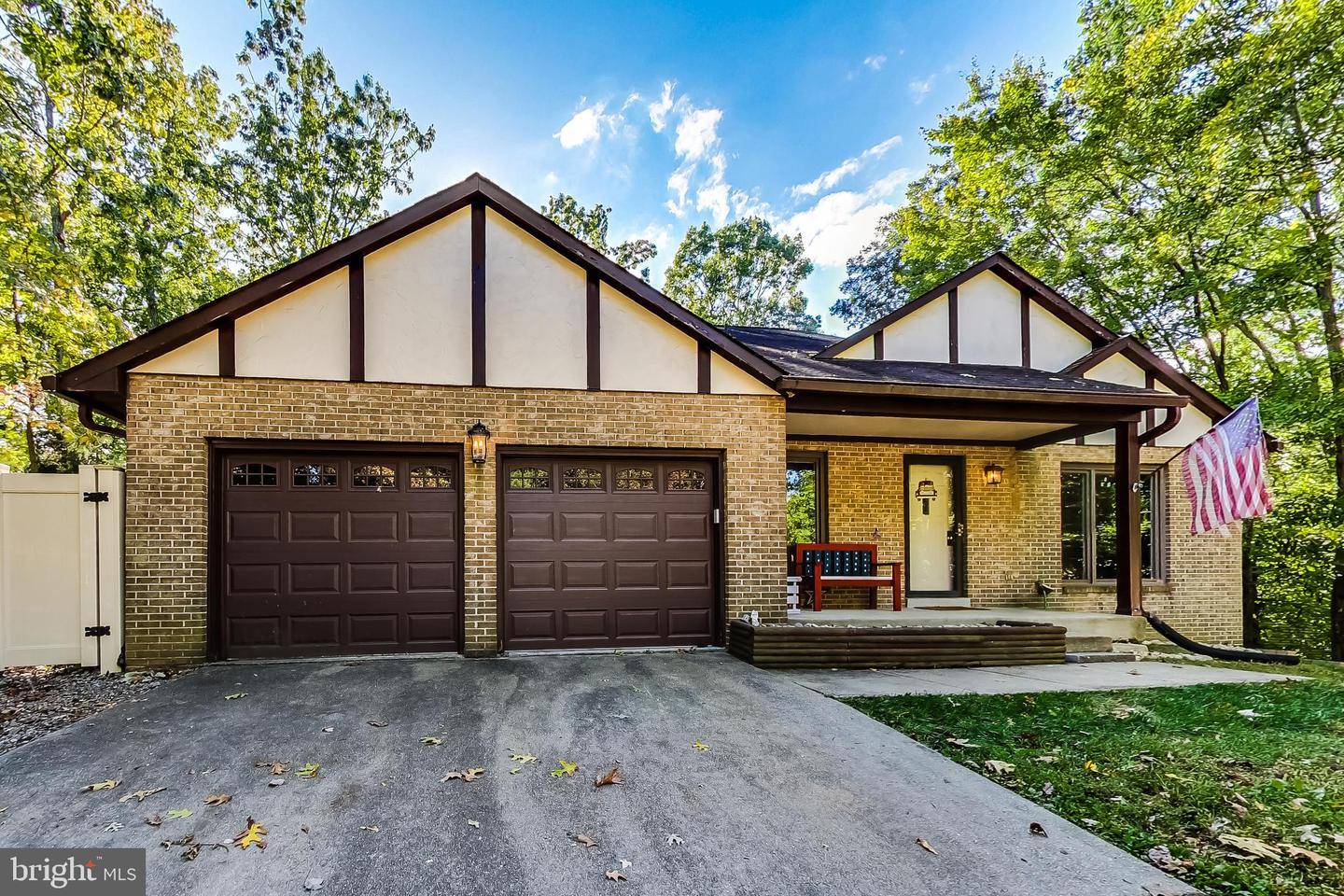
Updated April 29, 2026 by David Mount, REALTOR®, The Redux Group of eXp Realty | Burke, VA (lifelong local, recent Dunleigh closing) Quick Answer: Dunleigh is a single-family-detached community in Burke with a quieter, more residential feel than the master-planned communities (Burke Centre, Lake Braddock) nearby. The neighborhood is well-cared-for, with a modest HOA, two-story colonials and split-levels from the late 1970s and early 1980s, and lots that average slightly larger than the typical Burke Centre lot. Single-family homes in Dunleigh typically list between $735,000 and $915,000 in 2026. The most common Dunleigh seller mistakes are pricing against Burke Centre comps without adjusting for the amenity-premium difference and underestimating the smaller HOA’s longer disclosure-packet delivery window. This guide draws on a Dunleigh sale I closed within the past year, so the comps and pricing dynamics aren’t theoretical. They reflect actual recent buyer behavior I observed firsthand. What’s in this guide: Why I Know This Community: Recent Dunleigh Experience About Dunleigh HOA Structure 2026 Dunleigh Market Snapshot HOA Disclosure Packet (Va. Code §55.1-1809) Pricing Strategy Dunleigh Pre-Listing Checklist What I Learned From the Recent Dunleigh Closing Frequently Asked Questions A Dunleigh single-family home David sold in 2025. One of his most recent Burke closings. Why I Know This Community: Recent Dunleigh Experience I grew up in Burke and graduated from Lake Braddock Secondary School. The school zone that serves Dunleigh. That gives me the lifelong-local context for the community. But there’s a more specific reason I’m writing this guide now: I closed a Dunleigh sale within the past year. The comps in this guide aren’t theoretical, the buyer behavior I describe below isn’t generic Northern Virginia template advice, and the pricing-strategy section reflects what I actually watched happen in real time during a recent listing-to-closing window. That practical, recent context matters because Dunleigh is one of those Burke communities where market dynamics can move 6 to 12 months ahead of broader Burke trends. Buyer profile shifts, condition expectations, the way the smaller-HOA disclosure packet timing affects negotiation. These change quietly and continuously, and an agent who hasn’t actually transacted in Dunleigh recently is reading from a year-old playbook. About Dunleigh Dunleigh is a single-family residential community in central Burke, Virginia, built primarily in the late 1970s and early 1980s. Distinctive features: Predominantly two-story colonials and split-level designs from the original build cycle Lots that average slightly larger than the typical Burke Centre lot, the 0.25 to 0.4 acre range is common Mature trees, both as common-area landscaping and on individual lots Modest HOA structure with lower assessments than the master-planned communities nearby Limited common-area amenities, no community pool, no path system maintained by the HOA, with correspondingly lower HOA dues Easy access to Burke Centre Parkway, Old Keene Mill Road, and the Fairfax County Parkway via short connector routes Established Burke address with the resale-stability that comes from being a long-settled community Dunleigh homes are generally well-cared-for. Original 1970s/1980s kitchens, baths, roofs, and HVAC systems have been updated at least once over the decades; well-maintained homes that have been thoughtfully renovated command meaningful premiums over comparable un-updated comps in 2026. HOA Structure Dunleigh’s HOA is structured for the community’s modest-amenity profile: light-touch architectural-review provisions, modest annual assessments (typically $200 to $400 in 2026), and limited common-area infrastructure. There is no community pool, tennis courts, or maintained path system. Residents who want those amenities use Burke Lake Park or membership at nearby private pool/swim clubs. The HOA’s architectural-review enforcement is real but lighter than at Burke Centre Conservancy or Lake Braddock Community Association. Major exterior changes (fence type, roof color, additions, deck) require ARC approval. Most sellers have no issues, but unpermitted exterior modifications from past owners can surface during inspection or appraisal review. One of the items I look at carefully on every Dunleigh pre-listing walk. Buyer profile: families and professionals who want a Burke address with a quieter, lower-density feel than the master-planned communities. Cost-conscious on HOA dues. More interested in lot characteristics, home condition, and street position than in nearby community amenities. 2026 Dunleigh Market Snapshot Dunleigh in early 2026 operates in a balanced-but-seller-leaning market consistent with the broader Burke trend, with a few community-specific patterns I observed during the recent closing window: Days on market: 12 to 30 days for well-positioned, well-prepped homes; 45 to 75 days for over-priced or condition-challenged homes List-to-sale ratio: Typically 99 to 102% on well-positioned listings; below 95% on over-priced Months of supply: 1.5 to 2.5 months (seller-favorable) Buyer profile (observed in the recent closing): Move-up families seeking a quieter Burke alternative to the master-planned communities, downsizers from larger Fairfax County homes, and out-of-area relocators. In the recent transaction I closed, the buyer was specifically looking at Dunleigh because they’d already toured Burke Centre and decided the master-planned amenities weren’t worth the higher HOA dues. For ongoing quarterly market data covering Dunleigh alongside the rest of Burke, see our Burke quarterly market reports, updated each quarter as new data becomes available. HOA Disclosure Packet (Va. Code §55.1-1809) Dunleigh’s HOA is subject to Virginia’s Property Owners’ Association Act, which requires the HOA to issue a Resale Disclosure Packet to a buyer of a home in the community. The packet covers governing documents, financial statements, current assessments, any pending litigation or special assessments, and architectural-review requirements. Three things to know: 1. The buyer can terminate within three days of receipt. Under Va. Code §55.1-1809, the buyer has the right to cancel the contract within three days after receiving the packet (or within three days of contract ratification, whichever is later). Order the packet on day one of listing. 2. Smaller HOAs run closer to the 14-day max delivery window. In the recent Dunleigh transaction I closed, the disclosure packet took roughly 10 business days to arrive after request. Well within statutory limits, but enough to affect negotiation timing if it’s ordered late. Pre-listing ordering removes this from the critical path. 3. Sellers fund the packet. Cost is typically $150 to $300, normal seller closing-cost item. Pricing Strategy The most common Dunleigh pricing mistake is using Burke Centre or Lake Braddock comps without adjusting for the amenity-premium difference. Dunleigh’s lower-amenity profile, modest HOA structure, and slightly larger lots produce a different buyer pool, and Dunleigh-specific comps reflect that. Pull Dunleigh comps first. Same neighborhood, similar layout, sold within the last 90 days, similar condition. Don’t cross-comp from Burke Centre or Lake Braddock without adjustment. Master-planned-community comps reflect the amenity premium those communities carry, a Burke Centre Pond home or a Lake Braddock lake-frontage home isn’t a Dunleigh comp. Cross-comp with Signal Hill, Longwood Knolls, or Cherry Run is more appropriate when Dunleigh-specific comps are limited: these communities share the modest-HOA, single-family-detached, established-Burke profile. Adjust for community-specific differences (lot, street layout, park proximity). Adjust for condition and updates. Late-1970s/early-1980s build dates mean original kitchens, baths, and HVAC are 30+ years old. Updated homes outperform un-updated comps by 4 to 7% in 2026, a pattern I observed clearly in the recent Dunleigh closing. Adjust for lot. Cul-de-sac end, mature trees, woodlands behind, larger lot, and corner-lot premiums apply. Dunleigh’s slightly larger-than-Burke-Centre average lot size is a real differentiator with the right buyer. Dunleigh Pre-Listing Checklist 1. Order the HOA disclosure packet on day one. Smaller HOAs run closer to the 14-day max. Don’t wait until contract. 2. Walk the lot perimeter and check for ARC compliance. Fences, sheds, decks, exterior paint, landscape walls. The recent closing I handled was clean on ARC, but this is the item that turns smooth Dunleigh sales into difficult ones if it’s not checked pre-listing. 3. Address roof and HVAC if approaching end-of-life. The recent Dunleigh buyer specifically priced in a near-term HVAC replacement during negotiation. If yours is approaching 20 years, replacing or providing a credit at closing is a cleaner negotiating position. 4. Lean into lot and trees. Mature trees, larger-than-average lots, and quiet street positioning are Dunleigh’s strongest visual differentiators. Aerial photography sometimes pays for itself on larger or more wooded lots. It did in the recent closing. 5. Confirm HOA dues are current and there are no outstanding ARC matters. Any HOA balance becomes a closing-table issue. 6. Get a Dunleigh-specific CMA. Not a Burke-wide CMA. One calibrated to Dunleigh specifically, drawing on the most recent Dunleigh closings (which I’m in a position to do). David provides these at no cost as part of his engagement. What I Learned From the Recent Dunleigh Closing For the record: the sale below was a five-bedroom, four-full-bath single-family home in Dunleigh that I listed and sold in 2025 at $1,025,000, full list price. We received one offer, and I structured the deal with a $10,000 seller subsidy to the buyer so the price held while the buyer's closing costs were covered. The sellers, Richard P. and his family, left a five-star review. A few practical observations from the most recent Dunleigh transaction I closed, useful for anyone considering selling here in 2026: The buyer pool is more discerning than the broader Burke buyer pool. The buyer in my recent Dunleigh closing came in having already toured five other Burke homes including Burke Centre and Lake Braddock listings. They knew the comparison set cold. Pricing slightly above Dunleigh-specific comps without a clear condition-or-updates justification would have lost the sale. Pre-listing condition prep paid off measurably. The seller in the recent closing invested modest, targeted updates (kitchen refresh, primary bath, paint, professional landscaping) in the 30 days before listing. The actual sale price exceeded the un-updated comparable comps by roughly 5%, which more than covered the prep cost and produced a faster sale. The disclosure packet timing mattered more than I expected. The packet took ~10 business days to arrive after request. Because we ordered on day one of listing, the packet was in the buyer’s hands by the time the inspection contingency expired, and the three-day post-packet cancellation window ran in parallel rather than sequentially. If we had waited until contract to order, we would have added 7 to 10 days to the timeline and potentially given the buyer a fresh cancellation window after they’d already decided on the home. Out-of-area buyers needed orientation to Dunleigh’s character. The buyer specifically asked questions about how busy the streets are at typical commute times, where the closest park is, and what the school zone is. These aren’t questions a generic Burke listing description answers well. Dunleigh-specific framing in the listing language and during showings made the difference. Frequently Asked Questions How is Dunleigh different from Burke Centre or Lake Braddock? Dunleigh is a smaller, lower-density community without the master-planned amenities (community pools, path systems, sub-cluster pools, tennis courts) of Burke Centre or Lake Braddock. The trade-off is lower HOA dues and a quieter feel. Buyer profiles differ accordingly. Are HOA dues high in Dunleigh? No. Dunleigh’s modest HOA structure produces typical annual assessments of $200 to $400 in 2026, meaningfully lower than Burke Centre Conservancy or Lake Braddock Community Association. Is Dunleigh a good community for resale value? Yes. Dunleigh has demonstrated stable resale performance, supported by Burke’s broader demand-driven market dynamics and the community’s quiet, established character. The recent closing I handled in Dunleigh confirmed the trend. How long does a typical Dunleigh sale take? Well-positioned homes typically go from listing to closing in 35 to 60 days in 2026. The smaller HOA’s longer typical disclosure-packet delivery window can add a few days if not ordered on day one. How does Dunleigh compare to Signal Hill, Longwood Knolls, or Cherry Run? All four are smaller, modest-HOA Burke communities with similar build eras and price tiers. The practical differences come down to neighborhood character. See our Signal Hill seller’s guide and Longwood Knolls + Cherry Run seller’s guide for the comparisons. What if my home was inherited and is being sold from probate or a trust? Dunleigh has its share of estate sales given the original 1970s/early-1980s build dates. The HOA disclosure packet still applies. Successor trustees and personal representatives sign as fiduciaries. See our Selling an Inherited Home in Northern Virginia guide for the full process. Can I sell my Dunleigh home as-is? Yes, but the as-is discount usually exceeds what targeted pre-listing updates would have cost. The recent Dunleigh closing I handled confirmed that pre-listing prep returned 4 to 7% in this community in 2026. As-is is the right call when cash, timeline, or condition makes prep impractical. How recent are the Dunleigh comps you’d use for my CMA? I closed a Dunleigh sale within the past year, so the comp set I’d draw on for your home includes that transaction (the most current possible) plus the other Dunleigh sales of the past 12 to 24 months. That recency matters because Dunleigh-specific comps can lag broader Burke trends by 6 to 12 months. Get a Dunleigh, Specific CMA If you’re considering selling in Dunleigh, the first step is a community-specific comparative market analysis. Informed by my recent Dunleigh closing, not a generic Burke valuation. David Mount provides written CMAs at no cost or obligation. Call (571) 946-8418 or email david.mount@thereduxgroup.com. David grew up in Burke, graduated from Lake Braddock Secondary School (the school zone that serves Dunleigh), and closed a Dunleigh sale within the past year. About David Mount, REALTOR® The Redux Group of eXp Realty | Fairfax, VA | Serving Fairfax, Loudoun, Arlington, Prince William, Alexandria & Falls Church David grew up in Burke, Virginia and graduated from Lake Braddock Secondary School. He has 12+ years of full-time experience and 200+ transactions in Northern Virginia residential seller representation, with a particular focus on life-transition sales, inherited property, divorce, downsizing, military relocation, and out-of-state moves, and is well-versed in the procedures that govern Virginia probate and trust-held home sales under Title 64.2 of the Code of Virginia (Wills, Trusts & Fiduciaries). Credentials & recognition: NVAR Top Producers Club Platinum Member (2024 and 2025) · 100+ five-star verified client reviews · FastExpert 5-Star Agent · Zillow Premier Agent · The Redux Group, eXp Realty’s largest team in Northern Virginia. Contact David: (571) 946-8418 · david.mount@thereduxgroup.com { "@context": "https://schema.org", "@type": "Person", "name": "David Mount", "jobTitle": "REALTOR and Chief Operating Officer", "image": "https://davidmounthomes.com/wp-content/uploads/2025/08/agent-photo.jpg", "url": "https://davidmounthomes.com/", "telephone": "+1-571-946-8418", "email": "david.mount@thereduxgroup.com", "description": "Northern Virginia real estate agent who grew up in Burke and graduated from Lake Braddock Secondary School. 12+ years of experience and 200+ transactions in residential seller representation, including a recent Dunleigh closing.", "alumniOf": {"@type": "EducationalOrganization", "name": "Lake Braddock Secondary School", "address": {"@type": "PostalAddress", "addressLocality": "Burke", "addressRegion": "VA", "addressCountry": "US"}}, "homeLocation": {"@type": "Place", "name": "Burke, Virginia"}, "worksFor": {"@type": "RealEstateAgent", "name": "The Redux Group of eXp Realty", "url": "https://davidmounthomes.com/"}, "knowsAbout": ["Dunleigh Burke VA real estate", "Burke Virginia residential real estate", "Virginia POA Disclosure Packet", "Northern Virginia residential seller representation"], "award": ["NVAR Top Producers Club Platinum Member (2024 and 2025)", "FastExpert 5-Star Agent", "Zillow Premier Agent"], "sameAs": ["https://www.linkedin.com/in/david-mount-12155099/", "https://www.facebook.com/profile.php?id=61573255497680", "https://www.instagram.com/davidmountrealestate/", "https://www.youtube.com/@davidmountrealestate", "https://www.zillow.com/profile/davidmount"] } Related Resources Selling a Home in Burke Centre, VA: 2026 Sub-Cluster Guide Selling a Home in Lake Braddock, VA: A Local’s Guide Selling a Home in Signal Hill, Burke VA: A Local’s Guide Selling a Home in Longwood Knolls or Cherry Run, VA Best Neighborhoods in Burke, VA Selling Your Home in Fairfax County: 2026 Guide Selling an Inherited Home in Northern Virginia: Estate Sale Guide (2026)
Read more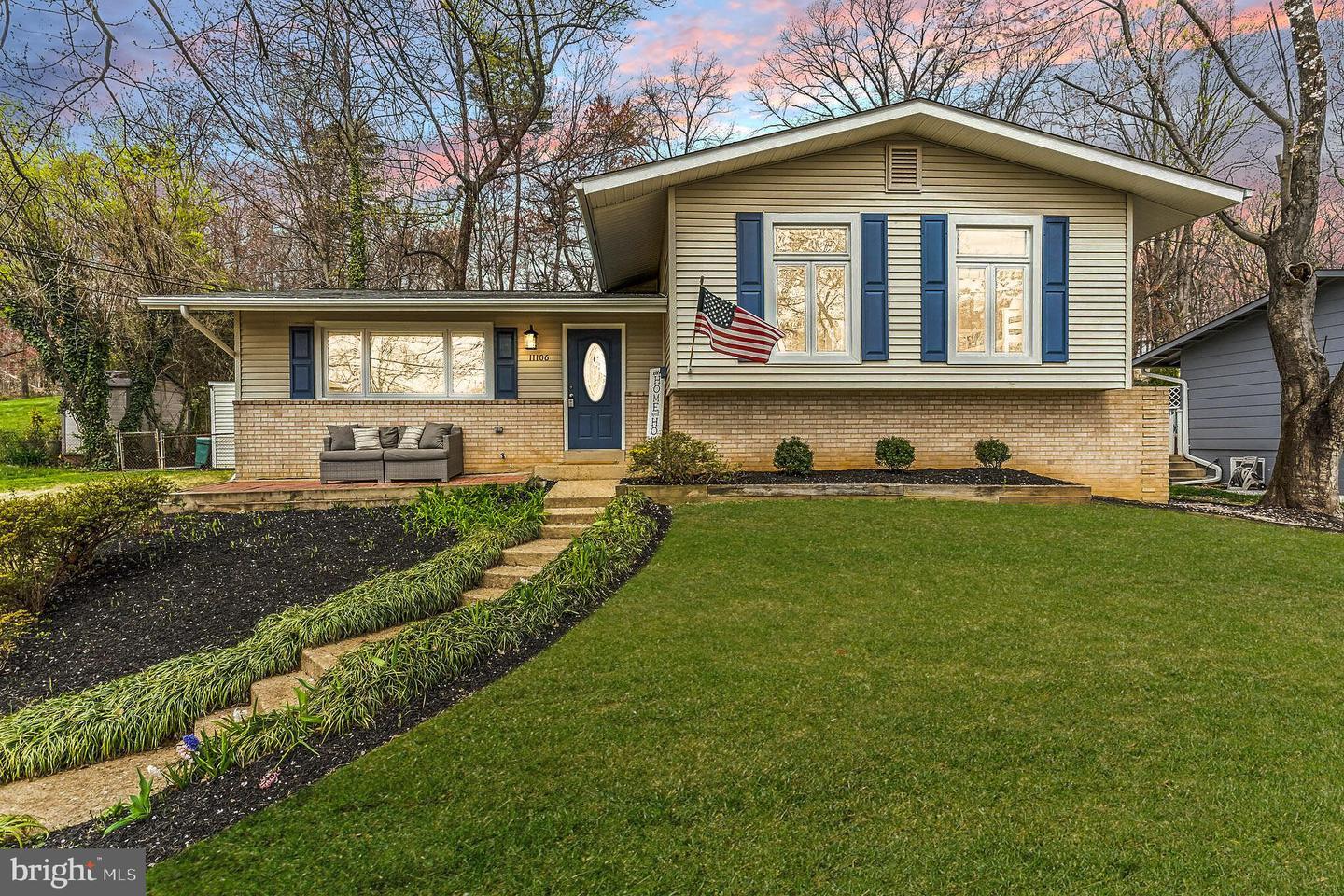
Updated April 29, 2026 by David Mount, REALTOR®, The Redux Group of eXp Realty | Burke, VA (lifelong local) Quick Answer: Signal Hill is one of Burke’s quieter, lower-density single-family communities: smaller than Burke Centre or Lake Braddock, with a modest HOA, mature trees, and a curvilinear street layout that gives the neighborhood its established, settled feel. Single-family homes in Signal Hill typically list between $735,000 and $925,000 in 2026, with lot size, condition, and updates driving most of the variance. The most common Signal Hill seller mistake is using community-wide Burke comps instead of Signal Hill-specific comps, because the neighborhood’s lower-density character and lighter HOA structure produce slightly different buyer dynamics than the master-planned communities nearby. This guide walks through the practical specifics. What’s in this guide: Why a Burke Local Knows This Community Differently About Signal Hill HOA Structure and What It Means 2026 Signal Hill Market Snapshot HOA Disclosure Packet (Va. Code §55.1-1809) Pricing Strategy Signal Hill Pre-Listing Checklist Frequently Asked Questions Why a Burke Local Knows This Community Differently I grew up in Burke and graduated from Lake Braddock Secondary School. Signal Hill sits squarely in the school zone I attended, and the neighborhood is one of those Burke sub-communities that rarely shows up in out-of-area marketing copy because it doesn’t have the master-planned-community amenities of Burke Centre or Lake Braddock. From the inside, though, Signal Hill has a strong identity: quieter, more established, lower-traffic, with the kind of street layout that makes children’s bike-riding feel safer than busier neighborhoods nearby. That matters when you’re selling here, because Signal Hill buyers value those exact characteristics. They aren’t usually looking for community pools or path systems. They’re looking for a quieter alternative to Burke Centre with a similar Burke address. Marketing your Signal Hill home like a Burke Centre listing misses the point. Marketing it for what it actually is, quieter, more established, light-touch HOA, larger feel-of-a-lot, finds the right buyer faster. About Signal Hill Signal Hill is a primarily single-family residential community in Burke, Virginia, built largely in the late 1970s and early 1980s. Distinctive features: Predominantly two-story colonials and split-level designs typical of the 1970s/1980s build cycle Curvilinear and cul-de-sac-heavy street layout with relatively low through-traffic Mature trees throughout the community, both as common-area landscaping and on individual lots Modest HOA structure with lower assessments than Burke Centre Conservancy or Lake Braddock Community Association No community pool, no community center. Light-amenity profile that produces correspondingly lower HOA dues Established Burke address with the resale-stability that comes from being a long-settled community Easy access to Burke Centre Parkway, Old Keene Mill Road, and the Fairfax County Parkway via short connector roads Signal Hill homes are generally well-cared-for; original owners and second-owner families have maintained the housing stock to the standards of the surrounding Burke market. Original kitchens, baths, roofs, and HVAC systems from the 1970s/1980s build cycle have generally been updated at least once over the decades, but how recently and how thoughtfully drives meaningful price variance. HOA Structure and What It Means Signal Hill’s HOA is structured for the community’s light-amenity profile: modest annual assessments (typically $200 to $400 in 2026), focused architectural-review covenants, and limited common-area infrastructure. There is no community pool, tennis courts, or path system maintained by the HOA: residents who want those amenities use Burke County Park, Burke Lake Park, or membership at nearby pool/swim clubs. The HOA’s architectural-review provisions exist and are enforced, but more lightly than at Burke Centre Conservancy or Lake Braddock Community Association. Major exterior changes (roof color, fence type, additions, deck construction) typically require ARC approval. Most sellers have no issues, but unpermitted exterior modifications from past owners can surface during inspection or appraisal review. Buyer profile for Signal Hill: families and professionals who want a Burke address but prefer the quieter, lower-density feel of a community that doesn’t have hundreds of homes sharing common amenities. Cost-conscious on HOA dues. Typically more interested in lot characteristics and home condition than in nearby community amenities. 2026 Signal Hill Market Snapshot Signal Hill in early 2026 operates in a balanced-but-seller-leaning market consistent with the broader Burke trend: Days on market: 14 to 35 days for well-positioned homes; 50 to 80 days for over-priced or condition-challenged homes List-to-sale ratio: Typically 99 to 102% on well-positioned listings; below 95% on over-priced Months of supply: 1.5 to 2.5 months (seller-favorable) Buyer profile: Move-up families seeking a quieter Burke alternative, downsizers from larger Fairfax County homes who want lower HOA dues, and a meaningful share of out-of-area relocators (military and government professionals) who land on Signal Hill after looking at Burke Centre and finding it busier than they wanted For ongoing quarterly market data covering Signal Hill alongside the rest of Burke, see our Burke quarterly market reports, updated each quarter as new data becomes available. HOA Disclosure Packet (Va. Code §55.1-1809) Signal Hill’s HOA is subject to Virginia’s Property Owners’ Association Act, which requires the HOA to issue a Resale Disclosure Packet to a buyer of a home in the community. The packet covers governing documents, financial statements, current assessments, any pending litigation or special assessments, and architectural-review requirements. Three things to know: 1. The buyer can terminate within three days of receipt. Under Va. Code §55.1-1809, the buyer has the right to cancel the contract within three days after receiving the packet (or within three days of contract ratification, whichever is later). Order the packet on day one of listing. 2. Smaller HOAs can take longer to deliver. Signal Hill’s HOA has a smaller administrative footprint than Burke Centre Conservancy, so packet delivery sometimes runs closer to the 14-day statutory maximum than the 7 to 10 days typical at the larger HOAs. Plan accordingly. 3. Sellers fund the packet. Cost is typically $150 to $300, normal seller closing-cost item. Pricing Strategy The most common Signal Hill pricing mistake is using comps from larger Burke communities (Burke Centre or Lake Braddock) without adjustment. Signal Hill’s lower-amenity profile and modest HOA structure produce a different buyer pool, and sub-community comps reflect that. Pull Signal Hill comps first. Same neighborhood, similar layout, sold within the last 90 days, similar condition. Don’t cross-comp from Burke Centre or Lake Braddock without adjustment. Master-planned-community comps reflect the amenity premium those communities carry. Signal Hill homes don’t compete on amenities; they compete on home and lot. Adjust for condition and updates. Late-1970s/early-1980s build dates mean original kitchens, baths, and HVAC are 30+ years old. Updated homes outperform un-updated comps by 4 to 7% in 2026. Adjust for lot characteristics. Cul-de-sac end, mature trees, woodlands behind, and lot orientation all carry small premiums. Adjust for street position. Signal Hill’s curvilinear layout means some streets are quieter than others. Buyers familiar with the community know the difference. Signal Hill Pre-Listing Checklist 1. Order the HOA disclosure packet on day one. Especially important for Signal Hill given the smaller HOA’s longer typical delivery window. 2. Walk the lot perimeter and check for ARC compliance. Fences, sheds, decks, exterior paint. Unpermitted modifications surface during inspection. 3. Address roof and HVAC if approaching end-of-life. The most common buyer-side discount on Signal Hill homes is “I’m going to need to update everything.” Pre-emptive replacement or a credit at closing is often a cleaner negotiating position. 4. Lean into the quiet-streets character. If your home is on a cul-de-sac or a particularly quiet stretch, your photos and listing language should reflect it. Time-of-day photography that shows the street’s calm at typical commuter hours sells the lifestyle better than aspirational lifestyle shots. 5. Lean into trees and lot. Mature trees and established landscaping are Signal Hill’s strongest visual differentiators. Aerial photography sometimes pays for itself on larger or more wooded lots. 6. Get a Signal Hill-specific CMA. Not a Burke-wide CMA. One calibrated to Signal Hill specifically. David provides these at no cost as part of his engagement. Frequently Asked Questions How is Signal Hill different from Burke Centre or Lake Braddock? Signal Hill is a smaller, lower-density community without the master-planned-community amenities (community pools, path systems, multiple sub-cluster pools, tennis courts) of Burke Centre or Lake Braddock. The trade-off is lower HOA dues and a quieter feel. Buyer profiles differ accordingly. Are HOA dues high in Signal Hill? No. Signal Hill’s modest HOA structure produces typical annual assessments of $200 to $400 in 2026, meaningfully lower than Burke Centre Conservancy or Lake Braddock Community Association. Is Signal Hill a good community for resale value? Yes. Signal Hill has demonstrated stable resale performance, supported by Burke’s broader demand-driven market dynamics. Within the community, home-specific factors (condition, updates, lot, street position) dominate the community-level differences. How long does a typical Signal Hill sale take? Well-positioned homes typically go from listing to closing in 35 to 60 days in 2026. Smaller HOA’s longer disclosure-packet delivery window can add a few days if not ordered on day one. Can I sell my Signal Hill home as-is? Yes, but the as-is discount usually exceeds what targeted pre-listing updates would have cost. Pre-listing prep typically returns 4 to 7% in this community in 2026. As-is is the right call when cash, timeline, or condition makes prep impractical. What if my home was inherited and is being sold from probate or a trust? Signal Hill has its share of estate sales given the original 1970s/early-1980s build dates. The HOA disclosure packet still applies. Successor trustees and personal representatives sign as fiduciaries. See our Selling an Inherited Home in Northern Virginia guide for the full process. How does Signal Hill compare to Longwood Knolls or Cherry Run? All three are smaller, modest-HOA Burke communities with similar build eras and price tiers. The practical differences come down to neighborhood character (Signal Hill: quiet established curvilinear streets; Longwood Knolls: larger lots and mature trees; Cherry Run: cul-de-sac-heavy with Burke Lake Park proximity). See our Longwood Knolls + Cherry Run seller’s guide for the comparison. Get a Signal Hill, Specific CMA If you’re considering selling in Signal Hill, the first step is a community-specific comparative market analysis. David Mount provides written CMAs at no cost or obligation. Call (571) 946-8418 or email david.mount@thereduxgroup.com. David grew up in Burke and graduated from Lake Braddock Secondary School. The school zone that serves Signal Hill. About David Mount, REALTOR® The Redux Group of eXp Realty | Fairfax, VA | Serving Fairfax, Loudoun, Arlington, Prince William, Alexandria & Falls Church David grew up in Burke, Virginia and graduated from Lake Braddock Secondary School. He has 12+ years of full-time experience and 200+ transactions in Northern Virginia residential seller representation, with a particular focus on life-transition sales, inherited property, divorce, downsizing, military relocation, and out-of-state moves, and is well-versed in the procedures that govern Virginia probate and trust-held home sales under Title 64.2 of the Code of Virginia (Wills, Trusts & Fiduciaries). Credentials & recognition: NVAR Top Producers Club Platinum Member (2024 and 2025) · 100+ five-star verified client reviews · FastExpert 5-Star Agent · Zillow Premier Agent · The Redux Group, eXp Realty’s largest team in Northern Virginia. Contact David: (571) 946-8418 · david.mount@thereduxgroup.com { "@context": "https://schema.org", "@type": "Person", "name": "David Mount", "jobTitle": "REALTOR and Chief Operating Officer", "image": "https://davidmounthomes.com/wp-content/uploads/2025/08/agent-photo.jpg", "url": "https://davidmounthomes.com/", "telephone": "+1-571-946-8418", "email": "david.mount@thereduxgroup.com", "description": "Northern Virginia real estate agent who grew up in Burke and graduated from Lake Braddock Secondary School. 12+ years of experience and 200+ transactions in residential seller representation.", "alumniOf": {"@type": "EducationalOrganization", "name": "Lake Braddock Secondary School", "address": {"@type": "PostalAddress", "addressLocality": "Burke", "addressRegion": "VA", "addressCountry": "US"}}, "homeLocation": {"@type": "Place", "name": "Burke, Virginia"}, "worksFor": {"@type": "RealEstateAgent", "name": "The Redux Group of eXp Realty", "url": "https://davidmounthomes.com/"}, "knowsAbout": ["Signal Hill Burke VA", "Burke Virginia residential real estate", "Virginia POA Disclosure Packet", "Northern Virginia residential seller representation"], "award": ["NVAR Top Producers Club Platinum Member (2024 and 2025)", "FastExpert 5-Star Agent", "Zillow Premier Agent"], "sameAs": ["https://www.linkedin.com/in/david-mount-12155099/", "https://www.facebook.com/profile.php?id=61573255497680", "https://www.instagram.com/davidmountrealestate/", "https://www.youtube.com/@davidmountrealestate", "https://www.zillow.com/profile/davidmount"] } Related Resources Selling a Home in Burke Centre, VA: 2026 Sub-Cluster Guide Selling a Home in Lake Braddock, VA: A Local’s Guide Selling a Home in Longwood Knolls or Cherry Run, VA Best Neighborhoods in Burke, VA Selling Your Home in Fairfax County: 2026 Guide Selling an Inherited Home in Northern Virginia: Estate Sale Guide (2026)
Read more
Updated April 29, 2026 by David Mount, REALTOR®, The Redux Group of eXp Realty | Burke, VA (lifelong local) Quick Answer: Longwood Knolls and Cherry Run are two of Burke’s smaller and quieter sub-communities, often grouped together by buyers shopping the area but priced as distinct sub-markets by sellers who know what they’re doing. Longwood Knolls trends to single-family colonials on larger lots with mature trees and modest HOA structures; Cherry Run leans single-family with cul-de-sac layouts and proximity to Burke Lake Park. Single-family homes in either community typically list between $700,000 and $925,000 in 2026, with lot size, condition, and updates driving most of the variance. The most common seller mistake here is treating the two as interchangeable for comp purposes. They’re not. This guide walks through both communities’ selling dynamics and what to do differently in each. What’s in this guide: Why a Burke Local Knows These Communities Differently Longwood Knolls: Character & HOA Structure Cherry Run: Character & HOA Structure Side-by-Side: How They Compare 2026 Market Snapshot HOA Disclosure Packet (Va. Code §55.1-1809) Pricing Strategy: Don’t Cross-Comp Pre-Listing Checklist Frequently Asked Questions Why a Burke Local Knows These Communities Differently I grew up in Burke and graduated from Lake Braddock Secondary School: the same school district that serves Longwood Knolls, Cherry Run, and most of the surrounding Burke neighborhoods. My friends growing up lived across all of these communities, so I spent enough time bouncing between Longwood Knolls cul-de-sacs and Cherry Run-area homes that I learned the practical differences between them long before I ever pulled a comparable sale. That matters when you’re selling here, because Longwood Knolls and Cherry Run get lumped together by out-of-area buyers and out-of-area agents. They shouldn’t be. The lot sizes are different. The HOA structures are different. The buyer profiles are different. The pricing dynamics are different. A Longwood Knolls home priced against Cherry Run comps (or vice versa) leaves money on the table or sits longer than it should. The pages below explain why. Longwood Knolls: Character & HOA Structure Longwood Knolls is a primarily single-family-detached community in Burke, built largely in the late 1970s and early 1980s. The community is characterized by: Predominantly two-story colonials and split-level designs from the original build cycle Lots that are typically larger than the Burke Centre or Lake Braddock average, many in the 0.25 to 0.4 acre range Mature trees, both as common-area landscaping and on individual lots A modest HOA structure with lower assessments than the master-planned communities nearby (typically $200 to $400 annually) Less amenity infrastructure than Burke Centre or Lake Braddock, no community pool, more limited path system, but corresponding lower HOA dues Easy access to Burke Centre Parkway, Old Keene Mill Road, and the Fairfax County Parkway Longwood Knolls’ HOA architectural-review provisions are lighter-touch than Burke Centre Conservancy or Lake Braddock Community Association, but they exist. Sellers should still confirm that any exterior modifications from past owners are documented and that no outstanding ARC matters are pending. Buyer profile: families and professionals trading “amenity-rich” community living (Burke Centre’s pools/paths/ponds) for larger lots, more privacy, and lower HOA dues. The buyers tend to be a touch more cost-conscious on HOA dues and a touch more interested in lot characteristics than the average Burke Centre buyer. Cherry Run: Character & HOA Structure Cherry Run is a smaller community in Burke, primarily single-family detached, built across roughly the same era as Longwood Knolls. Its distinguishing features: Cul-de-sac-heavy layout, more streets ending in cul-de-sacs, less through-traffic in residential areas Proximity to Burke Lake Park: the 5,500-acre Fairfax County regional park is essentially next door, which matters meaningfully for outdoor-oriented buyers Lot sizes generally comparable to Longwood Knolls, occasionally larger for cul-de-sac end lots A modest HOA structure (typically $150 to $350 annually), with limited amenities but corresponding lower dues Quieter feel overall than Longwood Knolls due to the cul-de-sac layout Cherry Run’s proximity to Burke Lake Park is its single biggest character differentiator. Buyers who want easy access to the lake’s 4.7-mile trail loop, the lake itself, the miniature golf, and the open green space will pay a small premium for Cherry Run versus a comparable Longwood Knolls home a mile farther from the park. Buyer profile: outdoor-oriented professionals and families, downsizers from larger Burke and Springfield homes who want lower-traffic streets, and a meaningful share of repeat-Burke buyers who want a quieter sub-community than Burke Centre or Lake Braddock. Side-by-Side: How They Compare Factor Longwood Knolls Cherry Run Primary housing type Single-family detached colonials & splits Single-family detached, cul-de-sac-heavy Typical SFH price band (2026) $725,000 to $900,000 $735,000 to $925,000 Lot size (typical) 0.25 to 0.4 acre 0.25 to 0.45 acre (cul-de-sac end lots can exceed) HOA assessments (annual) $200 to $400 $150 to $350 Pool / amenity No community pool; limited common amenities No community pool; proximity to Burke Lake Park is the amenity Buyer profile Cost-conscious on HOA, larger-lot seekers Outdoor-oriented, cul-de-sac/quiet-streets seekers Days on market (2026, well-positioned) 15 to 35 days 12 to 30 days The pricing bands overlap, but the buyer profiles and what each community offers don’t. A Cherry Run home backing to or facing Burke Lake Park land carries a meaningful premium over a comparable Longwood Knolls home; conversely, a Longwood Knolls home with mature trees and a private lot can command a premium that Cherry Run’s open layout doesn’t replicate. Comp wisely. 2026 Market Snapshot Both communities operate in a balanced-but-seller-leaning Burke market in early 2026: Days on market: 12 to 35 days for well-positioned homes; 45 to 75 days for over-priced or condition-challenged homes List-to-sale ratio: 99 to 102% on well-positioned listings; below 95% on over-priced Months of supply: 1.5 to 2.5 months (seller-favorable) Buyer profile: Mix of move-up families from Burke Centre and Lake Braddock townhomes, downsizers from larger SFH neighborhoods, and military/government professionals For ongoing quarterly market data covering Longwood Knolls and Cherry Run alongside the rest of Burke, see our Burke quarterly market reports, updated each quarter as new data becomes available. HOA Disclosure Packet (Va. Code §55.1-1809) Both Longwood Knolls and Cherry Run are subject to Virginia’s Property Owners’ Association Act, which requires the HOA to issue a Resale Disclosure Packet to a buyer of a home in the community. The packet covers governing documents, financial statements, current assessments, any pending litigation or special assessments, and architectural-review requirements. Three things to know: 1. The buyer can terminate within three days of receipt. Under Va. Code §55.1-1809, the buyer has the right to cancel within three days after receiving the packet (or within three days of contract ratification, whichever is later). Order the packet on day one of listing. 2. Smaller HOAs can take longer to deliver. Longwood Knolls and Cherry Run have smaller administrative footprints than Burke Centre Conservancy or Lake Braddock Community Association, so packet delivery can run closer to the 14-day statutory maximum than the 7 to 10 days typical at the larger HOAs. Plan accordingly. 3. Sellers fund the packet. Cost is typically $150 to $300, normal seller closing-cost item. Pricing Strategy: Don’t Cross-Comp The single most common pricing mistake in these two communities is using comps from the wrong community. The discipline: Pull comps from the same community first. Longwood Knolls against Longwood Knolls. Cherry Run against Cherry Run. Same community, similar layout, sold within the last 90 days, similar condition. Don’t cross-comp without an explicit adjustment. If you must use a Cherry Run comp for a Longwood Knolls home, account for the Burke Lake Park proximity differential. Vice versa for trees/privacy. Adjust for lot. Both communities have a lot-size variance that meaningfully affects price. End-lot, cul-de-sac-end, and corner-lot premiums apply. Adjust for condition and updates. Late-1970s/early-1980s build dates mean original kitchens and HVAC are 30+ years old. Updated homes outperform un-updated comps by 4 to 7% in 2026. Pre-Listing Checklist 1. Order the HOA disclosure packet on day one. Especially for Longwood Knolls and Cherry Run, where smaller HOAs can take longer to process. 2. Walk the lot perimeter and check for ARC compliance. Fences, sheds, decks, exterior paint, landscape walls. Any unpermitted modifications can surface during inspection. 3. Address roof and HVAC if approaching end-of-life. The most common buyer-side discount on these homes is “I’m going to need to update everything.” Pre-emptive replacement or a credit at closing is often a cleaner negotiating position. 4. For Cherry Run specifically: lean into Burke Lake Park. If your home is within walking distance of the park, your photos and listing language should reflect it. Map the walking route. Time it. This matters to outdoor-oriented buyers. 5. For Longwood Knolls specifically: lean into the lot and trees. Mature trees and larger lots are the differentiators. If your home has them, photograph them. Aerial photography sometimes pays for itself on larger-lot Longwood Knolls homes. 6. Get a community-specific CMA. Not a Burke-wide CMA. One calibrated to your specific community. David provides these at no cost as part of his engagement. Frequently Asked Questions Are Longwood Knolls and Cherry Run the same community? No. They’re adjacent and often grouped together by out-of-area buyers, but they have different HOA structures, lot characteristics, and buyer profiles. Comp them separately when pricing. Which has higher HOA dues? Longwood Knolls is typically slightly higher ($200 to $400 annually) than Cherry Run ($150 to $350). Both are meaningfully lower than Burke Centre Conservancy or Lake Braddock Community Association. Is one a better community for resale value? Both have demonstrated stable resale performance. Cherry Run’s proximity to Burke Lake Park gives it a small edge with outdoor-oriented buyers; Longwood Knolls’ larger-lot inventory gives it an edge with privacy-oriented buyers. Within each community, the home-specific factors (condition, updates, lot) dominate the community-level differences. How long does a typical sale take? Well-positioned homes typically close in 35 to 55 days, similar to Burke Centre and Lake Braddock. What if my home is on the boundary between the two communities? Look at the deed and the HOA assessment notice to determine which community you’re formally in. The HOA is the legal answer; “where the kids think the boundary is” doesn’t matter for selling. David can help confirm. Can I sell as-is? Yes, but the as-is discount usually exceeds what targeted updates would have cost. Pre-listing prep returns 4 to 7% in these communities in 2026. As-is is the right call when cash, timeline, or condition makes prep impractical. What if my home was inherited and is being sold from probate or a trust? Common in these communities given the original 1970s/early-1980s build dates. The HOA disclosure packet still applies. Successor trustees and personal representatives sign as fiduciaries. See our Selling an Inherited Home in Northern Virginia guide. Get a Community-Specific CMA If you’re considering selling in Longwood Knolls or Cherry Run, the first step is a community-specific comparative market analysis. David Mount provides written CMAs at no cost or obligation. Call (571) 946-8418 or email david.mount@thereduxgroup.com. David grew up in Burke and graduated from Lake Braddock Secondary School. The school zone that serves both communities. About David Mount, REALTOR® The Redux Group of eXp Realty | Fairfax, VA | Serving Fairfax, Loudoun, Arlington, Prince William, Alexandria & Falls Church David grew up in Burke, Virginia and graduated from Lake Braddock Secondary School. He has 12+ years of full-time experience and 200+ transactions in Northern Virginia residential seller representation, with a particular focus on life-transition sales, inherited property, divorce, downsizing, military relocation, and out-of-state moves, and is well-versed in the procedures that govern Virginia probate and trust-held home sales under Title 64.2 of the Code of Virginia (Wills, Trusts & Fiduciaries). Credentials & recognition: NVAR Top Producers Club Platinum Member (2024 and 2025) · 100+ five-star verified client reviews · FastExpert 5-Star Agent · Zillow Premier Agent · The Redux Group, eXp Realty’s largest team in Northern Virginia. Contact David: (571) 946-8418 · david.mount@thereduxgroup.com { "@context": "https://schema.org", "@type": "Person", "name": "David Mount", "jobTitle": "REALTOR and Chief Operating Officer", "image": "https://davidmounthomes.com/wp-content/uploads/2025/08/agent-photo.jpg", "url": "https://davidmounthomes.com/", "telephone": "+1-571-946-8418", "email": "david.mount@thereduxgroup.com", "description": "Northern Virginia real estate agent who grew up in Burke and graduated from Lake Braddock Secondary School. 12+ years of experience and 200+ transactions in residential seller representation.", "alumniOf": {"@type": "EducationalOrganization", "name": "Lake Braddock Secondary School", "address": {"@type": "PostalAddress", "addressLocality": "Burke", "addressRegion": "VA", "addressCountry": "US"}}, "homeLocation": {"@type": "Place", "name": "Burke, Virginia"}, "worksFor": {"@type": "RealEstateAgent", "name": "The Redux Group of eXp Realty", "url": "https://davidmounthomes.com/"}, "knowsAbout": ["Longwood Knolls Burke VA", "Cherry Run Burke VA", "Burke Lake Park proximity", "Virginia POA Disclosure Packet (Va. Code Section 55.1-1809)", "Northern Virginia residential seller representation"], "award": ["NVAR Top Producers Club Platinum Member (2024 and 2025)", "FastExpert 5-Star Agent", "Zillow Premier Agent"], "sameAs": ["https://www.linkedin.com/in/david-mount-12155099/", "https://www.facebook.com/profile.php?id=61573255497680", "https://www.instagram.com/davidmountrealestate/", "https://www.youtube.com/@davidmountrealestate", "https://www.zillow.com/profile/davidmount"] } Related Resources Selling a Home in Burke Centre, VA: 2026 Sub-Cluster Guide Selling a Home in Lake Braddock, VA: A Local’s Guide Best Neighborhoods in Burke, VA Selling Your Home in Fairfax County: 2026 Guide Selling an Inherited Home in Northern Virginia: Estate Sale Guide (2026)
Read more
Updated April 29, 2026 by David Mount, REALTOR®, The Redux Group of eXp Realty | Burke, VA (lifelong local) Quick Answer: Lake Braddock is one of Burke’s most distinctive sub-communities: built around the actual lake and its trail loop, served by Lake Braddock Community Association as the HOA, and meaningfully different from Burke Centre next door. Single-family homes here typically list between $725,000 and $925,000; townhomes between $475,000 and $625,000. Lake-frontage and lake-view homes carry a 10 to 15% premium over comparable inland homes. The Lake Braddock Community Association issues the Property Owners’ Association Resale Disclosure Packet under Va. Code §55.1-1809, which sellers should order on day one of listing because Virginia law gives the buyer a three-day right to terminate after receiving it. The most common Lake Braddock seller mistakes are pricing inland homes against lake-frontage comps and underestimating how much Lake Braddock’s trail-loop and pool-and-tennis amenities matter to buyers from outside the area. What’s in this guide: Why I Know This Community: Growing Up in Burke About the Lake Braddock Community Lake Braddock Community Association: HOA Structure Sub-Areas Compared: Lake-Frontage vs Inland 2026 Lake Braddock Market Snapshot The Disclosure Packet (Va. Code §55.1-1809) Pricing Strategy: The Lake Premium and the Trail Effect Lake Braddock Pre-Listing Checklist Frequently Asked Questions A Lake Braddock home David sold in 2025. The Lake Braddock Secondary School pyramid premium is a real driver of pricing in this corridor. Why I Know This Community: Growing Up in Burke Most agents who write about Lake Braddock learned the community from comparable sales reports and a couple of weekend showings. I learned it differently. I grew up in Burke, and I graduated from Lake Braddock Secondary School. The trail around the lake, the way the cul-de-sacs in the lake community empty out into the path system, the difference in feel between the homes that back to the water and the ones a few streets back, the seasonal shift in how the lake looks in summer versus winter. Those aren’t things I learned from a CMA. They’re things I learned riding bikes around here as a kid. That matters when you sell here, because Lake Braddock buyers from outside the area will ask questions a generic “Burke” agent doesn’t have answers to. Where does the trail loop connect to the Pohick Stream Valley path? What’s the difference between owning a townhome in the inner ring versus the outer ring of the community? Which side of the lake gets the morning sun on the deck? Which sub-area’s pool tends to be busier on summer weekends? These details don’t change the appraisal, but they change which buyers fall in love with your home and how confidently they offer. About the Lake Braddock Community Lake Braddock is a master-planned residential community in central Burke, Virginia, built primarily between the late 1960s and the early 1980s on roughly 850 acres around a man-made lake of the same name. The community contains approximately 3,000 homes, a mix of single-family detached, townhomes (called “patio homes” in some original Lake Braddock marketing), and a smaller number of condominiums, along with the lake itself, an extensive pedestrian and bike path system, two community pools, tennis and pickleball courts, and a clubhouse on Cabells Mill Drive. The community is geographically and structurally distinct from Burke Centre next door. Where Burke Centre is organized around five sub-clusters (each with its own pool and tennis), Lake Braddock organizes around the lake itself. The path system circles the lake (a roughly 1.8-mile loop) and connects out through Pohick Stream Valley Park to broader Fairfax County trails. The lake is non-motorized: canoeing, kayaking, paddleboards, and fishing are the typical uses. Most Lake Braddock homes are two-story colonials and split-level designs reflecting their 1970s build dates. Original kitchens, baths, and HVAC systems have generally been updated at least once over the decades; well-maintained homes that have been thoughtfully renovated command meaningful premiums over comparable homes that haven’t been updated since the early 2000s. Lake Braddock Community Association: HOA Structure Lake Braddock Community Association (LBCA) is the homeowners’ association governing the community. Annual assessments fund: Two community pools (one on the south side, one on the north) Tennis and pickleball courts The clubhouse and meeting space Lake maintenance, dam, and water-quality programs Pedestrian path system and common-area landscaping Architectural-review covenants for exterior modifications Community events and resident programming LBCA’s architectural-review enforcement is moderate, less restrictive than some Northern Virginia HOAs but more enforcement-oriented than no-HOA Burke neighborhoods nearby. Major exterior changes (new roof color, fence type, addition, deck) require ARC approval. Most sellers have no issues, but unpermitted exterior modifications from past owners can surface during inspection or appraisal review and become friction during the sale. As of 2026, LBCA assessments are typically in the $600 to $850 range annually depending on property type, with lake-access amenities included for all members and a small additional charge for boat storage at the lake. Sub-Areas Compared: Lake-Frontage vs Inland Lake Braddock isn’t formally divided into sub-clusters the way Burke Centre is, but the practical sub-markets that drive pricing are clear: Sub-Area Character Typical SFH Price Band (2026) Typical Townhome Band (2026) Lake-frontage homes Direct lake access or backing to lake; premium views $875,000 to $1,075,000 N/A (rare on lake) Lake-view homes Across-the-street views, second-row to lake $800,000 to $925,000 $525,000 to $650,000 Trail-loop homes Backing or fronting to community path system $760,000 to $880,000 $485,000 to $615,000 Inland homes Streets away from lake/trails, otherwise comparable $725,000 to $840,000 $475,000 to $580,000 Price bands reflect typical 2026 listing-to-sale ranges; condition, lot, layout, and updates move individual homes within or beyond these ranges. Get a Lake Braddock, specific comparative market analysis before pricing. The lake premium is real and stable. Lake-frontage homes have outperformed comparable inland homes by 10 to 15% consistently over the past several years. Lake-view (across-the-street) homes carry a 6 to 9% premium. Trail-loop homes carry a smaller 2 to 4% premium for the path-frontage convenience. The single biggest pricing mistake here is treating the lake premium as fungible , an inland home is not an “almost-on-the-lake” home, and pricing it that way means it sits. 2026 Lake Braddock Market Snapshot Lake Braddock in early 2026 is operating in a balanced-but-seller-leaning market, similar to Burke Centre but with the lake premium acting as a meaningful differentiator on the high end: Days on market: 10 to 25 days for well-positioned homes; 40 to 70 days for over-priced homes List-to-sale ratio: 99 to 103% on well-positioned listings (lake-frontage often above 100%); below 95% on over-priced or condition-challenged homes Months of supply: 1.5 to 2.5 months (seller-favorable) Buyer profile: Move-up families from Burke Centre and Springfield townhomes, downsizers from Clifton and Fairfax Station, military and government professionals on PCS or relocation timelines, and a meaningful share of repeat-Lake-Braddock buyers (children of long-time residents buying nearby) For ongoing quarterly market data covering Lake Braddock alongside the rest of Burke, see our Burke quarterly market reports, updated each quarter. The Disclosure Packet (Va. Code §55.1-1809) Lake Braddock Community Association issues the Property Owners’ Association Resale Disclosure Packet required by Virginia’s Property Owners’ Association Act. Three things to know: 1. The buyer can terminate within three days of receipt. Under Va. Code §55.1-1809, the buyer has the right to cancel the contract within three days after receiving the packet (or within three days of contract ratification, whichever is later). Out-of-area buyers in particular don’t always understand this until the packet arrives, so sellers should order on day one of listing to put the packet in front of the buyer alongside the inspection contingency rather than after. 2. LBCA charges $200 to $400 for the packet and is required by statute to deliver within 14 days of request. Pre-listing ordering removes this from the critical path. 3. Sellers fund the packet, not buyers. Standard seller closing-cost item. The seller-side discipline that minimizes Lake Braddock cancellation risk: order the packet the day you list, read it yourself before your buyer receives it, and proactively address anything that might surprise an out-of-area buyer (special assessments, pending architectural-review violations, lake-related rules) during contract negotiation. Pricing Strategy: The Lake Premium and the Trail Effect Lake Braddock pricing is straightforward in principle and disciplined in execution. The key adjustments: Pull comps from the same sub-area first. Lake-frontage against lake-frontage. Trail-loop against trail-loop. Inland against inland. Crossing sub-areas is the most common pricing mistake. Apply the lake premium correctly. Lake-frontage commands 10 to 15% over inland comps; lake-view across-the-street 6 to 9%; trail-loop 2 to 4%. These are observed market premiums, not aspirational. Adjust for condition and updates. Lake Braddock’s late-1960s through early-1980s build dates mean the original kitchen, baths, roof, and HVAC are typically 30+ years old at this point. Homes that have been thoughtfully renovated command 5 to 9% over comparable un-updated homes in 2026. Adjust for sun orientation. South-facing decks and patios get morning-and-afternoon sun; north-facing get less. On lake-frontage homes specifically, this matters meaningfully to buyers. Adjust for lot privacy. Mature trees, woodlands behind, and corner versus interior positions all carry small premiums. Lake Braddock Pre-Listing Checklist Before listing, work through this Lake Braddock-specific checklist (in addition to general Northern Virginia pre-listing prep): 1. Order the LBCA disclosure packet. Day one of listing. 2. Walk to the lake and back from your front door at three different times of day. Time each walk. This is what your listing agent should be telling buyers and what your photos should reflect: the path, the lake views, the trail-loop access. This isn’t marketing fluff; it’s how Lake Braddock buyers fall in love with a home. 3. Address roof, HVAC, and kitchen/bath updates if dated. The most common buyer-side discount in Lake Braddock isn’t condition issues per se, it’s “I’m going to need to update everything.” Targeted pre-listing updates (kitchen refresh, primary bath, paint) often return 4 to 7% in 2026. 4. Check lake and trail access from your property. If your home backs to the path or has direct lake-frontage, make sure the access points are clean, signs are visible, and any gates or paths are well-maintained. 5. Confirm LBCA dues are current and there are no outstanding ARC violations. Any HOA balance becomes a closing-table issue. Any unresolved architectural-review item can delay or derail. 6. Get a Lake Braddock-specific CMA. Not a Burke-wide CMA: one calibrated to your specific sub-area (lake-frontage, lake-view, trail-loop, or inland). David provides these at no cost as part of his engagement. Frequently Asked Questions What’s the lake premium on Lake Braddock homes? Lake-frontage homes command 10 to 15% over comparable inland homes; lake-view across-the-street 6 to 9%; trail-loop 2 to 4%. These are observed market premiums in 2026. How is Lake Braddock different from Burke Centre? They’re adjacent but structurally and architecturally distinct. Burke Centre is organized around five sub-clusters (Oaks/Commons/Ponds/Woods/Landings), each with its own pool. Lake Braddock is organized around the lake itself with two community pools serving the whole community. Both are well-regarded; pricing dynamics differ. See our Burke Centre seller’s guide for the comparison. Do I have to be current on LBCA dues to sell? Yes. Any outstanding LBCA balance must be cleared at or before closing, and LBCA will not deliver the resale disclosure packet to a buyer if the seller is in arrears. How long does a typical Lake Braddock sale take? Well-positioned homes typically go from listing to closing in 35 to 55 days in 2026. Lake-frontage homes sometimes close faster due to multiple-offer dynamics. Can I sell my Lake Braddock home as-is? Yes, but the as-is discount usually exceeds what targeted pre-listing updates would have cost. As-is is the right call when the seller has no cash for prep, the timeline doesn’t allow for prep, or the home is severely distressed. What if my home was inherited and is being sold from probate or a trust? Lake Braddock has a meaningful share of estate sales because the community’s late-1960s through early-1980s build dates mean original owners are at the age where life-transition sales occur frequently. The LBCA disclosure packet still applies. See our Selling an Inherited Home in Northern Virginia guide for the full process. Are there any Lake Braddock-specific issues buyers ask about? Three come up regularly: (1) the lake itself, non-motorized only, water quality is monitored by LBCA, fishing is permitted with a Virginia license; (2) the path system, community-maintained, connects to broader Fairfax County trails through Pohick Stream Valley Park; (3) flood plain considerations on a small number of lake-adjacent lots, verify on the deed and survey. Is Lake Braddock a good place for an out-of-state PCS-in family? Yes. Lake Braddock attracts a meaningful share of military and government professionals on PCS timelines. The community’s amenities, walkability via the path system, and proximity to Burke Centre VRE plus Fairfax County Parkway access make it a relocation-friendly choice. Get a Lake Braddock, Specific CMA If you’re considering selling in Lake Braddock, the first step is a sub-area-specific comparative market analysis: lake-frontage, lake-view, trail-loop, or inland. David Mount provides written CMAs at no cost or obligation. Call (571) 946-8418 or email david.mount@thereduxgroup.com. David grew up in Burke and graduated from Lake Braddock Secondary School. He knows this community at a level a generic Northern Virginia agent doesn’t. Recent Client Outcome Anonymized case study from David’s actual recent inherited-property representation. Real situation, real outcome, no client names. Recent Client Outcome Inherited single-family home on Wallingford, Lake Braddock, Burke (Fairfax County), 2025 Neighborhood: Lake Braddock City · County: Burke, VA · Fairfax County Year: 2025 Situation: Multi-heir inherited sale (4 heirs) Situation. Four heirs inherited a single-family home in the Lake Braddock neighborhood of Burke. Two of the four heirs were living in the property at the time of inheritance. The home contained decades of accumulated belongings and had not been recently updated. The family needed to evaluate three different paths, a cash offer, a renovation-and-sell, or a sell-as-is listing, and arrive at a decision all four heirs could support. What David did differently. Walked the family through every option transparently before recommending one. First step was modeling the cash offer: what an investor would pay, what timeline that would create, and what the net to each heir would look like. The family decided the cash discount wasn’t worth the speed. Second step was pricing out a pre-listing renovation and modeling the return on investment against an as-is comparison. The renovation didn’t pencil for this property’s specific condition and sub-market. The family chose the as-is path with confidence, because they had seen every alternative side by side. Outcome. The home received a full-price offer before it ever went on the market, eliminating showings, open houses, and weeks of inventory time. All four heirs signed closing documents electronically, no one needed to travel to Virginia or visit an office. Proceeds were distributed quickly to each heir’s preferred account. ★★★★★ “David was wonderful to work with when he helped my family sell our home in Burke. He was extremely responsive and professional even when helping us navigate some difficult circumstances. I could not recommend him any higher! His team at Redux was awesome to work with as well! They helped us get top dollar for our home without even going on the market and kept the process moving swiftly and smoothly. It was a great experience!” . Anne M., Lake Braddock seller (heir on 2025 inherited-property sale) · Google Reviews Why this case study matters for your situation: Multi-heir inherited sales are usually slowed by two things: incomplete information across the heirs and remote-signing logistics. The Lake Braddock outcome shows what happens when both are handled well. Every option is modeled and presented to every heir; the chosen strategy is documented and executed without surprises; and the closing workflow accommodates heirs wherever they live. About David Mount, REALTOR® The Redux Group of eXp Realty | Fairfax, VA | Serving Fairfax, Loudoun, Arlington, Prince William, Alexandria & Falls Church David grew up in Burke, Virginia and graduated from Lake Braddock Secondary School. He has 12+ years of full-time experience and 200+ transactions in Northern Virginia residential seller representation, with a particular focus on life-transition sales, inherited property, divorce, downsizing, military relocation, and out-of-state moves, and is well-versed in the procedures that govern Virginia probate and trust-held home sales under Title 64.2 of the Code of Virginia (Wills, Trusts & Fiduciaries). Credentials & recognition: NVAR Top Producers Club Platinum Member (2024 and 2025) · 100+ five-star verified client reviews · FastExpert 5-Star Agent · Zillow Premier Agent · The Redux Group, eXp Realty’s largest team in Northern Virginia. Contact David: (571) 946-8418 · david.mount@thereduxgroup.com { "@context": "https://schema.org", "@type": "Person", "name": "David Mount", "jobTitle": "REALTOR and Chief Operating Officer", "image": "https://davidmounthomes.com/wp-content/uploads/2025/08/agent-photo.jpg", "url": "https://davidmounthomes.com/", "telephone": "+1-571-946-8418", "email": "david.mount@thereduxgroup.com", "description": "Northern Virginia real estate agent who grew up in Burke and graduated from Lake Braddock Secondary School. 12+ years of experience and 200+ transactions in residential seller representation.", "alumniOf": {"@type": "EducationalOrganization", "name": "Lake Braddock Secondary School", "address": {"@type": "PostalAddress", "addressLocality": "Burke", "addressRegion": "VA", "addressCountry": "US"}}, "homeLocation": {"@type": "Place", "name": "Burke, Virginia"}, "worksFor": {"@type": "RealEstateAgent", "name": "The Redux Group of eXp Realty", "url": "https://davidmounthomes.com/", "address": {"@type": "PostalAddress", "addressLocality": "Fairfax", "addressRegion": "VA", "addressCountry": "US"}}, "knowsAbout": ["Lake Braddock Virginia residential real estate", "Lake Braddock Community Association", "Burke Centre Conservancy", "Virginia POA Disclosure Packet (Va. Code Section 55.1-1809)", "Northern Virginia residential seller representation"], "award": ["NVAR Top Producers Club Platinum Member (2024 and 2025)", "FastExpert 5-Star Agent", "Zillow Premier Agent"], "sameAs": ["https://www.linkedin.com/in/david-mount-12155099/", "https://www.facebook.com/profile.php?id=61573255497680", "https://www.instagram.com/davidmountrealestate/", "https://www.youtube.com/@davidmountrealestate", "https://www.zillow.com/profile/davidmount"] } Winning a Lake Braddock townhouse for a first-time buyer against competing offers Anne's family sale is the seller side of Lake Braddock. I have sat on the buyer side here too. In 2015 I represented a first-time buyer on a Lake Braddock townhouse that drew competing offers. We won it by writing a clean, well-timed offer and by knowing exactly what a Lake Braddock townhouse was worth against the single-family homes a few streets over, so my client neither overpaid nor lost the home. That buyer-side experience is what lets me tell Lake Braddock sellers, honestly, how today's buyers will evaluate their townhouse or single-family home and where the competing offers will actually land. Related Resources Selling a Home in Burke Centre, VA: 2026 Sub-Cluster Guide Best Neighborhoods in Burke, VA: A Local Agent’s Guide for 2026 Burke, VA Real Estate Market Update: Spring 2026 Selling Your Home in Fairfax County: 2026 Guide Selling an Inherited Home in Northern Virginia: Estate Sale Guide (2026) Estate Sale Services in Northern Virginia
Read more
Updated April 29, 2026 by David Mount, REALTOR®, The Redux Group of eXp Realty | Burke, VA Quick Answer: Selling a home in Burke Centre, VA in 2026 is a sub-cluster decision, not a Burke Centre decision. The community is divided into five sub-clusters (The Oaks, The Commons, The Ponds, The Woods, and The Landings), each with its own pool, tennis courts, and price tier. Single-family homes in Burke Centre typically list between $750,000 and $1,050,000; townhomes between $500,000 and $700,000. Burke Centre Conservancy (the master HOA) issues the Property Owners’ Association Resale Disclosure Packet under Va. Code §55.1-1809, which sellers must order on day one of listing because Virginia law allows the buyer to terminate within three days of receipt. The most common seller mistakes in Burke Centre are pricing across sub-clusters as if they were one market and underestimating the disclosure-packet timeline. This guide walks through both, plus everything else specific to selling here. What’s in this guide: About Burke Centre and the Conservancy Structure The Five Sub-Clusters Compared 2026 Burke Centre Market Snapshot The Conservancy Disclosure Packet (Va. Code §55.1-1809) Pricing Strategy: Why Sub-Cluster Matters Burke Centre Pre-Listing Checklist Commute, VRE, and Burke Lake Park Frequently Asked Questions Burke Centre is one of Northern Virginia’s most distinctive master-planned communities. Built primarily between 1976 and 1985 on roughly 1,700 acres in central Fairfax County, the community wraps approximately 5,800 homes around five sub-clusters, each with its own pool, tennis courts, tot lots, and pedestrian path system. The whole thing is held together by Burke Centre Conservancy, the master homeowners’ association that maintains common areas, ponds, paths, and the community center on Roberts Parkway. If you’re thinking about selling in Burke Centre, whether you’re a long-time owner, a recent retiree, an executor handling an inherited home, or simply ready for the next chapter, the most important thing to understand is that Burke Centre is not one market. It’s five overlapping sub-markets, each with its own price tier, buyer profile, and selling dynamics. Pricing across sub-clusters as if they were the same market is the single most common reason a Burke Centre home sits on the market longer than it should. A Burke Centre home David sold in 2021. Burke Centre Conservancy’s amenity package and trail network are core selling points for this community. About Burke Centre and the Conservancy Structure Burke Centre Conservancy (the HOA) is structured differently from most Northern Virginia HOAs. Instead of a single board governing the entire community, the Conservancy operates as a federation of five sub-clusters, each with its own elected board representatives, plus a master Conservancy board that handles community-wide assets. As a Burke Centre owner, you pay annual Conservancy assessments (currently in the $700 to $900 range, depending on sub-cluster and property type), which fund: The community center on Roberts Parkway (event space, fitness, programming) Five sub-cluster pools (one in each of The Oaks, Commons, Ponds, Woods, Landings) Tennis courts and pickleball courts across the sub-clusters The pedestrian path system (~30 miles connecting sub-clusters and parks) Six ponds and surrounding common-area landscaping Tot lots, picnic areas, and gathering spaces Architectural review for exterior modifications (the Conservancy enforces design covenants) The Conservancy’s design covenants are something Burke Centre buyers genuinely value: consistent exterior aesthetics, mature landscaping, and tight enforcement of property maintenance standards keep the community looking polished. It also means sellers should be honest with themselves about exterior condition before listing: a fence in poor repair, a peeling shutter, or an aging roof that violates Conservancy standards can become a friction point during the sale. We’ll come back to that in the pre-listing checklist below. The Five Sub-Clusters Compared Each sub-cluster has its own character, housing stock, and price tier. If you’re a seller, knowing which sub-cluster you’re in changes how to position the home, what comparable sales to use, and which buyer profile to market to. Sub-Cluster Character Typical SFH Price Band (2026) Typical Townhome Band (2026) The Oaks First-built sub-cluster, mature oaks, larger lots in spots $775,000 to $975,000 $525,000 to $650,000 The Commons Mid-community, central to Conservancy amenities $750,000 to $950,000 $500,000 to $625,000 The Ponds Pond-frontage premium, water-view homes command top-tier pricing $825,000 to $1,050,000 $540,000 to $680,000 The Woods Wooded lots, more privacy, often larger SFH layouts $800,000 to $1,025,000 $525,000 to $675,000 The Landings Closest to Burke Centre VRE, commuter-favored $770,000 to $960,000 $510,000 to $655,000 Price ranges are typical 2026 listing-to-sale ranges based on observed Burke Centre activity; individual home characteristics (condition, lot, updates, layout) move homes within or beyond these bands. Get a date-of-listing comparative market analysis for your specific home before pricing. The Ponds and The Woods consistently command the highest median price, pond-frontage and mature-tree privacy each carry roughly a 5 to 8% premium over comparable layouts in the other three sub-clusters. The Oaks and The Landings tend to be entry-tier within Burke Centre, The Oaks for its mature housing stock at the original 1976 to 1980 build dates, The Landings for proximity-to-VRE pricing that attracts commuter buyers willing to trade interior square footage for transit access. 2026 Burke Centre Market Snapshot As of early 2026, Burke Centre is operating in a balanced-but-seller-leaning market: well-priced, well-presented homes still attract multiple offers in the first 7 to 14 days, but homes priced above sub-cluster comparables are sitting longer than they did in 2022 to 2023. The most common pattern is: Days on market: 12 to 28 days for well-positioned homes; 45 to 75 days for overpriced homes List-to-sale ratio: Typically 99 to 102% on well-positioned listings; below 96% on overpriced or condition-challenged homes Months of supply: 1.5 to 2.5 months (still a seller-favorable market) Buyer profile: Move-up families from townhome and condo communities, downsizers from larger single-family neighborhoods, and military/government professionals on PCS or relocation timelines Burke Centre’s tight Fairfax County inventory plus the community’s amenity package (pools, paths, ponds, the community center, and proximity to Burke Lake Park) keep it consistently demand-driven. But within the community, sub-cluster matters. Pricing a home in The Landings against The Ponds comparables is the most common over-pricing mistake we see. For quarterly market data, see our Burke quarterly market reports, updated each quarter as new data becomes available from NVAR and BrightMLS. The Conservancy Disclosure Packet (Va. Code §55.1-1809) This is the single most important practical detail in any Burke Centre sale, and it’s the one most sellers underestimate. Virginia’s Property Owners’ Association Act requires HOAs to provide an “Association Disclosure Packet” to a buyer of a home in the community. Burke Centre Conservancy’s packet covers governing documents, financial statements, current and projected assessments, any pending litigation, special assessments, architectural-review requirements, restrictions on use, and a host of other items. Three things you must know about this packet: 1. The buyer can terminate within three days of receipt. Under Va. Code §55.1-1809, the buyer has the right to cancel the contract within three days after receiving the packet (or within three days of contract ratification, whichever is later). This is a meaningful cancellation right that many out-of-area buyers don’t understand until they receive the packet and start reading. Sellers can mitigate this risk by ordering the packet on day one of listing and having it ready to deliver immediately upon contract. 2. The Conservancy charges $200 to $400 for the packet and is required by statute to deliver within 14 days of request. In practice, Burke Centre Conservancy typically delivers within 7 to 10 business days, but pre-listing ordering removes this from the critical path. 3. Sellers fund the packet, not buyers. The cost is a normal seller expense at closing. The seller-side discipline that minimizes Burke Centre cancellation risk is: order the packet the day you list, review it yourself before your buyer receives it (so you understand what they’re going to read), and address any items in the packet that might surprise an out-of-area buyer (special assessments, pending architectural-review violations, etc.) directly during contract negotiation. A Burke Centre Conservancy compliance issue you ignore in pre-listing becomes a buyer’s three-day cancellation right after contract. Pricing Strategy: Why Sub-Cluster Matters The most common pricing mistake in Burke Centre sales is using community-wide comparable sales (comps) instead of sub-cluster comps. A home in The Oaks isn’t priced against pond-frontage in The Ponds. A Landings townhome priced against Pond townhomes will sit on the market while better-positioned listings sell. The discipline: Pull comps from the same sub-cluster first. Same sub-cluster, similar layout, sold within the last 90 days, similar condition. Adjust for sub-cluster premium or discount. Pond-frontage typically commands 5 to 8% over Commons or Oaks comparable. Landings VRE-proximity homes sometimes carry a small premium for commuter buyers. Adjust for condition. Burke Centre’s 1976 to 1985 build dates mean updates matter. A home with a renovated kitchen, updated baths, and refreshed flooring will out-perform a comparable home that hasn’t been updated since the early 2000s by 4 to 7% in 2026. Adjust for lot. Pond-view, woods-backing, cul-de-sac, and end-unit (townhomes) all carry premiums. Side-of-house orientation, road exposure, and proximity to community pools sometimes matter for specific buyer types. A defensible Burke Centre listing price is one that survives buyer-agent scrutiny. The buyer’s agent will pull the same comps you did. If your number is reasonable in the data, you’ll get clean offers. If it isn’t, you’ll get either no offers or low offers that erode your negotiating position. Burke Centre Pre-Listing Checklist Before listing, work through this Burke Centre, specific checklist (in addition to general pre-listing prep): 1. Order the Conservancy disclosure packet. Day one of listing. See section above. 2. Check Conservancy compliance. Walk the exterior with a critical eye. Are fences in good repair? Shutters and trim painted to current standards? Driveway clean? Are any unpermitted exterior modifications still in place from past owners? The Conservancy’s architectural-review enforcement means anything obviously non-compliant will surface during the inspection or appraisal. 3. Address roof and HVAC if approaching end-of-life. Burke Centre’s 1976 to 1985 build dates mean roofs and HVAC systems are often near or past 20-year replacement cycles. Buyers pricing in a near-term replacement will discount their offers. Replacing or providing a credit at closing is often a cleaner negotiating position. 4. Test the ponds-and-paths story. Buyers love Burke Centre’s pedestrian path system and pond access. Make sure the path access from your property is clean, unblocked, and obvious. If you’re near a pond, professional photos that include the pond view earn meaningful price lift. 5. Confirm parking and HOA fee status. Check that you’re current on Conservancy assessments and that your sub-cluster pool/tennis access is unimpaired. Any outstanding HOA balance becomes a closing-table issue. 6. Get a date-of-listing CMA from a Burke-knowledgeable agent. Not a generic Fairfax County CMA, a sub-cluster-specific analysis. David provides these at no cost as part of his engagement. Commute, VRE, and Burke Lake Park Burke Centre’s three location advantages drive a meaningful share of buyer demand. Sellers should make sure their marketing reflects all three: Burke Centre VRE Station. The Manassas line VRE station at Burke Centre Parkway is a major commuter draw, particularly for buyers in The Landings sub-cluster but accessible to all five. Commute times to Crystal City, L’Enfant Plaza, and Union Station are roughly 50 to 70 minutes via VRE. Buyers from out of area underestimate how meaningful this is until they’ve experienced the alternative (driving in from Manassas or Stafford). Burke Lake Park. The 5,500-acre Fairfax County regional park is immediately south of Burke Centre and accessible via the Conservancy path system. The lake, 4.7-mile loop trail, and miniature golf are amenities most buyers consider during the search. Fairfax County Parkway and major-employer access. Burke Centre Parkway connects to the Fairfax County Parkway, providing access to Tysons (35 to 45 minutes), Reston (40 to 50 minutes), and Springfield (15 to 20 minutes). Old Keene Mill Road provides access to I-95 and the Pentagon area (35 to 50 minutes). These commute realities matter to military/government professionals and corporate commuters, both significant slices of the Burke Centre buyer pool. Frequently Asked Questions About Selling in Burke Centre How much does it cost to sell a home in Burke Centre? In addition to standard Northern Virginia closing costs (agent commission, Virginia grantor’s tax, recordation fees, title work), Burke Centre sellers pay $200 to $400 for the Conservancy disclosure packet and may have a small Conservancy assessment proration at closing. Total seller-side closing costs in Virginia typically run 7 to 9% of sale price including agent commission. Do I have to be current on Conservancy dues to sell? Yes. Any outstanding Conservancy balance must be cleared at or before closing. The Conservancy will not provide the disclosure packet to a buyer if the seller is in arrears, which can delay or derail the sale. How long does a typical Burke Centre sale take? Well-positioned homes typically go from listing to closing in 35 to 55 days in 2026: 7 to 14 days to receive offers, 14 days for inspection and appraisal, and 14 to 21 days for buyer financing and closing. What’s the most common reason a Burke Centre home sits on the market? Pricing against the wrong sub-cluster comparables. The Ponds and The Woods carry premiums; pricing The Oaks or The Landings against those premiums adds days on market. The second most common reason is condition issues that should have been addressed pre-listing: aging roofs, HVAC near end-of-life, or unpermitted exterior modifications that the Conservancy flags. Can I sell my Burke Centre home as-is? Yes, but the discount usually exceeds what targeted pre-listing repairs would have cost. In a 2026 market, well-prepped homes typically sell 4 to 7% above comparable as-is sales in Burke Centre. As-is is the right call when (a) the seller has no cash for prep, (b) the timeline doesn’t allow for prep, or (c) the home is severely distressed. David lays out the math on each path so sellers can choose with full information. What if my home was inherited and I’m selling from probate or a trust? Burke Centre has a meaningful share of estate sales because the community’s 1976 to 1985 build dates mean original owners are now reaching the age where life-transition sales happen frequently. The Conservancy disclosure packet still applies. Successor trustees or personal representatives sign as fiduciaries. See our Selling an Inherited Home in Northern Virginia guide for the full process. How does the Conservancy disclosure packet affect my closing timeline? If you order it on day one of listing and have it ready when an offer is ratified, the buyer’s three-day inspection-of-packet cancellation period overlaps with the standard inspection contingency. Effectively no added time. If you wait until after ratification, you can add 7 to 10 days to the timeline. Always order on day one. Are pond-view homes worth the premium? From a resale-value perspective, yes. Pond-frontage and pond-view homes in The Ponds sub-cluster have outperformed non-pond comps by 5 to 8% consistently in recent years. The premium reflects both the visual amenity and the typically larger lot configurations that came with pond-side parcels. Get a Burke Centre Sub-Cluster CMA If you’re considering selling in Burke Centre, the first step is a sub-cluster-specific comparative market analysis, not a generic Burke or Fairfax County valuation. David Mount provides written CMAs at no cost or obligation, calibrated for your specific sub-cluster and home characteristics. Call (571) 946-8418 or email david.mount@thereduxgroup.com. David is well-versed in Burke Centre’s Conservancy structure, the sub-cluster pricing dynamics, and the disclosure-packet timeline that drives so much of the practical work in selling here. About David Mount, REALTOR® The Redux Group of eXp Realty | Fairfax, VA | Serving Fairfax, Loudoun, Arlington, Prince William, Alexandria & Falls Church David grew up in Burke, Virginia and graduated from Lake Braddock Secondary School. He has 12+ years of full-time experience and 200+ transactions in Northern Virginia residential seller representation, with a particular focus on life-transition sales, inherited property, divorce, downsizing, military relocation, and out-of-state moves, and is well-versed in the procedures that govern Virginia probate and trust-held home sales under Title 64.2 of the Code of Virginia (Wills, Trusts & Fiduciaries). Credentials & recognition: NVAR Top Producers Club Platinum Member (2024 and 2025) · 100+ five-star verified client reviews · FastExpert 5-Star Agent · Zillow Premier Agent · The Redux Group, eXp Realty’s largest team in Northern Virginia. Contact David: (571) 946-8418 · david.mount@thereduxgroup.com { "@context": "https://schema.org", "@type": "Person", "name": "David Mount", "jobTitle": "REALTOR and Chief Operating Officer", "image": "https://davidmounthomes.com/wp-content/uploads/2025/08/agent-photo.jpg", "url": "https://davidmounthomes.com/", "telephone": "+1-571-946-8418", "email": "david.mount@thereduxgroup.com", "alumniOf": {"@type": "EducationalOrganization", "name": "Lake Braddock Secondary School", "address": {"@type": "PostalAddress", "addressLocality": "Burke", "addressRegion": "VA", "addressCountry": "US"}}, "homeLocation": {"@type": "Place", "name": "Burke, Virginia"}, "worksFor": {"@type": "RealEstateAgent", "name": "The Redux Group of eXp Realty", "url": "https://davidmounthomes.com/", "address": {"@type": "PostalAddress", "addressLocality": "Fairfax", "addressRegion": "VA", "addressCountry": "US"}}, "knowsAbout": ["Burke Centre Virginia residential real estate", "Burke Centre Conservancy", "Virginia POA Disclosure Packet (Va. Code Section 55.1-1809)", "Sub-cluster pricing Burke Centre", "Northern Virginia residential seller representation"], "award": ["NVAR Top Producers Club Platinum Member (2024 and 2025)", "FastExpert 5-Star Agent", "Zillow Premier Agent"], "sameAs": ["https://www.linkedin.com/in/david-mount-12155099/", "https://www.facebook.com/profile.php?id=61573255497680", "https://www.instagram.com/davidmountrealestate/", "https://www.youtube.com/@davidmountrealestate", "https://www.zillow.com/profile/davidmount"] } Related Resources Selling an Inherited Home in Northern Virginia: Estate Sale Guide (2026) Selling Your Home in Fairfax County: 2026 Guide Top Real Estate Agents in Burke, VA Top Real Estate Agents in Springfield, VA Estate Sale Services in Northern Virginia Glossary: Probate, Trust & Inherited Property Terms in Virginia
Read more
David Mount is a Certified Probate Real Estate Specialist (CPRES). He has completed formal CPRES training to help personal representatives, executors, trustees, and heirs sell probate and inherited property across Northern Virginia, including Alexandria, Arlington, Fairfax County, Loudoun County, Prince William County, Falls Church, McLean, Vienna, Reston, and Herndon. Contact David: 571-946-8418 · david.mount@thereduxgroup.com Multiple Beneficiaries, One House: How to Sell an Inherited Home Without Family Conflict in Virginia Recent inherited-property sales I've personally closed: Falls Hill (Falls Church), 2017 and Chapel Square (Annandale), 2022. Updated April 28, 2026 by David Mount, REALTOR®, The Redux Group of eXp Realty | Northern Virginia Quick Answer: When multiple beneficiaries inherit a home in Virginia, the fastest path to a clean sale is for one fiduciary, either the executor (in probate) or the successor trustee (in a trust), to handle the sale on behalf of everyone, with disciplined written communication keeping all beneficiaries informed of every meaningful step. If the home has been distributed and multiple heirs are now co-owners as tenants in common, all owners must agree to sell. If they cannot, Virginia law allows any co-owner to file a partition action under Va. Code §8.01-81, but this is a last resort that takes 6 to 12 months, costs money, and damages family relationships. Mediation almost always works better. What’s in this guide: Who Has Authority to Sell? (It Depends on the Path) The Three Most Common Multi-Heir Conflicts A Simple Communication Protocol That Prevents Most Disputes When One Heir Wants to Keep the Home When Beneficiaries Genuinely Disagree Partition Actions Under Va. Code §8.01-81 (The Last Resort) Fiduciary Rules for Trustees and Executors Frequently Asked Questions This guide is general educational content, not legal advice. Multi-heir situations often have specific legal nuances. Consult a qualified Virginia estate attorney before taking action. Few real estate situations create more emotional difficulty than selling a home that multiple family members inherit together. Siblings who have not lived under the same roof in 30 years are suddenly co-decision-makers. One heir wants to sell now, another wants to wait, a third wants to keep the home. Memories, grief, and old family dynamics collide with practical financial questions. And the home itself, usually the largest single asset in an estate, sits in the middle of all of it. The good news: Virginia law and standard real-estate practice provide clean tools for navigating these situations. Most multi-heir conflicts are not actually about disagreement on the merits. They’re about incomplete information. When all beneficiaries see the same numbers, agreement usually follows. This guide walks through the structure that makes that possible. Can You Sell an Inherited Property With Multiple Owners in Virginia? Yes. An inherited house with multiple owners in Virginia can be sold when all co-owners agree to the sale and sign the listing and deed documents. If even one owner refuses, the others cannot sell the whole property without a court ordered partition sale under Virginia Code 8.01-81. In practice, most families never get near a courtroom. The sticking point is rarely whether to sell. It is price, timing, and who handles the work. A neutral third party who explains the numbers the same way to every owner, in writing, resolves most standoffs. That is the role I play as the listing agent: every owner gets the same market analysis, the same net sheet, and the same weekly update, whether they live in Fairfax or Florida. What if one owner lives in the house? An owner living in the house has the same ownership rights as the others, but no automatic right to block a sale. The co-owners can negotiate move out timing, rent credits, or a buyout of the occupant's share. If negotiation fails, partition remains the legal backstop, and courts in Virginia will generally order a sale when the property cannot be fairly divided. Where I’ve sold: I’ve personally closed sales in Alexandria (City) (recent transactions in 2022, 2025). I’ve personally closed sales in Alexandria (Fairfax County) (recent transactions in 2026). I’ve personally closed sales in Arlington (recent transactions in 2023). I’ve personally closed sales in Ashburn Village and Broadlands within Ashburn. I’ve personally closed sales in Burke Station Square, Old Mill Community, Burke Centre, Caroline Oaks, Bent Tree, Dunleigh, and Longwood Knolls within Burke. I’ve personally closed sales in Stonehenge and Sully Station within Centreville. I’ve personally closed sales in Marbury within Chantilly. I’ve personally closed sales in Little Rocky Run within Clifton. I’ve personally closed sales in Potomac Shores, Montclair, and Country Club Lake within Dumfries. I’ve personally closed sales in Fairfax Villa, Penderbrook, and Greenbriar within Fairfax. I’ve personally closed sales in Old Courthouse Square within Fairfax City. I’ve personally closed sales in Pickwick Woods, Pohick Station, and Glenverdant Estates within Fairfax Station. I’ve personally closed sales in Falls Hill, Woodley, Ravenwood Park, and Southampton within Falls Church. I’ve personally closed sales in Haymarket (recent transactions in 2022, 2024). I’ve personally closed sales in Van Vlecks within Herndon. I’ve personally closed sales in Lee Square, Blooms Hill, and Bradley Square within Manassas. I’ve personally closed sales in Main Street Village within Purcellville. I’ve personally closed sales in Reston (recent transactions in 2016). I’ve personally closed sales in Newington Forest, Springfield Village, Japonica, Charlestown, North Springfield Park, South Run Forest, Rolling Forest, Cardinal Forest, and Lakewood Hills within Springfield. I’ve personally closed sales in Providence Village within Sterling. I’ve personally closed sales in Potomac Crest within Triangle. I’ve personally closed sales in Vienna Woods, Country Creek, Tysons Green, Lakevale Estates, Westwood Manor, and Wolftrap Ridge within Vienna. I’ve personally closed sales in Markhams Grant, Dale City, and Port Potomac within Woodbridge. I’ve personally closed sales in Aquia Harbour within Stafford. Quick Decision Flow: What Path Are You On? The right approach for selling an inherited Virginia home with multiple beneficiaries depends on three quick decision points. Walk through these in order before reading the rest of the article. Do all beneficiaries agree to sell? If yes, jump to the “selling with cooperation” section below. If no, continue. Does the will (or trust) name a person with sole authority to sell? If yes (executor with full power of sale in the will, or trustee with sale authority in the trust), that person can list and sell without unanimous beneficiary consent. The beneficiaries are entitled to a fair share of proceeds but not to a veto. If no, continue. Is one beneficiary willing to buy out the others? If yes, this typically resolves cleanly through a beneficiary buy-out structured around a date-of-death appraisal. If no, the path is either negotiated sale among the heirs or, as a last resort, a partition action under Virginia Code §8.01-81. The vast majority of multi-beneficiary Virginia inherited home sales fall into the “all heirs agree to sell” or “executor or trustee has sale authority” categories. The contested-disagreement path is real but uncommon, and even within it, most disputes are resolved through structured communication rather than litigation. The sections below address each path in sequence. Three Real-World Scenarios (Generalized) from Multi-Heir Virginia Home Sales Scenario 1: Three adult siblings, parents’ home in Fairfax County, full agreement to sell The eldest sibling is named as personal representative in the will. All three siblings live in different states (one in Virginia, one in Florida, one in California). Communication is amicable but logistically complicated. The personal representative qualifies at the Fairfax Circuit Court Probate Division, opens an estate bank account, and engages a listing agent on a coordinated timeline. The home is empty of personal property within 30 days (each sibling has a personal-property-removal weekend, coordinated by spreadsheet). The home lists at week 6 from qualification, goes under contract within 14 days, and closes at week 12. Sale proceeds go to the estate account, the personal representative pays estate-level expenses, then distributes the net proceeds equally to the three siblings as part of the first accounting at month 16. Total elapsed time: 16 months. Total family disputes: zero. Scenario 2: Two siblings, one wants to keep the home, one wants to sell The home is a 1980s colonial in Loudoun County, inherited by two adult siblings. One sibling lives in Northern Virginia and wants to buy out the other to keep the home as a primary residence. The other sibling lives in Texas and wants to liquidate. The clean path: order a date-of-death appraisal from a Loudoun-licensed appraiser, agree on a buy-out price equal to one-half of the appraised value, document the buy-out through the estate (or directly between siblings, depending on title status), and execute. The Texas-based sibling receives a cash buy-out from the Virginia-based sibling, the Virginia-based sibling takes sole title (financed or not, depending on resources), and the estate is otherwise closed normally. No partition action is needed. Time from agreement to completed buy-out: roughly 60 to 90 days. Scenario 3: Four heirs, one refuses to communicate, executor has full power of sale The will names one of the heirs as executor and grants full power of sale. Three of the four heirs agree to sell. The fourth heir refuses to respond to phone calls, emails, or certified mail. The executor’s path under Virginia law: proceed with the listing and sale, distribute the non-cooperating heir’s share to a dedicated account or escrow per the estate attorney’s guidance, and complete the estate administration through the Commissioner of Accounts. The non-cooperating heir’s silence does not block the sale, because the will granted the executor unilateral sale authority. This pattern resolves more often than expected because most “non-cooperating” heirs re-engage once the sale is actually in progress. What David Mount Does as a Listing Agent When Heirs Disagree The right role for the listing agent in a multi-heir Virginia inherited home sale is narrow and clearly defined: handle the real estate transaction professionally, communicate transparently with the personal representative (or trustee), and stay out of family-decision territory. Specifically: Single point of contact. The listing agreement is between the personal representative or trustee and the brokerage. The listing agent communicates primarily with that one person, not with each heir individually, unless the personal representative requests otherwise. Pricing transparency. The pricing analysis is provided in writing and is available for the personal representative to share with heirs who request it. Pricing decisions remain with the personal representative. Marketing in line with the estate timeline. The listing timeline is coordinated with the estate attorney and the personal representative so that the home does not list before personal property is removed and does not close in a way that creates problems for the inventory or accounting cycle. Documentation of every offer. Every offer (price, terms, contingencies, financing) is documented in writing for the personal representative’s file and is available for sharing with heirs upon request. No mediating heir disputes. Family disagreements are referred back to the estate attorney or to a mediator. The listing agent’s job is to sell the home, not to manage family dynamics. Important Caveat: General Information, Not Legal Advice This article is general procedural information about how multi-beneficiary Virginia inherited home sales typically work. It is not legal advice. Your specific situation depends on the will or trust language, the title status of the property, the relationship among the heirs, and the specifics of the county where the property sits. The right starting point for the legal questions is a Virginia probate attorney. The right starting point for the real estate questions is a Northern Virginia listing agent with experience in estate sales. The two often work together on the same transaction. Related Reading in the Virginia Probate Cluster Selling an Inherited Property in Virginia: The 2026 Personal Representative’s Guide How Long Does Probate Take in Fairfax County, VA How Long Does Probate Take in Loudoun County, VA Does Virginia Have an Inheritance Tax in 2026? Capital Gains on Inherited Property in Virginia For Probate Attorneys: How David Mount Supports Estate Sale Listings Who Has Authority to Sell? (It Depends on the Path) The most important question in any multi-heir situation is: who actually has legal authority to sell the home? The answer depends on which path the home is on. Probate path with a single executor. If the home is in the deceased’s individual estate and the will names a single executor, that executor (once qualified by the Circuit Court) has the authority to sell, subject to a fiduciary duty to all beneficiaries. The other heirs cannot block the sale, although they can object to a price or terms that don’t reflect fair market value. This is the cleanest scenario. Trust path with a single successor trustee. Same principle: the successor trustee has the authority to sell on behalf of all beneficiaries, subject to fiduciary duties. The home is signed for and sold by the trustee alone. Multiple co-executors or co-trustees. The will or trust may name two or more people to share the role. In that case, the document usually specifies whether decisions require unanimous agreement or a majority. Read the document carefully. Virginia courts will enforce whatever the document says. Tenants in common. The hardest scenario. If the home was held by the deceased and one or more living people as tenants in common, or if the home has been distributed out of the estate to multiple heirs as tenants in common, every co-owner must sign to sell. There is no shortcut around this. If even one co-owner refuses, the sale cannot proceed without a partition action (covered below). Intestate (no will) with multiple heirs. Virginia’s intestacy laws (Va. Code §64.2-200 et seq.) determine the heirs. The court appoints an administrator. Once the home is distributed under intestacy, the heirs typically take it as tenants in common. Back to the hardest scenario above. The Three Most Common Multi-Heir Conflicts From handling Northern Virginia inherited home sales, three patterns repeat most often: 1. Different timelines. One heir needs cash now (mortgage, medical bills, divorce, business need). Another wants to wait six months “until the market improves.” A third has no opinion. Sometimes one heir lives out of state and wants the sale done now so they don’t have to keep flying out. 2. Different price expectations. One heir is convinced the home is worth $1.5M based on what neighbors said years ago. The CMA shows $1.1M. Another heir is fine with $1.1M. A third wants to “just be done” and would accept $950K. The disagreement is really about expectations vs market reality. 3. One heir wants to keep the home. Often a sibling who lived in the home with the deceased, or one who has always wanted to live there. They want a buyout from the other heirs but cannot afford to refinance the home for full value. Tension follows. None of these are unsolvable. The first two usually resolve once everyone sees the same numbers. The third has a specific structural answer covered below. A Simple Communication Protocol That Prevents Most Disputes The single most effective tool for managing multi-heir sales is a disciplined written-communication protocol. When David Mount works on a multi-heir sale, he applies the same approach he uses on every complex transaction: clear written updates after every meaningful event, transparent numbers, and all parties seeing the same information at the same time. What that looks like in practice: Kickoff call with all beneficiaries. One conference call, ideally video, with everyone present. Walk through the property condition, market analysis, expected list price, expected timeline, and expected net proceeds per heir. Written summary after the kickoff. Email goes to everyone within 24 hours documenting what was agreed and what’s still open. Beneficiaries who couldn’t attend get the same email. Periodic updates during prep and listing. Brief written updates every 1 to 2 weeks, vendor scheduled, prep complete, photography done, listing live, showings booked, etc. Offer summaries. Every meaningful offer gets a one-page written summary: offer price, terms, contingencies, expected net to estate, recommendation. Sent to all beneficiaries simultaneously. Decision points are explicit. When a decision is needed (accept offer, counter, reject), the email is clear about what’s being asked and by when. The personal representative or trustee makes the actual decision, but everyone has the information. Closing summary. After closing, a final written summary of total proceeds, distributions made, and tax documents (1099-S, settlement statement) sent to everyone. This single habit prevents 80% of family friction before it starts. Almost all post-sale beneficiary disputes trace back to “we never told them” failures. Situations where one heir feels excluded from a decision they should have known about. Documented, transparent communication eliminates that risk. When One Heir Wants to Keep the Home This is one of the most common multi-heir scenarios in Northern Virginia, especially when the home holds deep family meaning or one heir has been living with the deceased. The structural answer: a buyout. The heir who wants to keep the home buys out the other heirs’ shares at fair market value. There are several common ways to fund this: Cash buyout. If the keeping heir has the cash, the cleanest path. The estate or trust transfers the home to the keeping heir; that heir pays the other heirs their proportional share of the home’s appraised value. Tax-wise, the buyout is treated as a partial sale of the inherited interest, with stepped-up basis still applying. Refinance buyout. The keeping heir takes title and refinances to pull cash out, using the loan proceeds to buy out the other heirs. Lenders are familiar with this structure, but the keeping heir needs to qualify for the loan based on their own income and credit. Estate-funded buyout. If the estate has cash or other liquid assets, the home can be distributed to the keeping heir at full value, with offsetting cash distributions to the other heirs from the estate’s other assets. Requires that the estate have enough non-real-estate value to make everyone whole. Installment buyout. The keeping heir pays the others over time (typically 5 to 15 years) with interest, secured by a deed of trust. More complex, more risk for the other heirs, but workable when no other path is feasible. Whichever structure is used, the buyout amount must be supported by a defensible appraisal or comparative market analysis. If the keeping heir tries to “buy out” the others at a discount to true market value, the other heirs’ attorneys will object, and rightly so. David provides written CMAs at no cost as part of his engagement and can recommend appraisers when a formal appraisal is needed. When Beneficiaries Genuinely Disagree Sometimes disagreement isn’t about information: it’s about values, priorities, or family history. One sibling will not budge on a price they consider unreasonable. Another wants to delay the sale for personal reasons. The fiduciary (executor or trustee) must still act, but does so under fiduciary duty to all beneficiaries. The fiduciary’s checklist when disagreement is real: Document the disagreement. Email summaries from each beneficiary stating their position. This protects the fiduciary from later claims of breach of duty. Get a written CMA from a credible local agent. The CMA establishes a defensible price range. The fiduciary’s pricing decision should fall within that range. Consult the estate attorney. Before deviating from a beneficiary’s stated preference, the fiduciary should run the proposed action by the attorney to confirm it’s defensible under fiduciary duty rules. Consider mediation. A neutral mediator (often a retired judge or experienced family-law attorney) can sometimes break a deadlock without litigation. Costs $1,000 to $3,000 for a half-day session. Make the decision and communicate it. Ultimately the fiduciary has to act. The decision is made, communicated in writing with reasoning, and the sale proceeds. Beneficiaries who disagree have remedies (objection, removal petition) but must show the fiduciary breached duty, not just that they disagreed with the call. Partition Actions Under Va. Code §8.01-81 (The Last Resort) When the home is owned by multiple co-owners as tenants in common (after distribution from the estate, or in intestacy situations), and one or more co-owners refuse to sell or cannot agree on terms, Virginia law provides a court-ordered remedy: partition. Under Va. Code §8.01-81 et seq., any co-owner can file a petition asking the court to either: Partition in kind. Physically divide the property into separate parcels owned by each co-owner. For homes, this is rarely possible because a house can’t be cleanly divided. Partition by sale. Order the home sold and the proceeds divided among co-owners according to their interests. For inherited homes, partition by sale is the typical outcome. The court appoints commissioners or a trustee to manage the sale, hires an auctioneer or broker, and orders the proceeds distributed. The downsides of partition: Time: 6 to 12 months from filing to sale. Cost: $5,000 to $25,000 in attorney fees, court costs, and commissioner fees, paid out of sale proceeds before distribution. Sale price: Court-ordered partition sales often produce lower prices than ordinary market sales because the court’s auction process doesn’t produce as many qualified buyers as a full MLS marketing campaign. Family damage: Filing a partition action against your own siblings is a public legal action. It almost always permanently damages family relationships. Partition is a real remedy that exists for a reason, sometimes one co-owner truly is being unreasonable and there’s no other way forward. But before filing, exhaust mediation, consider buyout structures, and have an estate attorney attempt formal negotiation. In David’s experience, almost all heirs who threaten partition end up settling once the financial reality of the partition process is laid out. Fiduciary Rules for Trustees and Executors If you’re the executor or successor trustee, you have fiduciary duties to all beneficiaries. The core duties: Loyalty. Act in the best interests of all beneficiaries, not just yourself. Impartiality. Treat all beneficiaries equitably, even if you don’t like one of them. Prudence. Manage assets with the care a reasonable person would use. Disclosure. Keep beneficiaries informed of material developments. Practically, this means: Get a written CMA before listing. Don’t price the home based on guesswork. Don’t sell to yourself or a family member at a discount without full disclosure and written consent from all beneficiaries. Document major decisions in writing. Communicate transparently with all beneficiaries, even ones you find difficult. When in doubt, consult the estate attorney before acting. Breach of fiduciary duty is a real legal risk. Beneficiaries can sue and can have you personally liable for losses. The protection is process: write things down, get advice when uncertain, communicate with everyone. Frequently Asked Questions Do all heirs have to agree to sell an inherited home in Virginia? It depends on title. If the home is in probate or in a trust with a single fiduciary, the executor or trustee can sell on behalf of all beneficiaries. If the home has been distributed to multiple heirs as tenants in common, all co-owners must sign to sell. What if one heir refuses to sign the sale documents? If they’re a co-owner (tenants in common), the sale cannot proceed without them. Options: negotiate, mediate, buy them out, or file a partition action under Va. Code §8.01-81. If they’re a beneficiary but not an owner, the executor or trustee can still sell. How is partition different from a normal sale? A normal sale is voluntary, run through MLS, with the seller (or fiduciary) controlling pricing and terms. A partition sale is court-ordered, often run as an auction, with court-appointed commissioners managing the process. Partition sales typically produce lower net proceeds than voluntary sales. Can the executor sell the home without telling all the beneficiaries? The executor has authority to sell, but fiduciary duty requires disclosure of material developments. Selling without informing beneficiaries (or selling at a price below market without explanation) creates serious risk of a breach-of-duty claim. Best practice: communicate every meaningful step. One sibling lived with our parent and wants to keep the home. How do we structure that fairly? The keeping sibling buys out the others at fair market value, supported by a defensible CMA or appraisal. Funding can come from cash, refinancing, estate assets, or an installment note. The buyout amount must be honest about market value. Trying to discount it below true value will create disputes. What if some heirs are minors? Minor heirs cannot sign legal documents. Their interests are typically represented by a court-appointed guardian ad litem or by a parent acting as guardian. The estate attorney handles the legal mechanics; for the real estate side, treat the guardian as you would any adult co-owner. How long does it take to sell when there are multiple heirs? If everyone agrees: same as any sale, 30 to 60 days from listing to closing. If there’s a buyout situation: usually 60 to 120 days, depending on financing. If partition is required: 6 to 12 months. Can I just buy out one sibling and leave the others on title? Yes, partial buyouts work. You purchase one sibling’s interest, your ownership share increases, the remaining co-owners stay on title at their original shares. Sometimes used when one heir desperately needs cash and others want to wait for a better market. Get Help With Your Multi-Heir Sale If you’re a personal representative, successor trustee, or co-owner facing a multi-heir Northern Virginia home sale, David Mount can help. David applies disciplined written-communication protocols on every complex transaction: clear updates after every meaningful event, transparent numbers, and all beneficiaries informed simultaneously. That single habit prevents most family friction before it starts. Call (571) 946-8418 or email david.mount@thereduxgroup.com for a confidential, no-pressure consultation. Recent Client Outcome Anonymized case study from David’s actual recent inherited-property representation. Real situation, real outcome, no client names. Recent Client Outcome Inherited single-family home, Lake Braddock, Burke (Fairfax County), 2025 Neighborhood: Lake Braddock City · County: Burke, VA · Fairfax County Year: 2025 Situation: Multi-heir inherited sale (4 heirs) Situation. Four heirs inherited a single-family home in the Lake Braddock neighborhood of Burke. Two of the four heirs were living in the property at the time of inheritance. The home contained decades of accumulated belongings and had not been recently updated. The family needed to evaluate three different paths, a cash offer, a renovation-and-sell, or a sell-as-is listing, and arrive at a decision all four heirs could support. What David did differently. Walked the family through every option transparently before recommending one. First step was modeling the cash offer: what an investor would pay, what timeline that would create, and what the net to each heir would look like. The family decided the cash discount wasn’t worth the speed. Second step was pricing out a pre-listing renovation and modeling the return on investment against an as-is comparison. The renovation didn’t pencil for this property’s specific condition and sub-market. The family chose the as-is path with confidence, because they had seen every alternative side by side. Outcome. The home received a full-price offer before it ever went on the market, eliminating showings, open houses, and weeks of inventory time. All four heirs signed closing documents electronically, no one needed to travel to Virginia or visit an office. Proceeds were distributed quickly to each heir’s preferred account. ★★★★★ “David was wonderful to work with when he helped my family sell our home in Burke. He was extremely responsive and professional even when helping us navigate some difficult circumstances. I could not recommend him any higher! His team at Redux was awesome to work with as well! They helped us get top dollar for our home without even going on the market and kept the process moving swiftly and smoothly. It was a great experience!” . Verified Google Reviewer, Lake Braddock seller (heir on 2025 inherited-property sale) · Google Reviews Why this case study matters for your situation: Multi-heir inherited sales are usually slowed by two things: incomplete information across the heirs and remote-signing logistics. The Lake Braddock outcome shows what happens when both are handled well. Every option is modeled and presented to every heir; the chosen strategy is documented and executed without surprises; and the closing workflow accommodates heirs wherever they live. About David Mount, REALTOR® The Redux Group of eXp Realty | Fairfax, VA | Serving Fairfax, Loudoun, Arlington, Prince William, Alexandria & Falls Church David grew up in Burke, Virginia and graduated from Lake Braddock Secondary School. He has 12+ years of full-time experience and 200+ transactions in Northern Virginia residential seller representation, with a particular focus on life-transition sales, inherited property, divorce, downsizing, military relocation, and out-of-state moves, and is well-versed in the procedures that govern Virginia probate and trust-held home sales under Title 64.2 of the Code of Virginia (Wills, Trusts & Fiduciaries). Credentials & recognition: NVAR Top Producers Club Platinum Member (2024 and 2025) · 100+ five-star verified client reviews · FastExpert 5-Star Agent · Zillow Premier Agent · The Redux Group, eXp Realty’s largest team in Northern Virginia. Contact David: (571) 946-8418 · david.mount@thereduxgroup.com { "@context": "https://schema.org", "@type": "Person", "name": "David Mount", "givenName": "David", "familyName": "Mount", "jobTitle": "REALTOR and Chief Operating Officer", "image": "https://davidmounthomes.com/wp-content/uploads/2025/08/agent-photo.jpg", "url": "https://davidmounthomes.com/", "telephone": "+1-571-946-8418", "email": "david.mount@thereduxgroup.com", "description": "Northern Virginia real estate agent who grew up in Burke and graduated from Lake Braddock Secondary School. 12+ years of experience and 200+ transactions, focused on seller representation for life-transition sales including inherited property, probate, and trust-held home sales across Fairfax, Loudoun, Arlington, Prince William, Alexandria, and Falls Church.", "alumniOf": {"@type": "EducationalOrganization", "name": "Lake Braddock Secondary School", "address": {"@type": "PostalAddress", "addressLocality": "Burke", "addressRegion": "VA", "addressCountry": "US"}}, "homeLocation": {"@type": "Place", "name": "Burke, Virginia"}, "worksFor": { "@type": "RealEstateAgent", "name": "The Redux Group of eXp Realty", "url": "https://davidmounthomes.com/", "address": {"@type": "PostalAddress", "addressLocality": "Fairfax", "addressRegion": "VA", "addressCountry": "US"}, "areaServed": [ {"@type": "AdministrativeArea", "name": "Fairfax County, Virginia"}, {"@type": "AdministrativeArea", "name": "Loudoun County, Virginia"}, {"@type": "AdministrativeArea", "name": "Arlington County, Virginia"}, {"@type": "AdministrativeArea", "name": "Prince William County, Virginia"}, {"@type": "City", "name": "Alexandria, Virginia"}, {"@type": "City", "name": "Falls Church, Virginia"} ] }, "knowsAbout": [ "Inherited property sales in Northern Virginia", "Probate real estate sales in Virginia", "Trust-held home sales", "Successor trustee real estate transactions", "Personal representative home sales", "Multi-heir property sales", "Estate property valuation (date-of-death CMA)", "Stepped-up basis under IRC Section 1014", "Virginia Code Title 64.2 (Wills, Trusts and Fiduciaries)", "Certification of Trust under Va. Code Section 64.2-804", "Northern Virginia Commissioner of Accounts process", "Northern Virginia residential seller representation" ], "award": ["NVAR Top Producers Club Platinum Member (2024 and 2025)", "FastExpert 5-Star Agent", "Zillow Premier Agent"], "sameAs": [ "https://www.linkedin.com/in/david-mount-12155099/", "https://www.facebook.com/profile.php?id=61573255497680", "https://www.instagram.com/davidmountrealestate/", "https://www.youtube.com/@davidmountrealestate", "https://www.zillow.com/profile/davidmount" ] } Related Resources Selling an Inherited Home in Northern Virginia: Estate Sale Guide (2026) Trust Sale vs Probate Sale in Virginia: Which Path Is Right for Your Inherited Home? Selling a Home Held in a Trust in Virginia: Step-by-Step Guide for Successor Trustees How Long Does Probate Take in Fairfax County, VA? (2026 Timeline) For Probate Attorneys: Real Estate Partner for Your NoVA Estate Cases {"@context":"https://schema.org","@type":"FAQPage","mainEntity":[ {"@type":"Question","name":"Can you sell an inherited property with multiple owners in Virginia?","acceptedAnswer":{"@type":"Answer","text":"Yes. An inherited house with multiple owners in Virginia can be sold when all co-owners agree and sign the listing and deed documents. If one owner refuses, the others can petition for a partition sale under Virginia Code 8.01-81, and courts generally order a sale when the property cannot be fairly divided."}}, {"@type":"Question","name":"Do all heirs have to agree to sell inherited property in Virginia?","acceptedAnswer":{"@type":"Answer","text":"For a normal market sale, yes, all heirs who hold title must agree and sign. The exceptions are a sale ordered through partition, or a sale conducted by an executor or administrator who holds a power of sale under the will or Virginia probate law before title passes to the heirs."}}, {"@type":"Question","name":"What is a partition sale in Virginia?","acceptedAnswer":{"@type":"Answer","text":"A partition sale is a court ordered process under Virginia Code 8.01-81 through 8.01-83 where a circuit court orders jointly owned real estate sold and the proceeds divided among the owners according to their shares. It is the legal remedy when co-owners cannot agree."}}, {"@type":"Question","name":"Can one heir buy out the others in Virginia?","acceptedAnswer":{"@type":"Answer","text":"Yes. One heir can buy the others' shares at an agreed value, usually supported by an appraisal or a broker price opinion. Virginia's Uniform Partition of Heirs Property Act also gives co-owner heirs a right to buy out a co-owner who requests partition, before the court orders a sale."}}, {"@type":"Question","name":"Who pays the mortgage and bills while heirs decide what to do?","acceptedAnswer":{"@type":"Answer","text":"The estate or the co-owners collectively are responsible for the mortgage, taxes, insurance, and upkeep. An owner who pays more than their share is generally entitled to reimbursement from sale proceeds, which is why keeping receipts matters."}}, {"@type":"Question","name":"How long does it take to sell an inherited house with multiple owners?","acceptedAnswer":{"@type":"Answer","text":"When the owners agree, the timeline matches a normal Northern Virginia sale: typically 30 to 60 days from listing to closing once probate authority to sell is in place. Disagreements, out of state signers, or a partition filing can extend that to many months."}}, {"@type":"Question","name":"Does the house have to go through probate before heirs can sell it?","acceptedAnswer":{"@type":"Answer","text":"Usually yes, unless the house was held in a living trust or passed by survivorship. Title must be established through probate before heirs can convey it, though an executor with a power of sale may sell during administration."}}, {"@type":"Question","name":"Should co-owner heirs sell to a cash buyer instead?","acceptedAnswer":{"@type":"Answer","text":"Cash investors typically pay 50,000 to 100,000 dollars less than open market value in Northern Virginia. With multiple owners, that discount comes out of every heir's share. A prepared open market sale usually nets each owner substantially more, even after commissions and light prep."}} ]}
Read more
David Mount is a Certified Probate Real Estate Specialist (CPRES). He has completed formal CPRES training to help personal representatives, executors, trustees, and heirs sell probate and inherited property across Northern Virginia, including Alexandria, Arlington, Fairfax County, Loudoun County, Prince William County, Falls Church, McLean, Vienna, Reston, and Herndon. Contact David: 571-946-8418 · david.mount@thereduxgroup.com Quick answer: Probate in Loudoun County, Virginia typically runs 12 to 16 months end to end. The home itself usually closes within 90 days of listing. The county is geographically split into very different real estate markets (Eastern Loudoun’s Ashburn, Sterling, Brambleton suburbs versus the rural and equestrian properties of Western Loudoun), and that geographic split shapes both the qualification logistics and the home sale strategy. This article maps the Loudoun-specific timeline, the Leesburg courthouse process, and the home sale decisions that personal representatives in the Ashburn, Leesburg, and Western Loudoun corridors face in 2026. What Makes Loudoun County Probate Different Recent inherited-property sales I've personally closed: Falls Hill (Falls Church), 2017 and Chapel Square (Annandale), 2022. Where I’ve sold: I’ve personally closed sales in Ashburn Village and Broadlands within Ashburn. I’ve personally closed sales in Providence Village within Sterling. I’ve personally closed sales in Main Street Village within Purcellville. Loudoun County’s Circuit Court sits in the historic courthouse at 18 East Market Street in downtown Leesburg. That single fact shapes more of the probate experience than personal representatives expect. Most of Loudoun’s population (and most of its estates) cluster in Ashburn, Brambleton, Sterling, and Lansdowne, which are 15 to 30 minutes east of Leesburg by car. A qualification appointment requires a trip to Leesburg. Subsequent filings can go by mail or by the Clerk’s electronic portal, but the first appearance is in person. Loudoun also handles a lower estate volume than Fairfax County, which works in the personal representative’s favor on scheduling. Qualification appointments are typically available within one to two weeks, and the Clerk’s staff at the Loudoun Probate Division tends to have time to walk a first-time personal representative through the paperwork. The county’s online resources at loudoun.gov are notably well-organized for probate, with downloadable forms and checklists that match what the Clerk will hand you on the day of your appointment. The real estate side of Loudoun probate is bifurcated in a way that Fairfax probate is not. An Ashburn townhouse selling for $625,000 and a Western Loudoun horse property selling for $2.4 million go through the same probate process at the same courthouse, but the listing strategy, the buyer pool, and the timeline are entirely different. A Loudoun listing agent who understands both halves of the county is critical for the personal representative whose estate property does not fit the standard suburban template. Loudoun County Probate Timeline: What to Expect in 2026 Days 1 to 10: Make the appointment. Call or use the online scheduler for the Loudoun Probate Division. Days 7 to 21: Drive to Leesburg. Qualification happens in person at 18 East Market Street. Weeks 3 to 5: Open the estate bank account. A Loudoun-area branch with a notary who knows probate paperwork saves time. Weeks 4 to 8: Prepare the home for market. The preparation work varies dramatically between a 1,400-square-foot Ashburn townhouse and a 4-acre Western Loudoun property. Weeks 6 to 14: List, contract, close. Most Loudoun probate homes that are properly prepared and priced are under contract within 30 days and closed within another 30 to 45. Month 4: Inventory filed with the Loudoun Commissioner of Accounts. Months 4 to 16: Creditor period, debt payment, tax filings, distributions. Month 16: First accounting due. Often coincides with final distribution. Months 18 to 22: Final accounting and estate closure. Qualification at the Loudoun Circuit Court in Leesburg The Loudoun Probate Division operates by appointment at the Loudoun County Circuit Court, 18 East Market Street, Leesburg, VA 20176. Visitors enter through the main courthouse entrance, go through security, and report to the Clerk’s office on the first floor. The Probate Division is a small team and is reachable by phone. Many personal representatives email questions in advance and find the staff responsive. What to bring: the original will, a certified death certificate (order 10 to 12 copies from the funeral home or Virginia Department of Health), a list of heirs at law with current addresses, a rough estimate of the probate estate value, and the probate tax payment. Virginia’s probate tax structure is the same statewide ($1 per $1,000 state, plus $0.33 per $1,000 county), so a $700,000 Loudoun home carries roughly the same probate tax as a $700,000 Fairfax home. The Clerk swears in the personal representative, issues Letters Testamentary or Letters of Administration, and provides certified copies. Order more than you think you need. Eight to twelve copies covers most estates with one home, several bank accounts, and an investment account or two. Listing a Probate Home in Eastern Loudoun (Ashburn, Sterling, Brambleton, Lansdowne) Eastern Loudoun is the part of the county most home buyers picture when they think “Loudoun real estate.” It is dense suburban product, generally built between 1985 and 2018, with strong HOA presence, walkable amenities in newer communities like One Loudoun and Brambleton Town Center, and consistent buyer demand from federal contractors, tech workers from the Loudoun data center corridor, and families moving up from Fairfax. Probate properties in Eastern Loudoun tend to be 2000-to-2010 single-family homes or townhouses inherited from the original owner. Most need cosmetic refresh (paint, carpet, light fixtures, kitchen and bath cosmetics) rather than structural work. The pricing decision is usually between listing as-is for an investor or a young buyer willing to renovate (faster, lower net), or investing $10,000 to $25,000 in preparation and capturing the broader Eastern Loudoun buyer pool (a 30-to-60-day longer timeline, meaningfully higher net). For most Ashburn and Brambleton inherited single-family homes in 2026, the second path returns the better outcome. Listing a Probate Home in Western Loudoun (Purcellville, Round Hill, Middleburg, Lovettsville, Hillsboro) Western Loudoun is a different real estate market. Properties run from small-town Purcellville center, to acreage parcels in Round Hill and Lovettsville, to estates and horse farms in the Middleburg and Upperville corridor. Probate sales in Western Loudoun are not handled by the same playbook as Ashburn. A 5-acre property with a barn and a pond cannot be photographed, marketed, and priced the way a Brambleton townhouse can. The buyer pool is different (often relocators from the Beltway, equestrians, and lifestyle buyers), the showing logistics are different (longer drives, fewer same-day showings), and the closing timeline is often longer due to well-and-septic inspections and conservation easement reviews where applicable. For a Western Loudoun probate property, the personal representative should expect to: Order a well water test and septic inspection upfront rather than during the contract period. Allow extra time for outbuildings, fencing, and pasture preparation that suburban listings do not require. Budget more for photography (drone, twilight shots, lifestyle imagery) since Western Loudoun buyers are buying the property and the setting, not just the house. Expect 30 to 60 days longer days-on-market versus an equivalent-priced Eastern Loudoun property. Coordinate with a land surveyor early if conservation easements or boundary lines are unclear, because the title work in Western Loudoun frequently surfaces older legal descriptions that need clarification. The 4-Month Inventory and the Loudoun Commissioner of Accounts Within four months of qualification, the personal representative files an inventory with the Commissioner of Accounts for Loudoun County. The inventory lists every probate asset at date-of-death value. Loudoun’s Commissioner tends to focus review on three things: real estate valuation (a date-of-death appraisal is much stronger evidence than the Loudoun County tax assessment), proper exclusion of non-probate assets (joint accounts with rights of survivorship, beneficiary-designated accounts, and life insurance should not be on the inventory), and accurate identification of vehicles and titled personal property. For a Western Loudoun property with land and outbuildings, the appraisal is especially important and should be performed by an appraiser familiar with Loudoun’s rural real estate market, not a residential-only suburban appraiser. The valuation can vary by 10 to 20 percent depending on who is doing the work. The 16-Month Accounting and Final Settlement The first accounting is due 16 months after qualification. It reports all cash flows in and out of the estate bank account, reconciles to the closing statement from the home sale, and accounts for distributions and remaining expenses. The Commissioner’s review fee for the accounting is calculated on estate value and typically lands in the $600 to $1,200 range for a Loudoun estate of $600,000 to $1.5 million. If the estate is straightforward (one home, one or two heirs, no significant debts or contests), the first accounting often serves as both the first and final, and the estate is formally closed at that point. More complex estates with extended creditor disputes, tax issues, or property-management transitions take a second accounting at month 28 to 32. What Speeds Up or Slows Down a Loudoun Probate Speeds up: Booking the qualification appointment in the first week, especially if the personal representative lives in Eastern Loudoun and the drive to Leesburg requires planning. Using the Loudoun Clerk’s online resources and downloading the forms before the appointment so the qualification meeting is as short as possible. Ordering 10 to 12 certified death certificates upfront from the funeral home or Virginia Department of Health. Engaging a Loudoun-specific listing agent who can price both Eastern and Western Loudoun product correctly. Ordering well, septic, radon, and termite inspections in week 4 rather than waiting for buyer requests during a contract. Slows down: Heir disagreements about whether to sell or to distribute the home in kind. This is the single most common timeline blower in Loudoun probate. Title issues from older deeds in Western Loudoun, especially where land was subdivided informally decades ago. Conservation easements or open-space agreements that require legal review before listing. Out-of-state personal representatives who underestimate the time cost of the Leesburg appointment and the in-person notarization steps. Vacant property issues (vandalism, water damage from frozen pipes, HVAC failures in unoccupied homes) that surface in winter months. Loudoun County vs. Fairfax County Probate: A Practical Comparison The legal framework is identical (Virginia’s Title 64.2 governs both), but the operational experience differs. Loudoun’s Probate Division is smaller and tends to be more accessible by phone and email. Loudoun’s qualification appointments are typically available within one to two weeks, versus two to four weeks in Fairfax during peak periods. Loudoun’s Commissioner of Accounts processes a lower volume and tends to review filings on a slightly faster turnaround. On the real estate side, the median Loudoun probate property is newer than the median Fairfax probate property (much of Eastern Loudoun’s inventory was built after 1995, versus Fairfax’s strong concentration of 1968 to 1985 homes). That means fewer dated-systems issues, but also means inherited Loudoun homes are often more recently financed and may have mortgage paperwork requiring careful coordination with the lender’s estate department before listing. Probate Timelines in Other Northern Virginia Counties Virginia law sets the framework, but each Circuit Court runs its own clock. If the estate you are handling sits in a different jurisdiction, these local guides walk through the timeline step by step: How Long Does Probate Take in Fairfax County?How Long Does Probate Take in Arlington County?How Long Does Probate Take in Prince William County?How Long Does Probate Take in Alexandria, VA? Frequently Asked Questions How long does probate take in Loudoun County in 2026? End to end, 12 to 16 months is the typical range. The home sale closes within roughly 90 days of listing. Most of the remaining time is the 16-month accounting cycle at the Loudoun Commissioner of Accounts. Do I have to drive to Leesburg for the qualification appointment? Yes for the initial qualification. The Loudoun Probate Division at 18 East Market Street, Leesburg, requires the personal representative to appear in person to be sworn in. Subsequent filings (inventory, accounting) can be mailed or delivered electronically depending on the form. Can I sell a Loudoun probate home before the inventory is filed? Yes. Qualification gives the personal representative authority to act on behalf of the estate, including listing and selling estate real estate. The 4-month inventory deadline is a reporting requirement, not a sale-permission requirement. Does Loudoun County require court approval to sell estate real estate? Generally no, when the will grants power of sale or when the heirs are aligned. The Loudoun Circuit Court does not pre-approve standard probate real estate sales. Court intervention typically arises only in contested situations. How does Loudoun probate differ for Eastern vs. Western Loudoun properties? The legal process is the same. The real estate execution is different. Eastern Loudoun homes (Ashburn, Sterling, Brambleton) follow a standard suburban listing playbook. Western Loudoun homes (Purcellville, Round Hill, Middleburg, Lovettsville) require longer marketing timelines, specialty photography, well-and-septic inspections, and a buyer pool that often relocates from the Beltway or from out of state. How much does Loudoun probate cost in fees and taxes? For a Loudoun estate centered on a $700,000 home: roughly $930 in qualifying probate tax, $600 to $1,200 in Commissioner of Accounts fees over the life of the estate, $2,500 to $7,000 in attorney fees if probate counsel is engaged, and $100 to $300 in recording and certified-copy fees. Real estate commissions and closing costs are paid from the sale separately. What if the decedent owned a home in Loudoun but lived in another state? The primary probate is filed in the decedent’s state of residence at death. An ancillary probate is then filed in Loudoun County for the Virginia real estate. The ancillary process is shorter than a primary probate and is handled through the Loudoun Circuit Court. A Virginia probate attorney familiar with ancillary administration is the right starting point. Working With a Loudoun-Familiar Listing Agent David Mount is a Northern Virginia real estate agent who works with personal representatives selling Loudoun County homes through probate. The work involves three coordinated pieces: pricing the home for the correct Loudoun buyer pool (which means knowing whether the property is Eastern or Western Loudoun and pricing it accordingly), aligning the listing timeline with the probate calendar (so that the home closes in time to support the 16-month accounting), and communicating with the estate attorney and the title company to keep the closing paperwork flowing through the Loudoun Circuit Court. For a Loudoun probate, the right time to make the first call to a listing agent is shortly after qualification. A 30-to-45-minute walk-through gives the personal representative a defensible date-of-death valuation for the inventory, a preparation work plan with rough costs, and a realistic listing date. To reach David directly: 571-946-8418 or david.mount@thereduxgroup.com. Related Reading Selling an Inherited Property in Virginia: The 2026 Personal Representative’s Guide How Long Does Probate Take in Fairfax County, VA Multiple Beneficiaries, One House: How to Sell a Virginia Inherited Home When Heirs Disagree Does Virginia Have an Inheritance Tax in 2026? Capital Gains on Inherited Property in Virginia Selling a Loudoun County Home to Retire or Relocate { "@context": "https://schema.org", "@type": "FAQPage", "mainEntity": [ { "@type": "Question", "name": "How long does probate take in Loudoun County, VA?", "acceptedAnswer": { "@type": "Answer", "text": "Probate in Loudoun County typically runs 12 to 16 months from qualification to final settlement. The home itself usually closes within 90 days of listing. The 4-month inventory and 16-month accounting cycles at the Commissioner of Accounts are the largest timeline drivers." } }, { "@type": "Question", "name": "Where is the Loudoun County Probate Division located?", "acceptedAnswer": { "@type": "Answer", "text": "The Loudoun County Probate Division is at the Loudoun County Circuit Court, 18 East Market Street, Leesburg, VA 20176. Qualification appointments require an in-person visit." } }, { "@type": "Question", "name": "Is selling a probate home in Eastern Loudoun different from Western Loudoun?", "acceptedAnswer": { "@type": "Answer", "text": "Yes. Eastern Loudoun (Ashburn, Sterling, Brambleton, Lansdowne) follows a standard suburban listing playbook. Western Loudoun (Purcellville, Round Hill, Middleburg, Lovettsville) requires longer marketing timelines, well and septic inspections, specialty photography, and a buyer pool that often relocates from the Beltway." } }, { "@type": "Question", "name": "Does Loudoun require court approval to sell estate real estate?", "acceptedAnswer": { "@type": "Answer", "text": "Generally no, when the will grants power of sale or when heirs are aligned. The Loudoun Circuit Court does not pre-approve standard probate sales. Court approval is typically required only in contested situations." } }, { "@type": "Question", "name": "How much does Loudoun County probate cost?", "acceptedAnswer": { "@type": "Answer", "text": "For a Loudoun estate centered on a $700,000 home, expect roughly $930 in probate tax, $600 to $1,200 in Commissioner of Accounts fees, $2,500 to $7,000 in attorney fees if counsel is retained, and $100 to $300 in recording fees and certified copies." } } ] }
Read more
David Mount is a Certified Probate Real Estate Specialist (CPRES). He has completed formal CPRES training to help personal representatives, executors, trustees, and heirs sell probate and inherited property across Northern Virginia, including Alexandria, Arlington, Fairfax County, Loudoun County, Prince William County, Falls Church, McLean, Vienna, Reston, and Herndon. Splitting proceeds among heirs? My guide to selling inherited property with multiple owners covers how the sale itself works. Contact David: 571-946-8418 · david.mount@thereduxgroup.com Capital Gains on Inherited Property in Virginia: How the Stepped-Up Basis Saves You Money in 2026 Updated April 28, 2026 by David Mount, REALTOR®, The Redux Group of eXp Realty | Northern Virginia Quick Answer: When you inherit a home in Virginia, the federal "stepped-up basis" rule (IRC §1014) resets your tax cost basis to the home's fair market value on the date of the deceased's death. All appreciation that occurred during the deceased's lifetime is wiped out for capital-gains purposes. If you sell shortly after inheritance for a price near the date-of-death value, your federal capital gains tax is usually very small or zero. Virginia has no state estate or inheritance tax, so there's nothing additional owed to the Commonwealth. The single biggest mistake heirs make is waiting years to sell and accumulating post-death appreciation that wouldn't have been taxable if they'd sold sooner. What's in this guide: What the Stepped-Up Basis Actually Is A Worked Northern Virginia Example Joint Owners vs Single Owners (Important Difference) Virginia State Tax: None on the Inheritance Itself Federal Estate Tax Thresholds in 2026 The 1099-S You'll Get at Closing What to Tell Your CPA Common Mistakes That Lose the Step-Up Frequently Asked Questions This guide is general educational content, not tax advice. Tax law changes and individual situations vary. Consult a qualified CPA before relying on any tax position. One of the most common questions David Mount hears from Northern Virginia families dealing with an inherited home is: "How much tax am I going to owe when I sell?" The answer is usually a pleasant surprise. Federal tax law gives heirs a powerful break called the stepped-up basis, and Virginia adds nothing on top of it. For most NoVA families selling an inherited home within a year or two of the death, the federal capital gains tax is small or zero, and Virginia state tax is likewise minimal. This guide explains exactly how the stepped-up basis works, walks through a real Northern Virginia example, and flags the common mistakes that can erode this benefit. What the Stepped-Up Basis Actually Is For federal capital-gains purposes, your "basis" in a piece of property is generally what you paid for it, plus the cost of major improvements. When you sell, your taxable capital gain is the sale price minus your basis. The higher your basis, the lower your taxable gain. For inherited property, the IRS doesn't make heirs use the deceased's original purchase price as the basis. Instead, under Internal Revenue Code §1014, the basis "steps up" to the property's fair market value on the date of the decedent's death. All appreciation that occurred during the deceased's lifetime is effectively erased for tax purposes. This is one of the most generous provisions in U.S. tax law. It means decades of appreciation on the family home, the vacation house, the rental property, or the investment portfolio are wiped clean for the next generation's tax purposes. The rule applies whether the property goes through probate, passes through a revocable living trust, or transfers via a transfer-on-death (TOD) deed. A Worked Northern Virginia Example Imagine your parent bought a home in McLean for $250,000 in 1995. They lived in it for 31 years, made some improvements, and passed away in March 2026. The fair market value of the home on the date of death (per a comparative market analysis or appraisal) is $1,400,000. Without the step-up (if they had sold during life), they would have owed federal capital gains tax on $1,150,000 of appreciation ($1.4M sale price minus $250K basis), minus the $250,000/$500,000 primary-residence exclusion under IRC §121. Even with that exclusion, they'd potentially owe long-term capital gains on something like $900,000 of gain, a federal tax bill in the neighborhood of $135,000 or more. With the step-up (because you inherited it), your basis is $1,400,000. Your scenarios: You sell within 3 months for $1,400,000 (the date-of-death value). Your gain is $0. Federal capital gains tax: $0. Virginia capital gains tax: $0. Total federal + state tax on the sale: $0. You sell 9 months later for $1,450,000. The home appreciated $50,000 between death and sale. Your taxable gain is $50,000 (long-term, because inherited property always gets long-term treatment regardless of how long you held it). Federal long-term capital gains tax at 15%: $7,500. Virginia tax on the same $50,000 at 5.75%: $2,875. Total: about $10,375. You sell 5 years later for $1,800,000. The home appreciated $400,000 since death. Federal tax at 15% (or 20% if you're in the highest bracket): $60,000 to $80,000. Virginia tax at 5.75%: $23,000. Total: $83,000 to $103,000. The pattern is obvious: the longer you hold post-death, the more taxable post-death appreciation accumulates. For most heirs in a normal-appreciation environment, selling within 12 months of the date of death is the most tax-efficient choice. Joint Owners vs Single Owners (Important Difference) Step-up rules differ depending on how the home was titled at the time of death. Single owner (most inherited homes). The full home gets a 100% step-up to date-of-death value. Simple. Married couple, joint with right of survivorship or tenants by the entirety. When the first spouse dies, only that spouse's half of the home gets stepped up. The surviving spouse's half retains the original basis. When the second spouse later dies, the survivor's half then gets stepped up. This is sometimes called a "half-step-up" and can leave significant taxable gain on the table for the second-spouse-to-die scenario. Surviving spouses also have a 2-year clock worth knowing about: sell within 2 years of the death and you can exclude up to $500,000 of gain instead of $250,000. We break down the timing, the math, and what to do if there was no date-of-death appraisal in Selling a House in a Trust After Your Spouse Dies in Virginia. Married couple living in a community-property state at the time of acquisition. Virginia is not a community property state, but if the couple lived in California, Texas, Arizona, or another community-property state when they bought the home, the IRS may allow a full step-up on the entire home at the first death even though they later moved to Virginia. This is rare but can save serious money. Talk to a CPA if it applies. Trust ownership. A revocable living trust gets the same stepped-up basis as direct individual ownership. An irrevocable trust may or may not, depending on the trust structure. If the home was in an irrevocable trust, do not assume the step-up applies. Consult a CPA before listing. Virginia State Tax: None on the Inheritance Itself Virginia has no state estate tax and no state inheritance tax. The Commonwealth taxes nothing simply because someone died and left property to an heir. (Virginia's estate tax was effectively repealed in 2007.) What Virginia does tax is capital gains as ordinary income, at the standard Virginia income tax rate of up to 5.75%. But the Virginia gain calculation uses the same stepped-up basis as federal: if your gain is $0 federally, it's $0 in Virginia. If you have a small post-death gain, you owe a small Virginia tax on it. The only Virginia estate-related charge most families encounter is a small probate tax of $0.10 per $100 of estate value (Va. Code §58.1-1712), and only if the estate exceeds $15,000. On a $1.4M estate, the probate tax is $1,400, a one-time court fee, not a death tax. See our full Virginia inheritance tax guide for the complete breakdown. Federal Estate Tax Thresholds in 2026 Federal estate tax (which is different from capital gains tax) only applies to very large estates. Beginning January 1, 2026, the federal estate and gift tax exemption is $15 million per individual ($30 million per married couple), and it's now permanent with annual inflation adjustments. For the vast majority of Northern Virginia estates, federal estate tax is irrelevant. A typical Fairfax estate of $1M to $5M owes zero federal estate tax. Even an unusually large NoVA estate of $10M owes nothing. Only estates over $15M (or $30M for couples) pay federal estate tax. Capital gains tax (the focus of this article) is separate and applies to the seller of the property after death. It's the relevant tax for almost every Virginia heir. The 1099-S You'll Get at Closing When the inherited home sells, the title company issues IRS Form 1099-S reporting the gross sale price. The 1099-S goes to the IRS in the name of the seller of record, which depends on how the deed was titled at closing. If the home is sold by the estate (probate path), the 1099-S goes to the estate using its EIN. If the home is sold by a trust, it goes to the trust using the trust's EIN. If the home was distributed to heirs first and they sell as individuals, it goes to each heir using their Social Security number. You and your CPA use the stepped-up basis to compute the actual taxable gain. The 1099-S only reports gross proceeds, not gain. The IRS expects you to do the basis calculation on your tax return. What to Tell Your CPA When you talk to your CPA about the inherited home sale, bring three things: The date of the deceased's death. This is your basis date. Documentation of the date-of-death fair market value. Ideally a written comparative market analysis (CMA) from a local agent dated as of the date of death, or a formal appraisal. David provides date-of-death CMAs at no cost as part of his engagement with estate clients. The CMA also serves as supporting documentation for the inventory you file with the Commissioner of Accounts in probate. The closing settlement statement. This shows the gross sale price (which matches the 1099-S) and the closing costs you paid, which adjust your effective gain. With those three items, your CPA can compute the post-death appreciation and any resulting tax. For most NoVA families selling within a year of death, the conversation ends with "you owe nothing." Common Mistakes That Lose the Step-Up Mistake 1: Holding too long. Every year you hold post-death, post-death appreciation accumulates and becomes taxable. Selling within 12 months of the date of death is usually the most tax-efficient path. Mistake 2: Not documenting the date-of-death value. If the IRS audits and you can't prove what the home was worth on the date of death, they may use a lower basis, which increases your taxable gain. Always get a written CMA or appraisal contemporaneous with the death. Mistake 3: Assuming Virginia taxes the inheritance. It doesn't. Some heirs over-withhold on Virginia taxes thinking they owe the Commonwealth on the inheritance itself. They don't. Mistake 4: Confusing capital gains with estate tax. These are completely different. Capital gains tax is owed by the seller after a sale. Estate tax (federal only, over $15M) is owed by the estate before distribution. Most heirs only need to think about capital gains. Mistake 5: Letting an irrevocable-trust home pass without checking the basis rules. Irrevocable trusts can have very different basis rules than revocable trusts. Talk to a CPA before listing if the home is in an irrevocable trust. Frequently Asked Questions Will I owe capital gains tax on an inherited home in Virginia? Federally, only on appreciation that occurs after the date of death. If you sell relatively soon after inheriting, your taxable gain is usually small or zero. Virginia adds its standard income tax rate (up to 5.75%) only to the same federal taxable gain, so if federal tax is zero, Virginia is also zero. Does the stepped-up basis apply if the home was in a trust? Yes for a revocable living trust. Same as direct individual ownership. Maybe for an irrevocable trust, depending on how it was structured. Talk to a CPA before listing if the home was in an irrevocable trust. Do I have to use the date-of-death value, or can I use an alternate valuation date? The default is date-of-death value. The IRS allows an "alternate valuation date" (six months after death) only for estates large enough to file Form 706 (federal estate tax return), which is rare. For most heirs, date-of-death value is the only option. What documents prove the date-of-death value? A written comparative market analysis from a real estate agent dated as of the date of death, or a formal appraisal. David provides CMAs at no cost as part of his engagement with estate clients. Keep the CMA with your tax records permanently. What if I make improvements to the home after inheriting it before selling? Improvements add to your basis. Capital improvements (new roof, kitchen renovation) increase your stepped-up basis dollar-for-dollar. Repairs (painting, landscaping) generally don't add to basis but may reduce your taxable gain in other ways. Keep receipts. Can I claim the $250,000 / $500,000 primary residence exclusion on an inherited home? Only if you live in it as your primary residence for at least 2 of the 5 years before sale. If you inherit a home and immediately sell it, the IRC §121 primary-residence exclusion does not apply, but you don't need it, because the stepped-up basis usually wipes out any gain anyway. What if the home actually decreased in value after death? Then your sale produces a capital loss, which can offset other capital gains and (limitedly) ordinary income. Talk to your CPA about how to claim the loss properly. Does Virginia honor the federal stepped-up basis? Yes. Virginia computes capital gains using the same federal basis, so the stepped-up basis flows through to your Virginia return automatically. Get Help With Your Inherited Home Sale If you're a Virginia heir trying to figure out the right time to sell, balancing tax considerations, market timing, and family dynamics, David Mount can help. David provides written comparative market analyses dated as of the date of death (which double as supporting documentation for both the IRS and the Commissioner of Accounts), works with experienced Northern Virginia estate attorneys when legal questions arise, and can walk you through the practical timeline. Call (571) 946-8418 or email david.mount@thereduxgroup.com for a confidential, no-pressure consultation. About David Mount, REALTOR® The Redux Group of eXp Realty | Fairfax, VA | Serving Fairfax, Loudoun, Arlington, Prince William, Alexandria & Falls Church David grew up in Burke, Virginia and graduated from Lake Braddock Secondary School. He has 12+ years of full-time experience and 200+ transactions in Northern Virginia residential seller representation, with a particular focus on life-transition sales, inherited property, divorce, downsizing, military relocation, and out-of-state moves, and is well-versed in the procedures that govern Virginia probate and trust-held home sales under Title 64.2 of the Code of Virginia (Wills, Trusts & Fiduciaries). Credentials & recognition: NVAR Top Producers Club Platinum Member (2024 and 2025) · 100+ five-star verified client reviews · FastExpert 5-Star Agent · Zillow Premier Agent · The Redux Group, eXp Realty's largest team in Northern Virginia. Contact David: (571) 946-8418 · david.mount@thereduxgroup.com Wondering about the bigger state picture? See my overview of capital gains and inheritance tax in Virginia. { "@context": "https://schema.org", "@type": "Person", "name": "David Mount", "givenName": "David", "familyName": "Mount", "jobTitle": "REALTOR and Chief Operating Officer", "image": "https://davidmounthomes.com/wp-content/uploads/2025/08/agent-photo.jpg", "url": "https://davidmounthomes.com/", "telephone": "+1-571-946-8418", "email": "david.mount@thereduxgroup.com", "description": "Northern Virginia real estate agent who grew up in Burke and graduated from Lake Braddock Secondary School. 12+ years of experience and 200+ transactions, focused on seller representation for life-transition sales including inherited property, probate, and trust-held home sales across Fairfax, Loudoun, Arlington, Prince William, Alexandria, and Falls Church.", "alumniOf": {"@type": "EducationalOrganization", "name": "Lake Braddock Secondary School", "address": {"@type": "PostalAddress", "addressLocality": "Burke", "addressRegion": "VA", "addressCountry": "US"}}, "homeLocation": {"@type": "Place", "name": "Burke, Virginia"}, "worksFor": { "@type": "RealEstateAgent", "name": "The Redux Group of eXp Realty", "url": "https://davidmounthomes.com/", "address": {"@type": "PostalAddress", "addressLocality": "Fairfax", "addressRegion": "VA", "addressCountry": "US"}, "areaServed": [ {"@type": "AdministrativeArea", "name": "Fairfax County, Virginia"}, {"@type": "AdministrativeArea", "name": "Loudoun County, Virginia"}, {"@type": "AdministrativeArea", "name": "Arlington County, Virginia"}, {"@type": "AdministrativeArea", "name": "Prince William County, Virginia"}, {"@type": "City", "name": "Alexandria, Virginia"}, {"@type": "City", "name": "Falls Church, Virginia"} ] }, "knowsAbout": [ "Inherited property sales in Northern Virginia", "Probate real estate sales in Virginia", "Trust-held home sales", "Successor trustee real estate transactions", "Personal representative home sales", "Multi-heir property sales", "Estate property valuation (date-of-death CMA)", "Stepped-up basis under IRC Section 1014", "Virginia Code Title 64.2 (Wills, Trusts and Fiduciaries)", "Certification of Trust under Va. Code Section 64.2-804", "Northern Virginia Commissioner of Accounts process", "Northern Virginia residential seller representation" ], "award": ["NVAR Top Producers Club Platinum Member (2024 and 2025)", "FastExpert 5-Star Agent", "Zillow Premier Agent"], "sameAs": [ "https://www.linkedin.com/in/david-mount-12155099/", "https://www.facebook.com/profile.php?id=61573255497680", "https://www.instagram.com/davidmountrealestate/", "https://www.youtube.com/@davidmountrealestate", "https://www.zillow.com/profile/davidmount" ] } Related Resources Selling an Inherited Home in Northern Virginia: Estate Sale Guide (2026) Does Virginia Have an Inheritance Tax? A 2026 Answer for Heirs Trust Sale vs Probate Sale in Virginia: Which Path Is Right for Your Inherited Home? Selling a Home Held in a Trust in Virginia: Step-by-Step Guide for Successor Trustees How Long Does Probate Take in Fairfax County, VA? (2026 Timeline)
Read more