


Latest News
Keep on top with latest and exclusive updates from our blog on the Northern Virginia real estate world. David Mount posts about tips and trends for buyers, sellers, and investors every week. Whether it be about staging your property or a snapshot of the market, this is your one stop shop.

David Mount is a Certified Probate Real Estate Specialist (CPRES). He has completed formal CPRES training to help personal representatives, executors, trustees, and heirs sell probate and inherited property across Northern Virginia, including Alexandria, Arlington, Fairfax County, Loudoun County, Prince William County, Falls Church, McLean, Vienna, Reston, and Herndon. Contact David: 571-946-8418 · david.mount@thereduxgroup.com Quick Answer: Probate in Alexandria, Virginia typically takes 12 to 18 months to fully close. Qualification appointments at the Alexandria Circuit Court Probate Division generally book within 1 to 2 weeks of your initial call. Among the fastest in Northern Virginia. Important to know: Alexandria is an independent city, not part of Fairfax County or Arlington County for probate purposes. Alexandria has its own Circuit Court and Commissioner of Accounts. Once qualified as personal representative, you have authority to list and sell the home immediately. David Mount, an NVAR Top Producers Club Platinum Member (2024 and 2025) with 12+ years of experience and 200+ Northern Virginia transactions, helps Alexandria executors and personal representatives navigate every step. Call (571) 946-8418 or email david.mount@thereduxgroup.com. What’s in this guide Where I've sold: I've personally closed sales in Alexandria (City) (recent transactions in 2022, 2025). I've personally closed sales in Alexandria (Fairfax County) (recent transactions in 2026). Important: Alexandria is an independent city, not a county The short answer: Alexandria probate at a glance Alexandria Circuit Court Probate Division Step-by-step probate timeline in Alexandria When can you sell the home? The 4-month inventory The 16-month accounting Alexandria sub-market considerations: Old Town, Del Ray, Rosemont, and more When Alexandria probate takes longer Out-of-state personal representatives Multi-heir situations How David Mount helps Alexandria personal representatives Frequently asked questions Important: Alexandria is an independent city, not a county Before going further, one critical distinction that catches many out-of-state personal representatives off guard: the City of Alexandria is an independent Virginia city, not a Fairfax County or Arlington County subdivision. Virginia has 38 independent cities. They operate as their own jurisdictions for most administrative purposes, including probate. Alexandria has its own Circuit Court, its own Probate Division, its own Commissioner of Accounts, and its own court clerk. This matters because: You file probate in Alexandria Circuit Court, not Fairfax County Circuit Court, even though Alexandria is geographically inside Fairfax County’s borders for some other purposes. Some properties in the ZIP codes 22301-22315 that look like “Alexandria” addresses are actually in Fairfax County (the western and southern parts, Kingstowne, Cameron Station, much of the Beltway-corridor stock). Check the deed and the property tax bill to confirm. The Commissioner of Accounts who reviews your inventory and accounting is the Alexandria Commissioner, not the Fairfax Commissioner. If you’re unsure whether the home is City of Alexandria or Fairfax County, the property tax bill or the recorded deed will tell you definitively. The short answer: Alexandria probate at a glance Alexandria runs the smallest-volume probate operation among the major Northern Virginia jurisdictions, which makes it among the fastest-moving. Qualification appointments at the Alexandria Circuit Court Probate Division typically book within 1 to 2 weeks of your initial call. The qualification appointment itself runs 45 to 60 minutes. Once you have your Certificate of Qualification, you have legal authority to list and sell the home immediately. The 4-month inventory and 16-month accounting deadlines run on their own calendar and do not gate the sale of the home. Most Alexandria estates with a single home asset close within 12 to 18 months of qualification. The home itself is typically sold within the first 2 to 6 months. Alexandria Circuit Court Probate Division Probate in Alexandria is administered by the Probate Division at the Alexandria Circuit Court Clerk’s Office, located at 520 King Street, Alexandria, VA 22314. The Clerk’s Office handles all original probate matters for the City of Alexandria. Probate qualification is by appointment only. What sets Alexandria apart from Fairfax, Loudoun, Prince William, and even Arlington is the combination of small volume and an experienced, walkable downtown courthouse. The court is in the heart of Old Town, easily reachable from the King Street Metro station, which makes attending a qualification appointment relatively painless for both Alexandria residents and out-of-state PRs flying in for the day. What to bring to your Alexandria qualification appointment The original will (if any). A certified death certificate. Order at least 5 certified copies. A preliminary list of probate assets and approximate values. A list of heirs and addresses per Va. Code §64.2-509. Government-issued photo ID. Payment for the probate tax. Virginia probate tax is $0.10 per $100 of estate value (Va. Code §58.1-1712). Estates under $15,000 owe no probate tax. On a $1,200,000 Old Town townhouse estate, the probate tax is $1,200. Step-by-step probate timeline in Alexandria (week-by-week) Week 1: Gather documents and call the Probate Division Locate the original will, the deed to the home (this also confirms whether the property is City of Alexandria or Fairfax County), the most recent property tax bill, the most recent mortgage statement, and the homeowners insurance policy. Order at least 5 certified death certificates. Week 1 (parallel): Call the insurance carrier Switch the policy to a vacant-home or estate policy immediately. Particularly important for Old Town historic-district homes (older systems, more weather exposure, higher replacement cost). Week 2 or 3: Qualify at Alexandria Circuit Court Attend your qualification appointment at the courthouse on King Street. The appointment runs 45 to 60 minutes. You leave with a Certificate of Qualification. Week 2 or 3 (same week): Open the estate bank account Take a certified copy of your Certificate of Qualification to a bank and open a dedicated estate account in the estate’s name. Week 3 to 5: CMA and prep decisions (Alexandria sub-markets vary widely) Alexandria’s sub-markets are unusually distinct from each other: Old Town historic-district townhouses behave very differently from Del Ray bungalows, Rosemont colonials, North Ridge / Beverley Hills mid-century stock, or Cameron Station and Kingstowne newer construction. A generic Alexandria CMA misses these distinctions. Week 5 to 7: List the home Alexandria’s 2026 days-on-market for well-priced homes typically runs 7 to 25 days, faster than most NoVA sub-markets thanks to constrained inventory and strong urban-buyer demand. Week 7 to 14: Under contract through closing Contract-to-close window: 30 to 45 days for financed buyers, 14 to 21 days for cash buyers. Old Town historic-district homes often involve historic district covenants and disclosure considerations. Month 4: File the inventory with the Alexandria Commissioner of Accounts Within 4 months of qualification, file an inventory with the Alexandria Commissioner of Accounts (not Fairfax County’s Commissioner). Month 12 to 18: Final accounting and estate closure The 16-month accounting is filed with the Alexandria Commissioner. Once all debts are paid, assets distributed, and the final accounting is approved, the estate closes. When can you sell the home? Long before probate closes. You do not need to wait for probate to close or even for the 4-month inventory to be filed. Once you have your Certificate of Qualification, you have legal authority to list, contract, and close on the home. Va. Code §64.2-521 and the broader fiduciary powers under §64.2-105 and §64.2-106 give the personal representative power to sell real estate. Most Alexandria personal representatives sell the home within 2 to 6 months of qualification, well before the estate is closed. The 4-month inventory Within 4 months of qualification, you must file an inventory of probate assets with the Alexandria Commissioner of Accounts. The inventory is a sworn statement listing every probate asset at its date-of-death fair market value. The 16-month accounting and annual filings The first formal accounting is due 16 months after qualification. Annual accountings are due each year thereafter until the estate is closed. Alexandria sub-market considerations: Old Town, Del Ray, Rosemont, Kingstowne, and more Alexandria’s sub-markets vary more sharply than most Northern Virginia jurisdictions, which affects pricing strategy, prep budget, marketing approach, and even the typical buyer profile for inherited homes: Old Town (historic district). Federal-style townhouses, narrow lots, brick facades, historic district covenants. Premium pricing per square foot, often $700 to $1,000+. Buyer pool: urban professionals, downsizers from larger NoVA homes, occasional out-of-area cash buyers. Del Ray. Walkable bungalow-and-townhouse neighborhood, “Main Street” feel, strong family-buyer demand. Inherited Del Ray homes typically benefit from light prep. Rosemont. Older single-family colonials between Old Town and Del Ray, deeper lots, mature trees. Buyer pool skews toward growing families willing to renovate. North Ridge / Beverley Hills. Mid-century single-family stock, larger lots, more suburban feel. Strong steady demand. Cameron Station and Kingstowne. Note: parts of “Kingstowne” addressed as Alexandria are actually in Fairfax County, not the City of Alexandria. Confirm jurisdiction from the property tax bill. West End / Landmark. Mid-rise condo buildings, mid-century garden apartments, redeveloping area. Buyer pool more price-sensitive. When Alexandria probate takes longer Most Alexandria estates with a single home and a clear will close within 12 to 18 months. Some take 24 months or longer. The recurring causes: Old Town historic-district disclosure issues. Historic district homes sometimes have unresolved structural, foundation, or HVAC issues that surface in inspection. Title irregularities on older properties. Pre-1960 Alexandria homes occasionally have title issues. Usually solvable with affidavits, but adds 1 to 3 weeks. Contested will. Rare but disruptive. Multi-heir disagreement on selling. If the will gives the home to multiple heirs as tenants in common, partition under Va. Code §8.01-81 can be a 6 to 12 month detour. The wrong jurisdiction was assumed. Filing probate in Fairfax when the home is actually City of Alexandria (or vice versa) means starting over. Out-of-state personal representatives: handling Alexandria probate remotely You can serve as personal representative for an Alexandria estate from anywhere. The qualification appointment requires physical appearance at the Alexandria Circuit Court. Old Town’s walkability and proximity to Reagan National Airport (DCA) make this an unusually painless out-of-state probate visit. After qualification, everything else runs remotely: Listing agreement signs electronically Marketing prep, showings, and offers handled by the agent on the ground Sale contract signs electronically Closing documents sign via mobile notary or Virginia’s RON (remote online notarization) Sale proceeds wire to the estate bank account on closing day Multi-heir situations in Alexandria probate sales If the will distributes the home to a single beneficiary, the personal representative handles the sale and distributes proceeds at closing. If multiple heirs are involved, dynamics come into play. The single most effective tool: get every heir on one call early, walk through every option together. List price and timeline if going to market, or the option to sell for cash before the home is ever listed. How David Mount helps Alexandria personal representatives David Mount is a Northern Virginia REALTOR® with The Redux Group of eXp Realty, with $130M+ in lifetime sales, 12+ years of full-time experience, and 200+ successful transactions. For Alexandria estates specifically: City vs. County clarity. David confirms early whether the home is City of Alexandria or Fairfax County, so the correct probate jurisdiction is engaged from day one. Sub-market-specific pricing. Old Town, Del Ray, Rosemont, North Ridge, Beverley Hills, West End, and the Fairfax-County-side “Alexandria” sub-markets each have a different playbook. Historic-district disclosure fluency. Old Town and other historic-district homes have specific covenant and disclosure considerations. Pre-listing vendor network. Estate cleanouts, painters, contractors, cleaners, stagers, photographers. Many on pay-at-closing terms. Multi-heir communication discipline. Remote and out-of-state PR workflow. Attorney coordination. Call David at (571) 946-8418 or email david.mount@thereduxgroup.com. Probate Timelines in Other Northern Virginia Counties Virginia law sets the framework, but each Circuit Court runs its own clock. If the estate you are handling sits in a different jurisdiction, these local guides walk through the timeline step by step: How Long Does Probate Take in Fairfax County?How Long Does Probate Take in Loudoun County?How Long Does Probate Take in Arlington County?How Long Does Probate Take in Prince William County? Frequently asked questions Is Alexandria probate handled by Fairfax County? No. The City of Alexandria is an independent Virginia city with its own Circuit Court, its own Probate Division, and its own Commissioner of Accounts. Probate for City of Alexandria estates is filed in Alexandria Circuit Court at 520 King Street, not in Fairfax County Circuit Court. How long does it take to qualify as personal representative in Alexandria? Alexandria typically schedules qualification appointments within 1 to 2 weeks of your initial call. Among the fastest in Northern Virginia. The appointment itself takes 45 to 60 minutes. How can I tell if my home is City of Alexandria or Fairfax County? The property tax bill is definitive: if you pay taxes to “City of Alexandria,” it’s the City; if you pay to “Fairfax County,” it’s Fairfax County (even if the address says “Alexandria, VA”). ZIP codes 22301-22315 include both City and County properties. Can I sell the home before the 4-month inventory is filed? Yes. Once you have your Certificate of Qualification, you have legal authority to list, contract, and close. The inventory and accounting deadlines run on independent timelines and do not gate the sale. Do I need a lawyer to handle Alexandria probate? You don’t strictly need one, though for any estate involving a home, multiple heirs, or non-routine assets, a Virginia probate or estate attorney is well worth the modest cost. How long does the full Alexandria probate take from start to finish? Typically 12 to 18 months for a straightforward estate. The home itself is usually sold within 2 to 6 months of qualification. What’s the difference between Alexandria probate and Fairfax County probate? The legal framework is identical, both follow Title 64.2 of the Code of Virginia. The practical differences are administrative: separate Circuit Courts, separate Commissioners of Accounts, slightly different appointment lead times. What if the deceased lived in Old Town in a historic-district property? The same probate framework applies. Historic district status affects the marketing and disclosure side of the sale but does not change probate procedure. Does Virginia have an inheritance tax that the Alexandria estate will owe? No. Virginia does not have a state inheritance tax or estate tax. See our Virginia inheritance-tax explainer. What if the home is held in a trust instead of going through probate? If the home was titled in a revocable living trust at the time of death, no probate is needed for the home. See our successor trustee guide. What if multiple heirs can’t agree on selling? Get everyone on a single call early. Most multi-heir conflicts come from incomplete information. Can David help with the estate cleanout, not just the sale? Yes. David’s vendor network includes trusted Alexandria-area estate sale companies, professional cleanout services, junk-haul services, and donation coordinators. About David Mount David Mount is a REALTOR® with The Redux Group of eXp Realty. He grew up in Burke, Virginia and graduated from Lake Braddock Secondary School. With 12+ years of full-time experience, 200+ successful transactions, $130M+ in lifetime sales, and 100+ verified five-star client reviews. Call David at (571) 946-8418 or email david.mount@thereduxgroup.com. Related resources Selling an Inherited Home in Northern Virginia How Long Does Probate Take in Fairfax County, VA? How Long Does Probate Take in Loudoun County, VA? How Long Does Probate Take in Arlington County, VA? How Long Does Probate Take in Prince William County, VA? Glossary: Probate, Trust & Inherited Property Terms
Read more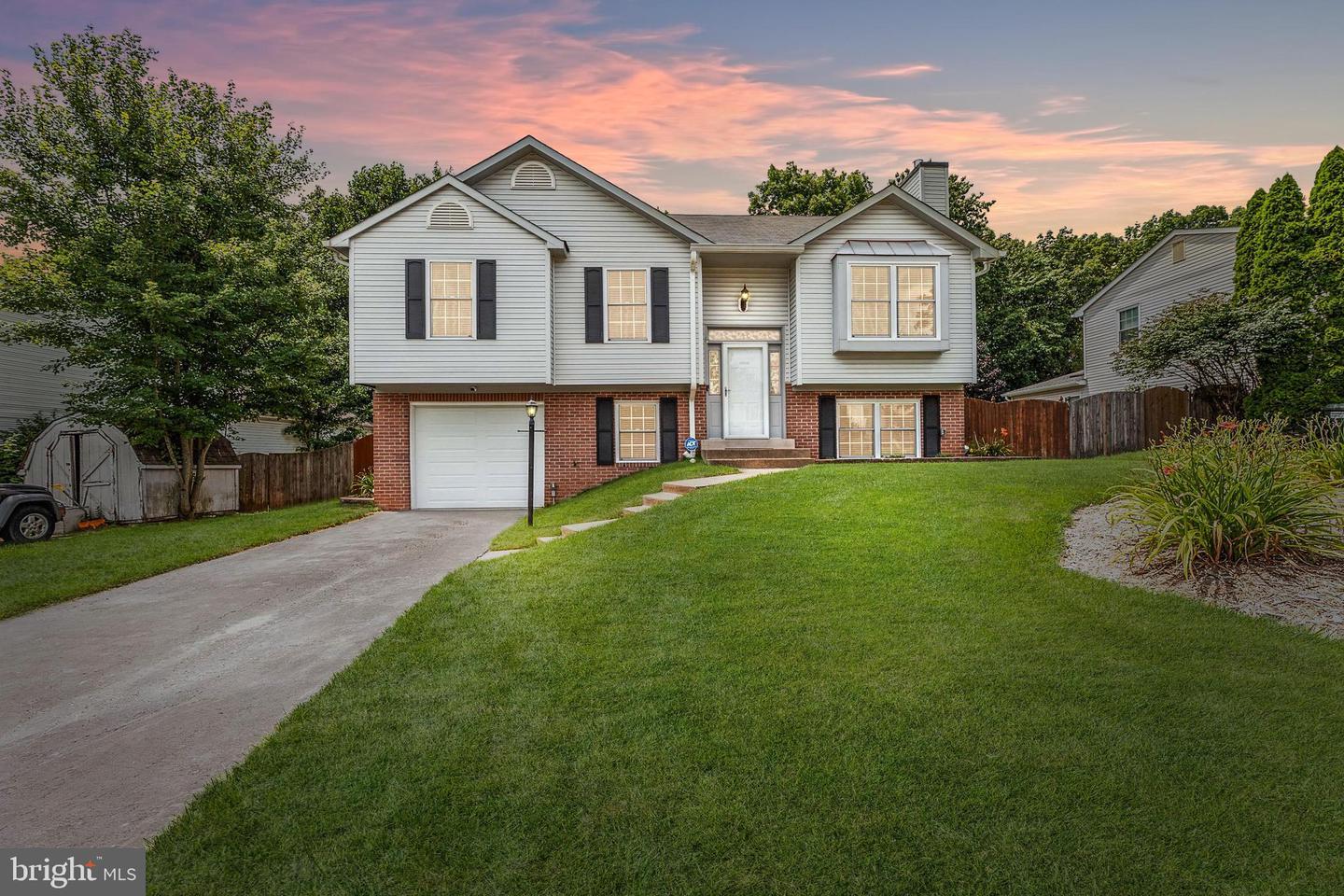
David Mount is a Certified Probate Real Estate Specialist (CPRES). He has completed formal CPRES training to help personal representatives, executors, trustees, and heirs sell probate and inherited property across Northern Virginia, including Alexandria, Arlington, Fairfax County, Loudoun County, Prince William County, Falls Church, McLean, Vienna, Reston, and Herndon. Contact David: 571-946-8418 · david.mount@thereduxgroup.com Quick Answer: Probate in Prince William County, Virginia typically takes 12 to 18 months to fully close. Qualification appointments at the Prince William Circuit Court Probate Division generally book within 2 to 3 weeks of your initial call. Once qualified as personal representative, you have authority to list and sell the home immediately, no court approval required for the sale. The 4-month inventory and 16-month accounting deadlines run on their own timeline and do not gate the sale. David Mount, an NVAR Top Producers Club Platinum Member (2024 and 2025) with 12+ years of experience and 200+ Northern Virginia transactions, helps Prince William County executors and personal representatives navigate every step. Call (571) 946-8418 or email david.mount@thereduxgroup.com. What’s in this guide Where I've sold: I've personally closed sales in Haymarket (recent transactions in 2022, 2024). I've personally closed sales in Potomac Crest within Triangle. I've personally closed sales in Potomac Shores, Montclair, and Country Club Lake within Dumfries. I've personally closed sales in Markhams Grant, Dale City, and Port Potomac within Woodbridge. I've personally closed sales in Lee Square, Blooms Hill, and Bradley Square within Manassas. I've personally closed sales in Aquia Harbour within Stafford. The short answer: Prince William probate at a glance Prince William Circuit Court Probate Division: where you’ll go and what to expect Step-by-step probate timeline in Prince William (week-by-week) When can you sell the home? (Long before probate closes) The 4-month inventory: what PWC personal representatives need to file The 16-month accounting and annual filings When Prince William probate takes longer Military families & PWC probate: special considerations Out-of-state personal representatives: handling PWC probate remotely Multi-heir situations in PWC probate sales How David Mount helps Prince William County personal representatives Frequently asked questions The short answer: Prince William probate at a glance If you’ve just been named executor or personal representative for an estate in Prince William County, covering Manassas, Manassas Park, Woodbridge, Dale City, Dumfries, Gainesville, Haymarket, Bristow, and the rest of the county, the timeline questions are the practical ones. Here is the 2026 answer for PWC specifically. Prince William County sits between Arlington and Fairfax in probate volume. PWC’s Circuit Court Probate Division handles more estates per week than Arlington but fewer than Fairfax County. Qualification appointments typically book within 2 to 3 weeks of your initial call. Once you have your Certificate of Qualification, you have legal authority to list and sell the home immediately. The 4-month inventory and 16-month accounting deadlines run on their own calendar. They do not control when the home goes on the market. Most Prince William estates with a single home asset close within 12 to 18 months of qualification. Estates with complications, multi-heir disputes, contested wills, title problems on older Manassas or Dumfries properties, can take 24 months or longer. The home itself is typically sold well before the estate closes. Prince William Circuit Court Probate Division: where you’ll go and what to expect Probate in Prince William is administered by the Probate Division at the Prince William Circuit Court Clerk’s Office, located at the Judicial Center at 9311 Lee Avenue, Manassas, VA 20110. The Circuit Court handles all original probate matters for the county, including the City of Manassas and the City of Manassas Park (which use the Prince William Circuit Court for their probate). To schedule a qualification appointment, call the Probate Division directly. Probate is by appointment only. Prince William’s Probate Division is well-organized but busy. The county has grown substantially over the past two decades and the volume of estates filing each week reflects that. Qualification appointments typically take 45 to 75 minutes, slightly longer than Arlington and roughly the same as Fairfax. What to bring to your Prince William qualification appointment The original will (if any). No photocopies for filing. A certified death certificate. Order at least 5 certified copies. A preliminary list of probate assets and approximate values. A list of heirs and addresses per Va. Code §64.2-509. Government-issued photo ID. Payment for the probate tax (cash, check, or card). Virginia probate tax is $0.10 per $100 of estate value (Va. Code §58.1-1712). Estates under $15,000 owe no probate tax. The clerk will administer the oath, collect the probate tax, and (unless the will waives bond) post your surety bond. You’ll leave with a Certificate of Qualification. Step-by-step probate timeline in Prince William (week-by-week) Week 1: Gather documents and call the Probate Division Locate the original will, the deed to the home, the most recent property tax bill, the most recent mortgage statement, and the homeowners insurance policy. Order at least 5 certified death certificates. Call the Prince William Circuit Court Probate Division to schedule your qualification appointment. Expect a 2 to 3 week wait for an appointment slot. Week 1 (parallel): Call the insurance carrier Switch the homeowners policy to a vacant-home or estate policy immediately. Many policies lapse 30 to 60 days after the owner’s death. An uninsured loss during this window can derail the sale before it starts. Week 3 or 4: Qualify at PWC Circuit Court Attend your qualification appointment at the Judicial Center in Manassas. The appointment runs 45 to 75 minutes. You leave with a Certificate of Qualification. Week 3 or 4 (same week): Open the estate bank account Take a certified copy of your Certificate of Qualification to a bank and open a dedicated estate account in the estate’s name. Week 4 to 6: CMA and prep decisions Get a professional comparative market analysis from a Northern Virginia REALTOR® familiar with the specific PWC sub-market. Prince William has remarkable sub-market variety: the Manassas Historic District has different pricing dynamics than newer Bristow construction; Woodbridge condos near the VRE behave differently than single-family inventory in Gainesville; Haymarket and Nokesville lean toward larger lots and longer days-on-market than the more compact Dale City stock. Week 5 to 7: List the home Days-on-market for well-priced PWC homes in 2026 typically runs 14 to 35 days, varying by sub-market and price band. Week 7 to 14: Under contract through closing Contract-to-close window: 30 to 45 days for financed buyers, 14 to 21 days for cash buyers. Many PWC buyers use VA loans, and VA appraisals occasionally surface property-condition issues that conventional appraisals would not. Month 4: File the inventory with the Commissioner of Accounts Within 4 months of qualification, file an inventory with the Prince William Commissioner of Accounts. The home appears at its date-of-death fair market value. Month 12 to 18: Final accounting and estate closure The 16-month accounting is filed with the Commissioner. Once all debts are paid, all assets distributed, and the final accounting is approved, the estate closes. When can you sell the home? Long before probate closes. You do not need to wait for probate to close, or even for the 4-month inventory to be filed, to sell the home. Once you have your Certificate of Qualification, you have legal authority to list, contract, and close. Va. Code §64.2-521 and the broader fiduciary powers under §64.2-105 and §64.2-106 give the personal representative power to sell real estate as long as the will grants that power (most modern wills do). Most PWC personal representatives sell the home within 2 to 6 months of qualification, well before the estate is closed. The 4-month inventory: what PWC personal representatives need to file Within 4 months of qualification, you must file an inventory of probate assets with the Prince William Commissioner of Accounts. The inventory lists every probate asset at its date-of-death fair market value. Assets that passed outside probate, joint-tenancy property, retirement accounts with named beneficiaries, life insurance with named beneficiaries, trust-held assets, are NOT included. The home’s date-of-death value matters three ways: it goes on the inventory, it establishes the federal stepped-up basis under IRC §1014, and it becomes the reference point against which any post-death appreciation is measured. The 16-month accounting and annual filings The first formal accounting is due 16 months after qualification, with annual accountings due each year thereafter until the estate is closed. The accounting is a ledger of every receipt into and disbursement from the estate account. When Prince William probate takes longer (and how to avoid those traps) Most PWC estates with a single home and a clear will close within 12 to 18 months. The recurring causes for delay: The home doesn’t sell quickly. Overpriced listings in slower-absorbing PWC sub-markets can sit 60 to 90 days, which stretches the entire estate timeline. VA appraisal issues. PWC’s heavy VA-loan buyer pool means VA appraisals are common. VA appraisers flag property-condition issues conventional appraisers might not. Title problems on older properties. Older Manassas homes (some pre-1970) sometimes have title irregularities: easement disputes, unrecorded driveway agreements, names spelled differently across deeds. Contested will. Rare but disruptive. Multi-heir disagreement on selling. If the will gives the home to multiple heirs as tenants in common and they can’t agree, partition under Va. Code §8.01-81 becomes a 6 to 12 month detour. Creditor claims. Virginia gives creditors a window to file claims. Most PWC estates have minimal creditor issues, but substantial unpaid debts must be addressed. Military families & PWC probate: special considerations Prince William County has a substantial military population thanks to Marine Corps Base Quantico in the southern part of the county and proximity to Fort Belvoir and the Pentagon. Several probate considerations come up regularly for military estates and for military personal representatives: Active-duty PR overseas or out-of-state. An active-duty service member can serve as personal representative for a PWC estate from another duty station or overseas. The qualification appointment still requires a one-trip visit to the Manassas Judicial Center, but the rest of the workflow runs remotely. Servicemembers Civil Relief Act (SCRA) considerations. If the deceased was active-duty at death, certain SCRA protections may extend into the estate context, particularly around mortgage interest rate caps and foreclosure protections during the year following death. Survivor Benefit Plan (SBP) and VA benefits. Survivor benefits are not probate assets but may affect the surviving spouse’s financial picture and the timing of the home sale. VA-loan assumption considerations. If the deceased held a VA loan, the surviving spouse (or in some cases an heir who qualifies) may be able to assume the loan rather than refinance or sell. Out-of-state personal representatives: handling PWC probate remotely You can serve as personal representative for a PWC estate from anywhere. Virginia does not require the PR to be a Virginia resident, though out-of-state PRs may face a higher bond requirement. The qualification appointment requires physical appearance at the PWC Circuit Court in Manassas. The rest of the workflow runs remotely: Listing agreement signs electronically Marketing prep, showings, and offers managed by the agent on the ground Sale contract signs electronically Closing documents sign via mobile notary or Virginia’s RON (remote online notarization) Sale proceeds wire to the estate bank account on closing day Multi-heir situations in Prince William probate sales If the will distributes the home to a single beneficiary, the personal representative handles the sale and distributes proceeds at closing. If the will distributes the home to multiple beneficiaries or there’s no will, multi-heir dynamics come into play. The single most effective tool: get every heir on one call early, walk through every option together, list price and timeline if going to market, or the option to sell for cash before the home is ever listed, and document the agreed strategy in writing. Most multi-heir disagreements stem from incomplete information, not bad faith. How David Mount helps Prince William County personal representatives David Mount is a Northern Virginia REALTOR® with The Redux Group of eXp Realty, with $130M+ in lifetime sales, 12+ years of full-time experience, and 200+ successful transactions across Fairfax, Loudoun, Arlington, Prince William, Alexandria, and Falls Church. For Prince William County estates specifically: Sub-market-aware pricing. PWC pricing varies dramatically by neighborhood. Manassas Historic District, Bristow newer construction, Dale City, Woodbridge VRE-corridor townhomes, Dumfries, Gainesville, Haymarket. Each has a different playbook. VA-loan-aware prep. Pre-listing prep addresses common VA appraisal flags so the home doesn’t lose 30 days to repair negotiations after offer acceptance. Pre-listing vendor network. Estate cleanouts, painters, light contractors, cleaners, stagers, photographers, locksmiths, lawn services. Many on pay-at-closing terms. Military-family fluency. Coordination with active-duty PRs, SCRA awareness, VA-loan-assumption modeling where relevant. Multi-heir communication discipline. Written updates, transparent numbers, all parties on the same information. Remote and out-of-state PR workflow. Electronic signing, RON notarization, full local logistics handled on the ground. Attorney coordination. David works alongside experienced PWC and broader NoVA probate attorneys. Call David at (571) 946-8418 or email david.mount@thereduxgroup.com for a confidential, no-pressure conversation. Probate Timelines in Other Northern Virginia Counties Virginia law sets the framework, but each Circuit Court runs its own clock. If the estate you are handling sits in a different jurisdiction, these local guides walk through the timeline step by step: How Long Does Probate Take in Fairfax County?How Long Does Probate Take in Loudoun County?How Long Does Probate Take in Arlington County?How Long Does Probate Take in Alexandria, VA? Frequently asked questions How long does it take to qualify as personal representative in Prince William County? Prince William typically schedules qualification appointments within 2 to 3 weeks of your initial call. The appointment itself takes 45 to 75 minutes. Where is the PWC Circuit Court Probate Division located? The Prince William Circuit Court Clerk’s Office is at the Judicial Center, 9311 Lee Avenue, Manassas, VA 20110. The Probate Division handles all original probate matters for the county and for the independent Cities of Manassas and Manassas Park. Can I sell the home before the 4-month inventory is filed? Yes. Once you have your Certificate of Qualification, you have legal authority to list, contract, and close. The inventory and accounting deadlines run on independent timelines and do not gate the sale. Do I need a lawyer to handle Prince William probate? You don’t strictly need one. The Probate Division will walk you through qualification without legal counsel. However, for any estate involving a home, multiple heirs, or non-routine assets, a Virginia probate or estate attorney is well worth the modest cost. How long does the full PWC probate take from start to finish? Typically 12 to 18 months for a straightforward estate with a clear will and a single home asset. The home itself is usually sold within 2 to 6 months of qualification. What if the deceased lived in Manassas City: does Prince William probate still apply? Yes. The independent Cities of Manassas and Manassas Park use the Prince William Circuit Court for their probate proceedings. What if the deceased was on active duty at Quantico? The estate is still administered through the Prince William Circuit Court. Active-duty death may trigger additional benefits, Survivor Benefit Plan, VA Dependency and Indemnity Compensation, possibly Servicemembers Group Life Insurance, that affect the surviving family’s finances but are not part of the probate estate. Does Virginia have an inheritance tax on Prince William estates? No. Virginia does not have a state inheritance tax or estate tax. See our Virginia inheritance-tax explainer. What if the home is held in a trust instead of going through probate? If the home was titled in a revocable living trust at the time of death, no probate is needed for the home. See our successor trustee guide. What if multiple heirs can’t agree on selling? Get everyone on a single call early, walk through the numbers together. Most multi-heir conflicts come from incomplete information rather than bad faith. If agreement isn’t reachable, partition under Va. Code §8.01-81 is the last resort. Can David help with the estate cleanout, not just the sale? Yes. David’s vendor network includes trusted PWC and broader NoVA estate sale companies, professional cleanout services, junk-haul services, and donation coordinators. About David Mount David Mount is a REALTOR® with The Redux Group of eXp Realty. He grew up in Burke, Virginia and graduated from Lake Braddock Secondary School. With 12+ years of full-time experience, 200+ successful transactions, $130M+ in lifetime sales, and 100+ verified five-star client reviews, David is an NVAR Top Producers Club Platinum Member (2024 and 2025), FastExpert 5-Star Agent, and Zillow Premier Agent. Call David at (571) 946-8418 or email david.mount@thereduxgroup.com for a confidential consultation. Related resources Selling an Inherited Home in Northern Virginia How Long Does Probate Take in Fairfax County, VA? How Long Does Probate Take in Loudoun County, VA? How Long Does Probate Take in Arlington County, VA? Military PCS & Job Relocation Home Selling Selling a Home Held in a Trust in Virginia Glossary: Probate, Trust & Inherited Property Terms
Read more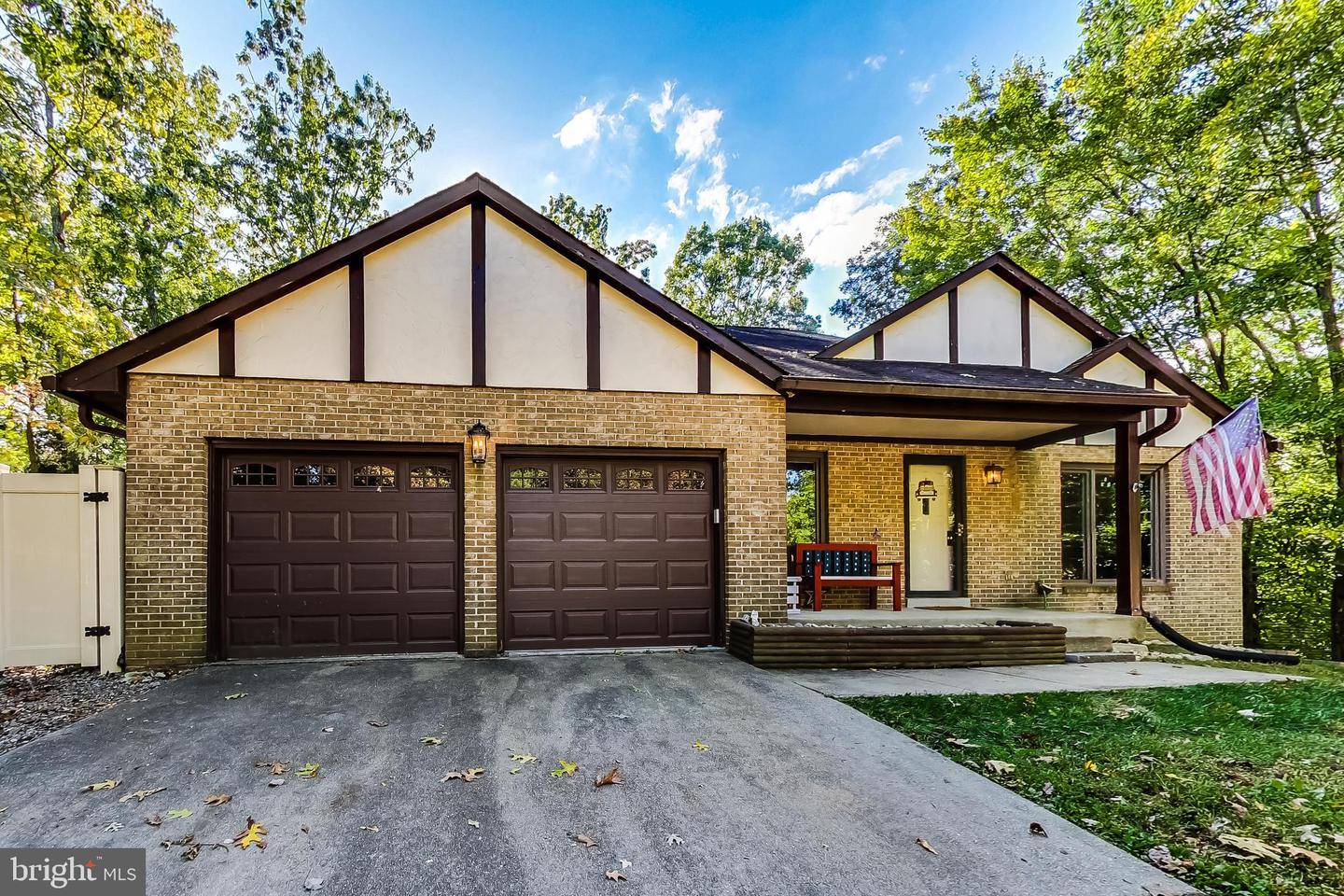
David Mount is a Certified Probate Real Estate Specialist (CPRES). He has completed formal CPRES training to help personal representatives, executors, trustees, and heirs sell probate and inherited property across Northern Virginia, including Alexandria, Arlington, Fairfax County, Loudoun County, Prince William County, Falls Church, McLean, Vienna, Reston, and Herndon. Contact David: 571-946-8418 · david.mount@thereduxgroup.com Quick Answer: Probate in Arlington County, Virginia typically takes 12 to 18 months to fully close. The qualification appointment with the Arlington Circuit Court Probate Division usually happens within 1 to 2 weeks of your initial call, and once qualified as personal representative you have authority to list and sell the home immediately. The 4-month inventory and 16-month accounting deadlines run on their own timeline and do not gate the sale. David Mount, an NVAR Top Producers Club Platinum Member (2024 and 2025) with 12+ years of experience and 200+ Northern Virginia transactions, helps Arlington executors and personal representatives navigate every step. Call (571) 946-8418 or email david.mount@thereduxgroup.com. What’s in this guide Where I've sold: I've personally closed sales in Arlington (recent transactions in 2023). The short answer: Arlington probate at a glance Arlington Circuit Court Probate Division: where you’ll go and what to expect Step-by-step probate timeline in Arlington (week-by-week) When can you sell the home? (Hint: long before probate closes) The 4-month inventory: what Arlington personal representatives need to file The 16-month accounting and annual filings When Arlington probate takes longer (and how to avoid those traps) Out-of-state personal representatives: handling Arlington probate remotely Multi-heir situations in Arlington probate sales How David Mount helps Arlington personal representatives Frequently asked questions The short answer: Arlington probate at a glance If you’ve just been named executor or personal representative for an estate in Arlington County, the timeline questions you’re asking are practical ones. When can I sell the house? How long until the estate is officially closed? What deadlines am I responsible for? Here is the honest 2026 answer for Arlington specifically. Arlington County runs one of the faster-moving probate operations in Northern Virginia. The Arlington Circuit Court Probate Division typically schedules qualification appointments within 1 to 2 weeks of your initial call. That’s faster than Fairfax County or Loudoun County, where lead times of 2 to 4 weeks are common. Once you have your Certificate of Qualification in hand, you have legal authority to list and sell the home, no court approval needed, no waiting for any later filing to clear. The remaining probate calendar, the 4-month inventory, the 16-month accounting, the eventual closing of the estate, runs on its own track and does not control when the home goes on the market. Most Arlington estates with a single home asset close within 12 to 18 months of qualification, but the home is generally sold long before that. Arlington Circuit Court Probate Division: where you’ll go and what to expect Probate in Arlington is administered by the Probate Division at the Arlington Circuit Court Clerk’s Office, located at 1425 N. Courthouse Road, Arlington, VA 22201. The Circuit Court Clerk’s Office handles all original probate matters in the county. To schedule a qualification appointment, you’ll typically call the main Circuit Court line and ask to be routed to the Probate Division. Call before showing up. Probate qualification is by appointment only, not walk-in. What sets Arlington apart from Fairfax and Loudoun is volume. Arlington is geographically the smallest county in Virginia and has a comparatively smaller population than the neighboring suburbs. That means fewer estates qualifying each week, shorter appointment lead times, and a probate staff who are typically able to spend more time walking each personal representative through the process during the qualification meeting. Most Arlington qualifications take 45 to 60 minutes. What to bring to your Arlington qualification appointment The original will (if any). Photocopies will not be accepted for filing. If the original cannot be located, special procedures apply and an estate attorney should be consulted. A certified death certificate. Order at least 5 certified copies from the funeral home or directly from the Virginia Department of Health: you will need multiple originals for the qualification, the title company, banks, brokerage firms, and Social Security. A preliminary list of probate assets and approximate values. Include the home, any bank accounts, brokerage accounts, vehicles, and personal property of meaningful value. You’ll refine this in the formal inventory later. A list of heirs and addresses (per Va. Code §64.2-509). Even when there’s a valid will, Virginia requires you to disclose the legal heirs. Government-issued photo ID. Cash, check, or card for the probate tax. Virginia probate tax is $0.10 per $100 of estate value (Va. Code §58.1-1712). On a $750,000 estate, that’s $750. Estates valued under $15,000 owe no probate tax. Arlington also charges modest recording fees on top. At the appointment, the clerk will administer the oath, collect the probate tax, and (unless the will waives bond, which most modern wills do) post your surety bond. You’ll leave with a Certificate of Qualification, sometimes called Letters Testamentary when there’s a will, or Letters of Administration if there isn’t. This document is your legal authority to act for the estate. Step-by-step probate timeline in Arlington (week-by-week) Week 1: Locate documents and call the Probate Division Find the original will, the deed to the home, the most recent property tax bill, the most recent mortgage statement (if any), and the homeowner’s insurance policy. Order at least 5 certified death certificates. Call the Arlington Circuit Court Probate Division to schedule your qualification appointment. In Arlington, this call typically gets you an appointment within 1 to 2 weeks. Week 1 (parallel): Call the insurance carrier Many homeowner insurance policies lapse 30 to 60 days after the owner’s death. Call the carrier immediately and switch the policy to a vacant-home or estate policy. An uninsured loss during this window, weather damage, vandalism, a frozen pipe, can derail the entire sale before it starts. This is the single most overlooked first-week task in inherited-property sales. Week 2 or 3: Qualify with the Arlington Probate Division Attend your qualification appointment. Bring the documents listed above. The appointment runs 45 to 60 minutes. You leave with a Certificate of Qualification. Week 2 or 3 (same week): Open the estate bank account Take a certified copy of your Certificate of Qualification to a bank and open a dedicated estate account in the name of the estate. All sale proceeds, ongoing expenses, and final distributions flow through this account. Don’t run estate money through your personal account. Week 3 to 5: Order a comparative market analysis and start prep decisions Get a professional CMA from a Northern Virginia REALTOR® familiar with the Arlington market. This valuation serves three purposes at once: (1) it informs your decision to sell, hold, or rent; (2) it establishes the stepped-up basis for federal capital-gains purposes; and (3) it becomes the basis for the real-property entry on the 4-month inventory you’ll file with the Commissioner of Accounts. David provides complimentary CMAs for inherited Arlington properties. Decide your prep approach. The three options every personal representative faces: sell as-is for speed, do strategic light prep (paint, carpet, fixtures, clean-up) for top dollar, or hold/rent. The right answer depends on the home’s condition, the family’s timeline, and the market dynamics in the specific Arlington neighborhood. Week 4 to 6: List the home If you’re doing light prep, this is when the contractors are working. If you’re going as-is, this is when the home goes on the market. Arlington’s 2026 market typically absorbs well-priced single-family homes in 10 to 30 days for the right pricing tier, and condos in 10 to 45 days depending on building and price point. Week 6 to 12: Under contract through closing Once you accept an offer, the contract-to-close window in Northern Virginia 2026 is typically 30 to 45 days for financed buyers, 14 to 21 days for cash buyers. The title company will require certified copies of your Certificate of Qualification, the death certificate, and possibly a short title affidavit. Arlington-area title companies are very familiar with probate sales. Month 4: File the inventory with the Commissioner of Accounts Within 4 months of qualification, Virginia law requires the personal representative to file an inventory of probate assets with the Arlington Commissioner of Accounts. The inventory lists every probate asset at its date-of-death value. The home appears here at its date-of-death fair market value. Month 12 to 18: Final accounting and estate closure An annual accounting is due 16 months after qualification and every year thereafter until the estate is closed. If the home was sold before the first accounting, the sale proceeds and disbursements appear in that filing. Once all debts are paid, all assets distributed per the will, and a final accounting is approved by the Commissioner, the estate is officially closed. When can you sell the home? (Hint: long before probate closes) This is the single most common misunderstanding among new personal representatives. You do not need to wait for probate to be fully closed to sell the home. In fact, you don’t need to wait for the 4-month inventory to be filed. You don’t need to wait for the 16-month accounting either. Once you have your Certificate of Qualification, you have legal authority to list, contract, and close on the home. The legal foundation is Va. Code §64.2-521 and the broader fiduciary powers under §64.2-105 and §64.2-106. As long as the will grants the personal representative the power to sell real estate (most modern wills do) or the property is being sold to pay debts of the estate, no prior court approval is required. Most Arlington personal representatives sell the home well before estate closure, typically within 2 to 6 months of qualification. The 4-month inventory: what Arlington personal representatives need to file Within 4 months of qualification, you must file an inventory of probate assets with the Arlington Commissioner of Accounts. The inventory is a sworn statement listing every probate asset and its fair market value as of the date of death. For most Arlington estates, the inventory includes the home, bank accounts, brokerage and retirement accounts (if not pay-on-death to a beneficiary), vehicles, and personal property of value. Items that are NOT included on the inventory: assets that passed outside of probate. That includes life insurance with named beneficiaries, retirement accounts with designated beneficiaries, property held jointly with right of survivorship, and assets held in a trust. This is why a date-of-death CMA matters so much. The home’s date-of-death value is the number you list on the inventory, the number that establishes the federal stepped-up basis under IRC §1014, and the number against which any post-death appreciation is measured. The 16-month accounting and annual filings The first formal accounting is due 16 months after qualification. After that, annual accountings are due each year until the estate is closed. The accounting is a comprehensive ledger: every receipt into the estate account, every disbursement out. This is where the discipline of running everything through the estate bank account pays off. If you’ve been depositing all estate-related income into the estate account and paying all estate-related expenses from it, the accounting is largely a matter of attaching bank statements. When Arlington probate takes longer (and how to avoid those traps) Most Arlington estates with a single home and a clear will close within 12 to 18 months. Some take 24 months or longer. The recurring causes: The home doesn’t sell quickly. If the home sits on the market for 6+ months, the entire estate timeline stretches. The fix: defensible pricing from day one, a CMA-driven prep plan, and a marketing strategy that fits the specific Arlington sub-market. Title problems surface during the sale. The most common Arlington title issue is a deed that names the deceased differently than the death certificate. Easily fixed with an affidavit, but it adds 1 to 2 weeks. The will is contested. Rare but disruptive. A contested will halts the sale until the dispute resolves. Multi-heir disagreement on whether to sell. If the will distributes the home to multiple heirs as tenants in common and they can’t agree, the estate may need to pursue partition under Va. Code §8.01-81. This adds 6 to 12 months. The estate has creditor claims. Virginia gives creditors a window to file claims against the estate. Most estates have minimal creditor issues, but if substantial unpaid debts surface, the personal representative must address them before final distribution. Out-of-state personal representatives: handling Arlington probate remotely If you live outside Virginia, you can still serve as personal representative for an Arlington estate. Virginia does not require the personal representative to be a Virginia resident, but it does require a non-resident personal representative to either be a Virginia resident’s co-personal representative or post a more substantial bond. For the qualification appointment, you must physically appear at the Arlington Circuit Court. Plan a one-day trip to Arlington for the appointment. After qualification, the rest can be handled remotely. The listing agreement can sign electronically. The marketing prep, showings, and offer review happen with David’s team on the ground in Arlington while you stay informed via phone, email, video, and text. Sale proceeds wire to the estate account on closing day. For overseas executors (active-duty military or expat), the same workflow applies. RON is the preferred path. U.S. embassy and consulate notarization is also valid for international signers. Multi-heir situations in Arlington probate sales If the will distributes the home to a single beneficiary, the personal representative sells under their own authority. If the will distributes the home to multiple beneficiaries or there’s no will and Virginia intestacy law gives the home to multiple heirs, multi-heir dynamics come into play. The single most effective tool: get every heir on a call early, walk through every option together, list price and timeline if going to market, or the option to sell for cash before the home is ever listed, and document the agreed strategy in writing. Most multi-heir disagreements come from incomplete information, not bad faith. If agreement isn’t reachable, Virginia law allows any co-owner to file a partition action under Va. Code §8.01-81. Partition forces a sale by court order. It takes 6 to 12 months and damages family relationships. A neutral mediator or an experienced estate attorney can usually broker an agreement before partition becomes necessary. How David Mount helps Arlington personal representatives David Mount is a Northern Virginia REALTOR® with The Redux Group of eXp Realty, with $130M+ in lifetime sales, 12+ years of full-time experience, and 200+ successful transactions across Fairfax, Loudoun, Arlington, Prince William, Alexandria, and Falls Church. For Arlington estates specifically: Probate-aware listing. Clear updates, written numbers, all paperwork structured for the eventual accounting filing. Pre-listing vendor network. Estate cleanouts, painters, light contractors, cleaners, stagers, photographers, locksmiths, and lawn services. Many of whom defer payment until closing. Arlington sub-market pricing. North Arlington (Donaldson Run, Country Club Hills, Bellevue Forest, Yorktown), Central Arlington (Clarendon, Courthouse, Ballston condos), and South Arlington (Aurora Highlands, Crystal City, Pentagon City) each have distinct pricing and marketing dynamics. Multi-heir communication discipline. Written updates, transparent numbers, all parties on the same information. Remote and out-of-state heir workflow. Electronic signing, RON notarization, video walkthroughs, full local logistics handled on the ground in Arlington. Attorney coordination. David works alongside experienced Arlington and broader NoVA probate attorneys. Call David at (571) 946-8418 or email david.mount@thereduxgroup.com for a confidential, no-pressure conversation. Probate Timelines in Other Northern Virginia Counties Virginia law sets the framework, but each Circuit Court runs its own clock. If the estate you are handling sits in a different jurisdiction, these local guides walk through the timeline step by step: How Long Does Probate Take in Fairfax County?How Long Does Probate Take in Loudoun County?How Long Does Probate Take in Prince William County?How Long Does Probate Take in Alexandria, VA? Frequently asked questions How long does it take to qualify as personal representative in Arlington County? Arlington typically schedules qualification appointments within 1 to 2 weeks of your initial call. That’s faster than Fairfax County or Loudoun County. The appointment itself takes 45 to 60 minutes. Can I sell the home before the 4-month inventory is filed? Yes. Once you have your Certificate of Qualification, you have legal authority to list, contract, and close on the home. The 4-month inventory and 16-month accounting deadlines run on independent timelines and do not gate the sale. Do I need a lawyer to handle Arlington probate? You don’t strictly need one. The Arlington Probate Division will walk you through qualification without legal counsel. However, for any estate involving a home, multiple heirs, or non-routine assets, a Virginia probate or estate attorney is well worth the modest cost. How long does the whole Arlington probate take from start to finish? For a straightforward estate with a clear will, a home, and routine financial assets, typically 12 to 18 months from qualification to estate closure. The home itself is usually sold within the first 2 to 6 months of qualification. What’s the Arlington probate tax? Virginia probate tax is $0.10 per $100 of estate value (Va. Code §58.1-1712), with no probate tax due on estates under $15,000. On a $750,000 estate, that’s $750. What’s the difference between Arlington probate and Fairfax County probate? The legal framework is the same, both follow Title 64.2 of the Code of Virginia. The practical differences are administrative: Arlington runs a smaller-volume Probate Division with shorter qualification lead times (1 to 2 weeks vs. Fairfax’s 2 to 4 weeks). Can the Arlington Circuit Court probate appointment be done remotely? No. Qualification requires physical appearance at the Arlington Circuit Court Clerk’s Office. Plan a one-day trip if you’re out of state. After qualification, the rest of the workflow can be remote. What if the home is held in a trust instead of going through probate? If the home was titled in a revocable living trust at the time of death, no probate is needed for the home. The successor trustee derives authority from the trust document and Va. Code §64.2-778, and can list and sell using a Certification of Trust under Va. Code §64.2-804. See our successor trustee guide. Does Virginia have an inheritance tax that the Arlington estate will owe? No. Virginia does not have a state inheritance tax or estate tax. Virginia’s estate tax was effectively repealed in 2007. See our Virginia inheritance-tax explainer. What if the heirs can’t agree on whether to sell? Get everyone on a single call early and walk through the numbers together. If agreement still isn’t reachable, Virginia law allows any co-owner to file a partition action under Va. Code §8.01-81. Partition is a last resort, 6 to 12 months and damages family relationships. Can David help with the estate cleanout, not just the sale? Yes. David’s vendor network includes trusted Arlington estate sale companies, professional cleanout services, junk-haul services, and donation coordinators. Many operate on a flat-rate or pay-at-closing basis so the estate doesn’t have to front cash. What if the deceased lived in Arlington but I live in California: does Arlington probate apply? Yes. Probate is administered in the jurisdiction where the deceased was domiciled at death. If your parent was an Arlington resident, the estate qualifies in Arlington Circuit Court regardless of where the heirs live. About David Mount David Mount is a REALTOR® with The Redux Group of eXp Realty. He grew up in Burke, Virginia and graduated from Lake Braddock Secondary School. With 12+ years of full-time experience, 200+ successful transactions, $130M+ in lifetime sales, and 100+ verified five-star client reviews, David is an NVAR Top Producers Club Platinum Member (2024 and 2025), FastExpert 5-Star Agent, and Zillow Premier Agent. Call David at (571) 946-8418 or email david.mount@thereduxgroup.com for a confidential consultation. Related resources Selling an Inherited Home in Northern Virginia: Estate Sale Guide (2026) How Long Does Probate Take in Fairfax County, VA? (2026 Timeline) How Long Does Probate Take in Loudoun County, VA? (2026 Timeline) Selling a Home Held in a Trust in Virginia Trust Sale vs Probate Sale in Virginia Capital Gains on Inherited Property in Virginia Does Virginia Have an Inheritance Tax? Multiple Beneficiaries, One House For Probate Attorneys: A Real Estate Partner Glossary: Probate, Trust & Inherited Property Terms in Virginia
Read more
A practical guide to selling in Springfield, VA, sub-neighborhood pricing, the Metro and Fort Belvoir buyer pool, and the prep that actually moves Springfield homes, written by an agent who’s closed many Springfield sales, from $332K townhouses up to a $915K single-family home. Why selling a home in Springfield is its own thing Where I’ve sold: I’ve personally closed sales in Newington Forest, Springfield Village, Japonica, Charlestown, North Springfield Park, South Run Forest, Rolling Forest, Cardinal Forest, and Lakewood Hills within Springfield. Springfield is one of the most strategically located ZIP codes in Northern Virginia: sitting at the convergence of I-95, I-395, and I-495, with two Metro stations (Franconia-Springfield Blue Line, plus VRE), and direct access to Fort Belvoir, the Pentagon, the Mark Center, and the Springfield Town Center redevelopment. That combination of transit, military, and redevelopment activity means Springfield draws an unusually wide buyer pool. It also means “Springfield” covers a much bigger and more varied set of micro-markets than most sellers realize. In practical terms: Springfield is at least four distinct sub-markets stitched together by ZIP codes 22150, 22151, 22152, and 22153. West Springfield prices and sells differently from North Springfield. Daventry and Saratoga are different stories from Cardinal Forest. The townhouse communities along Backlick Road price on different fundamentals than the older single-family neighborhoods on the West Springfield side. If your agent treats Springfield as one homogeneous market, your home will either sit too long or sell for less than it should. David’s Springfield track record Many Springfield sales closed over the past decade, ranging from a $332,000 two-bedroom townhouse on Crestmont Circle up to a $915,000 four-bedroom single-family home on Beachway Court in 2026. That spans every Springfield product type and price point a typical seller will encounter. Call David at (571) 946-8418 or email david.mount@thereduxgroup.com. What this guide covers Springfield sub-neighborhoods, ranked by how they price The Metro and Fort Belvoir buyer pools. What each one wants Pricing a Springfield home in 2026 Townhouse vs. single-family in Springfield Timing the Springfield market, when to list Springfield-specific prep that moves the needle Common Springfield seller mistakes Frequently asked questions Springfield sub-neighborhoods, ranked by how they price West Springfield A Lakewood Hills home David sold in West Springfield in 2026. This sub-neighborhood sits within the West Springfield High School pyramid. The premium half of the Springfield market. The premium half of Springfield. Larger lots, mature trees, the West Springfield High School pyramid (consistently among the higher-rated in Fairfax County), and proximity to the Burke Lake Park / South Run Stream Valley corridor. Single-family homes here typically sit at the top of the Springfield range. David sold 7200 Beachway Court in 2026 for $915,000, a four-bedroom SFH that demonstrates the upper end of what well-prepared West Springfield single-family inventory commands. Buyers in this sub-market are often move-up families coming from Springfield, Burke, or Lorton townhouses, military households on long-tour orders to Fort Belvoir, and Pentagon / Mark Center commuters who specifically want the I-95 access. A South Run Forest home David sold near the Burke Lake Park / South Run Stream Valley corridor. West Springfield’s park-adjacent character is a real value driver here. North Springfield A North Springfield Park home David sold in 2022. North Springfield’s mid-century single-family stock is the more accessible entry point in the Springfield market. Older stock (much built in the 1950s through 1970s), generally on smaller lots, with a buyer pool that skews toward first-time single-family buyers, downsizers from larger Fairfax County homes, and investors looking for rental cash flow. Pricing here has appreciated meaningfully through the 2020s but remains the more accessible single-family entry point in Springfield. North Springfield’s proximity to the Beltway (I-495) and Annandale Road makes it particularly strong for Pentagon and Tysons commuters who want SFH inventory under $700,000. Daventry / Saratoga / Cardinal Forest Established mid-tier neighborhoods, generally 1970s through 1990s construction, with a mix of single-family homes and townhouses. David sold 7313 Husky Lane in 2022 for $615,000 (a four-bedroom SFH in the Saratoga area) and 6005 Merryvale Court in 2022 for $850,000 and 7004 Maple Tree Lane in 2022 for $835,000 (both larger five-bedroom SFHs in the broader Daventry/Saratoga area). These streets sit within 10 minutes of the Franconia-Springfield Metro and within 15 minutes of Fort Belvoir, which keeps the buyer pool deep across both civilian commuter and military-household profiles. Springfield Estates / Lake Braddock-adjacent Springfield Where Springfield bleeds into the Burke / Lake Braddock area. Pricing here picks up the Lake Braddock Secondary School pyramid premium, a school that draws regional buyer demand. David sold 7808 Valleyfield Drive in 2015 for $732,000, an SFH in this corridor. The 2015 number is older, but the underlying pattern (Lake Braddock pyramid + larger lot + Burke-adjacency) is the same one that supports current pricing in this sub-market. Newington Forest A Newington Forest home David sold in 2020. This Fort Belvoir-adjacent community is a particularly active sub-market for military-household buyers on PCS orders. Newington Forest is technically Newington but tagged Springfield in most MLS data. It sits on the southern edge of the Springfield market, closest to Fort Belvoir. The buyer pool here skews heavily military, and the inventory is mostly attached townhouses and smaller single-family homes built in the 1970s and 1980s. The Springfield townhouse belt A Japonica Springfield townhouse David sold in 2018, representative of the established attached-home inventory near the Franconia-Springfield Metro corridor. Springfield has a substantial inventory of attached townhouses, generally clustered along Backlick Road, near Springfield Town Center, and in pockets bordering the Franconia-Springfield Metro. David has closed several of these: 5993 Queenston Street, 2016, $407,000, three-bedroom townhouse 7263 Evanston Road, 2019, $399,999, three-bedroom townhouse 6358 Andrew Matthew Terrace: sold twice, in 2015 for $357,500 and again in 2018 for $397,500 (a clean illustration of how quickly Springfield townhouse pricing moved in the late 2010s) 8246 Crestmont Circle, 2020, $332,000, two-bedroom townhouse Springfield townhouse buyers in 2026 are usually first-time buyers, downsizers, military households on a 2 to 3 year orders cycle, or investors. Each profile has a different timeline and a different willingness to pay for upgrades. The Metro and Fort Belvoir buyer pools: what each one wants Two of the largest buyer pools for Springfield real estate are Metro commuters (especially Pentagon, L’Enfant Plaza, Crystal City, and Mark Center workers using the Blue Line and VRE from Franconia-Springfield) and Fort Belvoir-adjacent military households. Understanding what each pool actually wants in a listing meaningfully changes how you should present your home. Metro commuter buyers This buyer’s top question is “how long is the door-to-desk commute, end to end?” Listing copy that names Franconia-Springfield Metro Station, the specific Blue Line travel time to relevant stops, and the option of VRE (Manassas Line) outperforms generic “close to Metro” copy by a wide margin. If your home is within walking distance to the Metro, lead with that explicitly, with the actual walking time. If it’s a 5 to 10 minute drive plus parking-lot or kiss-and-ride drop-off, say that, too. Specificity wins. Fort Belvoir military households Military buyers in Springfield are typically working off a relatively tight calendar: orders dates, BAH cap, household-goods shipment timing. They’re looking for homes that can close fast, that fit within BAH for their pay grade and dependent status, and that are in school pyramids that work for school-age children. My military PCS guide for Northern Virginia walks through that timeline in detail. As a Springfield seller, the practical implications are: be ready to accept VA financing without flinching, understand that VA appraisals run on their own schedule, and be open to flexible occupancy timing that aligns with the buyer’s orders date. Pricing a Springfield home in 2026 Springfield’s pricing fundamentals in 2026 are a function of three factors: Metro distance, school pyramid, and product type. Two homes the same size and condition, one block apart, can price $40,000 to $80,000 differently because of where the school boundary line falls or because one is technically “walking distance” to the Metro and the other is technically a 6-minute drive. The right pricing approach is: Filter to the right ZIP code. 22150, 22151, 22152, and 22153 sell on different curves. Don’t average across them. Filter to your school pyramid. West Springfield HS, Lake Braddock SS, John Lewis HS (formerly Lee HS), Edison HS, and Robert E. Lee HS each pull different buyer subsets. Make sure your comp set is from your pyramid. Filter to product type. Detached single-family, attached townhouse, end-unit townhouse, and condo all price differently. Adjust for Metro proximity. Sub-15-minute walk to Franconia-Springfield Metro is a meaningful premium. So is 5-minute drive with reliable parking. Adjust for HOA dues and amenity package. Townhouse and condo communities have widely varying fee structures. The Zestimate is again not a substitute for this work. My post on why Zestimates run cold in Northern Virginia walks through specific examples. Townhouse vs. single-family in Springfield Springfield’s housing stock splits roughly into three product types: single-family detached homes (typically 2,000 to 4,000 square feet), attached townhouses (typically 1,200 to 2,400 square feet), and condos (mostly clustered near Backlick Road and Springfield Town Center). Each sells differently. Single-family selling strategy emphasizes lot, schools, commute, and mature-tree curb appeal. Photographing the yard well matters. Springfield SFH buyers are often coming out of townhouses where they couldn’t fit a swing set. Listing copy should name the specific elementary school assignment, the high school pyramid, and the actual end-to-end commute time to a named employer (Pentagon, Mark Center, Fort Belvoir, Tysons). Townhouse selling strategy emphasizes Metro proximity, end-unit-vs-interior status, garage configuration, and HOA fee transparency. The HOA fee is the second-most-asked question after price for Springfield townhouse buyers; listing copy that buries it loses showings. End units sell faster and at a 4 to 7% premium, lead with that if applicable. Condo selling strategy emphasizes price-per-square-foot relative to nearby townhouses (since the buyer is often choosing between a Springfield condo and a Springfield townhouse), VA-eligibility status of the condo association (which dramatically expands the military buyer pool), and any pending special assessments or major capital projects. A recent Lakewood Hills sale: $915,000 on a $900,000 list, ratified sight unseen during Coming Soon In 2026 I listed Dave and his wife's single-family home on Beachway in Lakewood Hills as they prepared to retire. The strategy was built before the sign went in the yard: a detailed comparable analysis to land on a $900,000 list price, targeted preparation suggestions, and a pre-marketing push to the agent community and my own buyer network while the home sat in Coming Soon status. A military buyer made an offer sight unseen before the first public showing. We ratified at $915,000, and the contract included the rent-back period Dave and his wife needed to make their move on their own schedule. Listing to contract took three days; closing followed eight weeks later. Dave's review: "His detailed analysis of comparable properties was especially impressive. He provided clear data and insights that helped us confidently arrive at the right listing price. The results speak for themselves: our house went from listing to contract in just 3 days." That is the Springfield playbook in one sale: price from neighborhood-specific comps, prepare the home so it shows well online, and generate demand before the public launch so you are choosing a buyer and terms, including a rent-back, rather than waiting for them. Fort Belvoir and Pentagon-bound military buyers shop Springfield sight unseen more often than any other part of Fairfax County, and a strong Coming Soon period is how you reach them. Dave and his wife's Lakewood Hills home, sold in 2026 for $915,000. Timing the Springfield market, when to list Springfield’s selling calendar follows the broader Fairfax County calendar with two specifically Springfield-shaped quirks: Late February through May is the strongest window for both single-family and townhouse inventory. School-driven buyers are shopping aggressively, move-up families are coming off townhouse contracts, and the relocation calendar is at its most active. May through August is unusually strong in Springfield specifically because of the Fort Belvoir orders cycle. Military households are on a tight timeline driven by orders dates, and they buy in volume across exactly the price points Springfield offers in depth ($350K, $750K). If your home is well-prepped and priced into BAH for common pay grades (E-7 through O-4 with dependents), this window is meaningfully better than it is in other parts of Fairfax County. September through early November is a secondary spring. Relocations tied to fiscal-year transitions in Federal employment, plus serious buyers who didn’t close in the spring. Lower volume, but typically more decisive buyers. Mid-November through January is the slowest window. Listings sit longer, but inventory is also thin, so a well-priced home with strong digital marketing can still sell. Springfield-specific prep that moves the needle The pre-list checklist for a Springfield home depends heavily on which sub-market you’re in. The playbook for a 1970s North Springfield rambler is different from the playbook for a 2000s West Springfield colonial. The improvements that consistently pay off across Springfield: Address aging mechanicals proactively. Many Springfield homes are 30 to 60 years old. HVAC, water heaters, and electrical panels are often near or past their useful life. A buyer’s inspector will find it. Address it before listing or be prepared to credit it at closing. Either way, it costs you. Proactive replacement is usually cheaper than negotiated credit because the buyer’s number always runs higher than the actual cost. Roof age documentation. Springfield roofs from the late 1990s and early 2000s are now 25+ years old. A roof age document (from a roofing company or home inspector) can preempt a major negotiation point. If the roof is past its life, a pre-list replacement often pays back at closing. Front-yard landscaping. Springfield’s mature-tree streetscapes are an asset. Trim back overgrown shrubs, mulch the beds, and pressure-wash the front walkway. Modest spend, real return on photos and first impressions. Townhouse end-unit photography. If you’re selling an end-unit Springfield townhouse, your listing photos need to show that explicitly. A wide-angle exterior shot from the street that captures the side wall and any side-yard outdoor space converts more than a tight front-only shot. HOA disclosure packet ordered early. Va. Code §55.1-1809 requires the seller to provide a Property Owners’ Association Disclosure Packet (or a Resale Certificate for condos under Va. Code §55.1-1990 et seq.). The packet triggers a three-day cancellation window for the buyer. Order it the day you list. Springfield HOA management companies have variable turnaround times, a delayed packet can extend your closing or hand a wavering buyer a reason to walk. Common Springfield seller mistakes Pricing against the wrong school pyramid. Springfield’s school boundaries don’t map cleanly to street names. Pulling Lake Braddock-pyramid comps for a John Lewis-pyramid home (or vice versa) produces a pricing number that’s materially off. Underselling the Metro proximity. If your home is within walking distance to Franconia-Springfield Metro, that’s a six-figure feature in some sub-markets. Don’t bury it three lines into the listing description. Listing without addressing the inspection items. Springfield inventory skews older. The buyer’s inspector will find HVAC, roof, and electrical issues you can largely predict in advance. A pre-list inspection (or at minimum a thorough walkthrough by your agent) lets you fix the small stuff before it becomes a negotiation lever. Trusting the Zestimate. Zestimates run cold on Springfield homes more often than not, sometimes by $30,000 or more. I documented why here. Ignoring the military buyer pool. If your home is between $350,000 and $750,000 in Springfield, military households on PCS orders are a meaningful share of your buyer pool. VA financing has specific appraisal and inspection considerations that, handled well, expand your buyer pool, and handled poorly, kill deals. Inherited a Home in Springfield? I have sold many homes in Springfield, in neighborhoods from Newington Forest to West Springfield, and I am a Certified Probate Real Estate Specialist. If you have inherited a house here and are not sure where to start, my step-by-step guide to selling an inherited home in Fairfax County walks through probate, taxes, and preparing the home. If you are comparing agents, here is how to choose the best listing agent for an inherited house in Fairfax County. Families in this situation get a patient, no-pressure process from me. Frequently asked questions about selling a home in Springfield How much is my Springfield home worth in 2026? Springfield home values in 2026 vary widely by sub-market and product type. Townhouses typically range from the low $300s to the high $500s. Single-family homes range from the high $500s in North Springfield to over $900,000 in West Springfield, with the Lake Braddock pyramid corridor and the West Springfield HS pyramid commanding premium pricing. The most accurate way to get a current value is a sub-neighborhood-specific comp analysis. Call David at (571) 946-8418 for a free, no-obligation Comparative Market Analysis. How long does it take to sell a home in Springfield? In a typical 2026 spring market, a well-prepared and well-priced Springfield home usually goes under contract in 7 to 21 days, with closing 30 to 45 days after that. Townhouses near Franconia-Springfield Metro tend to move faster than equivalent inventory further from Metro. Homes that need significant cosmetic or systems work can sit 60+ days, which itself becomes a negative signal that compresses your eventual sale price. Should I sell my Springfield home now or wait? It depends on your sub-market and your situation. The West Springfield single-family market has been tight through 2024 and 2025, supporting strong pricing. Townhouse inventory near Metro has held up well. If you’re selling because of a life event, inheritance, divorce, downsizing, or relocation, the calendar is usually driven by your situation, and waiting often costs more than it saves. If you’re selling discretionarily, the late February through May window plus the May through August military-cycle window are the strongest in Springfield. What’s the difference between Springfield and Burke for sellers? Springfield and Burke share parts of their school pyramids (Lake Braddock SS in particular), and their boundaries blur where the Burke / Springfield Estates / West Springfield neighborhoods meet. The practical difference is that Burke’s pricing curve has been historically a touch stronger because of the lake amenity (Burke Lake) and the established Burke Centre / Lake Braddock community brand, while Springfield offers more depth of inventory at lower price points and stronger Metro / Fort Belvoir buyer demand. My Burke Centre seller’s guide is here. How does VA financing affect my Springfield home sale? A meaningful share of Springfield buyers, especially in the $350K, $750K range, use VA financing because of the Fort Belvoir / Pentagon / Mark Center concentration. VA loans have specific appraisal protocols and Minimum Property Requirements (MPRs) that civilian sellers sometimes don’t anticipate. Common sticking points: peeling paint on pre-1978 homes (lead paint disclosure), missing handrails on stairs, exposed wiring, and roof life expectancy. Address these before listing and you expand your buyer pool meaningfully. Do I need to make repairs before listing my Springfield home? Cosmetic improvements (paint, hardware, landscaping) almost always pay off in Springfield. Major systems repairs (roof, HVAC, electrical) sometimes pay off and sometimes don’t: the right answer depends on your home’s age, the comp set, and how aggressively buyers in your sub-market are negotiating right now. Springfield’s older inventory means systems issues come up more often than in newer markets. A pre-list walkthrough with an experienced Springfield agent will give you the specific answer for your home. What HOA disclosures does a Springfield seller need to provide? Most Springfield townhouse and some single-family communities are governed by a Property Owners’ Association, which means the seller must provide a POA Disclosure Packet under Va. Code §55.1-1809. Springfield condo sellers must provide a Resale Certificate under Va. Code §55.1-1990 et seq. Both packets trigger a three-day cancellation window for the buyer. Order the packet the day you list, turnaround can take 1 to 2 weeks and a delayed packet can push your closing date. Can I sell my Springfield home if it’s held in a trust or part of an estate? Yes. Trust-held and probate sales are routine in Springfield. The mechanics differ depending on whether the home is held in a revocable living trust (where the successor trustee has authority to sell under Va. Code §64.2-778) or whether it’s subject to probate administration. I have separate guides on selling a trust-held home in Virginia and the difference between a trust sale and a probate sale. For the full Fairfax County process, see my guide to selling an inherited home in Fairfax County. Talk to David about your Springfield home If you’re thinking about selling a home in Springfield, whether it’s a West Springfield single-family, a Saratoga move-up, a townhouse near the Franconia-Springfield Metro, or an investor-owned rental, David can give you a clear, sub-market-specific read on what your home is worth in today’s market and what the right listing strategy looks like for your situation. No pressure, no obligation, just an honest conversation. Call David Mount: (571) 946-8418 Email: david.mount@thereduxgroup.com About David Mount, REALTOR® The Redux Group of eXp Realty | Fairfax, VA | Serving Fairfax, Loudoun, Arlington, Prince William, Alexandria & Falls Church David grew up in Burke, Virginia and graduated from Lake Braddock Secondary School. He has 12+ years of full-time experience and 200+ transactions in Northern Virginia residential seller representation, with a particular focus on life-transition sales, inherited property, divorce, downsizing, military relocation, and out-of-state moves, and is well-versed in the procedures that govern Virginia probate and trust-held home sales under Title 64.2 of the Code of Virginia (Wills, Trusts & Fiduciaries). Credentials & recognition: NVAR Top Producers Club Platinum Member (2024 and 2025) · 100+ five-star verified client reviews · FastExpert 5-Star Agent · Zillow Premier Agent · The Redux Group, eXp Realty’s largest team in Northern Virginia. Contact David: (571) 946-8418 · david.mount@thereduxgroup.com { "@context": "https://schema.org", "@type": "Person", "name": "David Mount", "givenName": "David", "familyName": "Mount", "jobTitle": "REALTOR and Chief Operating Officer", "image": "https://davidmounthomes.com/wp-content/uploads/2025/08/agent-photo.jpg", "url": "https://davidmounthomes.com/", "telephone": "+1-571-946-8418", "email": "david.mount@thereduxgroup.com", "description": "Northern Virginia real estate agent who grew up in Burke and graduated from Lake Braddock Secondary School. 12+ years of experience and 200+ transactions, focused on seller representation across Fairfax, Loudoun, Arlington, Prince William, Alexandria, and Falls Church.", "worksFor": { "@type": "RealEstateAgent", "name": "The Redux Group of eXp Realty", "url": "https://davidmounthomes.com/", "address": { "@type": "PostalAddress", "addressLocality": "Fairfax", "addressRegion": "VA", "addressCountry": "US" }, "areaServed": [ {"@type": "AdministrativeArea", "name": "Fairfax County, Virginia"}, {"@type": "City", "name": "Springfield, Virginia"}, {"@type": "City", "name": "Burke, Virginia"}, {"@type": "City", "name": "Fairfax, Virginia"} ] }, "knowsAbout": [ "Springfield Virginia residential real estate", "West Springfield home sales", "North Springfield home sales", "Daventry Springfield home sales", "Saratoga Springfield home sales", "Cardinal Forest Springfield home sales", "Springfield Estates home sales", "Springfield townhouse sales", "Franconia-Springfield Metro home sales", "Fort Belvoir military relocation home sales", "VA loan home sale considerations", "Va. Code Section 55.1-1809 (POA Disclosure Packet)", "Va. Code Section 55.1-1990 (Condo Resale Certificate)", "Northern Virginia residential seller representation", "Burke, Virginia residential real estate (lifelong local)" ], "alumniOf": { "@type": "EducationalOrganization", "name": "Lake Braddock Secondary School", "address": {"@type": "PostalAddress", "addressLocality": "Burke", "addressRegion": "VA", "addressCountry": "US"} }, "homeLocation": {"@type": "Place", "name": "Burke, Virginia"}, "award": [ "NVAR Top Producers Club Platinum Member (2024 and 2025)", "FastExpert 5-Star Agent", "Zillow Premier Agent" ], "sameAs": [ "https://www.linkedin.com/in/david-mount-12155099/", "https://www.facebook.com/profile.php?id=61573255497680", "https://www.instagram.com/davidmountrealestate/", "https://www.youtube.com/@davidmountrealestate", "https://www.zillow.com/profile/davidmount" ] } Related seller resources Best neighborhoods to sell in Fairfax, VA Selling a home in Burke Centre, VA Selling a home in Lake Braddock, Burke VA Selling a home in Mantua, Fairfax, VA Military PCS relocation guide for Northern Virginia Why the Zillow Zestimate is wrong on Northern Virginia homes Selling an inherited property in Northern Virginia
Read more
A clear-eyed seller’s guide to Centreville: what it’s actually like to sell here in 2026, sub-neighborhood by sub-neighborhood, written by an agent who’s closed five Centreville homes in the last 18 months. Why selling a home in Centreville is its own thing Where I’ve sold: I’ve personally closed sales in Stonehenge and Sully Station within Centreville. Centreville is one of the more interesting sub-markets in Fairfax County to sell in, and one of the most often misunderstood. From the outside it can look like a single big ZIP code (mostly 20120 and 20121) in the western corner of the county. From the inside, it’s ten or twelve distinct sub-neighborhoods, each with its own pricing curve, buyer profile, and HOA quirks. Faircrest doesn’t price like Virginia Run. Compton Valley Estates doesn’t price like Stone Heather. Sully Station has a different commute story than Centre Ridge. If your agent treats “Centreville” as one homogeneous market, your home is going to sit on the market longer than it needs to, or sell for less than it should. Centreville also has the unusual feature of carrying both larger single-family homes (often built in the late 1980s through the 2000s, sized 2,500 to 4,500 square feet) and a deep inventory of attached townhouses and end-units in the $400K, $700K range. Those two product types attract very different buyers, sell on different timelines, and need different listing strategies. Pricing a Centreville townhouse against Centreville single-family comps is a common rookie mistake that costs sellers tens of thousands of dollars. David’s recent Centreville track record Five Centreville sales closed in 2025 to 2026, ranging from a $435,800 townhouse on Stone Range Drive to a $924,900 single-family home on Wetherburn Drive. That means David is pricing your Centreville home against today’s actual sold comps, not last year’s. Call David at (571) 946-8418 or email david.mount@thereduxgroup.com. What this guide covers Centreville sub-neighborhoods, ranked by how they price Pricing a Centreville home in 2026. The comp problem Townhouse vs. single-family: two different selling games Schools, commute, and the buyer-pool reality Timing the Centreville market, when to list Centreville-specific prep that moves the needle Common Centreville seller mistakes Frequently asked questions Centreville sub-neighborhoods, ranked by how they price The single most useful thing I can tell a Centreville seller is this: your sub-neighborhood matters more than the word “Centreville.” Buyers searching for “Centreville VA homes” on Zillow or Redfin will see your listing, but they’ll filter by HOA fee, school assignment, and lot size, and those filters split Centreville into very different markets. Virginia Run The premium Centreville address. Larger lots (often 0.3 to 0.5 acres), strong HOA with pool/tennis amenities, and proximity to the Stone Road corridor. Single-family homes typically price at the top of Centreville’s range. Buyers here are often move-up families who specifically want the Virginia Run name, meaning your listing strategy should lean into the community brand, not just the house. Nearby Westfield High School pyramid pulls in additional buyer demand. Stone Heather / Stone Lake Newer construction (much of it 2000s and later), water-feature community amenities, and a pricing curve that has held up well through the 2024 to 2025 cycle. David sold 15107 Wetherburn Drive in 2026 for $924,900, a six-bedroom, four-bath single-family home that demonstrates the upper end of what this sub-market supports. Buyers here are typically employed in the Dulles tech corridor or Washington Dulles International Airport-adjacent jobs and value the I-66 / Route 28 access. Faircrest One of Centreville’s most active resale sub-markets. A mix of single-family homes and townhouses, generally built in the late 1990s and early 2000s, with a community pool and reasonable HOA dues. David has closed three Faircrest homes, 5920 Baron Kent Lane sold twice (in 2021 for $515,000, then again in 2026 for $615,000, showing the appreciation curve), and 5850 Watermark Circle (a 2022 townhouse sale at $500,000). The 2026 Baron Kent resale is a particularly useful comp for any Faircrest seller weighing whether to list now or wait. Sully Station / Sully Station II / Compton Valley Estates A Sully Station Centreville townhouse David sold in 2026. The brick exterior, end-unit configuration, and one-car garage are typical of this established community. ★★★★★ "He took a stressful process and made it seem effortless... He was always on time, available, honest and kind." Ray M., who listed her Sully Station townhouse with David in 2026. It sold for $707,000, more than $80,000 above the $624,200 Zestimate shown in the months before the sale. 5-star Google review. Established neighborhoods with strong HOAs and significant amenity packages (pools, tot lots, walking trails). David sold 6940 Compton Lane in 2026 for $595,000 and 6930 Compton Lane in 2020 for $425,000. The same street, six years apart, jumped roughly $170,000, a clean illustration of how this micro-market has appreciated, and a useful number to keep in mind when deciding whether your Compton Valley Estates home is “ready to list” or needs another year. Compton Valley Estates in particular tends to draw buyers who want the SFH lifestyle without the Virginia Run price. Centre Ridge / Centre Pointe The townhouse-heavy section of Centreville, with attached homes typically built in the 1990s and a strong renter-investor presence in some pockets. David sold 14507 Castleford Court in 2021 for $428,000. Centre Ridge units typically sell to first-time buyers, downsizers, or move-up buyers who are renting before they buy a single-family home. HOA fees vary by sub-association, and getting the disclosure packet right (Va. Code §55.1-1809 governs the Property Owners’ Association Disclosure Packet, with a three-day cancellation window for the buyer) is genuinely important here. Compton Valley Estates / Stone Range / Centreville Crest A Compton Valley Estates single-family home David sold in Centreville. The Compton Lane addresses are in Compton Valley Estates, not Greenbriar (a common confusion). Mid-tier townhouse communities, generally built in the late 1990s to early 2000s. David sold 14348 Winding Woods Court in 2026 for $707,000 (a four-bedroom townhouse that closed at $82,800 above its Zillow Zestimate, a story I wrote about in detail here), 14600 Stone Range Drive in 2025 for $435,800, and 14514 Black Horse Court in 2022 for $414,000. These streets are within walking or short driving distance of each other, but their townhouse pricing is materially different based on the year built, end-unit vs. interior unit, garage configuration, and view. Woodgate Manor A Woodgate Manor Centreville home David sold in 2026. One of Centreville’s quieter, well-established sub-neighborhoods. Woodgate Manor is one of Centreville’s smaller, quieter sub-neighborhoods, with a mix of single-family homes typically built in the late 1980s and early 1990s. Buyers here are often move-up families looking for a slightly more secluded feel than the larger Sully Station or Faircrest communities while still being inside the Centreville commute corridor. Pricing a Centreville home in 2026: the comp problem The honest version of how Centreville pricing works in 2026 is this: there are enough closed sales in Centreville every quarter to give you a real comp set, but those comps are spread across very different sub-neighborhoods and product types. If you take the easy approach, pull the last six months of Centreville sales, average them, divide by square footage, you will get a number that is wrong by enough to cost you real money. The right approach is to: Filter to your sub-neighborhood first. Faircrest comps for a Faircrest home. Sully Station comps for a Sully Station home. Don’t cross sub-neighborhoods unless yours has too few recent sales to support a clean comp set. Filter to product type. Townhouse-to-townhouse, single-family-to-single-family. End-unit vs. interior-unit matters, end units typically command a 4 to 7% premium in Centreville townhouse communities. Adjust for year built. Centreville has homes built across three decades. A 1989 home and a 2003 home in the same sub-neighborhood are not comps, even at similar square footage. Adjust for HOA dues and amenity package. Two-story townhouses with $200/month HOA fees do not price the same as garage-equipped townhouses with $350/month fees, even when the listing prices look identical. Look at the active and pending market, not just closed. Closed comps are 60 to 90 days old by the time they hit MLS. Pending listings tell you where buyer demand actually is right now. The Zestimate is not a substitute for this work. The $707,000 Winding Woods Court sale I just mentioned closed $82,800 above the Zestimate. I have a separate post explaining why Zestimates run cold in Centreville and the rest of Northern Virginia. Townhouse vs. single-family: two different selling games Most of Centreville’s housing stock falls into one of two product types: detached single-family homes (typically 2,500 square feet and up, on lots ranging from 0.15 to 0.5 acres) and attached townhouses (typically 1,400 to 2,400 square feet, with 2 to 3 finished levels). Selling each requires a different playbook. Selling a Centreville single-family home Single-family buyers in Centreville are usually move-up families coming from Northern Virginia townhouses, condos in Reston/Herndon/Fairfax, or relocations from outside the area. They’re looking at three things: School pyramid. Centreville falls under Centreville HS and Westfield HS pyramids depending on address. Specific elementary schools (Bull Run, Cub Run, Centreville Elementary, Stone Hill, Virginia Run) draw different buyer subsets. Listing copy that calls out the specific elementary attendance zone is worth more than generic “great schools” language. Lot size and yard. Centreville buyers in this product type are often coming out of townhouses where they couldn’t fit a swing set or a dog run. Photographing and describing the usable yard matters more than it does in tighter sub-markets. Commuter access. I-66 (with HOV-3 / EZ-Pass Express Lanes), Route 29, and Route 28 all converge near Centreville. Listing copy that names the actual commute time to specific employers (Pentagon, Tysons, Dulles, Fairfax County Government Center) outperforms generic “commuter-friendly” copy. Selling a Centreville townhouse Townhouse buyers in Centreville are often first-time buyers, downsizers from larger homes elsewhere in Fairfax County, or military households on a 2 to 3 year orders cycle. They’re looking at: HOA fee and what it covers. The HOA fee is the second-most-asked question after price. Townhouse buyers in Centreville will run the math, mortgage + HOA + taxes + insurance, before they tour. Make sure your listing copy clearly states the fee and what’s included. End-unit vs. interior unit. End units sell faster and at a premium. If yours is an end unit, lead with that. Garage configuration. One-car garage vs. two-car garage vs. no garage drives a meaningful price difference. Make sure your photos show the garage clearly. Walk-out level. Townhouses with finished walk-out lower levels (especially with a yard or patio) sell faster. Stage that level. Schools, commute, and the buyer-pool reality Centreville draws buyers from a mix of employer hubs: Tysons Corner, the Dulles tech corridor, the Pentagon, Quantico, Fairfax County Government Center, INOVA Fair Oaks Hospital, and, for a particular slice of buyers, Washington Dulles International Airport-adjacent businesses. Each of those employer pools has its own buyer profile and its own time-to-decide. Military relocations into Northern Virginia (PCS orders) often bring families to Centreville because it’s a relatively affordable entry point compared to Vienna, McLean, or Arlington while still providing strong school assignments. My military PCS guide for Northern Virginia goes into the timing and process for those buyers, and it’s worth understanding even if you’re a seller. Military buyers move on a calendar (orders dates, BAH cycles) and that calendar can work for or against your listing depending on when you go live. School-wise, the practical version is: Centreville is split across multiple high school pyramids. Centreville High School, Westfield High School, and Chantilly High School all pull from different sections of the 20120/20121 ZIP codes. Buyers who specifically want one pyramid will filter on it. Listing copy that names your assigned elementary, middle, and high school explicitly, with current Virginia Department of Education ratings if available, helps buyers self-select faster. Two Centreville sales from 2026, with the numbers Woodgate Manor: $615,000 on a $600,000 list, multiple offers Kris and Jinae are repeat clients: I have helped them purchase four homes over the years, and in 2026 they asked me to list and sell one of them, their single-family home in Woodgate Manor. We listed at $600,000. The preparation and launch were built to draw a crowd in the first weekend, and they did: multiple offers, and a ratified contract at $615,000. In Woodgate Manor the buyer is usually a family that wants a quieter, established street inside the Centreville school pyramids, and the homes that show well on day one are the ones that get bid up. Kris and Jinae at closing: four purchases and one sale together. Sully Station: $707,000 on a townhouse the algorithm valued at $624,200 Ray M. listed her Sully Station townhouse with me in 2026 while downsizing. The Zestimate in the months before the sale showed $624,200. We priced from actual Sully Station end-unit and garage comparables rather than the algorithm, prepared the home properly, and sold it for $707,000, more than $80,000 above the online estimate. Ray's review: "took a stressful process and made it seem effortless. Always on time, available, honest and kind." If you are a Centreville seller relying on an online estimate to decide whether to sell, that gap is the reason to get a real, neighborhood-specific analysis first. Timing the Centreville market, when to list The Centreville selling calendar in 2026 looks similar to the broader Fairfax County calendar, with a few sub-market specifics: Late February through May is the strongest window. Family buyers want to close and move in time for the next school year. Move-up buyers in Faircrest, Sully Station, and Virginia Run are coming off townhouse contracts and shopping aggressively. If your home shows well, this is when it commands the highest price. June through August is a softer window for higher-priced single-family inventory but actually a stronger window for townhouse listings. Military PCS buyers are often house-hunting on a tight summer calendar tied to orders dates, and they tend to buy in the townhouse and entry-level single-family range that Centreville offers in volume. September through early November is a secondary spring. Serious buyers who didn’t close in the spring, plus a wave of relocations tied to fiscal-year transitions in Federal employment. This window underperforms spring on volume but tends to attract decisive buyers with fewer contingencies. Mid-November through January is the slowest window. Inventory drops, but so does buyer pool. The exception is the relocation buyer with a hard start date in early January. These buyers are aggressive and decisive, but there are fewer of them. If you have to list in this window, the playbook is different: tighter pricing, more aggressive pre-list prep, and digital marketing that works overtime. Centreville-specific prep that moves the needle The pre-list checklist for a Centreville home looks different from a Vienna or McLean home. Buyer expectations are different, and the dollars-per-improvement math is different. The improvements that consistently pay off in Centreville: Front-door curb appeal. Centreville buyers driving up Stone Road, Compton Road, or Braddock Road are often touring three to five homes per visit. The first 30 seconds matter. New paint on the front door, fresh mulch, trimmed shrubs. Modest spend, real return. Kitchen lighting and hardware. Most Centreville homes were built before 2010. The original brushed-nickel cabinet hardware and oil-rubbed bronze pendant lights are dating the kitchen even when the cabinets and counters are fine. A few hundred dollars of hardware and lighting updates often takes a kitchen from “dated” to “tasteful” in photos. Master bath caulking and grout. Centreville buyers tour a lot of homes. The master bath that has crisp white grout and clean caulking will read as “maintained.” The one that has yellowed grout or peeling caulk will read as “maintenance neglected,” even if the rest of the home is fine. This is a $200 fix. Basement moisture management. Centreville sits on Bull Run-adjacent terrain in places, and basement moisture is a real-world buyer concern. If you have a sump pump, label and demonstrate it. If you have a drainage issue, address it before listing. The inspection will find it. HOA disclosure packet ordered early. Va. Code §55.1-1809 requires the seller to provide the Property Owners’ Association Disclosure Packet to the buyer, and the packet triggers a three-day cancellation window. Order it the day you list, not the day you go under contract. A delayed packet can extend your closing and give a wavering buyer a reason to walk. Common Centreville seller mistakes Pricing against the wrong sub-neighborhood. The most expensive mistake. A Faircrest townhouse priced against a Virginia Run single-family comp is going to sit. A Stone Heather single-family home priced against a Centre Ridge townhouse is going to leave money on the table. Underestimating the HOA review. Centreville buyers and their agents read the HOA packet carefully. If your community has a planned special assessment, deferred maintenance, or pending litigation, get ahead of it in your listing notes. Surprises late in the contract kill deals. Listing too soon after a major life event. If you’re selling because of inheritance, divorce, or relocation, the temptation is to list immediately. In Centreville, a 30-day prep window almost always produces a higher net than a fast list. My guide to selling an inherited property in Northern Virginia walks through that timeline. Trusting the Zestimate. Zestimates run materially cold on Centreville townhouses and Centreville single-family homes alike, sometimes by $50,000 or more. I documented two specific Centreville-area examples here. Skipping the pre-list inspection. Centreville homes are mostly 20 to 35 years old. There’s almost always something a buyer’s inspector will flag. A pre-list inspection, or at minimum a thorough walkthrough by your agent, lets you fix the small stuff before it becomes a negotiation lever. Inherited a Home in Centreville? I have sold homes in Centreville communities including Sully Station and Stonehenge, and as a Certified Probate Real Estate Specialist I help families across Fairfax County sell inherited property. If you have inherited a home here, start with my guide to selling an inherited home in Fairfax County. It covers probate steps, tax questions, and how to get the home ready. If you are deciding who to hire, read how to choose the best listing agent for an inherited house in Fairfax County. No pressure, and no rush. Frequently asked questions about selling a home in Centreville How much is my Centreville home worth in 2026? Centreville home values in 2026 vary widely by sub-neighborhood and product type. Townhouses in established communities like Faircrest, Compton Valley Estates, and Centre Ridge typically range from the low $400s to the mid $700s depending on size, end-unit status, and condition. Single-family homes range from the high $500s in the more modest sub-neighborhoods to over $1 million in Virginia Run and Stone Heather. The most accurate way to get a current value is a sub-neighborhood-specific comp analysis, not a Zestimate. Call David at (571) 946-8418 for a free, no-obligation Comparative Market Analysis. How long does it take to sell a home in Centreville? In a typical 2026 spring market, a well-prepared and well-priced Centreville home usually goes under contract in 7 to 21 days, with closing 30 to 45 days after that. Townhouses tend to move faster than single-family homes in this market. Homes that are overpriced or unprepared can sit 60+ days, which itself becomes a negative signal that further compresses your eventual sale price. Should I sell my Centreville home now or wait? The honest answer depends on your sub-neighborhood and your situation. Inventory in Centreville has been tight through 2024 and 2025, which has supported pricing. If you’re selling because of a life event, inheritance, divorce, downsizing, or relocation, the calendar is usually driven by your situation more than by market timing. If you’re selling discretionarily and want to optimize price, the late February through May window is generally the strongest in Centreville. What’s the difference between Centreville and Chantilly? A Marbury Chantilly home David sold in 2019. Useful comp context for Centreville sellers weighing whether their pricing curve is closer to Chantilly or to the Faircrest/Sully Station section of Centreville. Centreville and Chantilly share a school pyramid in places (Westfield High School in particular) and a commute corridor along Route 28 and I-66, but they’re separate ZIP codes (20120/20121 for Centreville, 20151/20152 for Chantilly) with different HOA structures and slightly different buyer profiles. Chantilly tends to skew newer construction; Centreville has a deeper inventory of resale homes built in the 1989 to 2010 window. Pricing curves are similar but not identical. Do I need to make repairs before listing my Centreville home? It depends on what the repairs are. Cosmetic improvements (paint, hardware, lighting, landscaping) almost always pay off in Centreville at a 2 to 3x return. Major systems repairs (roof, HVAC, water heater) sometimes pay off and sometimes don’t: the right answer depends on your home’s age, the comp set, and how aggressively buyers in your sub-neighborhood are negotiating right now. A pre-list walkthrough with an experienced Centreville agent will give you the specific answer for your home. What HOA disclosures does a Centreville seller need to provide? Most Centreville sub-neighborhoods are governed by a Property Owners’ Association (POA), which means the seller must provide a POA Disclosure Packet under Va. Code §55.1-1809. The packet includes the association’s governing documents, financials, and any pending special assessments. The buyer gets a three-day cancellation window after receiving the packet. Order the packet the day you list, turnaround can take 1 to 2 weeks and a delayed packet can push your closing date. Can I sell my Centreville home if it’s held in a trust or part of an estate? Yes. Trust-held and probate sales are routine in Centreville. The mechanics differ depending on whether the home is held in a revocable living trust (where the successor trustee has authority to sell under the trust document and Va. Code §64.2-778) or whether it’s subject to probate administration (where the personal representative or executor has authority under the will and Va. Code Title 64.2). I have separate guides on selling a trust-held home in Virginia and the difference between a trust sale and a probate sale. For the county-level process, see my guide to selling an inherited home in Fairfax County. Talk to David about your Centreville home If you’re thinking about selling a home in Centreville, whether it’s a Faircrest townhouse, a Compton Valley Estates single-family, a Stone Heather move-up, or anything in between, David can give you a clear, sub-neighborhood-specific read on what your home is worth in today’s market and what the right listing strategy looks like for your situation. No pressure, no obligation, just an honest conversation. Call David Mount: (571) 946-8418 Email: david.mount@thereduxgroup.com About David Mount, REALTOR® The Redux Group of eXp Realty | Fairfax, VA | Serving Fairfax, Loudoun, Arlington, Prince William, Alexandria & Falls Church David grew up in Burke, Virginia and graduated from Lake Braddock Secondary School. He has 12+ years of full-time experience and 200+ transactions in Northern Virginia residential seller representation, with a particular focus on life-transition sales, inherited property, divorce, downsizing, military relocation, and out-of-state moves, and is well-versed in the procedures that govern Virginia probate and trust-held home sales under Title 64.2 of the Code of Virginia (Wills, Trusts & Fiduciaries). Credentials & recognition: NVAR Top Producers Club Platinum Member (2024 and 2025) · 100+ five-star verified client reviews · FastExpert 5-Star Agent · Zillow Premier Agent · The Redux Group, eXp Realty’s largest team in Northern Virginia. Contact David: (571) 946-8418 · david.mount@thereduxgroup.com { "@context": "https://schema.org", "@type": "Person", "name": "David Mount", "givenName": "David", "familyName": "Mount", "jobTitle": "REALTOR and Chief Operating Officer", "image": "https://davidmounthomes.com/wp-content/uploads/2025/08/agent-photo.jpg", "url": "https://davidmounthomes.com/", "telephone": "+1-571-946-8418", "email": "david.mount@thereduxgroup.com", "description": "Northern Virginia real estate agent who grew up in Burke and graduated from Lake Braddock Secondary School. 12+ years of experience and 200+ transactions, focused on seller representation across Fairfax, Loudoun, Arlington, Prince William, Alexandria, and Falls Church.", "worksFor": { "@type": "RealEstateAgent", "name": "The Redux Group of eXp Realty", "url": "https://davidmounthomes.com/", "address": { "@type": "PostalAddress", "addressLocality": "Fairfax", "addressRegion": "VA", "addressCountry": "US" }, "areaServed": [ {"@type": "AdministrativeArea", "name": "Fairfax County, Virginia"}, {"@type": "City", "name": "Centreville, Virginia"}, {"@type": "City", "name": "Chantilly, Virginia"}, {"@type": "City", "name": "Fairfax, Virginia"} ] }, "knowsAbout": [ "Centreville Virginia residential real estate", "Faircrest Centreville home sales", "Sully Station Centreville home sales", "Compton Valley Estates Centreville home sales", "Virginia Run Centreville luxury homes", "Centre Ridge Centreville townhouses", "Stone Heather Centreville home sales", "Centreville townhouse vs single-family pricing", "Va. Code Section 55.1-1809 (POA Disclosure Packet)", "Northern Virginia residential seller representation", "Burke, Virginia residential real estate (lifelong local)" ], "alumniOf": { "@type": "EducationalOrganization", "name": "Lake Braddock Secondary School", "address": {"@type": "PostalAddress", "addressLocality": "Burke", "addressRegion": "VA", "addressCountry": "US"} }, "homeLocation": {"@type": "Place", "name": "Burke, Virginia"}, "award": [ "NVAR Top Producers Club Platinum Member (2024 and 2025)", "FastExpert 5-Star Agent", "Zillow Premier Agent" ], "sameAs": [ "https://www.linkedin.com/in/david-mount-12155099/", "https://www.facebook.com/profile.php?id=61573255497680", "https://www.instagram.com/davidmountrealestate/", "https://www.youtube.com/@davidmountrealestate", "https://www.zillow.com/profile/davidmount" ] } Related seller resources Best neighborhoods to sell in Fairfax, VA Selling a home in Mantua, Fairfax, VA Selling a home in Fairfax Station, VA Selling a home in Oakton, VA Why the Zillow Zestimate is wrong on Northern Virginia homes Selling an inherited property in Northern Virginia Military PCS relocation guide for Northern Virginia
Read more
Updated April 29, 2026 by David Mount, REALTOR®, The Redux Group of eXp Realty | Burke-area local with NVAR Top Producers Club Platinum Member (2024 and 2025) recognition Quick Answer: Zillow's Zestimate is an algorithmic estimate, not a real valuation. In Northern Virginia, with its tight sub-market pricing, hyperlocal HOA dynamics, and meaningful condition variance between otherwise-similar homes, the Zestimate routinely undershoots actual sale prices by 5 to 15% or more. I have two recent transaction examples that show exactly how much money is on the line: a Centreville townhouse with a $624,200 Zestimate that I sold for $707,000 (a $82,800 difference, 13.3% above Zestimate), and an Arlington single-family home with a $794,000 Zestimate that's currently under contract at the $850,000 list price (a $56,000 difference, 7.1% above Zestimate). What you should use instead: a true comparative market analysis (CMA) calibrated to your specific sub-market, condition, and timing. What's in this guide: What the Zestimate Actually Is (and Isn't) Real Example #1: Centreville Townhouse, +$82,800 Above Zestimate Real Example #2: Arlington Single-Family, +$56,000 Above Zestimate Why Zestimates Miss in Northern Virginia Specifically The Stakes: What Trusting the Zestimate Costs You What to Use Instead: A Real Comparative Market Analysis The Five Adjustments a Real CMA Makes That Zillow Cannot What Zillow Itself Says About the Zestimate's Accuracy Frequently Asked Questions What the Zestimate Actually Is (and Isn't) Zillow's Zestimate is an automated valuation model (AVM), a machine-learning algorithm that ingests publicly available data (recent sales records, tax assessments, property characteristics from public records, list price history) and produces a price estimate. It runs nationally and updates frequently. What it isn't: an inspection of your home. An understanding of your sub-market. A reading of recent comparable sales that haven't yet appeared in public records. A judgment about the buyer pool currently active in your specific community. A consideration of the updates you've made since the last public-record event. Or anything that requires walking through your front door. That difference matters. In Northern Virginia, where two neighboring townhouses can sell for $50,000 to $100,000 apart based on condition and updates that aren't in any public record, the Zestimate's data-only approach systematically undershoots sale prices. The two examples below show exactly how much. Real Example #1: Centreville Townhouse, +$82,800 Above Zestimate Property: 14348 Winding Woods Ct, Centreville, VA 20120 (a Centreville townhouse, 3 bedrooms, 2 baths, 1,880 sqft, built 1988) Zillow Zestimate (a few months before we sold it): $624,200 Actual sale price (David Mount listing): $707,000 Difference: $82,800 above the Zestimate, a 13.3% margin If the seller had relied on the Zestimate to set their list price, they would have priced this townhouse at roughly $624,000 and almost certainly accepted offers in the $615,000 to $640,000 range, leaving roughly $70,000 to $90,000 on the table. The Zestimate's algorithmic approach didn't capture the specific Centreville sub-market dynamics, the condition of the home, the value of recent updates, or the active buyer demand at the time of listing. What we did differently: pulled fresh comparables from the same Centreville sub-market, walked the home, factored in recent updates and condition, calibrated for current buyer demand, and priced confidently at $700,000+. The market validated the pricing. The seller netted $82,800 more than the Zestimate suggested they would have gotten. Real Example #2: Arlington Single-Family, +$56,000 Above Zestimate Property: 2213 S Dinwiddie St, Arlington, VA 22206 (a single-family home, 3 bedrooms, 2 baths, 1,592 sqft, built 1947, on an 8,276 sqft lot) Zillow Zestimate: $794,000 List price (currently under contract): $850,000 Difference: $56,000 above the Zestimate, a 7.1% margin This Arlington single-family home went under contract at the full $850,000 list price, a clear signal from the buyer pool that the market valuation was correctly set above the Zestimate. The 1947 build date and the lot size are exactly the kind of details an algorithmic AVM struggles with: older homes have substantial condition variance that Zillow's algorithm can't see, and lot characteristics in established Arlington neighborhoods carry premiums that don't show up cleanly in public-records-only data. If the seller had set list price at the $794,000 Zestimate, they likely would have closed in the $790,000 to $810,000 range, potentially leaving $40,000 to $60,000 on the table. Why Zestimates Miss in Northern Virginia Specifically Northern Virginia's housing market has five characteristics that systematically defeat algorithmic valuation: 1. Hyperlocal sub-market dynamics that public records don't capture. A Burke Centre Ponds-area townhouse and a Burke Centre Landings townhouse have different price tiers based on sub-cluster amenity proximity that Zillow's algorithm doesn't model. Same with Lake Braddock lake-frontage vs. inland, Mantua's lot-size variance, Fairfax City vs. unincorporated Fairfax County. Northern Virginia is hundreds of overlapping micro-markets; Zillow models a few aggregate patterns. 2. Recent comparable sales that haven't yet hit public records. Comps that closed in the last 30 to 60 days are often the most predictive for current pricing, but Zillow's model relies on sales that have been recorded with the county. There's a structural lag of weeks-to-months. A real CMA includes very recent comps from MLS data the AVM hasn't yet ingested. 3. Condition and updates the algorithm can't see. A 1980s Burke Centre townhouse with an updated kitchen, refreshed primary bath, new flooring, and a refreshed exterior typically sells for 5 to 10% more than the same townhouse with original 1980s finishes. Zillow's algorithm doesn't know which condition tier your home is in. 4. HOA-specific dynamics. A Burke Centre home in a sub-cluster with a recent special assessment prices differently than one in a sub-cluster with a healthy reserve. A Mantua home in a non-HOA stretch prices differently than one in a small sub-development with mandatory HOA dues. These nuances drive thousands of dollars in pricing variance and don't show up in Zillow's data feeds. 5. Buyer pool composition at the time of listing. The buyer pool active in your sub-market in October is different from the buyer pool in February. PCS season shifts demand. Interest-rate movements shift demand. New corporate-relocator activity shifts demand. None of this is in the Zestimate; all of it affects what your home will actually sell for. The Stakes: What Trusting the Zestimate Costs You The two real examples above show what's typically at stake: $50,000 to $85,000 in a single transaction, sometimes more. But the cost compounds because of how listing prices anchor buyer expectations. If you list at the Zestimate price and the home is actually worth more, three things tend to happen: 1. Multiple offers cluster near your list price, not above it. Buyers who would have offered $700,000 if the listing said $700,000 will instead offer $625,000 or maybe $640,000 if the listing said $624,200. Listing low doesn't reliably attract bidding wars; it more reliably attracts low-anchored offers. 2. The home sells faster than expected, which feels like success but isn't. A home that sells in 5 days at $624,200 feels like a fast win. But if it would have sold in 18 days at $695,000, you got a bad deal that looked good. 3. The buyer's appraisal anchors to the contract price. Once a contract is signed at a low price, the appraiser typically validates that price, meaning even if your home was worth more, the closing reflects the lower number you accepted. The cost of trusting the Zestimate isn't theoretical. It's the difference between netting what your home is actually worth and netting tens of thousands less. What to Use Instead: A Real Comparative Market Analysis A comparative market analysis (CMA) is what listing agents do when they walk a home and prepare a real, defensible price recommendation. Done well, it includes: Recent same-sub-market comparable sales (not generic Northern Virginia comps), pulled from MLS data including very recent closings the public records haven't caught up with yet An in-person walk of the home: condition, updates, layout, lot characteristics Adjustments for the specifics: sub-cluster premium, HOA structure, lot quality, condition tier, updates A read of the current buyer pool, who's buying in this sub-market right now, what are they paying for, and how long are they waiting A defensible price range with reasoning, not a single algorithm-output number, but a low/middle/high band with explicit logic I provide written CMAs at no cost or obligation as part of my engagement. If you've been using the Zestimate to think about your home's value, the CMA is a meaningfully different conversation. The Five Adjustments a Real CMA Makes That Zillow Cannot 1. Sub-market positioning. Burke Centre's Ponds vs. Landings. Lake Braddock lake-frontage vs. inland. Mantua's Pine Ridge vs. Camelot. Fairfax City vs. unincorporated Fairfax County. Each of these sub-markets has its own pricing dynamic. A real CMA pulls comps from your specific sub-market; the Zestimate aggregates across them. 2. Recent buyer behavior in your sub-market. Days on market in your community last 60 days. List-to-sale ratio. Multiple-offer frequency. Specific competing properties. These shape what's reasonable to ask. The Zestimate doesn't see most of this. 3. Condition tier. Original-1980s finishes vs. thoughtfully-updated vs. fully-renovated. Each condition tier has its own pricing band, often $30,000 to $60,000 apart in Northern Virginia. The Zestimate can't see your kitchen. 4. Lot, layout, and orientation specifics. Pond-frontage vs. interior lot. Cul-de-sac end vs. through-street. South-facing deck vs. north-facing. Backyard privacy vs. exposed. These all carry premiums or discounts that algorithms don't model well. 5. Marketing and timing strategy. Listing in February vs. June. Aerial photography vs. standard interior photos. Pre-listing prep vs. as-is. Open-house strategy. Pricing strategy itself. A real CMA accounts for the strategy that's going to be applied; Zillow estimates a single price assuming standard listing conditions. What Zillow Itself Says About the Zestimate's Accuracy To Zillow's credit, the company is reasonably transparent about the Zestimate's limitations. Zillow's published "Median Error Rate" for off-market homes nationally is typically around 7 to 8%, with variance by region. In tighter, more specialized markets like Northern Virginia, the variance tends to be higher than the national average because the algorithm doesn't model hyperlocal dynamics well. The takeaway: even Zillow doesn't claim the Zestimate is the right price for your home. They explicitly position it as a starting point and recommend talking to a local agent for an actual valuation. The problem is that many sellers stop at the Zestimate because it's free, easy, and feels authoritative. Frequently Asked Questions Is the Zillow Zestimate ever accurate? For some homes in some markets, yes. Particularly homes in tract-built communities with high transaction volume and minimal condition variance. For most Northern Virginia homes, the Zestimate is systematically off because of the sub-market and condition factors the algorithm doesn't model. Should I list my home above the Zestimate? If a real CMA supports a higher price, yes. The two examples in this guide show exactly that pattern: $82,800 above Zestimate in Centreville, $56,000 above Zestimate in Arlington. The CMA-supported price is what the actual buyer pool paid. Will buyers see the Zestimate and use it against me? Sometimes. Buyers' agents who reference Zestimate to negotiate down a price are generally easy to address with a real CMA that documents the sub-market comps. Once you can show three recent same-sub-market comparables that closed at or above your list price, the Zestimate argument goes away. What about other algorithmic estimates: Redfin, Realtor.com, etc.? All AVMs share the same fundamental limitations: they can't see your home, your sub-market's recent buyer behavior, or your specific condition. Redfin Estimate, Realtor.com Home Value, and Zestimate all produce similar-quality outputs. Useful as a starting point, unreliable as a listing price. How do I know if the agent's CMA is real and not just a higher Zestimate? Three signals: (1) the agent walked your home in person; (2) the comps include 3 to 5 same-sub-market sales from the last 60 to 90 days; (3) the agent explains the adjustments they made (sub-cluster premium, condition tier, lot adjustments, buyer-pool analysis) rather than handing you a single number. What if I'm just curious and not ready to sell? I provide written CMAs at no cost or obligation. The conversation typically takes 30 to 45 minutes plus a walkthrough. If you decide not to sell, you've still got an accurate market read that Zillow can't give you. Get a Real Northern Virginia CMA If you're considering selling and the Zestimate is your current reference point, the first step is a real comparative market analysis: one calibrated to your specific Northern Virginia sub-market, condition, and timing. David Mount provides written CMAs at no cost or obligation. The two examples in this guide are typical of what a real CMA produces vs what the Zestimate suggests. Call (571) 946-8418 or email david.mount@thereduxgroup.com. About David Mount, REALTOR® The Redux Group of eXp Realty | Fairfax, VA | Serving Fairfax, Loudoun, Arlington, Prince William, Alexandria & Falls Church David grew up in Burke, Virginia and graduated from Lake Braddock Secondary School. He has 12+ years of full-time experience and 200+ transactions in Northern Virginia residential seller representation, with a particular focus on life-transition sales: inherited property, divorce, downsizing, military relocation, and out-of-state moves. Credentials & recognition: NVAR Top Producers Club Platinum Member (2024 and 2025) · 100+ five-star verified client reviews · FastExpert 5-Star Agent · Zillow Premier Agent · The Redux Group, eXp Realty's largest team in Northern Virginia. Contact David: (571) 946-8418 · david.mount@thereduxgroup.com {"@context":"https://schema.org","@type":"Article","headline":"Why the Zillow Zestimate for Your Northern Virginia Home Is Probably Wrong (and What to Use Instead)","author":{"@type":"Person","name":"David Mount","url":"https://davidmounthomes.com/","alumniOf":{"@type":"EducationalOrganization","name":"Lake Braddock Secondary School","address":{"@type":"PostalAddress","addressLocality":"Burke","addressRegion":"VA","addressCountry":"US"}}},"datePublished":"2026-04-29","publisher":{"@type":"RealEstateAgent","name":"The Redux Group of eXp Realty","url":"https://davidmounthomes.com/"}} {"@context":"https://schema.org","@type":"Person","name":"David Mount","jobTitle":"REALTOR and Chief Operating Officer","image":"https://davidmounthomes.com/wp-content/uploads/2025/08/agent-photo.jpg","url":"https://davidmounthomes.com/","telephone":"+1-571-946-8418","email":"david.mount@thereduxgroup.com","description":"Northern Virginia real estate agent who grew up in Burke and graduated from Lake Braddock Secondary School. 12+ years of experience and 200+ transactions in residential seller representation.","alumniOf":{"@type":"EducationalOrganization","name":"Lake Braddock Secondary School","address":{"@type":"PostalAddress","addressLocality":"Burke","addressRegion":"VA","addressCountry":"US"}},"homeLocation":{"@type":"Place","name":"Burke, Virginia"},"worksFor":{"@type":"RealEstateAgent","name":"The Redux Group of eXp Realty","url":"https://davidmounthomes.com/"},"knowsAbout":["Comparative market analysis Northern Virginia","Zillow Zestimate accuracy","Northern Virginia residential seller representation","Sub-market pricing analysis"],"award":["NVAR Top Producers Club Platinum Member (2024 and 2025)","FastExpert 5-Star Agent","Zillow Premier Agent"],"sameAs":["https://www.linkedin.com/in/david-mount-12155099/","https://www.facebook.com/profile.php?id=61573255497680","https://www.instagram.com/davidmountrealestate/","https://www.youtube.com/@davidmountrealestate","https://www.zillow.com/profile/davidmount"]} Related Resources Selling an Inherited Home in Northern Virginia: Estate Sale Guide (2026) Selling a Home in Burke Centre, VA Selling a Home in Lake Braddock, VA Selling a Home in Mantua, Fairfax VA Selling a Home in Fairfax City, VA Selling Your Home in Fairfax County: 2026 Guide Best Neighborhoods in Burke, VA Best Neighborhoods in Fairfax, VA Centreville sellers, read this next The Winding Woods Court example above is in Centreville, where Zestimates have run particularly cold. My full Centreville seller’s guide is here, with a sub-neighborhood-by-sub-neighborhood breakdown of how Centreville actually prices. If you are pricing your home ahead of a downsizing move, my guide to downsizing in Arlington, VA shows what an accurate number makes possible.
Read more
Updated April 29, 2026 by David Mount, REALTOR®, The Redux Group of eXp Realty | Fairfax County, VA Quick Answer: Greenbriar is one of Fairfax County’s largest established planned communities: roughly 2,400 homes built primarily in the late 1960s through the 1970s, organized around a community recreation center, pool complex, parks, and a tightly-knit civic association. The community sits in the Chantilly area of Fairfax County (ZIP 22033), just south of Route 50 / Lee Jackson Memorial Highway and near Greenbriar Shopping Center. Single-family homes typically list between $675,000 and $895,000 in 2026, making Greenbriar one of the more accessibly priced established Fairfax County communities, a meaningful entry-tier option in a county where many comparable-amenity communities now price well above $1M. The most common Greenbriar seller mistakes are pricing across sub-areas as if they were one market and underestimating how much the community amenities (pools, recreation center, parks) factor into buyer demand. What’s in this guide: Burke-Local Familiarity With This Community About Greenbriar Greenbriar Civic Association & Recreation Sub-Areas Compared 2026 Greenbriar Market Snapshot Disclosure Packet (Va. Code §55.1-1809) Pricing Strategy Greenbriar Pre-Listing Checklist Frequently Asked Questions A Greenbriar Fairfax home David sold in 2023. Greenbriar is a distinct sub-market in the Fair Oaks / Route 50 corridor, not to be confused with the Compton Lane addresses in nearby Compton Valley Estates, Centreville. Burke-Local Familiarity With This Community I grew up in Burke and graduated from Lake Braddock Secondary School, about 15 minutes south of Greenbriar. The community has been part of my mental map of Fairfax County since childhood. One of those large, cohesive planned communities that has been quietly producing stable resale activity for five decades. Greenbriar’s identity, build era, and price tier make it meaningfully different from Burke Centre or Lake Braddock, but the underlying sales discipline (sub-area-aware pricing, HOA-disclosure packet logistics, condition-aware pre-listing prep) translates directly. Greenbriar is where one investor has trusted me with multiple properties Tom Strother has completed five transactions with me over the years, and more than one of them has been in Greenbriar. Most recently, in 2023, I was the listing agent on the sale of his Greenbriar property. That matters for a seller here because Greenbriar homes attract two very different buyer pools: owner-occupants who want a Chantilly-adjacent single-family home in a strong school pyramid, and investors who know the rental numbers in this neighborhood work. Having sold to and for both, I know how each one evaluates a Greenbriar listing and how to position a home so it wins with both. Tom's review, from an investor who has worked with roughly fifteen agents over thirty years: "During the five real estate transactions in which David Mount has represented me, he has made money for me, saved me from spending too much money, and made sure that I got a home that I said that I had to have. David is as good as they get. He has that unusual combination of both ethics and shrewdness." I have also represented buyers in Greenbriar, in 2018 and again in 2021, when I helped a first-time buyer couple win their home here. Sitting on both sides of the table in this neighborhood is how I know what today's Greenbriar buyer will pay for, and what they will not. About Greenbriar Where I've sold: I've personally closed sales in Fairfax Villa, Penderbrook, and Greenbriar within Fairfax. Greenbriar is a large planned community in the Chantilly area of unincorporated Fairfax County, generally bounded by Route 50 / Lee Jackson Memorial Highway (north), Stringfellow Road (east), Lees Corner Road (west), and Pleasant Valley Road (south). Distinctive features: Approximately 2,400 single-family homes plus townhomes, built primarily late 1960s through 1970s, with infill continuing into the 1980s Organized around the Greenbriar Civic Association (GCA) and Greenbriar Recreation Association (GRA) Two community pools, a community center, parks, paths, and tennis courts Mature tree canopy throughout the community after 50+ years of growth Greenbriar Park (the major community park) and adjacent green space Adjacent retail at Greenbriar Shopping Center, plus easy access to Fair Oaks Mall, Fair Lakes, and the Fairfax County Parkway Easy I-66 access via Route 50 / Stringfellow Road Greenbriar West and Greenbriar East Elementary Schools serve the community; verify your specific street’s pyramid assignment Greenbriar Civic Association & Recreation Greenbriar’s HOA-style structure operates as a civic association with associated recreation amenities. Annual dues fund: Two community pools open Memorial Day through Labor Day Community center / clubhouse used for events and meetings Tennis courts and tot lots Common-area landscaping and tree maintenance Community programming (events, neighborhood activities) Architectural-review covenants for exterior modifications Greenbriar’s annual dues are typically in the $300 to $500 range in 2026, depending on property type and recreation membership level, modest for the amenity package the community provides. Sub-Areas Compared Greenbriar is large enough that different sub-areas carry different pricing dynamics: Sub-Area Character Typical SFH Price Band (2026) Greenbriar West Original 1960s/70s sections, mature trees, central to community $695,000 to $835,000 Greenbriar East Slightly newer infill alongside original homes, accessible to schools $695,000 to $845,000 Park-adjacent / pool-adjacent homes Walking-distance amenity proximity premium $725,000 to $895,000 Townhome sections Townhome stock from original build cycle $475,000 to $615,000 Price bands are typical 2026 listing-to-sale ranges. Lot, condition, updates, and amenity-proximity move individual homes within or beyond these bands. 2026 Greenbriar Market Snapshot Days on market: 12 to 28 days for well-positioned homes; 45 to 75 days for over-priced or condition-mismatched homes List-to-sale ratio: 99 to 102% on well-positioned listings; below 95% on over-priced Months of supply: 1.5 to 2.5 months (seller-favorable) Buyer profile: First-time buyers and move-up families priced out of higher-tier Fairfax County communities, downsizers from larger homes seeking lower carrying costs, and out-of-area corporate relocators specifically targeting accessible-tier established Fairfax County communities Disclosure Packet (Va. Code §55.1-1809) Greenbriar is subject to Virginia’s Property Owners’ Association Act. The community must issue a Resale Disclosure Packet covering governing documents, financial statements, current dues, special assessments (if any), pending litigation, and architectural-review requirements. Three things to know: 1. Three-day buyer cancellation right. Standard Va. Code §55.1-1809 right after packet receipt. 2. 14-day delivery window. Greenbriar is large enough to handle packet requests efficiently, typically delivered within 7 to 10 business days, but pre-listing ordering removes any timeline risk. 3. Sellers fund the packet. Cost typically $200 to $400. Pricing Strategy Pull Greenbriar comps first. Same sub-area, similar layout, sold within the last 90 days, similar condition. Adjust for amenity proximity. Park-adjacent and pool-adjacent homes command meaningful premiums. Adjust for condition and updates. Greenbriar’s late-1960s/70s build dates mean original kitchens, baths, and HVAC are 30+ years old. Updated homes outperform un-updated comps by 4 to 8%. Lean into the established-community / amenity-package value proposition. Greenbriar’s pools, recreation center, and parks differentiate it from non-amenity Fairfax County communities at similar price points. Adjust for lot. Mature trees, larger lots, cul-de-sac positions, and quieter streets all carry premiums. Greenbriar Pre-Listing Checklist 1. Order the disclosure packet on day one of listing. 2. Walk the lot for ARC compliance. Greenbriar’s architectural-review provisions are real but moderate; verify any exterior modifications from past owners. 3. Address roof, HVAC, kitchens/baths if dated. Pre-listing prep typically returns 4 to 8% in Greenbriar. 4. Photograph community amenities in the listing. Pool, recreation center, parks, paths. These are real value drivers for Greenbriar buyers. 5. Lean into accessible-tier-established-community messaging. Greenbriar is one of the few Fairfax County communities at this price point with a full amenity package. 6. Get a Greenbriar-specific CMA. Frequently Asked Questions How is Greenbriar different from other Fairfax County communities at this price tier? Greenbriar’s pools, recreation center, parks, and paths put it in a different category than non-amenity Fairfax County communities at similar price points. The community amenity package is meaningful for buyers comparing Greenbriar against townhome and condo communities elsewhere. What are HOA dues in Greenbriar? Typically $300 to $500 annually in 2026, depending on property type and recreation membership. How long does a Greenbriar sale typically take? Well-positioned homes go from listing to closing in 35 to 55 days in 2026. Can I sell as-is? Yes, but pre-listing prep typically returns 4 to 8% in Greenbriar. As-is is the right call when cash, timeline, or condition makes prep impractical. What if my Greenbriar home is being sold from probate or a trust? Common given the original 1960s/70s build dates and long-tenured residents. The HOA disclosure packet still applies. See our inherited-home guide. Get a Greenbriar, Specific CMA If you’re considering selling in Greenbriar, the first step is a sub-area-specific CMA. David Mount provides written CMAs at no cost or obligation. Call (571) 946-8418 or email david.mount@thereduxgroup.com. About David Mount, REALTOR® The Redux Group of eXp Realty | Fairfax, VA | Serving Fairfax, Loudoun, Arlington, Prince William, Alexandria & Falls Church David grew up in Burke, Virginia and graduated from Lake Braddock Secondary School. He has 12+ years of full-time experience and 200+ transactions in Northern Virginia residential seller representation, with a particular focus on life-transition sales: inherited property, divorce, downsizing, military relocation, and out-of-state moves. Contact David: (571) 946-8418 · david.mount@thereduxgroup.com {"@context":"https://schema.org","@type":"Person","name":"David Mount","jobTitle":"REALTOR and Chief Operating Officer","image":"https://davidmounthomes.com/wp-content/uploads/2025/08/agent-photo.jpg","url":"https://davidmounthomes.com/","telephone":"+1-571-946-8418","email":"david.mount@thereduxgroup.com","description":"Northern Virginia real estate agent who grew up in Burke and graduated from Lake Braddock Secondary School. 12+ years of experience and 200+ transactions in residential seller representation.","alumniOf":{"@type":"EducationalOrganization","name":"Lake Braddock Secondary School","address":{"@type":"PostalAddress","addressLocality":"Burke","addressRegion":"VA","addressCountry":"US"}},"homeLocation":{"@type":"Place","name":"Burke, Virginia"},"worksFor":{"@type":"RealEstateAgent","name":"The Redux Group of eXp Realty","url":"https://davidmounthomes.com/"},"knowsAbout":["Greenbriar Fairfax VA real estate","Greenbriar Civic Association","Northern Virginia residential seller representation"],"award":["NVAR Top Producers Club Platinum Member (2024 and 2025)","FastExpert 5-Star Agent","Zillow Premier Agent"],"sameAs":["https://www.linkedin.com/in/david-mount-12155099/","https://www.facebook.com/profile.php?id=61573255497680","https://www.instagram.com/davidmountrealestate/","https://www.youtube.com/@davidmountrealestate","https://www.zillow.com/profile/davidmount"]} Related Resources Best Neighborhoods in Fairfax, VA Selling a Home in Mantua, Fairfax VA Selling a Home in Fairfax City, VA Selling a Home in Fairfax Station, VA Selling a Home in Oakton, VA Selling a Home in Hampton Chase or Hampton Forest, Fairfax VA Selling an Inherited Home in Northern Virginia: Estate Sale Guide (2026)
Read more
Updated April 29, 2026 by David Mount, REALTOR®, The Redux Group of eXp Realty | Fairfax County, VA Quick Answer: Hampton Chase and Hampton Forest are two interlocking single-family communities in Fairfax County (ZIP 22030), nestled between Lee Highway and Braddock Road. Hampton Forest is the broader HOA encompassing approximately 557 homes; Hampton Chase Recreation Association (HCRA) is a sub-community of about 393 homes within Hampton Forest, with three-fifths of the HCRA homes also having pool and clubhouse access via the recreation association at 5492 Ashleigh Road. Built primarily mid-1980s through mid-1990s, the communities offer easy access to Fairfax City, Tysons, and the Capital Beltway. Single-family homes typically list between $795,000 and $1,100,000 in 2026. Hampton Forest's HOA dues are notably low (under $50/month), which is a real seller advantage to highlight in marketing. What's in this guide: Burke-Local Familiarity With This Pair of Communities About Hampton Chase & Hampton Forest The Two-Layer HOA Structure 2026 Market Snapshot Disclosure Packet (Va. Code §55.1-1809) Pricing Strategy Pre-Listing Checklist Frequently Asked Questions Burke-Local Familiarity With This Pair of Communities I grew up in Burke and graduated from Lake Braddock Secondary School, a few minutes south of Hampton Chase / Hampton Forest. The communities are part of my mental map of Fairfax County: a pair of interlocking late-1980s/early-1990s single-family neighborhoods that occupy a particular niche: established but not original-Fairfax-County, well-maintained but not luxury-tier, low-HOA-dues but with real community amenities through the recreation association. The combination produces consistent buyer demand from a specific profile, and selling here means knowing how to position to that buyer pool. About Hampton Chase & Hampton Forest Hampton Chase and Hampton Forest are two related-but-distinct entities in Fairfax County: Hampton Forest HOA: the broader homeowners' association encompassing approximately 557 single-family homes, located between Lee Highway and Braddock Road in ZIP 22030 Hampton Chase Recreation Association (HCRA): a sub-community of about 393 homes within the greater Hampton Forest neighborhood, three-fifths of which also have pool and clubhouse access via the recreation association at 5492 Ashleigh Road Build era: mid-1980s through mid-1990s, with the development continuing into the early 2000s in some sections Housing stock: predominantly two-story colonials and split-level designs from the original build cycle Roads: internal community streets are owned and maintained by VDOT, not the HOA. Meaningful because it keeps HOA dues exceptionally low HOA dues: Hampton Forest's HOA assessments are notably low, less than $50 per month, with the recreation association adding modest additional dues for pool/clubhouse access Location advantages: 10 minutes to Fairfax City, 15 to 20 minutes to Tysons, easy Capital Beltway access via Braddock Road or Lee Highway The Two-Layer HOA Structure This is the section sellers most often misunderstand, and it matters for both pricing and disclosure-packet logistics. Hampton Forest HOA covers the entire 557-home neighborhood. Mandatory dues, modest architectural-review covenants, and Va. Code §55.1-1809 disclosure-packet requirements apply to all member homes. Hampton Forest's relatively light dues structure (less than $50/month) reflects that VDOT owns and maintains internal streets, a meaningful cost the HOA doesn't have to cover. Hampton Chase Recreation Association (HCRA) is a separate sub-community of approximately 393 homes within Hampton Forest. Roughly three-fifths of HCRA's 393 homes have pool and clubhouse access via the recreation association. HCRA's facility includes a pool open Memorial Day to Labor Day and a clubhouse on a 6-acre complex at 5492 Ashleigh Road, Fairfax. HCRA membership for pool/clubhouse access carries its own modest dues structure separate from the Hampton Forest HOA. If your home is in Hampton Forest only (not HCRA), you have low HOA dues and standard disclosure-packet obligations. If your home is in both Hampton Forest and HCRA with pool access, you have two layers of dues and two related disclosure obligations. 2026 Market Snapshot Days on market: 12 to 30 days for well-positioned homes; 45 to 75 days for over-priced or condition-mismatched homes List-to-sale ratio: 99 to 102% on well-positioned listings; below 95% on over-priced Months of supply: 1.5 to 2.5 months (seller-favorable) Buyer profile: Move-up families from townhome and condo communities, downsizers from larger Fairfax County homes, and corporate relocators specifically targeting low-HOA-dues established Fairfax County communities Disclosure Packet (Va. Code §55.1-1809) Hampton Forest is subject to Virginia's Property Owners' Association Act. The HOA must issue a Resale Disclosure Packet covering governing documents, financial statements, current dues, special assessments (if any), pending litigation, and architectural-review requirements. Three things to know: 1. The buyer can terminate within three days of receipt. Standard Va. Code §55.1-1809 right. 2. Two layers if HCRA-member. If your home is also a HCRA member, the HCRA-specific terms (pool access, clubhouse use, recreation dues) should be disclosed separately or layered into the Hampton Forest packet. 3. Order on day one of listing. Standard discipline applies here just like Burke Centre or Lake Braddock. Pricing Strategy Pull Hampton Forest / Hampton Chase comps first. Same community, similar layout, sold within the last 90 days, similar condition. Adjust for HCRA membership status. Pool/clubhouse access carries a small premium with the right buyer pool. Lean into the low-HOA-dues advantage. Hampton Forest's notably low dues are a real differentiator versus other Fairfax County HOA communities. Mention it in marketing. Adjust for condition and updates. Mid-1980s/early-1990s build dates mean original kitchens, baths, and HVAC are often nearing 25+ years. Updated homes outperform un-updated comps by 4 to 7%. Adjust for proximity to Lee Highway / Braddock Road. Some homes have meaningfully quieter street positions than others. Pre-Listing Checklist 1. Order the Hampton Forest disclosure packet on day one. Plus HCRA-specific docs if your home is in the recreation association. 2. Confirm HCRA membership status. The pool/clubhouse access matters to buyers; clarify in your listing. 3. Address roof, HVAC, kitchens/baths if approaching end-of-life. Standard Hampton Forest pre-listing prep returns 4 to 7% in 2026. 4. Walk the lot for ARC compliance. Hampton Forest's architectural-review covenants are light-touch but real. 5. Lean into low-HOA-dues messaging. Particularly with out-of-area buyers comparing Hampton Forest against higher-HOA-dues communities. 6. Get a Hampton Forest / Hampton Chase-specific CMA. Frequently Asked Questions What's the difference between Hampton Chase and Hampton Forest? Hampton Forest is the larger HOA covering ~557 homes. Hampton Chase Recreation Association (HCRA) is a sub-community of ~393 homes within Hampton Forest, with about three-fifths of those homes having pool and clubhouse access via HCRA. All HCRA homes are also Hampton Forest HOA members. What are HOA dues in Hampton Forest? Notably low, less than $50 per month, with VDOT maintaining the internal community roads. HCRA membership adds modest additional dues for pool/clubhouse access. How is the school zone? Hampton Forest is in the Fairfax County Public Schools system. Verify your specific street's pyramid assignment. How long does a typical Hampton Forest sale take? Well-positioned homes typically go from listing to closing in 35 to 55 days in 2026. Can I sell as-is? Yes, but pre-listing prep typically returns 4 to 7% in this community. As-is is the right call when cash, timeline, or condition makes prep impractical. What if my home is in probate or a trust? The HOA disclosure packet still applies. See our inherited-home guide for the full process. Get a Hampton Forest / Hampton Chase, Specific CMA If you're considering selling in Hampton Forest or Hampton Chase, the first step is a community-specific CMA. David Mount provides written CMAs at no cost or obligation. Call (571) 946-8418 or email david.mount@thereduxgroup.com. About David Mount, REALTOR® The Redux Group of eXp Realty | Fairfax, VA | Serving Fairfax, Loudoun, Arlington, Prince William, Alexandria & Falls Church David grew up in Burke, Virginia and graduated from Lake Braddock Secondary School. He has 12+ years of full-time experience and 200+ transactions in Northern Virginia residential seller representation, with a particular focus on life-transition sales: inherited property, divorce, downsizing, military relocation, and out-of-state moves. Contact David: (571) 946-8418 · david.mount@thereduxgroup.com {"@context":"https://schema.org","@type":"Person","name":"David Mount","jobTitle":"REALTOR and Chief Operating Officer","image":"https://davidmounthomes.com/wp-content/uploads/2025/08/agent-photo.jpg","url":"https://davidmounthomes.com/","telephone":"+1-571-946-8418","email":"david.mount@thereduxgroup.com","description":"Northern Virginia real estate agent who grew up in Burke and graduated from Lake Braddock Secondary School. 12+ years of experience and 200+ transactions in residential seller representation.","alumniOf":{"@type":"EducationalOrganization","name":"Lake Braddock Secondary School","address":{"@type":"PostalAddress","addressLocality":"Burke","addressRegion":"VA","addressCountry":"US"}},"homeLocation":{"@type":"Place","name":"Burke, Virginia"},"worksFor":{"@type":"RealEstateAgent","name":"The Redux Group of eXp Realty","url":"https://davidmounthomes.com/"},"knowsAbout":["Hampton Forest HOA Fairfax VA","Hampton Chase Recreation Association","Northern Virginia residential seller representation"],"award":["NVAR Top Producers Club Platinum Member (2024 and 2025)","FastExpert 5-Star Agent","Zillow Premier Agent"],"sameAs":["https://www.linkedin.com/in/david-mount-12155099/","https://www.facebook.com/profile.php?id=61573255497680","https://www.instagram.com/davidmountrealestate/","https://www.youtube.com/@davidmountrealestate","https://www.zillow.com/profile/davidmount"]} Related Resources Best Neighborhoods in Fairfax, VA Selling a Home in Mantua, Fairfax VA Selling a Home in Fairfax City, VA Selling an Inherited Home in Northern Virginia: Estate Sale Guide (2026)
Read more
Updated April 29, 2026 by David Mount, REALTOR®, The Redux Group of eXp Realty | Burke-area local with Oakton closing experience Quick Answer: Oakton (ZIPs 22124 and parts of 22030) is one of Fairfax County's higher-tier residential communities, sitting between Vienna to the east, Tysons to the north, and the Fairfax City line to the south. Larger lots, established luxury housing stock, top-tier school pyramid, and short commutes to Tysons and the Vienna Metro station drive consistent demand. Single-family homes typically list between $1,250,000 and $3,250,000 in 2026, with lot, condition, sub-area, and architectural style driving most of the variance. The most common Oakton seller mistakes are pricing across sub-areas as if they were one market and underestimating how much the buyer pool here values architectural authenticity. This guide draws on a recent Oakton closing. What's in this guide: Why I Know This Market: Recent Oakton Closing About Oakton Sub-Areas Compared HOA Status: Highly Variable in Oakton 2026 Oakton Market Snapshot Pricing Strategy: The Tysons-Vienna-Oakton Triangle Oakton Pre-Listing Checklist Frequently Asked Questions Why I Know This Market: Recent Oakton Closing I grew up in Burke and graduated from Lake Braddock Secondary School. About 20 minutes south of Oakton. Oakton wasn't where I grew up, but it's a community I've been working in throughout my real-estate career. The specific authority claim: I have closed an Oakton sale, which means the comps I'd draw on for your home, the buyer-pool observations in this guide, and the pricing-strategy recommendations aren't theoretical. They reflect what I observed during a real listing-to-closing window. That matters because Oakton's buyer pool is among the most informed in Fairfax County. Buyers shopping in the $1.5M, $3M+ range have done their homework. They've read comps. They've toured the comparables. They know what an authentic mid-century home in Oakton should price at versus a 2010-built home with comparable square footage but different character. Selling here without that level of comp discipline leaves money on the table. About Oakton Oakton is unincorporated Fairfax County, situated between Vienna (east), Tysons (north), Reston (northwest), and the City of Fairfax (south). Distinctive features: Mix of housing eras: original 1960s/70s estate-tier homes alongside teardown/rebuilds and newer luxury construction throughout the 2000s and 2010s Lots typically larger than Vienna or central Fairfax County, many in the 0.4 to 1.5 acre range Oakton High School pyramid covers most of the community (different from Vienna's Madison or Fairfax County's Robinson) Vienna Metro Station (Orange line) within 5 to 10 minutes for most Oakton addresses Tysons employment corridor 8 to 15 minutes north Some HOA sub-developments; many non-HOA stretches Strong retail anchors: Whole Foods at Oakton, Hunter Mill Plaza, and proximity to Tysons Galleria/Tysons Corner Center Sub-Areas Compared Sub-Area Character Typical Price Band (2026) Hunter Mill area Established estate homes, mature trees, larger lots $1,650,000 to $3,250,000 Oakton Hills / Oakton Glen Mix of original and newer luxury, sub-development character $1,400,000 to $2,400,000 Older Oakton core 1960s/70s established homes, often 0.5 to 1+ acre lots $1,250,000 to $2,100,000 Newer luxury developments 2000s+ construction, often in HOA sub-developments $1,550,000 to $2,750,000 HOA Status: Highly Variable in Oakton Unlike Burke Centre or Lake Braddock, Oakton doesn't have a single dominant HOA. Status varies dramatically by sub-area: Newer luxury sub-developments typically have HOAs with mandatory dues, architectural covenants, and Va. Code §55.1-1809 disclosure-packet requirements. Order on day one of listing. Older Oakton core homes are largely non-HOA single-family-detached, no mandatory HOA, no disclosure packet. Same advantage Mantua sellers benefit from. Some sub-developments (Oakton Hills, certain Oakton Glen sections) have civic associations or light-touch HOAs that vary in their disclosure-packet posture. Verify per property. 2026 Oakton Market Snapshot Days on market: 14 to 35 days for well-positioned homes; 50 to 100+ days for over-priced or condition-mismatched homes List-to-sale ratio: 99 to 103% on well-positioned listings; below 95% on over-priced Months of supply: 1.5 to 3.0 months Buyer profile: Move-up families from Vienna and Falls Church seeking more lot, downsizers from Great Falls and McLean, tech-corridor and government professionals working in Tysons or near Vienna Metro, and out-of-area corporate relocators specifically targeting top-tier Fairfax County addresses Pricing Strategy: The Tysons-Vienna-Oakton Triangle Pull Oakton-specific comps. Don't cross-comp from Vienna, McLean, or Great Falls without explicit adjustments. Each is a different sub-market. Adjust for sub-area. Hunter Mill area carries a meaningful premium over older Oakton core. Newer luxury sub-developments price differently from established estate homes. Adjust for architectural authenticity. Oakton's buyer pool rewards thoughtful preservation of mid-century or 1960s/70s character alongside modern updates. Generic gut-renovation can actually under-perform comparable homes that maintain authentic character. Adjust for Tysons / Vienna Metro proximity. Properties within 7 to 8 minutes of Vienna Metro carry meaningful premium with the corporate-commuter and government-professional buyer pool. Adjust for lot characteristics. Mature trees, privacy, lot orientation, and acreage all matter. Aerial photography sometimes pays for itself. Oakton Pre-Listing Checklist 1. Verify HOA / non-HOA status. Highly variable in Oakton. Check the deed. 2. Pull sub-area-specific comps. Don't accept generic Fairfax County comps. 3. Address roof, HVAC, kitchens, baths if dated. Oakton's buyer pool is condition-discerning. Pre-listing prep often returns 5 to 9%. 4. Photograph architectural character. Authentic mid-century, 1970s contemporary, or original Oakton-luxury details should be photographed and described prominently. 5. Document Tysons / Vienna Metro / Oakton High School pyramid in listing language. These are the practical buyer-magnets. Get them into the listing. 6. Get a sub-area-specific CMA. Drawing on recent Oakton transaction experience. Frequently Asked Questions How does Oakton differ from Vienna? Oakton typically has larger lots and a more established estate-tier feel; Vienna trends toward in-town walkable density. Both share top-tier school pyramids and Vienna Metro access. Pricing dynamics differ. Is Oakton mostly HOA or non-HOA? Highly variable. Older established Oakton core homes are largely non-HOA. Newer luxury sub-developments typically have HOAs with disclosure-packet requirements. Verify per property. How long does an Oakton sale typically take? Well-positioned homes typically go from listing to closing in 35 to 55 days. The discerning buyer pool means well-priced homes attract solid offers within 2 to 5 weeks; over-priced homes can sit much longer than typical Fairfax County. Can I sell my Oakton home as-is? Yes, but the as-is discount is often larger here. Oakton's buyer pool is pricing in their own renovation work. Pre-listing prep generally returns meaningfully in 2026. What if my home was inherited or is being sold from probate or a trust? Oakton has its share of estate sales given the original 1960s/70s build dates and long-tenured residents. See our inherited-home guide and estate-services page. Get an Oakton, Specific CMA If you're considering selling in Oakton, the first step is a sub-area-specific comparative market analysis. Drawing on a recent Oakton closing. David Mount provides written CMAs at no cost or obligation. Call (571) 946-8418 or email david.mount@thereduxgroup.com. About David Mount, REALTOR® The Redux Group of eXp Realty | Fairfax, VA | Serving Fairfax, Loudoun, Arlington, Prince William, Alexandria & Falls Church David grew up in Burke, Virginia and graduated from Lake Braddock Secondary School. He has 12+ years of full-time experience and 200+ transactions in Northern Virginia residential seller representation, with a particular focus on life-transition sales, inherited property, divorce, downsizing, military relocation, and out-of-state moves, and is well-versed in the procedures that govern Virginia probate and trust-held home sales under Title 64.2 of the Code of Virginia (Wills, Trusts & Fiduciaries). Contact David: (571) 946-8418 · david.mount@thereduxgroup.com {"@context":"https://schema.org","@type":"Person","name":"David Mount","jobTitle":"REALTOR and Chief Operating Officer","image":"https://davidmounthomes.com/wp-content/uploads/2025/08/agent-photo.jpg","url":"https://davidmounthomes.com/","telephone":"+1-571-946-8418","email":"david.mount@thereduxgroup.com","description":"Northern Virginia real estate agent who grew up in Burke and graduated from Lake Braddock Secondary School. 12+ years of experience and 200+ transactions including a recent Oakton closing.","alumniOf":{"@type":"EducationalOrganization","name":"Lake Braddock Secondary School","address":{"@type":"PostalAddress","addressLocality":"Burke","addressRegion":"VA","addressCountry":"US"}},"homeLocation":{"@type":"Place","name":"Burke, Virginia"},"worksFor":{"@type":"RealEstateAgent","name":"The Redux Group of eXp Realty","url":"https://davidmounthomes.com/"},"knowsAbout":["Oakton Virginia luxury real estate","Tysons-Vienna-Oakton triangle","Northern Virginia residential seller representation"],"award":["NVAR Top Producers Club Platinum Member (2024 and 2025)","FastExpert 5-Star Agent","Zillow Premier Agent"],"sameAs":["https://www.linkedin.com/in/david-mount-12155099/","https://www.facebook.com/profile.php?id=61573255497680","https://www.instagram.com/davidmountrealestate/","https://www.youtube.com/@davidmountrealestate","https://www.zillow.com/profile/davidmount"]} Related Resources Best Neighborhoods in Fairfax, VA Selling a Home in Mantua, Fairfax VA Selling a Home in Fairfax City, VA Selling a Home in Fairfax Station, VA Luxury Home Selling in Northern Virginia
Read more
Updated April 29, 2026 by David Mount, REALTOR®, The Redux Group of eXp Realty | Burke-area local with Fairfax Station closing experience Quick Answer: Fairfax Station (ZIP 22039) is one of Fairfax County’s larger-lot, more rural-feeling affluent communities, a meaningful step up in lot size and privacy from Burke Centre or Lake Braddock just to the north. Many homes sit on 1+ acre parcels; some properties are configured for horses or other equestrian use. Single-family homes typically list between $1,150,000 and $2,400,000 in 2026, with lot acreage, condition, and sub-area driving most of the variance. Crosspointe (a sub-development with its own HOA), Bonnie Brae area, and the broader Fairfax Station “non-HOA” stretches each have different pricing and disclosure dynamics. The most common Fairfax Station seller mistake is treating the area as a single market when it’s actually three or four overlapping sub-markets with different buyer profiles. This guide draws on a Fairfax Station closing in my recent transaction history. What’s in this guide: Why I Know This Market: Recent Fairfax Station Sale About Fairfax Station Sub-Markets Compared HOA Variation: Crosspointe vs Non-HOA Stretches 2026 Fairfax Station Market Snapshot Pricing Strategy: The Acreage Premium Why Fairfax Station Is an Estate-Property Hot Spot Pre-Listing Checklist Frequently Asked Questions A Glenverdant Estates Fairfax Station home David sold in 2023. One of the larger-lot luxury sub-markets in Fairfax County. A Pickwick Woods Fairfax Station home David sold in 2021. Pickwick Woods is one of the established Fairfax Station communities along the South Run / Fairfax County Parkway corridor. Why I Know This Market: Recent Fairfax Station Sale Where I’ve sold: I’ve personally closed sales in Pickwick Woods, Pohick Station, and Glenverdant Estates within Fairfax Station. I grew up in Burke and graduated from Lake Braddock Secondary School. About 10 minutes north of Fairfax Station. The lifelong-Burke-local context is one part of my familiarity with this area. The more specific authority claim: I have closed a Fairfax Station sale. The buyer behavior I describe below, the pricing-against-sub-markets discipline, and the practical observations about how the local Fairfax Station buyer pool actually behaves. These aren’t theoretical. They reflect what I observed during a real listing-to-closing window. That matters because Fairfax Station has a smaller, more selective buyer pool than the broader Burke or Springfield markets. Buyers shopping for 1+ acre Fairfax Station properties are typically informed, patient, and willing to wait for the right home. They pay attention to lot specifics, septic and well status (where applicable), tree management, and other rural-suburban realities that don’t come up in tighter-density communities. Selling here requires speaking to that buyer pool with the right information, not generic Northern Virginia listing language. About Fairfax Station Fairfax Station is the unincorporated southern Fairfax County area generally bounded by the Occoquan River to the south, Route 123 / Burke Lake Road to the north, the Fairfax County Parkway to the east, and Route 28 to the west. ZIP code 22039. Distinctive features: Larger lots than typical Northern Virginia, many properties on 0.75 to 2+ acres Mix of housing eras: original 1970s/80s estate-tier homes alongside newer luxury construction in some sub-developments More rural-suburban feel: tree cover, winding roads, less curb-and-gutter density Robinson Secondary school pyramid covers most of Fairfax Station South Run Stream Valley Park, Burke Lake Park (north), Occoquan Reservoir (south) provide significant outdoor amenities Fairfax County Parkway, Route 123, and I-95 access (via Fairfax County Parkway) provide reasonable commute paths despite the rural feel Some properties on well/septic; many on Fairfax County water/sewer; verify per address Sub-Markets Compared Fairfax Station isn’t a single market. The practical sub-areas: Sub-Market Character Typical Price Band (2026) Crosspointe Master-planned community with its own HOA, pools, paths, more uniform housing stock $1,150,000 to $1,650,000 Bonnie Brae area Established, larger-lot, mix of original estate homes and renovations $1,250,000 to $1,950,000 Non-HOA stretches 1 to 2+ acre lots, older estate homes, often equestrian-configurable $1,300,000 to $2,400,000+ Newer luxury developments 2000s and later builds, often in smaller sub-developments with HOAs $1,400,000 to $2,200,000 Price bands are typical 2026 listing-to-sale ranges. Lot acreage, condition, updates, and equestrian configuration move individual homes within or beyond these bands. HOA Variation: Crosspointe vs Non-HOA Stretches HOA status varies dramatically across Fairfax Station, and it directly affects the sale process. Crosspointe is a master-planned community with its own HOA, common-area amenities (pools, paths, recreation), and a Va. Code §55.1-1809 disclosure-packet requirement. Standard 14-day delivery window, three-day post-packet buyer cancellation right. Order on day one of listing. Non-HOA stretches across much of Fairfax Station are exactly that: non-HOA. No mandatory dues, no architectural covenants, no resale disclosure packet. This is a meaningful seller advantage, the same kind of advantage Mantua sellers benefit from, and worth highlighting in marketing to buyers from out-of-area who don’t know to ask. Smaller sub-developments within Fairfax Station may have their own HOAs (some 2000s-era luxury developments do). Verify per property. 2026 Fairfax Station Market Snapshot Days on market: 18 to 45 days for well-positioned homes; 60 to 120+ days for over-priced or condition-mismatched homes List-to-sale ratio: Typically 98 to 101% on well-positioned listings; below 94% on over-priced Months of supply: 2.0 to 3.5 months (more inventory than tight Burke or Mantua, smaller buyer pool) Buyer profile: Move-up families from Burke and Springfield trading more lot, downsizers from McLean and Great Falls trading larger acreage, equestrian-curious buyers, and out-of-area corporate relocators specifically targeting larger-lot Northern Virginia properties Pricing Strategy: The Acreage Premium Pull sub-market-specific comps. Crosspointe vs non-HOA vs Bonnie Brae vs newer luxury. Don’t cross-comp without explicit adjustments. Adjust for acreage. The acreage premium is real and non-linear, a 1.5-acre lot doesn’t simply price as 1.5x a 1-acre lot. Buyers value privacy and mature-tree screening more than raw acreage in Fairfax Station. Adjust for well/septic vs municipal. Well/septic properties carry meaningful inspection scrutiny and a small-but-real pricing discount (or longer DOM) versus comparable municipal-utility homes. Adjust for condition. Original 1970s/80s estate homes that haven’t been updated since the early 2000s are condition-discounted by Fairfax Station’s discerning buyer pool. Pre-listing updates often return 5 to 9%. Adjust for equestrian-configurability. Properties with existing or readily-buildable equestrian infrastructure (paddocks, fencing, run-in sheds) carry niche premium with the right buyer. Why Fairfax Station Is an Estate-Property Hot Spot Fairfax Station has a meaningful concentration of estate sales relative to its size, for three structural reasons: 1. Original-owner demographics. Many Fairfax Station homes were purchased in the 1970s and 1980s by professionals who are now in their 70s and 80s. Life-transition sales (downsizing, relocation to retirement communities, or estate-after-death sales) are common. 2. Estate-tier pricing. Properties in the $1.5M, $2.5M+ range are often part of larger taxable estates that involve trust administration or probate. 3. Family complexity. Larger family wealth often means multi-heir scenarios, trust structures, and inherited-property dynamics that benefit from agent experience with estate sales. If you’re a personal representative, successor trustee, or family member handling a Fairfax Station estate sale, see our Selling an Inherited Home in Northern Virginia cornerstone guide and our Estate Sale Services page for the full process. Pre-Listing Checklist 1. Verify HOA / non-HOA status of your specific property. Crosspointe and some smaller developments are HOA; large stretches are non-HOA. Verify on the deed. 2. If well/septic: get the systems inspected pre-listing. Buyers’ lenders and inspectors will scrutinize these. Pre-emptive servicing or replacement removes a negotiation point. 3. Address roof, HVAC, and major systems if approaching end-of-life. Fairfax Station’s older homes often have systems near 20+ years. 4. Document acreage and trees. Aerial photography pays for itself on Fairfax Station listings. Lot-line walk videos, mature-tree photography, and seasonal photo updates differentiate listings. 5. If equestrian-configurable: photograph and disclose. Existing fencing, run-ins, and pasture configurations matter to the niche buyer pool. 6. Get a sub-market-specific CMA. Not a generic Fairfax County CMA. David provides these at no cost as part of his engagement, drawing on his own Fairfax Station closing experience. Frequently Asked Questions Is Fairfax Station the same as Fairfax City or Fairfax County? Fairfax Station is unincorporated southern Fairfax County. It’s not part of the City of Fairfax (which is a separate independent city). ZIP code is 22039. How much land do typical Fairfax Station homes have? Lots range from 0.5 acre in Crosspointe to 2+ acres in the non-HOA stretches. The 1-1.5 acre range is most common. Are most Fairfax Station homes on well/septic? It varies. Many are on Fairfax County water/sewer; some are on well/septic. Check your specific property. How long does a Fairfax Station sale take? Typically 40 to 70 days from listing to closing. The smaller buyer pool means well-priced homes still attract solid offers within 3 to 6 weeks, but Fairfax Station moves at a slightly more measured pace than tighter-inventory communities. Can I sell my Fairfax Station home as-is? Yes, but the as-is discount is often larger here than in tighter markets. Pre-listing prep typically returns 5 to 9% in 2026. As-is is the right call when cash, timeline, or condition makes prep impractical. What if my home was inherited or is being sold from probate or a trust? Common in Fairfax Station given the original-owner demographics. See our inherited-home cornerstone guide and estate-services page. Get a Fairfax Station, Specific CMA If you’re considering selling in Fairfax Station, the first step is a sub-market-specific comparative market analysis. David Mount provides written CMAs at no cost or obligation, drawing on his recent Fairfax Station closing. Call (571) 946-8418 or email david.mount@thereduxgroup.com. About David Mount, REALTOR® The Redux Group of eXp Realty | Fairfax, VA | Serving Fairfax, Loudoun, Arlington, Prince William, Alexandria & Falls Church David grew up in Burke, Virginia and graduated from Lake Braddock Secondary School. He has 12+ years of full-time experience and 200+ transactions in Northern Virginia residential seller representation, with a particular focus on life-transition sales, inherited property, divorce, downsizing, military relocation, and out-of-state moves, and is well-versed in the procedures that govern Virginia probate and trust-held home sales under Title 64.2 of the Code of Virginia (Wills, Trusts & Fiduciaries). Credentials & recognition: NVAR Top Producers Club Platinum Member (2024 and 2025) · 100+ five-star verified client reviews · FastExpert 5-Star Agent · Zillow Premier Agent · The Redux Group, eXp Realty’s largest team in Northern Virginia. Contact David: (571) 946-8418 · david.mount@thereduxgroup.com {"@context":"https://schema.org","@type":"Person","name":"David Mount","jobTitle":"REALTOR and Chief Operating Officer","image":"https://davidmounthomes.com/wp-content/uploads/2025/08/agent-photo.jpg","url":"https://davidmounthomes.com/","telephone":"+1-571-946-8418","email":"david.mount@thereduxgroup.com","description":"Northern Virginia real estate agent who grew up in Burke and graduated from Lake Braddock Secondary School. 12+ years of experience and 200+ transactions including a recent Fairfax Station closing.","alumniOf":{"@type":"EducationalOrganization","name":"Lake Braddock Secondary School","address":{"@type":"PostalAddress","addressLocality":"Burke","addressRegion":"VA","addressCountry":"US"}},"homeLocation":{"@type":"Place","name":"Burke, Virginia"},"worksFor":{"@type":"RealEstateAgent","name":"The Redux Group of eXp Realty","url":"https://davidmounthomes.com/"},"knowsAbout":["Fairfax Station Virginia real estate","Crosspointe (Fairfax Station) HOA","Non-HOA estate-tier Fairfax County properties","Northern Virginia residential seller representation"],"award":["NVAR Top Producers Club Platinum Member (2024 and 2025)","FastExpert 5-Star Agent","Zillow Premier Agent"],"sameAs":["https://www.linkedin.com/in/david-mount-12155099/","https://www.facebook.com/profile.php?id=61573255497680","https://www.instagram.com/davidmountrealestate/","https://www.youtube.com/@davidmountrealestate","https://www.zillow.com/profile/davidmount"]} Related Resources Best Neighborhoods in Fairfax, VA Selling a Home in Mantua, Fairfax VA Selling a Home in Fairfax City (Old Town Fairfax), VA Selling an Inherited Home in Northern Virginia: Estate Sale Guide (2026) Estate Sale Services in Northern Virginia
Read more