


Quick Answer: How do you handle multiple offers on your Northern Virginia home?
When your Northern Virginia home draws multiple offers, do not simply take the highest number. Line the offers up side by side in a spreadsheet and compare net proceeds after credits, the strength of each buyer’s financing and lender, appraisal gap coverage, the contingencies that remain, the earnest money deposit, and whether the settlement date and rent-back fit your move. The winning offer is the one most likely to close at the best net price on your timeline. I’m David Mount, a REALTOR® with The Redux Group of eXp Realty. I have worked both sides of the table in 200+ sales across Fairfax County, Arlington, Alexandria, Loudoun County, and Prince William County, and this is exactly how I walk my sellers through the decision.
Last reviewed and updated: September 18, 2026 by David Mount, REALTOR®, Certified Probate Real Estate Specialist, and NAR Military Relocation Professional with The Redux Group of eXp Realty.
Most of what you can read about multiple offers is written for buyers, including my own guide to winning a multiple offer situation in Northern Virginia. This page is for the other chair. Your home was prepared and priced well, the first weekend went the way we planned, and now there are three, or six, or fourteen offers on the table. Here is how to choose well.
Are multiple offers still common in Northern Virginia in 2026?
Yes, for the right homes. In August 2026 the Northern Virginia Association of REALTORS® reported a median sold price of $765,000 (up 2.0% from a year earlier), a median of 26 days on market, and 2.08 months of supply, which is still a tight market by any historical standard. The inventory story matters more for you: active listings grew 18.5% year over year, but almost all of that growth came from condos (up 44.8%) and townhomes (up 29.9%). Detached single-family listings actually fell 8.5% and now make up only about a fifth of what is for sale.
What that means in practice: a correctly priced, well-prepared single-family home in Fairfax County, Arlington, Loudoun County, or Prince William County still draws a crowd in its first weekend, and standout townhomes in the strong school pyramids do too. A tired or overpriced home sits, even in this market. Multiple offers in 2026 are earned by pricing and preparation, not handed out.
How do I set my home up to receive multiple offers?
The offers you choose from on Sunday night are created in the two weeks before the sign goes in the yard. My launch plan has four parts.
- Price from the last 90 days of nearby sales, at or slightly below where the comparables land, never above them to “leave room to negotiate.” Buyers in this region are well informed, and an aspirational price kills the first weekend.
- Light, high-return preparation: paint, lighting, decluttering, and the specific fixes buyers in your neighborhood expect. My seller guides for Fairfax, Springfield, and Centreville each list what moves the needle locally.
- Pre-marketing in Bright MLS Coming Soon status. Showings are not allowed during Coming Soon, but agents and my own buyer network see the home before it goes active, so the first weekend opens with buyers already lined up. That launch plan is how an as-is inherited listing in Chapel Square, Annandale drew 12 offers within five days in 2022, and how a Dale City listing drew four offers in four days the same year.
- Calls to the listing agents of the pending comparables. The sold data is always a few weeks behind the market, so before we finalize a price I call the agents whose comparable homes are under contract right now and ask what the record cannot tell me yet: did they receive multiple offers, did the home have a condition issue that did not show in the photos or the description, and did it go under contract well below the list price. Those answers are the freshest read on where the market is moving, and they shape both the price and the launch.
When those four things are done, multiple offers are the normal result, and the rest of this guide is about choosing well.
Should I set an offer deadline or ask every buyer for “highest and best”?
I usually set an offer deadline (for example, Monday at 5 p.m.) when the first weekend produces strong traffic and at least two written offers, or firm signals that offers are coming. It gives every buyer the same fair window. What I do not do at that stage is ask for “highest and best.” That request comes later, and only after some work on my side.
Once the deadline passes and we have several offers, the process has three steps. First, I sit down with my sellers and walk through every offer: the price, the terms, the contingencies, and the nuances that do not show up in a number. Second, I call each buyer’s agent, tell them how many offers we have, and coach them on the specific terms that would make their buyer more likely to be picked. How much I share about the competing offers is a judgment call I make with my sellers’ interests first: where it puts my sellers in a stronger negotiating position, I will share specifics, and where it does not, I keep the conversation general. Third, I ask each agent for their buyer’s highest and best by a set time, usually an hour or two after our call. That second round, after the coaching, is where the winning terms usually surface.
One caution from experience: if the deadline produces only one real offer, I negotiate directly with that buyer instead of running a highest-and-best round that might push them away.
What does an escalation clause mean for me as the seller?
An escalation clause (in our region, an escalation addendum attached to the offer) says the buyer will pay a set amount above any competing bona fide offer, up to a cap. A buyer might offer $750,000, escalating in $5,000 increments to a cap of $790,000. If the best competing offer is $770,000, that buyer’s price becomes $775,000.
Three things sellers need to know:
- You have to prove the trigger. To use the escalated price, you will provide the escalating buyer with the pages of the competing offer that show the price and terms that triggered it, with the other buyer’s identifying information blacked out. That is the trade the buyer makes for committing to a cap.
- Escalation is about price, not terms. A clause escalates the number. It does not escalate the buyer’s appraisal gap coverage, deposit, or contingencies unless the addendum says so, and a price pushed above the likely appraised value with no gap coverage behind it is a problem waiting for the appraiser.
- Countering at the cap is an option, not a default. When one buyer’s cap is clearly the best number, we can counter that buyer at a flat price at or near the cap and remove the escalation language. It tends to work only in a very strong seller’s market, because in a moderate one it pushes some buyers away. We weigh how much leverage we actually have and what the market is doing before we try it.
Why the highest offer is not always the best offer
When offers come in, I build a spreadsheet for my sellers. Each offer gets its own column: Offer 1, Offer 2, Offer 3, and so on. Each row is one thing the contracts differ on: price, escalation terms and cap, earnest money deposit, financing type and down payment, appraisal contingency or gap coverage, home inspection terms, financing contingency, settlement date, rent-back, seller credits or subsidy requested, home warranty, personal property, and any other term that separates them. The last rows hold the answers to the questions I ask each buyer’s lender to verify the strength of the pre-approval letter behind the offer, or, for a cash offer, the proof of funds we verified.
Reading across those rows is what shows you that the highest number is not always the best offer. Start with net proceeds: subtract any seller credit, home warranty, or repair allowance, and account for the carrying cost of a longer settlement (a 60-day close on an empty house means two more mortgage payments and two more months of utilities). A $720,000 offer with a $20,000 credit nets the same as a clean $700,000, and the clean offer usually carries less risk.
Then weigh certainty. A slightly lower offer that is sure to close often beats a higher offer that might not. The certainty signals are fully underwritten financing, appraisal gap coverage, few contingencies, a meaningful deposit, and a lender who answered my questions clearly. Then convenience: the settlement date, rent-back, and how the buyer treats your personal property and the condition of the home. Only after all of that do we rank the offers.
How do I judge a buyer’s financing, and should I favor cash?
I call every buyer’s lender before we decide, and the answers go in the last rows of the offer spreadsheet. A fully underwritten approval from a local lender who answers the phone and can speak to the file is worth far more than a generic pre-qualification letter from a website. I ask about the loan program, the appraisal timeline, whether the buyer’s income and assets have actually been verified, and whether anything in the file could slow settlement.
Cash is not automatically the winner. Cash removes the appraisal and financing risk, which is real value, but sellers care about the net result. A well-structured financed offer with appraisal gap coverage, a strong deposit, and a solid lender frequently beats a cash offer that comes in lower. Ask for proof of funds on any cash offer, dated within the last 30 days.
Do not screen out VA or FHA offers by reflex. VA loans close reliably, VA buyers are often the most motivated buyers in this region, and the old assumptions about VA appraisals cost sellers money. As a Military Relocation Professional (MRP) and one of Veterans United’s preferred agents, I have presented and received plenty of winning VA offers. Judge the specific buyer, the specific lender, and the specific terms in front of you. That is also the safest way to stay on the right side of fair housing law: decisions about offers should rest on the financial strength and terms of each offer, never on who the buyer is.
What should I look for in appraisal gap coverage?
If the winning price is above what recent sales support, the appraisal is where deals wobble. Read each offer for one of three things:
- A waived appraisal contingency. The buyer will close at the contract price regardless of the appraised value. Strongest for you, but confirm the buyer actually has the cash to cover a shortfall.
- Appraisal gap coverage with a cap. The buyer will cover a shortfall up to a stated dollar amount, for example $35,000. This is the most common structure in competitive Northern Virginia offers, and a specific dollar figure is far more useful to you than vague language.
- A standard appraisal contingency. If the home appraises low, the buyer can renegotiate or walk. In a multiple-offer situation this is the weakest position, and an escalated price sitting on top of it is the riskiest combination on the table.
One of my own buyers won a 14-offer situation on a VA loan by pairing an escalation clause with a $35,000 appraisal gap guarantee. From the seller’s chair, that is what a serious financed offer looks like.
Which contingencies matter most to a seller?
- Home inspection. Buyers do not have to waive it to be competitive, and I would rather see a shortened inspection period or an information-only inspection (the buyer can walk but cannot ask for repairs) than a waived inspection from a buyer who might get cold feet. A full inspection contingency with a long window is where renegotiation happens.
- Financing and appraisal. Covered above. Underwritten approval plus gap coverage is the combination that closes.
- Home sale contingency. An offer that depends on the buyer selling their current home is rarely competitive in a multiple-offer situation unless that home is already under contract with its own contingencies released.
- Association documents. If your home is in a homeowners association or condominium, the buyer gets a review period after receiving the association disclosure packet or resale certificate, and can void the contract during it. In the Northern Virginia Association of REALTORS® contract that period is a negotiable term: a buyer can shorten it, in theory all the way to zero days, to make an offer more competitive, or ask for more time. If nothing is selected, it defaults to Virginia’s three-day review period. In a multiple-offer situation, a buyer who shortens that window is closing one more exit door, and we order the packet early so the clock starts as soon as possible.
- Settlement date and possession. Not a contingency, but the single easiest place for a buyer to add value for you. That is next.
Which terms are worth real money to you?
- A settlement date that matches your move. If you are buying next, a buyer who will close on your schedule can save you a bridge loan or a double move.
- A rent-back, ideally free. A buyer who lets you stay 30 or 60 days after settlement at no charge is handing you flexibility that is worth thousands, especially if you are buying your next home at the same time.
- As-is language. A buyer who takes the home in its current condition (usually paired with an information-only inspection) removes the repair negotiation that follows most inspections.
- No seller credits. Every dollar of closing-cost help or home warranty comes off your net. Susan and Dennis H.’s winning Dale City offer in 2022 came with no seller subsidy and no inspection contingency, and that is a big part of why it won.
- Personal property handled cleanly. Buyers who want you to leave, or remove, specific items should say so in the offer, not after ratification.
Should I read letters from buyers?
Sometimes a buyer’s agent includes a personal letter with the offer, and I like my sellers to read them. The chance that simply reading a letter creates a fair housing problem is very low, and the letters often add useful context about who the buyer is and why this particular home matters to them, which is part of judging how committed they are. If I ever think a specific letter could put my sellers in an awkward spot, I say so plainly and we talk it through. The choice is always theirs. My job is to be transparent about the tradeoffs and guide them to a wise decision, and the offer decision itself should still come down to price, terms, and certainty.
How I run a multiple-offer situation for my sellers
- Before offers arrive: pricing (including the calls to the agents of the pending comparables), preparation, Coming Soon pre-marketing, and a showing plan. I talk with every buyer’s agent who shows real interest, so I know each buyer’s situation before their offer lands.
- As offers come in: I acknowledge every offer the same day and, when the traffic supports it, set an offer deadline so every buyer has the same window.
- Lender calls and the spreadsheet: I call each buyer’s lender (or verify proof of funds on a cash offer) and build the spreadsheet: one column per offer, one row for every term the contracts differ on, and the lender answers in the last rows.
- The seller meeting: we walk through every offer together, price, terms, contingencies, and the nuances, so you know exactly where each one stands.
- Coaching calls, then highest and best: I call each buyer’s agent, tell them how many offers we have, and coach them on the terms they could improve to be more likely to be picked, sharing specifics from the competing offers where that strengthens your position. Then I ask for each buyer’s highest and best by a set time, usually an hour or two after the call.
- The decision: I give you my recommendation and the reasons. You decide. We usually accept one offer, and sometimes counter one or two.
- The runners-up: I ask whether they want to sign a backup contract. In practice most buyers and their agents prefer not to lock themselves in; they ask me to call if the winning contract gets shaky or falls through, and I keep that list warm until settlement. In Bradley Square, Manassas, a $600,000 townhome went under contract at $605,000 with multiple offers in 2023. The first contract fell through, and because the home had been marketed properly we relisted and closed rather than taking a discounted offer out of panic.
Real multiple-offer sales from my listings
Chapel Square, Annandale (2022, inherited home)
Bettina T. and her family inherited a single-family home in Chapel Square that had been well maintained but never modernized. We listed it as-is, with no renovation spending, and the launch drew 12 offers within five days. The home sold for a price well above what the family had hoped for. The full case study is in my guide to selling an inherited home in Northern Virginia, and the Fairfax County version is here.
7510 Willowbrook Rd, Fairfax Station (2023, $1.3 million)
A six-bedroom luxury home listed at $1.3 million received two offers and sold at full asking price within one week. At this price point the competition is about certainty and presentation as much as the number, and that sale is the featured case on my luxury home selling page.
Woodgate Manor, Centreville (2026)
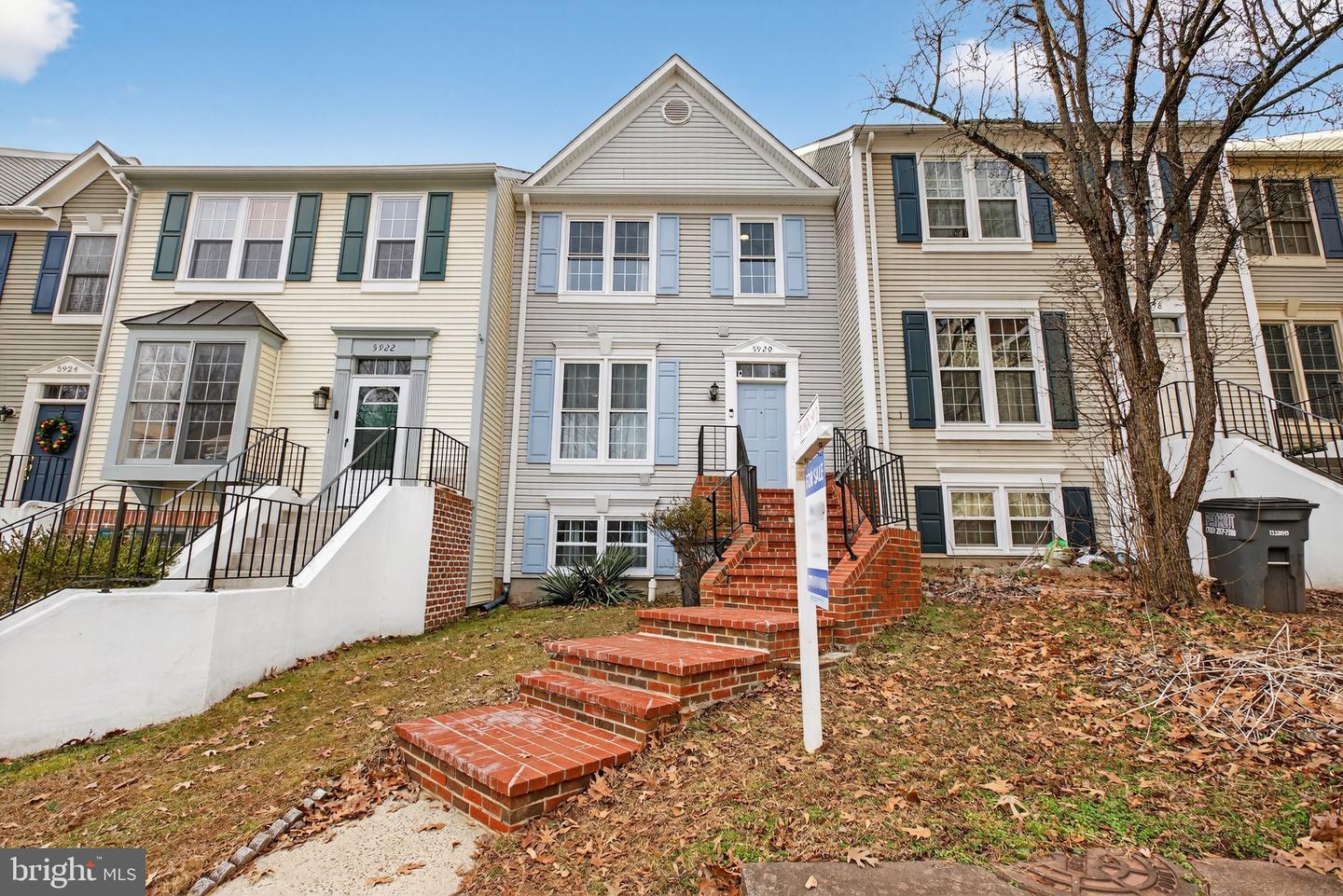
Kris and Jinae are repeat clients (four purchases together) who asked me to sell their brick-front townhouse. We listed at $600,000, built the launch to draw a crowd in the first weekend, received multiple offers, and ratified at $615,000. The full story is in my Centreville seller’s guide.
Kingstowne, Alexandria (2020)
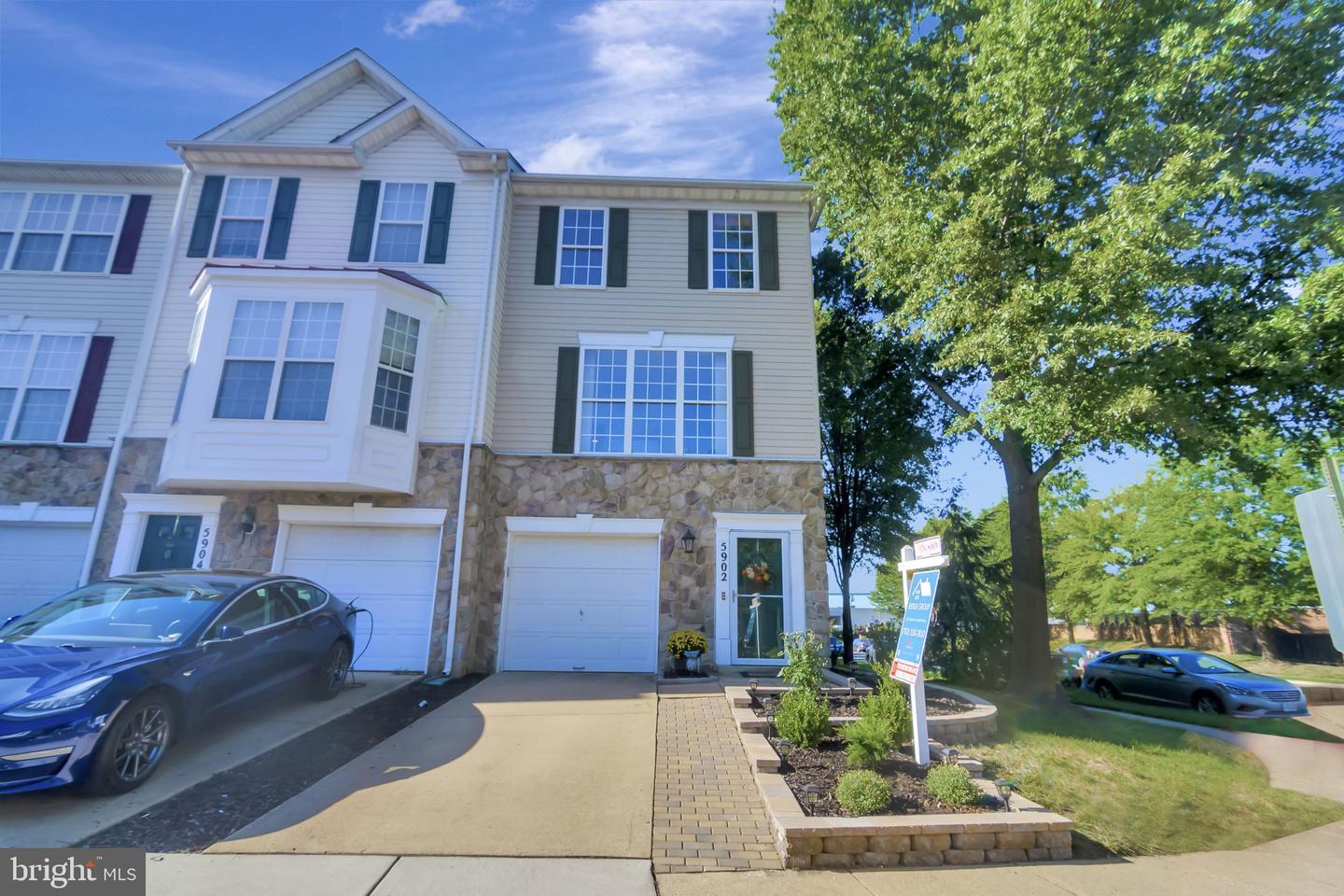
Megan P.’s townhouse, her first home, listed at $515,000, drew multiple offers within a week and closed at $536,000 as she relocated. Read more in the Kingstowne guide.
Dale City, Woodbridge (2022, Prince William County)
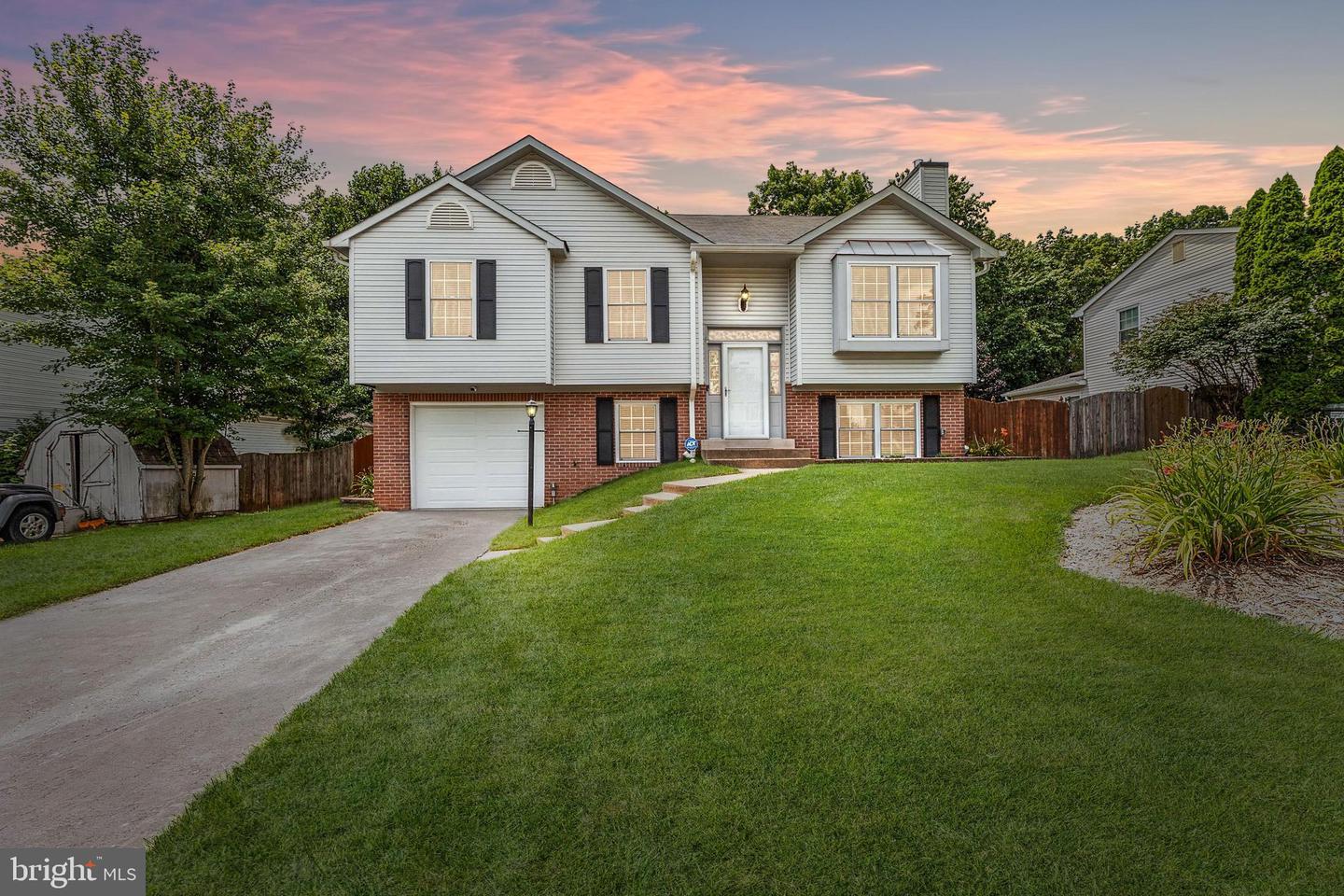
Susan and Dennis H., retiring federal employees moving to Arizona, listed at $515,000. Four offers arrived in four days, and they closed at $530,000, $15,000 over list, with no seller subsidy and no inspection contingency. More Prince William County sales are on my agent-versus-cash-buyer guide for Prince William County.
Frequently asked questions
Do I have to accept the highest offer on my Northern Virginia home?
No. A seller in Virginia can accept, counter, or reject any offer. The decision should weigh net proceeds, certainty of closing, and terms together, and it can never be based on a buyer’s membership in a protected class. The highest price with weak financing is often not the best offer.
Can my listing agent tell buyers that there are other offers?
With your permission, yes. I tell each buyer’s agent how many offers we have and coach them on the terms that would make their buyer more competitive. Where it strengthens your negotiating position, I will share specifics from the competing offers; where it does not, I keep the conversation general. Every agent gets the same chance to improve their offer by the same deadline.
What is an escalation clause, and does it help the seller?
An escalation clause raises a buyer’s price by a set increment above any competing bona fide offer, up to a cap. It can help you by revealing a buyer’s true ceiling, but you must document the competing offer that triggered it, and the escalated price does not come with extra appraisal coverage unless the addendum says so. Countering at the cap with a flat price is an option in a very strong seller’s market, but it can push buyers away in a moderate one, so we weigh our leverage first.
Should I ask for “highest and best”?
Not at the start. I set an offer deadline first. When several offers come in, I review them with my sellers, then call each buyer’s agent, tell them how many offers we have, coach them on what they could improve, and ask for their highest and best by a set time, usually an hour or two after the call. That second round, after the coaching, is where the strongest terms usually appear. If the deadline produces only one real offer, we negotiate directly with that buyer instead.
Is a cash offer always better than a financed offer?
No. Cash removes appraisal and financing risk, but a fully underwritten financed offer with appraisal gap coverage, a strong deposit, and a responsive lender frequently nets a seller more. Compare net proceeds and certainty, not just the word “cash.”
Should I accept a VA loan offer if I have other offers?
Yes, when it is the strongest offer. VA loans close reliably, and VA buyers in Northern Virginia are often relocating on orders and highly motivated. Judge the buyer’s underwritten approval, the lender, the appraisal coverage, and the terms, the same way you would for any other offer.
What happens if the buyer I choose backs out?
If the buyer walks for a reason the contract does not allow, the earnest money deposit is your remedy, though in Virginia it is released only by written agreement of both parties or a court order. The practical protection is the list of runners-up. Most buyers will not sign a formal backup contract, but they usually ask me to call if the winning contract gets shaky, and I keep that list warm until settlement.
How much earnest money deposit should a serious buyer put down?
On Northern Virginia homes, a deposit of 1% of the price is standard, and serious offers in a competitive situation often carry 2% to 5%. A larger deposit signals commitment and raises the cost of walking away, but it is one factor among several, not a substitute for strong financing.
Expecting multiple offers on your Northern Virginia home?
I have sat on both sides of these decisions in 200+ sales, and I put that experience to work for my sellers from the pricing conversation through the last signature. If you are selling in Fairfax County, Arlington, Alexandria, Loudoun County, or Prince William County in 2026, let’s build the launch that creates the offers and the plan for choosing the right one. Call or text me, David Mount, at 571-946-8418, or reach me through the contact page.
Related seller resources
- Sell Your Home in Northern Virginia
- How to Sell Your Home in Fairfax, VA (2026)
- Selling a Home in Springfield, VA
- Selling a Home in Centreville, VA
- Kingstowne, Alexandria VA Real Estate Guide
- Selling an Inherited Home in Northern Virginia
- Selling Fast in Prince William County: Agent vs. Cash Buyer
- Selling Luxury Homes in Northern Virginia
- Selling Your Home During a Military PCS
- For buyers: How to Win a Multiple Offer Situation in Northern Virginia