



Selling an Inherited Home in Northern Virginia: Estate Sale Guide (2026)
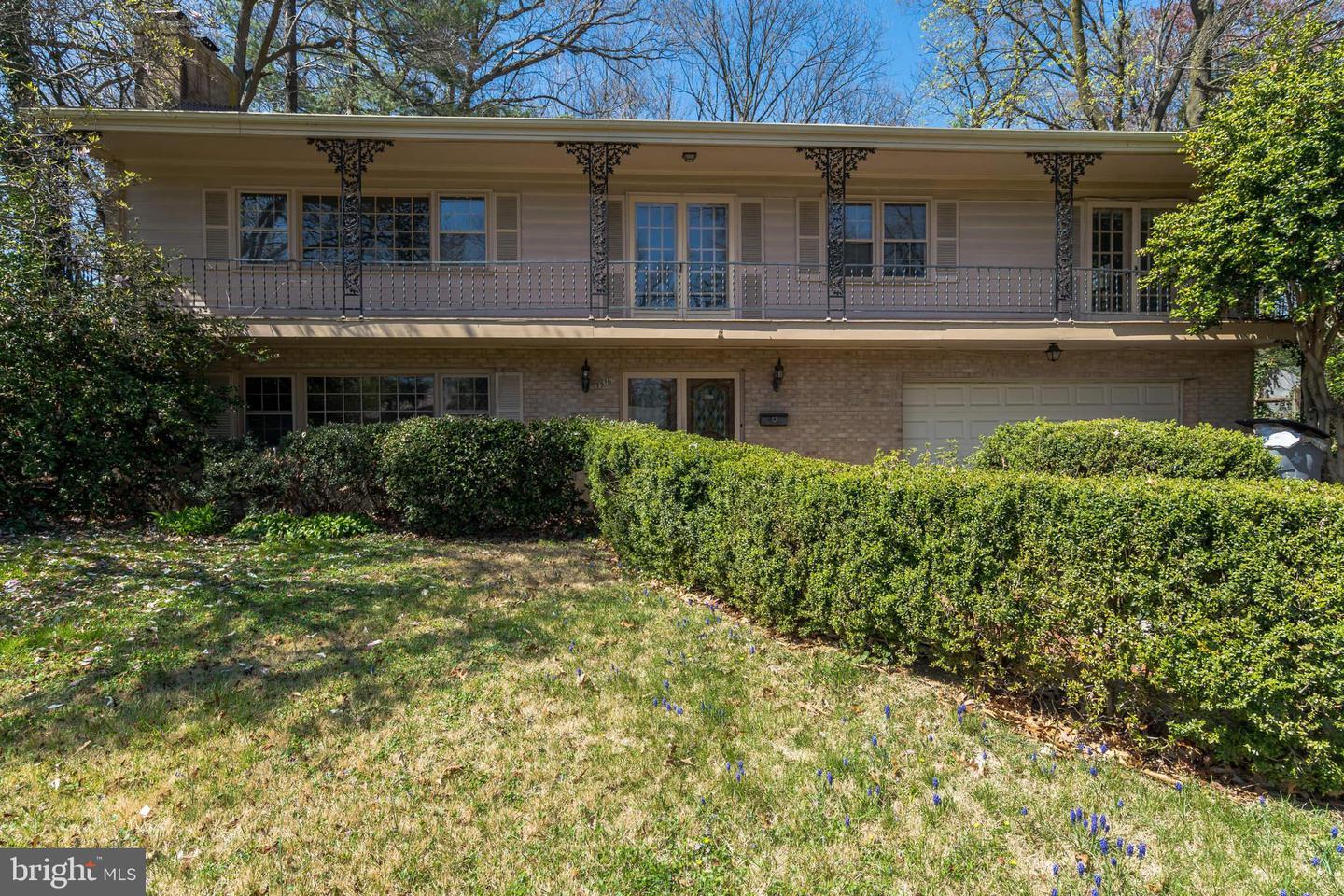
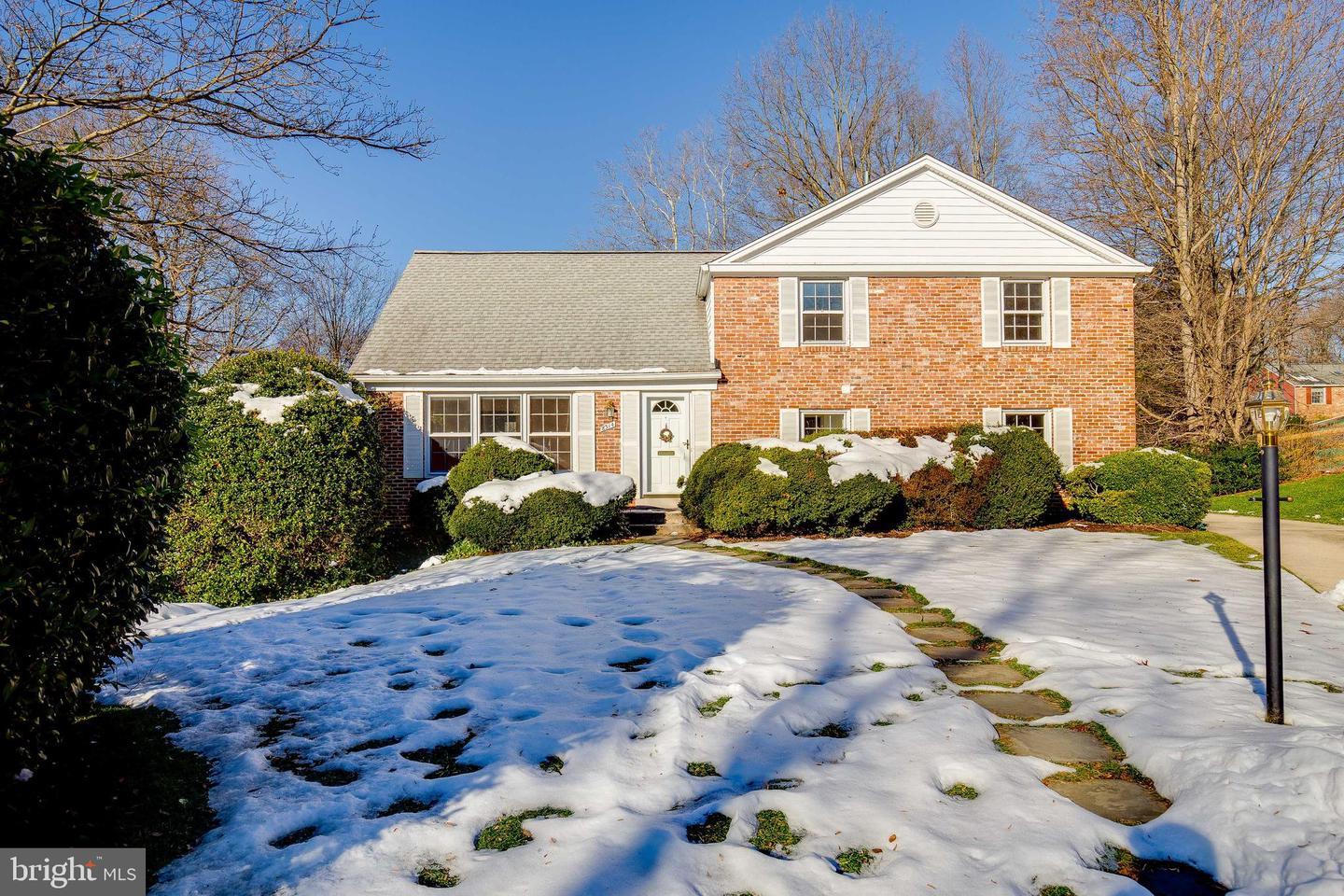
Recent inherited-property sales I’ve personally closed: 7516 Salem Rd in Falls Hill (Falls Church, Fairfax County), 2020, sold as-is after 12 days on market, and Chapel Square (Annandale), 2022.
“My husband and I were so blessed to have had David Mount as our real estate agent! David met with us in our Annandale, VA home and quickly put all our anxieties at ease about the house selling process. He explained everything clearly and mapped out a wise game plan for the sale. David expertly set the listing price of our house to create synergy for the sale. Within five days, we had 12 bids on our home, and our house expeditiously sold for a price well above our expectations. Throughout this entire process, David made himself readily available to patiently answer all of our questions in a timely manner. We are extremely pleased with David’s services as our real estate agent. Thank you, David!”
: Bettina T., inherited home sale in Chapel Square, Annandale (Fairfax County) · 5-star Google review
Last reviewed and updated: September 21, 2026 by David Mount, REALTOR® with The Redux Group of eXp Realty
Quick Answer: To sell an inherited home in Northern Virginia, you first need legal authority to act. Either by qualifying as personal representative through the Circuit Court (probate) or by stepping in as successor trustee (if the home was held in a trust). Once you have authority, the home can typically be listed and sold in 30 to 60 days. Virginia has no state inheritance or estate tax, and federal capital-gains tax is usually small or zero thanks to the stepped-up basis. David Mount, an NVAR Top Producers Club Platinum Member (2024 and 2025) with 12+ years of experience and 200+ transactions, helps families across Fairfax, Loudoun, Arlington, Prince William, Alexandria, and Falls Church navigate every step. New overview: capital gains and inheritance tax in Virginia, including what heirs owe.
Weighing a refresh against an as-is sale? This guide shows what pays back and what does not.
Have a question about your situation? Call or text David at 571-946-8418. Send a text and he will reply himself. He is a Certified Probate Real Estate Specialist and has done this for Northern Virginia families for 12+ years.
What’s in this guide:
- First Steps After Inheriting a Home in Virginia
- Trust Sale vs Probate Sale: Which Path Applies to You?
- How Probate Home Sales Work in Virginia
- How Trust-Held Home Sales Work in Virginia
- Tax Considerations: Virginia, Federal, and the Stepped-Up Basis
- Selling When There Are Multiple Heirs or Beneficiaries
- Your Three Options: Sell Fast, Sell for Top Dollar, or Hold
- Estate Cleanouts and Personal Property
- Selling From Out of State
- Free Executor & Trustee Home Sale Checklist
- Frequently Asked Questions
- How David Mount Helps Families With Inherited Homes
Inheriting a home in Northern Virginia, whether in Fairfax County, Arlington, Loudoun County, Prince William County, Alexandria, or Falls Church, can feel overwhelming, especially when you’re also grieving. David Mount has helped families across Northern Virginia navigate the sale of inherited properties for over 12 years, handling everything from probate coordination to trust-held sales to estate cleanouts so you can focus on what matters most.
As an NVAR Top Producers Club Platinum Member (2024 and 2025) with 100+ five-star reviews and 200+ successful transactions, David has the experience and local market knowledge to help you make confident decisions about your inherited property in 2026. He works regularly alongside Northern Virginia probate and estate attorneys and is well-versed in the procedures that govern Virginia estate-property sales under Title 64.2 of the Code of Virginia (Wills, Trusts & Fiduciaries).
Where I’ve sold: I’ve personally been most active in Springfield, Fairfax, Burke, Centreville, Vienna, and Alexandria, and have closed sales in Falls Hill, Woodley, Ravenwood Park, and Southampton within Falls Church. I’ve personally closed sales in Annandale (recent transactions in 2022). I’ve personally closed sales in Alexandria (City) (recent transactions in 2022, 2025). I’ve personally closed sales in Alexandria (Fairfax County) (recent transactions in 2026). I’ve personally closed sales in Arlington (recent transactions in 2023). I’ve personally closed sales in Ashburn Village and Broadlands within Ashburn. I’ve personally closed sales in Burke Station Square, Old Mill Community, Burke Centre, Caroline Oaks, Bent Tree, Dunleigh, and Longwood Knolls within Burke. I’ve personally closed sales in Stonehenge and Sully Station within Centreville. I’ve personally closed sales in Marbury within Chantilly. I’ve personally closed sales in Little Rocky Run within Clifton. I’ve personally closed sales in Potomac Shores, Montclair, and Country Club Lake within Dumfries. I’ve personally closed sales in Fairfax Villa, Penderbrook, and Greenbriar within Fairfax. I’ve personally closed sales in Old Courthouse Square within Fairfax City. I’ve personally closed sales in Pickwick Woods, Pohick Station, and Glenverdant Estates within Fairfax Station. I’ve personally closed sales in Falls Hill, Woodley, Ravenwood Park, and Southampton within Falls Church. I’ve personally closed sales in Haymarket (recent transactions in 2022, 2024). I’ve personally closed sales in Van Vlecks within Herndon. I’ve personally closed sales in Lee Square, Blooms Hill, and Bradley Square within Manassas. I’ve personally closed sales in Main Street Village within Purcellville. I’ve personally closed sales in Reston (recent transactions in 2016). I’ve personally closed sales in Newington Forest, Springfield Village, Japonica, Charlestown, North Springfield Park, South Run Forest, Rolling Forest, Cardinal Forest, and Lakewood Hills within Springfield. I’ve personally closed sales in Providence Village within Sterling. I’ve personally closed sales in Potomac Crest within Triangle. I’ve personally closed sales in Vienna Woods, Country Creek, Tysons Green, Lakevale Estates, Westwood Manor, and Wolftrap Ridge within Vienna. I’ve personally closed sales in Markhams Grant, Dale City, and Port Potomac within Woodbridge. I’ve personally closed sales in Aquia Harbour within Stafford.
Selling an inherited or estate home in Northern Virginia? Tell David about the property and he’ll reply personally.
First Steps After Inheriting a Home in Virginia
If you’ve recently inherited a property, the process can feel confusing. Here’s what David Mount recommends as your first steps:
1. Secure the property. Change locks if needed, make sure utilities remain on, and check that insurance coverage is in place. Many homeowner’s policies lapse 30 to 60 days after the owner’s death, call the carrier and have the policy switched to a vacant-home or estate policy
“Many homeowner insurance policies lapse thirty to sixty days after the owner’s death. Call the carrier the week of qualification and switch the policy to a vacant-home or estate policy. An uninsured loss during that window can derail the entire sale before it starts.”
. An unoccupied home can be vulnerable to weather damage, vandalism, or liability issues, and an uninsured loss during this window can derail the entire sale.
2. Locate the key documents. Find the deceased’s will, any trust documents, the deed, the most recent property tax bill, mortgage statements (if any), and homeowners insurance policy. If the home was held in a trust, the trust document tells you who the successor trustee is and what their authority is. If there’s a will but no trust, that’s your starting point for the probate process.
3. Understand the legal framework. Virginia law requires most inherited properties to go through probate unless the home was held in a trust, owned jointly with right of survivorship, or had a transfer-on-death (TOD) deed recorded before death. Virginia adopted TOD deeds in 2013 (Va. Code §64.2-621 et seq.), so they’re more common than they used to be. David works with trusted estate attorneys and can connect you with professionals who will handle the legal requirements efficiently.
4. Get a professional market valuation. Knowing what the home is worth in today’s Northern Virginia market is essential for three reasons: (1) it informs your decision to sell, hold, or rent; (2) it establishes the home’s stepped-up basis for federal tax purposes; and (3) Virginia probate requires a date-of-death valuation in the inventory you file with the Commissioner of Accounts within four months of qualifying. David provides complimentary comparative market analyses for inherited properties across all of Northern Virginia.
5. Open a dedicated estate or trust bank account. Once you have legal authority (a Certificate of Qualification from the Circuit Court, or a Certification of Trust under Va. Code §64.2-804), open a separate bank account in the name of the estate or the trust. Sale proceeds, ongoing expenses, and final distributions all flow through this account. Don’t run estate or trust money through your personal account, even briefly. Mixing funds complicates the accounting filed with the Commissioner of Accounts and can create fiduciary-duty problems with beneficiaries.
Two special situations are worth knowing about up front. If you’re the only heir, your path is usually simpler; see Selling an Inherited House When You’re the Only Heir. And if the property is rented out, the lease (and the landlord role) came with it: Inherited a Rental Property With Tenants.
Trust Sale vs Probate Sale: Which Path Applies to You?
The path you take to sell an inherited Northern Virginia home depends entirely on how the home was titled at the time of death. Most situations fall into one of three buckets:
The home was held in a revocable living trust. The named successor trustee can typically sell the home without going through probate. This is the fastest and most private path, sometimes a sale can be listed within days of taking over as trustee. Virginia trustees derive their authority to sell from Va. Code §64.2-778 (specific powers of trustee) and from the trust document itself. (See How Trust-Held Home Sales Work below.)
The home was held individually (no trust, no joint tenancy, no TOD deed). The home will go through probate. The named executor (or, if there’s no will, an administrator appointed by the court) qualifies as personal representative and gains the legal authority to sell under Va. Code §64.2-521 and related provisions. Probate adds time and modest cost, but Northern Virginia probate is generally well-administered. (See How Probate Home Sales Work below.)
The home was held jointly with right of survivorship or had a TOD deed. Title transfers automatically by operation of law. The surviving owner or TOD beneficiary can sell as ordinary owner once they record the death certificate. No probate, no trust administration. This is the simplest path, but it requires the right pre-death paperwork.
If you’re not sure which bucket you’re in, the deed itself will tell you (look for “as joint tenants with right of survivorship,” “TOD beneficiary,” or “as Trustee of the [Name] Living Trust”). David and a Virginia estate attorney can quickly read the deed and tell you which path applies.
How Probate Home Sales Work in Virginia
If the home wasn’t held in a trust, jointly with survivorship, or under a TOD deed, you’ll need to go through Virginia’s probate process before you can sell. Here’s how it actually works in Northern Virginia:
Qualifying as Personal Representative
The first step is qualifying with the Circuit Court Clerk’s Office in the county where the deceased lived. In Fairfax County, you call the Probate Division at (703) 691-7320 to schedule a qualification appointment, which takes about 45 to 60 minutes. Loudoun County, Arlington County, Prince William County, and the City of Alexandria each have their own Circuit Court Clerks’ offices that handle the same function.
To qualify, you generally need: the original will (if any), a certified death certificate, a list of probate assets and approximate values, a list of heirs and addresses, and identification. A probate tax of $0.10 per $100 of estate value applies (so a $600,000 estate pays $600), with no probate tax due on estates under $15,000 (Va. Code §58.1-1712). You’ll take an oath, and unless the will waives bond, you’ll post a surety bond.
Once qualified, you receive a “Certificate of Qualification” (sometimes called Letters Testamentary, when there’s a will, or Letters of Administration, when there isn’t). This is the document that gives you legal authority to act for the estate, including signing a listing agreement, signing a contract of sale, and signing the deed at closing.
Selling the Home Once You’re Qualified
In Virginia, a personal representative generally has the power to sell estate real estate without prior court approval if (a) the will grants that power (most modern wills do), or (b) the property is being sold to pay debts of the estate. The legal foundation is Va. Code §64.2-521 and the broader fiduciary powers under §64.2-105 and §64.2-106. David is well-versed in these procedures and works with experienced Northern Virginia estate attorneys to confirm the personal representative’s specific authority before listing.
From a practical standpoint, once you’re qualified, the home can typically be listed within days. Title companies in Virginia are familiar with probate sales: they will require a copy of your Certificate of Qualification, the death certificate, and (in some cases) a short title affidavit, but they don’t require court approval to close.
The 4-Month Inventory and 16-Month Accounting
Virginia requires the personal representative to file an inventory of probate assets with the Commissioner of Accounts within four months of qualification. The inventory must include the date-of-death value of all probate assets, including the home. This is one reason you want a professional comparative market analysis early, that CMA, dated as of the date of death, becomes the foundation of the inventory’s real-property entry.
An annual accounting is then due 16 months after qualification, and again every year until the estate is closed. If the home is sold before the first accounting, the sale shows up in that accounting. If it’s sold after, it shows up in the next one. Either way, a competent personal representative does not delay the sale waiting for the accounting deadline. The deadlines and the sale operate on independent timelines
“Don’t wait for the four-month inventory or sixteen-month accounting deadline to list the home. Once you have your Certificate of Qualification, you have authority to sell, and the sale and the accounting filings run on independent timelines. Families can lose tens of thousands by treating the accounting calendar as if it controls when the home can go on the market.”
.
Selling Before Probate Closes
You do not have to wait for probate to be fully closed before selling the home. In fact, most personal representatives sell the home well before estate closure, because closing the estate often requires the home to be either sold or formally distributed to the heirs first. As long as you have your Certificate of Qualification and the authority granted by the will, you can list, contract, and close.
County-Specific Considerations Across Northern Virginia
Probate procedure is largely uniform across Virginia, but each Circuit Court Clerk’s Office runs slightly differently. Fairfax County and Loudoun County tend to have the longest qualification appointment lead times (sometimes 2 to 4 weeks out). Arlington County and the City of Alexandria are typically faster. Prince William County is in between. David is licensed across Northern Virginia and partners with experienced local estate attorneys who know the rhythm of their county’s clerk’s office, so you have realistic timeline expectations from the start. We also have a county-by-county probate timeline guide for Fairfax County with similar guides forthcoming for Loudoun, Arlington, and Prince William.
For Fairfax County, my deepest market for estate sales, I’ve written a dedicated local guide: Selling an Inherited Home in Fairfax County.
For the City of Alexandria, which has its own Circuit Court and Commissioner of Accounts, see Selling an Inherited Home in Alexandria, VA.
Who should handle a probate home sale in Fairfax County?
Quick Answer: Choose an agent who holds the Certified Probate Real Estate Specialist (CPRES) designation and has actually closed estate sales in Fairfax County, not just in Virginia generally. I am a CPRES agent and Fairfax County is my deepest market for estate and probate sales, with closed transactions in Springfield, Burke, Centreville, Vienna, Fairfax, and Alexandria. I work alongside your probate attorney and the Commissioner of Accounts process, and I coordinate cleanouts, repairs, and sales for heirs who live out of state.
What makes Fairfax County probate sales different?
Fairfax County estates run through the Fairfax Circuit Court and its Commissioner of Accounts, and the county’s higher home values mean the stepped-up basis and timing of the sale matter more than in most of Virginia. A local agent who knows the county’s process and its neighborhoods can keep the court accounting clean while still selling for full market value. For the county-specific process, timelines, and costs, see my dedicated guide: Selling an Inherited Home in Fairfax County.
How Trust-Held Home Sales Work in Virginia
If the home was held in a revocable living trust, the sale process is faster, more private, and avoids probate court entirely. But it has its own set of requirements that catch unprepared successor trustees off guard.
Successor Trustee Authority Under Va. Code §64.2-778
When the original grantor (the person who created the trust) dies, legal title to the trust’s assets, including the home, vests automatically in the named successor trustee. No court order is required. The successor trustee’s authority comes from two sources: the trust document itself and the default trustee powers in Virginia’s Uniform Trust Code, particularly Va. Code §64.2-778, which empowers a trustee to “acquire or sell property, for cash or on credit, at public or private sale.”
The first thing the successor trustee should do is obtain the deceased grantor’s death certificate (order at least 5 certified copies, you’ll need them) and locate the original signed and notarized trust document along with any amendments. These two items, together with the trustee’s identification, are what title companies will demand to close a sale.
Trust Certification and Title Company Requirements
To list and sell a home held in a trust, the successor trustee will typically need to provide the title company with a “Certification of Trust” (Va. Code §64.2-804). This is a short notarized document, usually 1 to 2 pages, that confirms (1) the trust exists, (2) the named successor trustee is now serving, (3) the trust has not been revoked, and (4) the trustee has authority to sell the property. It does not require disclosing the full trust document, which protects the family’s privacy.
Many title companies will also accept the trust document itself if no certification is on file. David’s preferred Northern Virginia title attorneys can prepare a Certification of Trust as part of pre-listing setup, usually for a modest flat fee.
Confirming Title Was Properly Transferred to the Trust
Here’s the trap that catches many successor trustees: just because the deceased had a trust doesn’t mean the home was actually retitled into it. People create trusts and then forget to record a deed transferring the home to themselves “as Trustee of the [Name] Living Trust.” If the home was never deeded into the trust, the trust doesn’t own it. The deceased’s individual estate does, and the home goes to probate despite the trust’s existence.
Before you assume you’re on the trust path, pull the most recent recorded deed from the county land records (Fairfax County, Loudoun County, etc., all have searchable online indices). If the deed names the deceased as trustee, you’re set. If it names the deceased individually, you’re on the probate path even if a trust document exists.
“The single biggest trap for successor trustees is assuming the home is in the trust just because a trust exists. People create trusts and then forget to record a deed transferring the home into them. Pull the most recent recorded deed from the county land records before you make any other decision. If the home was never deeded into the trust, the trust doesn’t own it.”
Revocable vs Irrevocable Trusts
Most trust-held homes in Northern Virginia are held in revocable living trusts, where the grantor was also the trustee during life and the successor trustee takes over at death. These behave essentially like personal property for tax purposes. The home gets the same stepped-up basis as a directly inherited home.
Irrevocable trusts are different. The home may have been held in an irrevocable trust for asset-protection or Medicaid-planning reasons, in which case the trustee’s powers, the basis-step-up treatment, and the distribution rules can be more complex. If the trust is irrevocable, do not list the home until you have spoken with an estate attorney and a CPA, a misstep here can cost the family tens of thousands in unnecessary tax. David works with several Northern Virginia estate attorneys experienced in irrevocable trust sales and can make introductions.
Tax Considerations When Selling an Inherited Home in Virginia (2026)
The information below is general educational content, not tax or legal advice. Consult a qualified CPA and estate attorney for guidance on your specific situation.
Virginia Has No State Estate Tax or Inheritance Tax
This is the single most reassuring fact for most Virginia heirs: Virginia does not impose a state estate tax or inheritance tax. Virginia’s estate tax was effectively repealed in 2007 when the federal credit for state death taxes that it was tied to was eliminated. So when you sell an inherited home in Fairfax, Loudoun, Arlington, Prince William, Alexandria, or Falls Church, you owe nothing to the Commonwealth on the inheritance itself.
The only Virginia estate-related charge most families encounter is the small probate tax of $0.10 per $100 of estate value (Va. Code §58.1-1712), and only if the estate exceeds $15,000. On a $600,000 home, that’s $600, a one-time charge, not an ongoing tax.
The Federal Stepped-Up Basis (How It Saves You Thousands)
For federal capital-gains purposes, inherited property receives a “stepped-up basis” equal to the home’s fair market value on the date of the decedent’s death (IRC §1014). All appreciation that occurred during the deceased’s lifetime is effectively erased for capital-gains purposes.
Here’s why this matters in Northern Virginia: imagine your parent bought a home in McLean for $250,000 in 1995. Its fair market value at their death in 2026 is $1,400,000. Without the step-up, you’d owe capital gains on $1,150,000 of appreciation. With the step-up, your basis is $1,400,000. If you sell within a few months for $1,400,000, your gain is essentially zero. If you sell for $1,450,000 a year later, you owe capital gains only on the $50,000 of post-death appreciation.
This is why selling an inherited home relatively soon after death is often the most tax-efficient choice. The longer you hold, the more post-death appreciation accumulates, and the more capital gains you potentially owe
“The longer you hold an inherited home, the more post-death appreciation accumulates and the more capital gains you potentially owe. Most families benefit from selling within the first year after death, that’s the window when the stepped-up basis works hardest and the federal capital-gains math is most forgiving.”
.
Federal Estate Tax Thresholds in 2026
Beginning January 1, 2026, the federal estate and gift tax exemption is $15 million per individual ($30 million per married couple), and it’s now permanent with annual inflation adjustments. The vast majority of Virginia estates fall well below these thresholds and owe zero federal estate tax. If you’re concerned the estate may be near or above $15M, talk to an estate attorney before making any moves with the home.
1099-S at Closing
When the home sells, the title company issues a Form 1099-S reporting the gross sale price. This goes to the IRS in the name of the seller (the estate, the trust, or the heirs, depending on how the deed was titled at closing). You and your CPA will use the stepped-up basis to compute the actual taxable gain (often very small) when filing the relevant return.
If Your Loved One Received Medicaid: Estate Recovery in Virginia
If your parent or loved one received Medicaid-funded long-term care, whether a nursing home stay or home-based care through Medicaid, Virginia’s Department of Medical Assistance Services (DMAS) may file a claim against the estate to recover what Medicaid paid. The home is usually the estate’s main asset, so this surprises many families at the worst possible moment. Here’s the honest picture. Estate recovery is real, but it is a claim against the estate, not an instant lien on the house, and there are limits and exceptions. Recovery generally can’t proceed while a surviving spouse is living, certain dependent or disabled family members are protected, and hardship waivers exist. What it means for your sale: the claim gets handled through the estate like other debts, typically paid from sale proceeds at closing. It rarely blocks a sale, but it must be addressed, not discovered by the title company late in the process. If Medicaid was in the picture, say so early, both to your attorney and to me, so the payoff gets requested and the closing goes smoothly. This area is genuinely technical. Confirm specifics with an elder-law or estate attorney (I can recommend several my clients have used) and see DMAS’s published estate-recovery guidance.
What Happens to the Mortgage on an Inherited Home?
A mortgage doesn’t disappear at death, but it doesn’t explode either. Federal law (the Garn-St Germain Act) prevents lenders from calling the loan due just because the home passed to a relative by inheritance. As an heir, you generally have the right to keep the loan in place and keep making payments while you decide what to do. Practically: notify the servicer of the death and your status as heir (send the death certificate and estate paperwork), keep payments current, from the estate account if title hasn’t settled, because missed payments hurt regardless of whose name is on the loan, and request a payoff statement early if a sale is likely. The number you need for net-proceeds math is the payoff, not the balance on the last statement. At closing, the mortgage is paid off from proceeds like any lien, and everything above it belongs to the estate. If the loan is a reverse mortgage, the rules and deadlines are entirely different. See my dedicated guide: Inherited a House With a Reverse Mortgage in Northern Virginia.
Selling When There Are Multiple Heirs or Beneficiaries
One of the most common, and most stressful, scenarios in Northern Virginia inherited-home sales involves multiple heirs or beneficiaries who are not all on the same page about whether to sell, when to sell, or what price to accept. When several heirs hold title together, see my guide to selling an inherited house with multiple owners in Virginia.
If the home is in probate and the will names a single executor, that executor has the authority to make the call (subject to fiduciary duty to all beneficiaries). If the home is held in a trust with a single successor trustee, the same is true. The complications arise when (a) multiple co-executors or co-trustees are appointed, (b) the home has already been distributed to the heirs as tenants in common, or (c) there’s no will (intestate) and multiple heirs share the property by operation of law.
If the home is jointly owned by multiple heirs and they can’t agree on a sale, Virginia law allows any co-owner to file a partition action under Va. Code §8.01-81 et seq. Partition forces a sale (or division) of the property by court order. It’s a last resort, it costs money, takes 6 to 12 months, and damages family relationships. The far better outcome is mediated agreement, which is something David and a good estate attorney can usually facilitate before things escalate.
What David has learned from handling these situations
“Most multi-heir disagreements come from incomplete information, not bad faith. Get every heir on a single call early, walk through every option, list price and timeline if you go to market, or the option to sell for cash before the home is ever listed, and most conflicts resolve in real time.”
: get everyone on a single conference call early. Walk through the numbers, list price, expected net proceeds per heir, timeline, together. Most family disagreements come from incomplete information, not bad faith. Once the heirs see the same numbers, agreement usually follows. If it doesn’t, the right professionals (a neutral mediator, an estate attorney, or a partition-experienced attorney) can intervene.
When the disagreement has a face, meaning a sibling or family member is actually living in the home, the situation deserves its own playbook. I’ve written one: When a Family Member Is Living in the Inherited House.
Your Three Options: Sell Fast, Sell for Top Dollar, or Hold
There’s something I tell every family before we talk options: there is no cookie-cutter answer for what to do with an inherited home. Sometimes it makes sense to list as-is. Sometimes an off-market sale is the right call. Sometimes a light renovation before listing repays itself several times over, and occasionally a full renovation does too, though less often than people think. I don’t take these decisions lightly. My job is to put real numbers on every path for your specific house, and to help you make the best decision possible, especially when grief is involved, which it almost always is. If you’re weighing the bigger fork in the road, keeping the home, renting it out, or selling, I’ve written a full honest guide: Keep It, Rent It, or Sell It?
Every family’s situation is different. David Mount tailors his approach based on your goals:
Option 1: Sell quickly with minimal effort. If you need to sell fast, David can market the property as-is and attract qualified buyers without requiring you to make repairs, updates, or improvements. In the 2026 Northern Virginia market, well-priced homes, even those needing updates, are attracting strong buyer interest. David can typically have a property listed within 7 to 10 days of receiving authority to sell.
Option 2: Prepare the home and sell for maximum value. If timing allows (typically 30 to 60 additional days), David can coordinate light renovations, deep cleaning, professional staging, and professional photography to position the home for top dollar. His vendor network includes trusted contractors, painters, cleaners, and stagers who work efficiently with inherited properties. Many of them on a “pay-at-closing” basis so the estate doesn’t have to front the cost. Strategic pre-sale prep often returns $3 to $8 for every $1 invested in Northern Virginia.
Option 3: Explore renting or holding. In some cases, it makes financial sense to rent the property rather than sell. This can be appropriate when the heirs all want to keep the asset, when market timing is unfavorable, or when one heir wants to live there and buy out the others over time. David can connect you with property management resources and rental market analysis if you want to explore this option. Note: holding too long erodes the stepped-up basis advantage, so make this decision with your CPA at the table.
David never pressures families toward any particular path. The right answer depends on your timeline, the family dynamics, the home’s condition, and the local market, and David lays out the trade-offs honestly so you can decide with full information.
Not sure which of the three options fits your family?
Call or text David at 571-946-8418. He will walk through all three with your numbers and let you decide.
Certified Probate Real Estate Specialist (CPRES). 12+ years, 200+ transactions, $130M+ sold, 100+ five-star reviews.
“Within five days, we had 12 bids.” Bettina T., inherited home sale in Chapel Square, Annandale. Google review.
Help Beyond the Sale: Estate Cleanouts and Personal Property
Many inherited homes contain decades of personal belongings, furniture, family memorabilia, and sometimes a lifetime of accumulated items. Going through it all can feel impossible, especially while grieving. David Mount works with reliable Northern Virginia estate sale companies, professional cleanout services, junk-haul services, and donation coordinators who handle this process with respect and efficiency.
Depending on what the family wants, the options range from a full estate sale (where buyers come through and purchase items in place), to selective cleanouts (David’s vendors haul away whatever the family doesn’t want to keep), to charitable donation pickup, to “broom-clean” turnover. Many of David’s vendors operate on a flat-rate basis or split the proceeds from items sold, so the estate doesn’t have to write a large upfront check. For homes with significant valuable personal property, antiques, art, jewelry, vehicles, David can also recommend specialty appraisers.
When the House Is Truly Full: Hoarding and Heavy-Cleanout Situations
Some inherited homes hold forty years of a life. Every room, basement to attic. And some hold more than that: genuine hoarding situations that feel unsellable and, frankly, embarrassing to show anyone. Two things I want families in this spot to know. First, you don’t have to empty it yourself. There are estate-sale companies, auction services, donation pickups, and specialized cleanout crews for every level of situation, and coordinating them is part of what I do. Second, condition does not disqualify a house. I’ve seen heavy-cleanout homes turn into competitive listings after nothing more than a cleanout and a deep clean. In the rare case where even that’s too much, an as-is or off-market sale to the right buyer is a legitimate, dignified exit. There’s no judgment here and no cookie-cutter answer. There’s a plan for every version of full.
Selling an Inherited Home From Out of State
If you live outside Virginia, David Mount manages the entire process locally so you don’t need to travel back and forth. From property access and vendor coordination to inspections, appraisals, and closing: David handles the details on the ground while keeping you informed every step of the way via phone, email, video call, or text. The whole workflow is set up for remote clients: listing agreements, sale contracts, inspections, and closing documents can all be handled electronically or via mobile notary, and proceeds are wired to the account of your choice on the day of closing
“If you live outside Virginia or are deployed overseas, you do not need to travel back. Virginia accepts remote online notarization, listing agreements and contracts sign electronically, and proceeds wire to whatever account you designate on the day of closing. The workflow is built end-to-end for remote sellers. You can manage the entire sale from your destination state or duty station.”
.
Out-of-state heirs typically sign listing agreements and sale documents electronically. At closing, sale documents can be signed remotely with a mobile notary, at the U.S. embassy or consulate for those overseas, or via remote online notarization (RON), which Virginia accepts. Your proceeds are wired to the account of your choice on the day of closing.
A Note for Military Families: Inheriting a NoVA Home While Stationed Elsewhere
Northern Virginia’s military ties mean this happens constantly. A service member stationed out of state or overseas inherits a parent’s home in Springfield or Burke and has no way to be here, sometimes with a PCS move layered on top of the grief. This is a version of the out-of-state sale I know well. I’m one of Veterans United’s preferred real estate agents (top 10% as of May 2026), my step-father served in Army Special Forces, and I’ve helped many military families buy and sell on military timelines. Everything above about remote sales applies, plus the timing realities of orders. We build the sale plan around your report date, not the other way around. See also my military PCS and relocation guide.
Free Executor & Successor Trustee Home Sale Checklist
Get David’s complimentary 30-step Inherited Home Sale Checklist, a printable PDF organized by phase: First 7 Days, Weeks 2 to 4, Pre-Listing, Listing, Under Contract, and Closing. Built on 12+ years of Northern Virginia real estate experience and current Virginia probate and trust-sale procedures.
Includes vendor checklists, document trackers, and Virginia-specific deadlines (4-month inventory, 16-month accounting, etc.).
To request your copy, text “Checklist” to 571-946-8418, call 571-946-8418, or email david.mount@thereduxgroup.com with the subject line “Inherited Home Checklist.”
Recent Client Outcomes
Anonymized case studies from David’s actual recent inherited-property representation. Real situations, real outcomes, no client names. Each one illustrates a specific decision pattern that other families in similar situations find useful.
Have a similar situation? Heirs in different states, a house that needs work, a parent’s estate to settle?
Call or text David at 571-946-8418. He will tell you what the house could sell for and what has to happen first.
“David was wonderful to work with when he helped my family sell our home in Burke.” Anne, heir on the 2025 Lake Braddock sale. Google review.
Falls Hill, Falls Church: sold as-is in 12 days. Chapel Square, Annandale: 12 offers in 5 days.
Should I Sell My Inherited House to a Cash Home Buyer in Northern Virginia?
For most heirs, no. Cash home buyers and “we buy houses” companies typically pay 15 to 30 percent below market value in exchange for speed and convenience. On a typical inherited home in Fairfax County or Alexandria, where median values exceed $650,000, that discount can mean walking away from $50,000 to $100,000 that belongs to the estate and its heirs.
The cash-buyer pitch sounds tailor-made for inherited property: no repairs, no cleanout, no showings, close in 7 days. But here is what those ads leave out:
Speed is less valuable than it sounds. You cannot legally sell until you have authority to act, either Letters of Qualification from the Circuit Court or authority as successor trustee. That process takes weeks regardless of who buys the house. Once you have authority, a well-priced inherited home in Northern Virginia typically goes under contract in 2 to 4 weeks on the open market. The cash buyer saves you far less time than the marketing suggests.
“As-is” is available on the open market too. Inherited homes sell as-is on the MLS every week in Northern Virginia. Buyers here regularly purchase dated homes at strong prices because land value is high and renovation demand is deep. You do not need to accept an investor’s discount to skip repairs.
The convenience has a price the estate pays. If you are a personal representative, you have a fiduciary duty to the other heirs to get fair value. Accepting a deeply discounted offer without exposing the home to the market is exactly the kind of decision that creates friction between siblings later.
Cash Home Buyer vs. Listing With an Agent: What the Estate Actually Nets
| Cash Home Buyer | Listing With an Agent | |
|---|---|---|
| Typical sale price | 15 to 30 percent below market value | Full market value, often with competing offers |
| Repairs and cleanout | None required | None required either; as-is listings are common in Northern Virginia |
| Time to close once you have legal authority | 7 to 14 days | Typically 2 to 4 weeks to contract, then a 30 day closing |
| Commissions and fees | No commission, but the price discount usually costs the estate far more than a commission would | Commission agreed up front and disclosed on the settlement statement |
| Proving fair value to the other heirs | Difficult; no market exposure to point to | Market exposure and comparable sales document that the estate received fair value |
| Best fit | Severe structural problems, imminent foreclosure, or unanimous need for certainty this week | Most inherited homes, especially estates with multiple heirs |
When a cash offer does make sense: the home has severe structural or environmental problems that make it hard to insure or finance, the estate is facing foreclosure and there is no time to list, or every heir agrees that certainty this week is worth more than tens of thousands of dollars. Those situations are real, but they are the exception.
A real example of the cash route done right. In 2023 David helped a family sell an inherited single-family home in Springfield Park, Springfield (Fairfax County) that had not been updated in decades. He ran the numbers on all three paths, then brought the home to a vetted cash buyer from his own investor network who paid a strong price. It closed on the seller’s timeline with no showings and no repair negotiations. The difference from a “we buy houses” offer: the family knew exactly what the open market would have paid, and chose cash with their eyes open. Read the Springfield Park case study.
The practical move: before signing anything from a cash buyer, get a free market analysis so you know what the estate is giving up. As a Certified Probate Real Estate Specialist, I can show you both numbers side by side, the cash offer versus a realistic as-is market price, and you decide with real information. Call or text me at 571-946-8418 or email david.mount@thereduxgroup.com. There is no obligation, and if a cash sale truly is your best option, I will tell you so.
What Does the Estate Actually Keep? A Northern Virginia Example
On a typical $650,000 Northern Virginia estate sale, the estate usually nets somewhere around $610,000 to $615,000 after all selling costs. Here is where the money goes:
- Agent compensation. Fully negotiable in every transaction. As an example, at 5 percent total the cost is $32,500. We discuss the right structure for your situation, including whether and how much to offer a buyer’s agent.
- Virginia grantor’s tax plus the Northern Virginia regional congestion relief and WMATA capital fees. Together about 0.3 percent of the sale price (roughly $3 per $1,000), or about $1,950 on a $650,000 sale. Sellers in Alexandria, Arlington, Fairfax, Loudoun, and Prince William all pay both.
- Settlement and title charges, deed preparation, and pro-rated taxes. Typically $1,500 to $3,000 depending on the locality and time of year.
The number that matters is not the fee percentage. It is the check the estate deposits. A well-prepared, well-marketed estate home regularly sells for tens of thousands more than a discounted or as-is sale, which is why chasing the lowest listing fee can be the most expensive decision a personal representative makes. My job is to make the top line big enough that the bottom line wins by a wide margin.
Planning around taxes too? See my full guide to capital gains and inheritance taxes when selling in Virginia.
Want these numbers run for your house?
Text David the address at 571-946-8418. He will tell you what the estate would likely net listed versus sold to a cash buyer. No obligation.
Certified Probate Real Estate Specialist (CPRES). 200+ transactions, $130M+ sold, 100+ five-star reviews across Google, Zillow, Realtor.com and FastExpert.
Frequently Asked Questions About Selling Inherited Property in Northern Virginia
Do I have to go through probate to sell an inherited home in Virginia?
It depends on how the property was titled at the time of death. If the home was in the deceased’s name alone, probate is typically required. If it was held in a revocable living trust, owned jointly with right of survivorship, or had a transfer-on-death (TOD) deed recorded, you may be able to sell without probate. David Mount can help you determine the right path and connect you with estate attorneys who handle Virginia probate.
How long does it take to sell an inherited home in Northern Virginia?
Once you have legal authority to sell (through probate or trust), the actual sale process in 2026 typically takes 30 to 60 days from listing to closing, depending on the property’s condition and price point. The probate qualification step itself takes 1 to 4 weeks depending on the county, and full estate closure can take 12 to 18 months, but you can sell long before the estate closes.
Do I need to make repairs before selling an inherited home?
Not necessarily. David Mount regularly sells inherited properties as-is in Northern Virginia. In the 2026 market, buyer demand remains strong enough that many properties attract competitive offers even without renovations. David will advise you on whether targeted repairs would meaningfully increase your net proceeds.
What taxes do I owe when selling an inherited property in Virginia?
Virginia has no state estate or inheritance tax. Federally, inherited property receives a “stepped-up basis” equal to the fair market value at the time of the owner’s death, so capital gains tax usually applies only to appreciation that occurs after you inherit the home, which is often small or zero if you sell relatively soon. Virginia charges a modest probate tax of $0.10 per $100 of estate value. Consult a CPA for advice specific to your situation.
Can I sell an inherited home if other family members are also heirs?
Yes, but all heirs with ownership interest typically need to agree to the sale. David Mount has experience navigating multi-heir situations with sensitivity and clear communication, ensuring all parties are informed and aligned throughout the process. If heirs cannot agree, Virginia law allows any co-owner to seek partition under Va. Code §8.01-81, but mediation is almost always a better path.
Does Virginia have an inheritance tax?
No. Virginia does not have a state inheritance tax or estate tax. Virginia’s estate tax was effectively repealed in 2007. Heirs in Northern Virginia owe nothing to the Commonwealth simply for inheriting property.
How does the stepped-up basis work for inherited homes in Virginia?
When you inherit a home, your cost basis for federal capital-gains purposes resets to the home’s fair market value on the date of the deceased’s death (IRC §1014). All appreciation during the deceased’s lifetime is effectively erased for tax purposes. If you sell shortly after inheritance for an amount close to the date-of-death value, your taxable gain is usually very small or zero.
Can I sell a home in a trust without going through probate?
Yes, that’s one of the primary reasons people set up revocable living trusts. As successor trustee, you derive your authority to sell from the trust document and from Va. Code §64.2-778. The title company will require a Certification of Trust (Va. Code §64.2-804) and your identification, but no court order is needed.
What is a Certification of Trust and why does the title company need one?
A Certification of Trust is a short notarized document confirming that the trust exists, that the named trustee is currently serving, that the trust has not been revoked, and that the trustee has authority to sell the property. It’s authorized by Va. Code §64.2-804. Title companies use it instead of requiring the full trust document, which protects the family’s privacy.
How long does probate take in Fairfax County, Virginia?
Initial qualification as personal representative in Fairfax County typically takes 1 to 4 weeks from the date you call to schedule the appointment. Once qualified, you can list the home immediately. Full estate closure (including the 4-month inventory, 16-month accounting, and final settlement) usually takes 12 to 18 months, but the home is generally sold well before then. Loudoun, Arlington, Prince William, and Alexandria run on similar timelines.
Do I need a lawyer to sell an inherited home in Virginia?
You don’t strictly need an attorney to qualify as personal representative or to act as successor trustee, and the Virginia Circuit Court Clerks will walk you through qualification without legal counsel. However, for any estate involving a home, multiple heirs, or non-routine assets, a Virginia probate or estate attorney is well worth the modest cost. David can introduce you to several experienced Northern Virginia estate attorneys.
Can I sell an inherited home before probate is officially closed?
Yes. In Virginia, once you have your Certificate of Qualification as personal representative, you have authority to list, contract, and close on the home. Most personal representatives sell the home well before the estate is fully closed. The proceeds are held by the estate until distributions are made under the will or under Virginia’s intestacy laws.
What if the home needs significant repairs and the estate has no cash?
This is more common than people think. David’s pre-listing vendor network includes contractors and stagers who can defer payment until closing, so the estate doesn’t have to front cash for repairs. Alternatively, the home can be sold as-is to a traditional buyer (buyer financing still works in 2026 for as-is properties at the right price) or, in the right circumstances, to a renovation-focused investor. David lays out the math on each path so you can choose.
What happens to an inherited home that still has a mortgage in Virginia?
The mortgage does not come due just because the owner died, and the estate keeps making payments until the home sells. Under the federal Garn-St Germain Act, a lender cannot call the loan due when a home transfers to a relative through inheritance. The personal representative or heirs continue the monthly payments from estate funds, and the remaining balance is simply paid off at closing out of the sale proceeds. If payments are a hardship before the sale, tell the loan servicer the owner has died and ask about options. The key is not to let the loan slip into default while probate is underway.
What if there is no will? Can heirs still sell the house in Virginia?
Yes. When someone dies without a will in Virginia, the estate is called intestate, and the home can still be sold once the court appoints an administrator. Virginia’s intestate succession laws determine who inherits, generally the surviving spouse and children first. The Circuit Court clerk’s office qualifies an administrator, who serves the same role a named executor would. The extra steps are usually a surety bond and, in some cases, written consent from all heirs before listing. It adds time, not a dead end. I walk families through the qualification appointment regularly as part of my probate work.
What is an HOA transfer fee and who pays it in a Virginia estate sale?
It is the fee for the association resale packet Virginia requires the seller to provide, and the estate typically pays it at or before closing. If the inherited home sits in an HOA or condo association, Virginia law requires the seller to deliver a resale certificate to the buyer, and state law caps what associations can charge to prepare it, typically a few hundred dollars. Order the packet early. Associations can take up to 14 days to deliver it, and a late packet can push back your closing. In Northern Virginia communities like Kingstowne or Burke Centre, this is a routine step I handle as part of the listing timeline.
How does the NAR settlement change selling an inherited home?
Since the 2024 NAR settlement, the estate decides whether and how much to offer a buyer’s agent, and every fee is negotiated in writing up front. Buyer-agent compensation is no longer advertised through the MLS. For a personal representative, this is mostly good news: more transparency and more control over costs. It also adds a decision point, because the right offer of compensation can affect how many buyers’ agents show the home. I present the options with real numbers so the estate can choose what maximizes net proceeds rather than defaulting to old habits.
Can Medicaid take the house I inherited in Virginia?
Not automatically. If the deceased received Medicaid-funded long-term care, Virginia (DMAS) may file a recovery claim against the estate, usually satisfied from sale proceeds at closing like other estate debts. Exceptions and hardship waivers exist, and surviving spouses and certain dependent family members are protected. Talk to an elder-law attorney early if Medicaid was involved.
We inherited a hoarder house. Can it even be sold?
Yes. Options range from a full cleanout and deep clean (often enough to produce a strong conventional listing) to as-is or off-market sales for the heaviest situations. Specialized cleanout crews, estate-sale companies, and donation services handle the contents. The right path depends on the house, the timeline, and the family’s bandwidth.
My parent had a life estate. Can I sell the house now that they’ve passed?
Usually, yes, and often quite simply. If a life estate deed named you as the remainderman, full ownership passed to you automatically at death. Typically recording the death certificate is what’s needed to clear title, with no probate for the house. Have the title company or an attorney confirm the deed’s exact wording before listing.
Can I use Virginia’s Small Estate Act to sell the house?
No, and this is a common mix-up. Virginia’s Small Estate Act (Va. Code §64.2-600 et seq.) covers small amounts of personal property like bank accounts. It does not transfer real estate. The house passes by will, intestate succession, trust, or transfer-on-death deed; see the sections above for which applies to you.
How David Mount Helps Families Navigate Inherited Home Sales in Northern Virginia
David Mount has spent 12+ years and 200+ transactions building a Northern Virginia seller-representation practice. He has helped families navigate inherited and estate-property sales as part of that work, and he approaches each one with a process tailored to the realities families face when a loved one has passed.
What that means in practice:
Probate and trust fluency. David is well-versed in the procedures that govern Virginia estate-property sales under Title 64.2 of the Code of Virginia (Wills, Trusts & Fiduciaries). He works regularly with Northern Virginia probate and estate attorneys, understands Certificates of Qualification, Certifications of Trust, partition actions, and the Commissioner of Accounts process. He doesn’t bill himself as your attorney. He’s your real estate quarterback who keeps the legal track and the real-estate track moving in sync.
A complete vendor network. Estate sales, cleanouts, junk haul, painters, contractors, stagers, photographers, locksmiths, lawn services, professional appraisers. David has trusted Northern Virginia partners for every category, many of whom defer payment to closing.
Disciplined multi-heir communication. When a sale involves multiple heirs or beneficiaries, David applies the same communication discipline he uses on every complex transaction: clear written updates, transparent numbers, all parties on the same information. That single habit prevents most family friction before it starts.
Set up for out-of-state and remote work. The entire sale process, listing agreement, contracts, inspections, closing, can be handled remotely. Virginia accepts remote online notarization (RON), and most documents are signed electronically. If you live outside Virginia or are deployed overseas, David and his team manage local logistics so you don’t need to travel back.
Discretion and sensitivity. David understands that grieving families don’t want a high-pressure salesperson. He explains options, listens carefully, and lets you set the pace.
About David Mount
David Mount is a Northern Virginia real estate agent with The Redux Group of eXp Realty, specializing in seller representation across Fairfax County, Arlington, Loudoun County, Prince William County, Alexandria, and Falls Church. With 12+ years of experience, 200+ successful transactions, and 100+ five-star client reviews, David is an NVAR Top Producers Club Platinum Member (2024 and 2025), FastExpert 5-Star Agent, and Zillow Premier Agent. He has helped families navigate the sale of inherited properties with care and professionalism, and is well-versed in the Virginia procedures that govern probate and trust-held home sales.
Need guidance on selling an inherited home? Call David Mount at (571) 946-8418 or email david.mount@thereduxgroup.com for a confidential, no-pressure consultation.
Recent inherited property sales in Northern Virginia
These are recent inherited properties David has helped families sell across Northern Virginia. Each one came with its own combination of probate or trust mechanics, multi-heir coordination, and time pressure.

About David Mount, REALTOR®
The Redux Group of eXp Realty | Fairfax, VA | Serving Fairfax, Loudoun, Arlington, Prince William, Alexandria & Falls Church
David grew up in Burke, Virginia and graduated from Lake Braddock Secondary School. He has 12+ years of full-time experience and 200+ transactions in Northern Virginia residential seller representation, with a particular focus on life-transition sales, inherited property, divorce, downsizing, military relocation, and out-of-state moves, and is well-versed in the procedures that govern Virginia probate and trust-held home sales under Title 64.2 of the Code of Virginia (Wills, Trusts & Fiduciaries).
Credentials & recognition: NVAR Top Producers Club Platinum Member (2024 and 2025) · 100+ five-star verified client reviews · FastExpert 5-Star Agent · Zillow Premier Agent · Certified Probate Real Estate Specialist (CPRES) · COO of The Redux Group, one of the largest teams in Northern Virginia.
Contact David: (571) 946-8418 · david.mount@thereduxgroup.com
Related Seller Resources
- Northern Virginia Investment Property & 1031 Exchange Agent: Selling or Exchanging a Rental
- Selling a Home Held in a Trust in Virginia: Step-by-Step Guide for Successor Trustees
- Selling a House in a Trust After Your Spouse Dies in Virginia: Taxes, Timing, and the 2-Year $500K Window
- Trust Sale vs Probate Sale in Virginia: Which Path Is Right for Your Inherited Home?
- How Long Does Probate Take in Fairfax County, VA? (2026 Timeline)
- For Probate Attorneys: Real Estate Partner for Your NoVA Estate Cases
- How to Sell Your Home in Alexandria, VA: 2026 Seller’s Guide
- Selling Your Home in Fairfax County: 2026 Guide
- Arlington Home Sellers Guide 2026
- Falls Church Home Selling Guide 2026
- Selling Your Home During Divorce in Virginia
- Selling Your Home to Retire
- Selling an Inherited House When You’re the Only Heir (Sole Heir Guide)
- Inherited a House With a Reverse Mortgage?
- When a Family Member Is Living in the Inherited House
- Inherited a Rental Property With Tenants
- Keep It, Rent It, or Sell It? What to Do With an Inherited Home
- Selling an Inherited Home in Fairfax County
- Planning Ahead: What to Do With an Aging Parent’s Home
- The Executor’s Guide to Selling a House in Virginia
Estate Sale Terms Every Virginia Heir Should Know
- Probate: the court-supervised process of validating a will and settling an estate through the Circuit Court in the county where the deceased lived.
- Personal representative: the person the court authorizes to act for the estate; called an executor when named in a will, an administrator when there is no will.
- Stepped-up basis: the reset of a home’s cost basis to its fair market value on the date of death, which usually erases capital gains built up during the owner’s lifetime.
- Intestate: dying without a valid will, in which case Virginia’s succession laws decide who inherits.
- Grantor’s tax: Virginia’s seller-side transfer tax of $1 per $1,000 of the sale price, plus two Northern Virginia regional fees of $0.10 per $100 each (the regional congestion relief fee and the WMATA capital fee), about 0.3 percent all in.
- Resale certificate: the disclosure packet an HOA or condo association must provide to a buyer, ordered by the seller, with preparation fees capped by Virginia law.
- Certification of Trust: the document a title company uses to confirm a successor trustee’s authority to sell a home held in a living trust without full probate.
What documents do you need to sell an inherited house in Virginia?
To sell an inherited home in Virginia you need proof of your legal authority to sell, proof of ownership, and the estate’s key records. Exactly which documents depend on whether the home passes through probate or through a trust, but in nearly every Northern Virginia estate sale you will want the following ready before listing:
- Proof of authority to act: for a probate sale, the Certificate of Qualification (Letters Testamentary or Letters of Administration) from the Circuit Court Clerk; for a trust sale, the trust and a Certification of Trust naming you as successor trustee.
- A certified copy of the death certificate.
- The will or trust document.
- The recorded deed. Confirms how title is held and what is needed to convey it.
- Property tax records and any HOA or condo documents.
- Mortgage or lien payoff information.
- A list of heirs or beneficiaries, and, in multi-heir situations, written agreement on the sale.
Virginia estate sales are governed by Title 64.2 of the Code of Virginia. As a Certified Probate Real Estate Specialist (CPRES), David Mount works alongside Northern Virginia probate and estate attorneys, coordinates remote and out-of-state signings, and helps personal representatives and successor trustees gather exactly what is needed so the sale closes cleanly. This is general information, not legal advice. Questions about an inherited property? Call or text (571) 946-8418 or email david.mount@thereduxgroup.com.
Selling in a specific Northern Virginia county?
If you are settling an estate or selling an inherited property in a specific county, David also publishes county level guides, including his guide to working with a probate real estate agent in Fairfax County, plus 2026 county seller guides for Loudoun County and Prince William County.
Not sure who to hire? Here is how to choose the best listing agent for an inherited house in Fairfax County.
If you are helping parents downsize before or instead of an estate sale, my guide to downsizing in Arlington, VA covers that conversation.
Still have questions? Call or text David at 571-946-8418.
He reads every message himself and replies by call or text. Or use the form below and he will text you back.